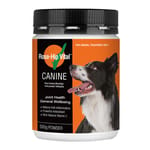
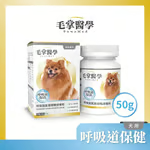
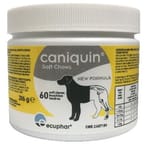
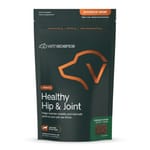
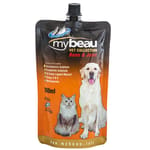
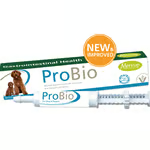
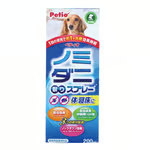
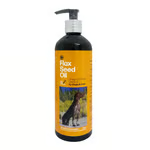
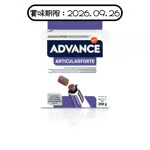
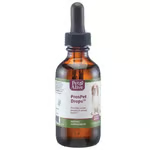
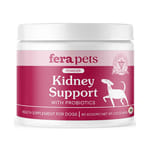
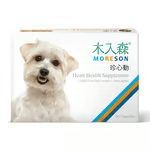
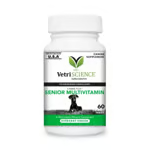
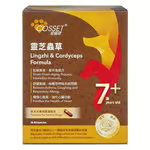
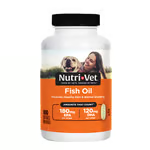
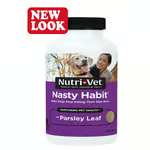
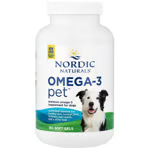
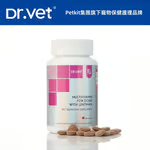
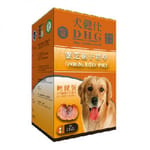
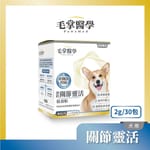
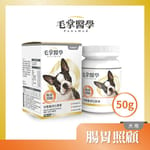
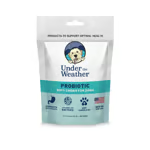
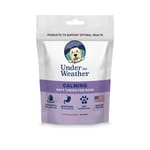
Dog health supplements encompass various products specifically formulated for canine well-being. These items are designed to provide daily nutritional support or aid specific physiological functions in pets. Common types of dog health supplements include vitamins, minerals, probiotics, joint supplements, and skin and coat care products. These products are typically available in forms such as tablets, powders, liquids, or treats. Their ingredients and formulations often vary based on the dog's age, size, and activity level. Some products may focus on maintaining the health of particular systems, such as gastrointestinal function or daily bone and joint maintenance. Selection involves considering the product's form, primary ingredients, and intended recipients to meet dogs' daily care requirements.
Dog health supplements encompass a broad category of products designed to support canine physiological functions beyond basic nutrition.
This article aims to describe the structure and characteristics of this category, focusing on classification, material composition, and usage context, rather than providing product recommendations or comparative evaluations.
Classifications of Dog Health Supplements
Dog health supplements are commonly divided based on their primary functional targets within a canine's physiological system or their delivery format. One primary classification distinguishes between systemic support and targeted support. Systemic support products are formulated to contribute to general well-being, often through broad-spectrum nutrient delivery. Targeted support, conversely, addresses specific physiological systems or conditions, such as joint health, digestive function, or skin and coat condition. Within these broad categories, further distinctions can be made based on the form of the supplement, including chewable tablets, soft chews, powders, liquids, and topical applications. The practical application context also informs classification, separating daily maintenance supplements from those intended for acute or short-term support. Another method of classification involves the source of the active ingredients, such as botanical extracts, animal-derived compounds, or synthetic vitamins and minerals. The regulatory status of these products also contributes to their classification, with some falling under general feed supplements and others subject to more specific regulations depending on the jurisdiction and ingredient claims. Understanding these classification methods is fundamental to comprehending the diverse landscape of dog health supplements.
Material Composition and Formulation Methods of Dog Health Supplements
The material composition of dog health supplements varies extensively, determined by their intended function and delivery mechanism. For example, joint support dog health supplements frequently contain glucosamine, chondroitin sulfate, and methylsulfonylmethane (MSM). Glucosamine is an amino sugar that serves as a precursor for glycosaminoglycans, a major component of cartilage. Chondroitin sulfate is a complex carbohydrate that also contributes to the structural integrity of cartilage. MSM is an organic sulfur compound often included for its purported anti-inflammatory properties. Digestive health supplements, such as dog probiotics, typically incorporate various strains of live microorganisms, including species of Lactobacillus and Bifidobacterium, alongside prebiotics like fructooligosaccharides (FOS) or inulin, which act as substrates for beneficial gut bacteria. Skin and coat health formulations often feature omega-3 fatty acids, particularly eicosapentaenoic acid (EPA) and docosahexaenoic acid (DHA), derived from fish oil or algal sources, which are known to support dermal barrier function and reduce inflammation. These formulations may also include biotin, zinc, and vitamins A and E. Eye health dog health supplements frequently contain antioxidants like lutein, zeaxanthin, and vitamins C and E, aiming to mitigate oxidative stress in ocular tissues. The formulation methods for these products involve precise blending of active ingredients with excipients such as binders, fillers, and flavorings to ensure palatability, stability, and accurate dosing. Processing techniques can range from simple mixing and compression for tablets to more complex encapsulation or fermentation processes for probiotic products. The choice of raw materials and manufacturing processes directly influences the bioavailability and efficacy of the final dog health supplements.
Properties of Dog Health Supplements Across Usage Environments
The properties of dog health supplements can exhibit variations based on the usage environment and specific conditions. Environmental factors such as temperature, humidity, and exposure to light can impact the stability and potency of certain active ingredients. For instance, probiotic dog health supplements, containing live bacterial cultures, are particularly sensitive to heat and moisture. High temperatures can degrade the viability of these microorganisms, reducing their colony-forming units (CFUs) and thus their functional capacity. Consequently, many probiotic formulations require specific storage conditions, such as refrigeration or cool, dry places, to maintain their stated potency. Similarly, omega-3 fatty acids in liquid or soft gel formulations can undergo oxidation when exposed to air, light, or high temperatures, leading to rancidity and a reduction in their beneficial properties. Antioxidants and appropriate packaging are often employed to mitigate this degradation. The physical form of the dog health supplements also influences their resilience; powders and tablets may be less susceptible to environmental degradation than liquids or soft chews, although they can still be affected by moisture absorption. The dietary context in which dog health supplements are administered also plays a role. For example, some fat-soluble vitamins require the presence of dietary fats for optimal absorption. The presence of other medications or existing health conditions in the dog can also alter the absorption, metabolism, or efficacy of supplements. For example, certain medications may interact with supplement ingredients, affecting their bioavailability or increasing the risk of adverse effects. Therefore, the effective application of dog health supplements necessitates consideration of both the product's inherent properties and the specific environmental and physiological conditions of its use.
Characteristics of Dog Health Supplements Based on Sales Ranking
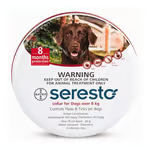
Rank 1: Bayer Seresto Flea & Tick Collar Large Dog over 8kg — This product is a polymer matrix collar designed for sustained release of active ingredients. The collar's material composition includes flumethrin and imidacloprid, which are gradually released from the polymer matrix and distributed over the dog's skin and coat. Flumethrin is a pyrethroid insecticide, and imidacloprid is a neonicotinoid insecticide. The structural characteristic is a flexible, adjustable collar designed for continuous contact with the animal's skin. The active ingredients are embedded within the collar material, allowing for a controlled, long-term release over several months. The product is designed for external application and does not involve ingestion.
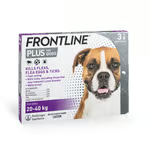
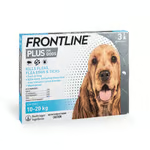
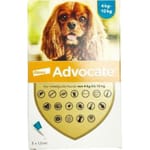
Rank 2: FRONTLINE Plus for Dogs Topical Solution (10-20kg Medium Dog) — This product is a topical solution contained in a small pipette. Its material composition includes fipronil and (S)-methoprene. Fipronil is a broad-spectrum insecticide and acaricide that disrupts the insect central nervous system. (S)-methoprene is an insect growth regulator that interferes with the life cycle of fleas. The formulation is an oily liquid designed for application directly onto the dog's skin, typically between the shoulder blades. The active ingredients are absorbed into the sebaceous glands and hair follicles, spreading across the skin's surface via the natural oils, providing external protection. This dog health supplement is not intended for oral administration.
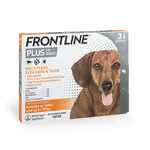
Rank 3: FRONTLINE Plus for Dogs Topical Solution (Small Dog) — Structurally and chemically identical to the medium dog variant, this product is also a topical solution containing fipronil and (S)-methoprene. The primary difference lies in the dosage unit, which is calibrated for the body weight range of small dogs. The active ingredients are delivered in an oily liquid formulation via a pipette for direct skin application. The mechanism of action involves distribution through the skin's sebaceous glands, providing external parasitic control. This dog health supplement also focuses on external application rather than ingestion.
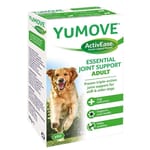
Rank 4: Lintbells YuMOVE Joint Supplement 300 Tablets — This product is a chewable tablet formulated to support canine joint health. Its material composition typically includes glucosamine HCl, chondroitin sulfate, green-lipped mussel (Perna canaliculus), and hyaluronic acid. Glucosamine and chondroitin are structural components involved in cartilage maintenance. Green-lipped mussel provides a source of omega-3 fatty acids and glycosaminoglycans. Hyaluronic acid is a component of synovial fluid. The tablets are manufactured through a compression process, combining these active ingredients with various binders and flavorings to create a palatable solid dosage form for oral administration. The tablets are designed for daily ingestion as a dog health supplement.
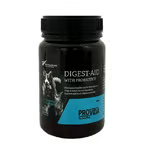
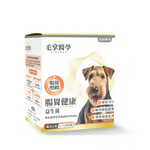
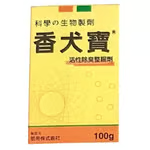
Rank 5: Scented Dog Treasure Active Deodorizing Intestinal Regulator 100g — This product is a powdered dog health supplement designed for digestive support and odor control. Its material composition often includes probiotics (e.g., Lactobacillus, Bifidobacterium strains), prebiotics (e.g., oligosaccharides), and ingredients aimed at reducing fecal odor, which may include Yucca schidigera extract or activated charcoal. The formulation is a fine powder intended to be mixed with food. The probiotics contribute to gut microbiota balance, while prebiotics nourish beneficial bacteria. Odor-reducing components work by binding to or neutralizing odor-causing compounds in the gastrointestinal tract. This dog health supplement is administered orally as a dietary additive.
Quality Standards and Labeling of Dog Health Supplements
The quality standards and labeling requirements for dog health supplements are subject to regulatory frameworks that vary by region, but generally aim to ensure product safety, efficacy, and accurate representation. In many jurisdictions, dog health supplements are classified as feed supplements or complementary feeds rather than pharmaceuticals, which can influence the stringency of regulation. Nonetheless, manufacturers are typically expected to adhere to Good Manufacturing Practices (GMP) to ensure consistent quality, purity, and potency of their products. GMP guidelines cover aspects such as facility design, equipment maintenance, raw material control, personnel training, and quality control procedures. Labeling transparency is a key aspect, requiring manufacturers to clearly list all active and inactive ingredients, their concentrations, and the guaranteed analysis of key nutrients. For dog health supplements, the guaranteed analysis often includes minimum percentages of active compounds like glucosamine, chondroitin, or specific probiotic strains (expressed in colony-forming units, CFU). Expiration dates and lot numbers are mandatory for traceability. Claims made on product labels must be substantiated, and many regulatory bodies prohibit claims that imply a product can diagnose, treat, cure, or prevent disease, reserving such claims for pharmaceutical products. Third-party certifications from organizations that conduct independent testing for purity, potency, and absence of contaminants can further enhance consumer trust and provide an additional layer of quality assurance. The absence of a universal regulatory framework for dog health supplements means that diligence in understanding specific regional standards and manufacturer adherence is necessary.
Factual Insights Regarding Dog Health Supplements
One verifiable factual insight concerning dog health supplements is the specific impact of ingredient form on absorption. For instance, the bioavailability of omega-3 fatty acids, commonly found in dog health supplements for skin and coat, is significantly influenced by their chemical form. Triglyceride-form omega-3s, which mimic the natural structure found in fish, are generally considered to have higher bioavailability and better absorption rates compared to ethyl ester forms. This difference in molecular structure affects how the fatty acids are processed and utilized by the canine digestive system, impacting the overall efficacy of the dog health supplements. Another insight relates to probiotic dog health supplements. The effectiveness of probiotics is not solely dependent on the total number of colony-forming units (CFUs) but also on the specific strains of bacteria included and their ability to survive the acidic environment of the stomach and colonize the intestinal tract. Different strains of Lactobacillus and Bifidobacterium have varying tolerances to gastric acid and bile, and their specific mechanisms of action can differ. Therefore, a higher CFU count does not automatically equate to superior efficacy if the strains are not robust or appropriate for the intended canine physiological benefit. These factors highlight the detailed considerations in the formulation and evaluation of dog health supplements.
The preceding information provides a structural overview of dog health supplements, detailing classifications, material compositions, usage considerations, and relevant quality standards. The aim remains to present objective characteristics of the category.
......View All