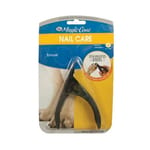
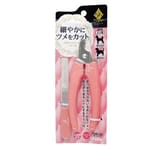
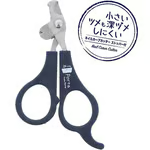
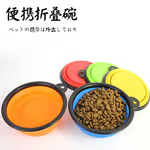
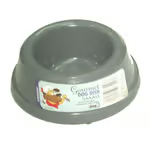
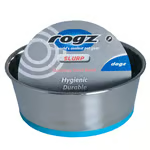
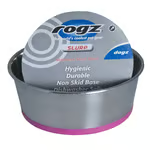
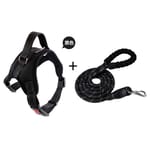
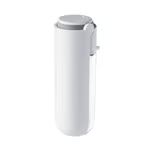
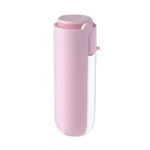
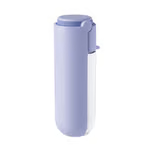
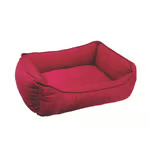
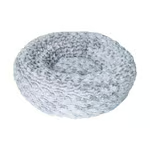
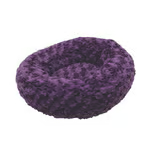
Dog daily necessities encompass a variety of products designed for canine living, covering aspects such as diet, hygiene, training, rest, and play. The range of these supplies is diverse, from basic food bowls and water dispensers, to grooming products specifically formulated for fur and body cleaning, and leashes, collars, and harnesses made from different materials and with various functions. Furthermore, to meet dogs' activity needs, there are various types of dog toys, such as chew toys and interactive toys. The selection of pet supplies considers the dog's size, age, and specific requirements, offering choices in different dimensions, materials, and designs. For instance, some dog daily necessities are designed for puppies or senior dogs to provide more suitable care. These items aim to maintain the dog's health and quality of life, and support owners in their daily care routines.
Dog daily essentials encompass a wide array of items designed for the care, maintenance, and containment of canines in domestic environments. These products serve various functions, from basic hygiene and feeding to activity engagement and health management, forming a comprehensive category within pet supplies.
This article aims to provide a structured overview of dog daily essentials, detailing their classification, material composition, structural attributes, and usage contexts. The focus is strictly on objective characteristics and verifiable information, without offering product recommendations or comparative evaluations of performance or value.
Classification of Dog Daily Essentials: Usage Categories
The classification of dog daily essentials often reflects their primary application or the specific need they address within canine care. One common division categorizes these items into several functional groups, such as feeding and hydration equipment, grooming tools, containment and restraint devices, and activity-based items. Feeding and hydration equipment includes bowls, automatic feeders, and water dispensers, distinguished by material composition like stainless steel, ceramic, or plastic, and structural variations that influence capacity and stability. Grooming tools encompass brushes, combs, nail clippers, and shampoos, each designed with specific bristle types, blade materials, or chemical formulations for different coat textures and skin sensitivities. Containment and restraint devices, such as collars, harnesses, leashes, and crates, vary significantly in their construction materials, including nylon webbing, leather, metal chains, and rigid plastics, as well as their ergonomic designs and securing mechanisms. Activity-based items, frequently referred to as dog toys, cover a broad spectrum from chew toys and puzzle feeders to fetch items and tug toys, differentiated by material resilience, internal mechanisms, and interactive features. Each of these categories of dog daily essentials presents distinct structural attributes and material considerations. Furthermore, specialized categories for health and wellness, including dental care products and protective wear, also form part of dog daily essentials, characterized by their specific formulations or anatomical designs. The diversity within these classifications highlights the multifaceted nature of dog care and the variety of products developed to meet these requirements.
Material Composition and Structural Forms of Dog Daily Essentials
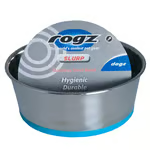
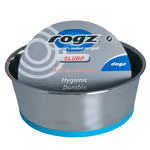
The material composition and structural forms of dog daily essentials are central to their functionality and durability. For instance, feeding bowls are commonly manufactured from stainless steel, ceramics, or various plastics. Stainless steel bowls offer non-porous surfaces and resistance to corrosion, typically formed through stamping or deep drawing processes, resulting in seamless structures. Ceramic bowls, often produced through slip-casting and firing, provide weight and stability, with glazes that render them non-absorbent. Plastic bowls, usually injection-molded, allow for diverse shapes and colors, with material types ranging from polypropylene to melamine, each possessing different levels of impact resistance and chemical stability. Collars and leashes, essential dog daily essentials for restraint, frequently utilize nylon webbing, leather, or chain links. Nylon webbing, a synthetic polymer, is woven into various widths and thicknesses, offering high tensile strength and resistance to moisture, often incorporating metal or plastic buckles and D-rings. Leather collars are crafted from processed animal hides, providing flexibility and a distinct aesthetic, with structural integrity maintained by stitching and metal hardware. Chain link collars are constructed from welded steel links, varying in gauge and finish, designed for specific training applications. Dog beds, another common item among dog daily essentials, exhibit significant variation in their filling materials and outer fabrics. Fillings can include polyester fibers, memory foam, or cedar chips, each providing different levels of cushioning and support. Outer fabrics may range from durable synthetic blends like polyester canvas to natural fibers such as cotton, often chosen for their abrasion resistance and ease of cleaning. The manufacturing processes for these items involve diverse techniques, from weaving and molding to cutting and stitching, all contributing to the final structural integrity and performance of the dog daily essentials.
Variations in Dog Daily Essentials Across Usage Environments
The properties of dog daily essentials can vary considerably depending on the intended usage environment or specific conditions they are designed to withstand. Products intended for outdoor use, for example, often feature enhanced resistance to environmental factors compared to those designed exclusively for indoor settings. Outdoor-specific dog daily essentials, such as durable leashes or weather-resistant dog beds, are frequently constructed from materials that exhibit high UV stability, water repellency, and resistance to abrasion. Nylon webbing treated with waterproofing agents or coated with PVC is common for leashes and collars exposed to variable weather. Outdoor dog beds may incorporate covers made from ripstop fabrics or materials with high denier counts, designed to resist tearing and moisture absorption, and often feature elevated structures to prevent ground contact and improve air circulation. In contrast, indoor dog daily essentials, such as plush dog beds or indoor-specific toys, may prioritize factors like aesthetic integration with home decor, softness, and reduced noise during play. Materials like faux fur, fleece, or soft cotton blends are prevalent for indoor bedding, emphasizing tactile properties and ease of laundering. Indoor toys might use softer rubber compounds or fabric constructions that are less likely to damage household surfaces. Furthermore, specialized dog daily essentials for specific conditions, such as travel or rehabilitation, also exhibit distinct characteristics. Travel crates, for instance, are typically constructed from rigid plastics or lightweight aluminum, designed for secure transport and compliance with airline regulations, often featuring ventilation openings and secure latching mechanisms. Rehabilitative harnesses or support slings are engineered with specific anatomical considerations, using breathable, supportive fabrics and adjustable straps to provide targeted assistance without restricting movement. The selection of materials and structural design for dog daily essentials is thus directly influenced by the anticipated operational context, ensuring appropriate performance under varying environmental demands.
Product Characteristics from Sales Ranking: Dog Daily Essentials
The following descriptions detail the material, formulation, and structural characteristics of specific dog daily essentials based on their reported sales ranking, without any commentary on their effectiveness or value.
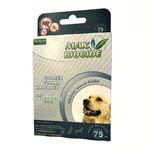
Rank 1: beaphar VETO Pure Natural Mosquito, Tick, and Flea 3-in-1 Collar for Dogs (17174) — This product is a collar designed for external application. Its formulation typically involves a polymer matrix impregnated with natural essential oils or plant extracts, which are intended to diffuse over time. The collar itself is generally constructed from a flexible plastic or synthetic polymer material, formed into a continuous band with an adjustable fastening mechanism, often a buckle or a series of interlocking teeth, allowing for circumference adjustment. The active components are integrated into the polymer during the manufacturing process, ensuring a controlled release. The surface is smooth, and the material is selected for its flexibility and resistance to common environmental factors.
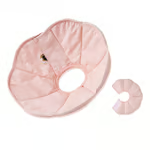
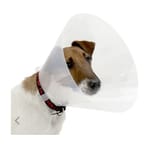
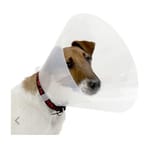
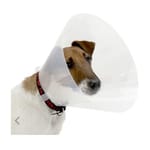
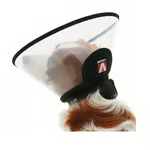
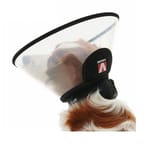
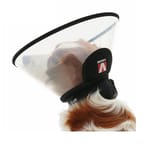
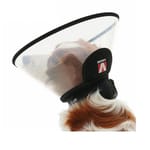
Rank 2: Buster Clic Collar Transparent Neck Collar 10cm (273481) — This item is a transparent neck collar, commonly referred to as an Elizabethan collar or "cone." It is primarily constructed from clear, rigid plastic, typically polypropylene or polyethylene terephthalate (PET), which offers transparency and structural integrity. The material is formed into a truncated cone shape, with a circumference designed to fit around a dog's neck. The edges are often reinforced or rounded to prevent abrasion. The fastening mechanism typically involves a series of interlocking plastic tabs or snaps, often combined with additional loops for securing to a regular collar, ensuring the device remains in position. The 10cm specification refers to the depth of the cone, indicating its physical dimension.
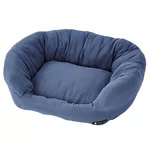
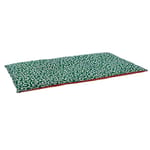
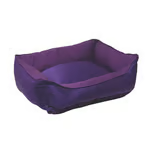
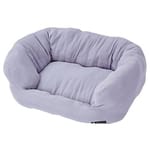
Rank 3: Hagen Dogit Series Rectangular Purple Dog Bed (D5206) — This dog bed features a rectangular form factor and a purple coloration. Its construction typically involves an outer fabric cover and an internal filling material. The outer fabric is generally a synthetic textile, such as polyester or a polyester blend, selected for its durability and color retention properties. The internal filling commonly consists of polyester fibers or a similar synthetic batting, providing cushioning and shape retention. The bed may feature stitched seams to define its rectangular shape and contain the filling. The "Dogit Series" designation indicates its inclusion within a specific product line, and "D5206" is a product identifier number.
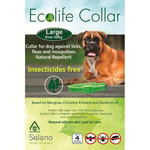
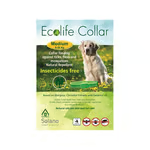
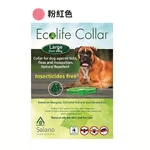
Rank 4: Ecolife Collar Small Dog Natural Flea Collar Pink (EC099P) — This is a flea collar specifically designed for small dogs, presented in a pink color. Similar to other flea collars, its primary structure is a flexible band made from a synthetic polymer, such as PVC or a thermoplastic elastomer. This polymer matrix is infused with natural active compounds, often botanical extracts, which are intended to deter fleas. The collar includes an adjustable buckle or a series of notches that allow for a customized fit around a small dog's neck. The pink coloration is achieved through the incorporation of pigments into the polymer material during manufacturing. The "EC099P" serves as a unique product code.
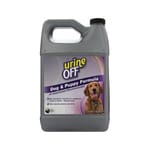
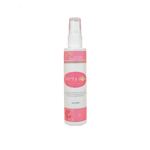
Rank 5: ODOUT Odor Roller Floor Cleaner for Dogs 1L (91602187) — This product is a liquid floor cleaner formulated for use in environments shared with dogs, supplied in a 1-liter container. Its formulation is an aqueous solution containing surfactants, odor-neutralizing agents, and potentially enzymes or microbial cultures designed to break down organic matter and reduce odors associated with pet waste. The specific chemical composition will vary but generally includes anionic and non-ionic surfactants for cleaning efficacy, and complexing agents for odor control. The solution is packaged in a plastic bottle, typically high-density polyethylene (HDPE) or polyethylene terephthalate (PET), with a screw-top cap or a dispenser nozzle for controlled application. The 1L volume denotes the liquid capacity of the container.
Quality Standards and Labeling Norms for Dog Daily Essentials
Quality standards and labeling norms for dog daily essentials are established to ensure product safety, functionality, and transparency for consumers. These standards often vary by region and product type but generally cover aspects such as material safety, manufacturing processes, and performance specifications. For instance, dog food and treats, while distinct from other dog daily essentials, fall under stringent regulations concerning ingredient sourcing, nutritional content, and pathogen control, often enforced by governmental agencies like the FDA in the United States or the European Food Safety Authority (EFSA) in Europe. Labeling for these products typically includes a guaranteed analysis of protein, fat, fiber, and moisture, an ingredient list, feeding guidelines, and manufacturing information. For non-ingestible dog daily essentials such as toys, collars, and beds, safety standards focus on preventing physical hazards. This includes regulations on small parts that could pose a choking risk, the use of non-toxic materials, and the absence of sharp edges or pinch points. For example, some jurisdictions might require that materials used in dog toys pass specific tensile strength tests to prevent breakage. Chemical safety is also a significant concern, with restrictions on heavy metals, phthalates, and certain dyes in materials that might come into prolonged contact with the animal or be ingested. Labeling on these dog daily essentials may include material composition, care instructions, warnings about intended use, and country of origin. Manufacturers often adhere to voluntary industry standards or certifications, such as those from the Pet Industry Joint Advisory Council (PIJAC) or independent testing laboratories, to demonstrate compliance with safety and quality benchmarks. These certifications provide an additional layer of verifiable information regarding the product's adherence to established norms for dog daily essentials.
Factual Insights on Dog Daily Essentials
A verifiable factual insight concerning dog daily essentials relates to the historical evolution of collar materials. Early dog collars, dating back thousands of years, were primarily constructed from natural materials such as leather, rope made from plant fibers, or woven animal sinews. These materials were chosen based on local availability and rudimentary processing techniques. The advent of synthetic polymers in the 20th century, such as nylon and polyester, significantly expanded the range of materials available for dog daily essentials, offering enhanced durability, water resistance, and tensile strength compared to traditional natural fibers. This shift allowed for mass production and a greater variety of designs and functional attributes in dog collars and leashes. Another factual insight pertaining to dog daily essentials involves the development of regulated safety testing for pet products. In several countries, including the United States, there are specific, although often voluntary, standards for the mechanical and chemical safety of dog toys. For example, standards may specify acceptable levels of lead or phthalates in materials and mandate testing for chew resistance or the detachment of small components. These testing protocols are designed to minimize risks such as choking, ingestion of harmful substances, or injury during use. While not always legally mandated for all dog daily essentials, adherence to these testing methodologies by manufacturers is a common practice, providing a quantifiable measure of product safety characteristics. The continuous evolution of materials science and regulatory frameworks directly influences the composition and safety profiles of dog daily essentials.
The category of dog daily essentials is characterized by its broad scope and the diverse array of products designed to support canine well-being. Understanding the various classifications, material properties, and structural forms provides a foundational framework for comprehending the composition of these items. The application of varying quality standards and labeling requirements further contributes to the structured nature of this product domain.
......View All









![日本Clean 日本Clean one 寵物散步必備 糞便處理袋 小型犬用 [21*30cm 100枚] 犬用 正面圖](https://www.petchillhk.com/m/21009-1634546381-1.jpg)