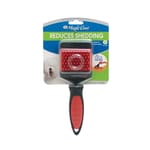
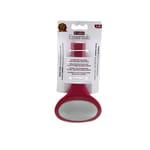
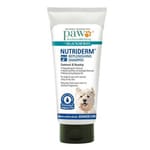
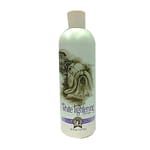
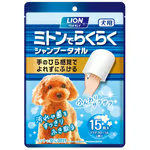
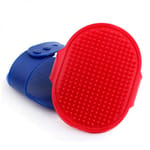
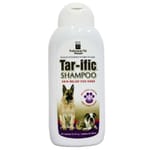
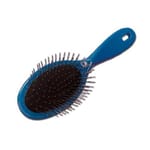
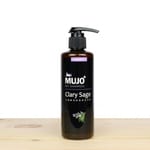
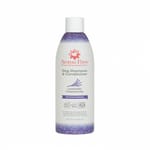
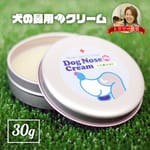
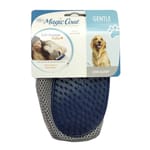
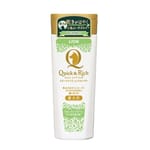
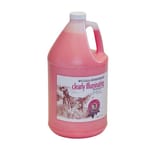
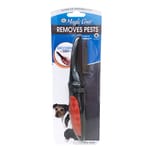
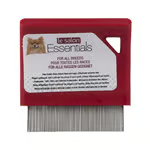
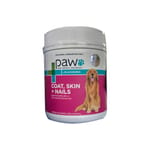
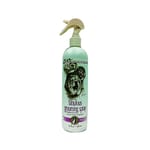
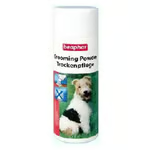
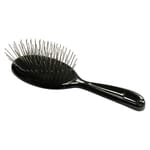
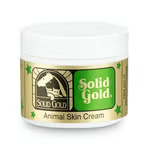
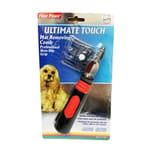
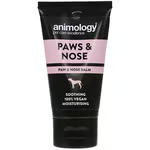
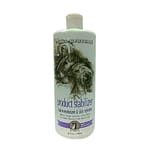
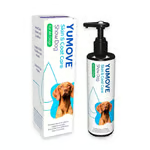
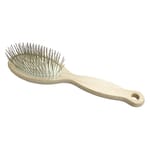
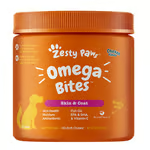
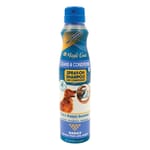
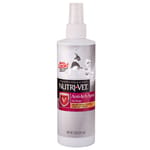
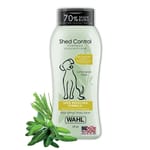
Pet skin and hair care grooming products encompass a range of items designed for maintaining animal skin health and coat cleanliness. This category includes cleansers, conditioners, moisturizers, and related grooming tools. Products are formulated to provide basic cleaning and daily care, aiming to support normal skin conditions and tidy coats. The variety of product types addresses essential grooming needs for different sizes and coat types. Items within this classification primarily focus on physical cleaning and external maintenance, suitable for routine skin and hair care procedures to ensure the animal's skin and fur are in good condition. These grooming products offer various options for pet owners to support their pets' fundamental hygiene practices.
Pet skin and coat care hygiene products encompass a diverse range of formulations and devices designed for the maintenance of animal epidermal health and fur condition.
This article provides a structural classification of pet skin and coat care hygiene products, focusing on their attributes, material composition, and application contexts. The objective is to delineate the characteristics and functional distinctions within this category, without engaging in product recommendations or comparative evaluations of performance.
Pet Skin and Coat Care Hygiene Products: Classification by Application Area
The classification of pet skin and coat care hygiene products frequently aligns with their intended application area on an animal's body, reflecting specialized formulations for specific needs. This segmentation includes products for general body cleaning, targeted skin treatments, and specific fur conditioning. General body cleaning products, such as shampoos and rinses, are formulated for broad application to remove dirt, debris, and environmental contaminants from the fur and skin surface. Their composition often balances cleansing agents with moisturizing or soothing components to prevent dryness or irritation during routine washing. The primary function of these items is epidermal hygiene and the maintenance of a clean coat. Targeted skin treatments, conversely, are designed to address specific dermatological concerns. These may include medicated washes, topical sprays, or spot-on applications formulated with active pharmaceutical ingredients or specialized botanical extracts. Their application is typically localized to areas exhibiting skin irritation, dryness, flaking, or parasitic infestations. The structural attributes of these products, such as viscosity and absorption rates, are optimized for localized delivery and retention on the skin. Fur conditioning products focus on enhancing the texture, sheen, and manageability of the animal's coat. These often follow a cleansing step and include conditioners, detanglers, and specialized serums. Their formulations typically contain emollients, proteins, and humectants that deposit onto the hair shaft, improving its integrity and appearance. The distinctions in application area directly influence the chemical composition and physical properties of each product type within pet skin and coat care hygiene products, ensuring suitability for their specific functions.
Pet Skin and Coat Care Hygiene Products: Material Composition and Formulation Methods
The material composition and formulation methods of pet skin and coat care hygiene products exhibit considerable variation, driven by their intended function and application. Shampoos, a primary component of pet skin and coat care hygiene products, are aqueous solutions containing surfactants as their main active cleansing agents. Common surfactants include sodium lauryl sulfate, sodium laureth sulfate, and cocamidopropyl betaine, selected for their ability to emulsify oils and suspend dirt. These formulations often incorporate emollients such as glycerin, lanolin, or various botanical oils (e.g., coconut oil, argan oil) to counteract the drying effects of surfactants and maintain skin hydration. Proteins like hydrolyzed wheat protein or keratin are sometimes added to strengthen hair shafts. pH adjusters, typically citric acid or sodium hydroxide, are included to maintain a pH range compatible with animal skin, which generally differs from human skin pH. Conditioners, designed to follow shampooing, derive their structural properties from cationic surfactants such as cetrimonium chloride or behentrimonium methosulfate, which bind to the negatively charged keratin of hair, reducing static and improving combability. Silicones, like dimethicone or cyclomethicone, are also frequently incorporated to provide a smooth feel and enhance shine by forming a protective layer on the hair. Medicated topical treatments, another segment of pet skin and coat care hygiene products, employ specific active ingredients. For instance, anti-parasitic spot-on treatments often utilize fipronil, permethrin, or selamectin, formulated in a solvent system that allows for systemic absorption or spread across the skin's surface. Antifungal or antibacterial washes may contain chlorhexidine gluconate or miconazole nitrate, often formulated in a mild surfactant base to ensure delivery of the active ingredient while minimizing skin irritation. Sprays and wipes, used for localized cleaning or deodorizing, typically consist of an aqueous or alcohol-based solution containing mild cleansing agents, deodorizers, and sometimes skin-soothing compounds like aloe vera or oatmeal extract. The processing techniques for these products involve precise mixing of ingredients, often under controlled temperature and pressure, to ensure homogeneity and stability of the emulsion or solution. Emulsification is a common process for incorporating oil-soluble components into water-based formulations, creating stable creams or lotions. Suspension technologies are used for insoluble active ingredients. The selection of materials and the method of formulation directly dictate the physical form (liquid, gel, cream, spray), stability, and efficacy of pet skin and coat care hygiene products.
Pet Skin and Coat Care Hygiene Products: Properties Across Usage Environments
The properties of pet skin and coat care hygiene products can exhibit variations depending on the specific usage environment or prevailing conditions. Environmental factors such as humidity, temperature, and the presence of allergens or pollutants can influence product performance and the animal's response to treatment. In high-humidity environments, products designed to reduce frizz or tangling, such as leave-in conditioners with anti-humectant properties, may demonstrate enhanced efficacy in maintaining coat texture. Conversely, in arid or low-humidity conditions, formulations with increased emollient and humectant content, like moisturizing shampoos or skin balms within the pet skin and coat care hygiene products category, become more critical for preventing skin dryness and flaking. The water quality used for bathing also constitutes a significant environmental variable. Hard water, characterized by high mineral content (calcium and magnesium ions), can reduce the lathering ability of shampoos and leave a residue on the coat, potentially diminishing the cleansing effect and altering texture. In such cases, products formulated with chelating agents, which bind to mineral ions, can help mitigate these effects. Soft water, with its lower mineral content, typically allows for better lathering and rinsing, leading to more efficient product usage. Furthermore, exposure to environmental allergens, such as pollen or dust mites, can necessitate the use of specialized pet skin and coat care hygiene products. These may include hypoallergenic shampoos or topical treatments containing anti-inflammatory agents to soothe irritated skin. Products formulated for specific outdoor activities, such as those designed for animals frequently exposed to mud or saltwater, often contain robust cleansing agents and protective barriers to counteract environmental damage. For instance, shampoos for working dogs may feature stronger degreasing properties, while protective sprays for coastal environments might include UV filters. The temperature of the bathing water also impacts the application of pet skin and coat care hygiene products; lukewarm water generally facilitates better dissolution of products and is more comfortable for the animal, whereas excessively hot or cold water can affect skin sensitivity and product efficacy. Each of these environmental parameters necessitates a consideration of specific product attributes to ensure optimal results in pet skin and coat care hygiene products.
Pet Skin and Coat Care Hygiene Products: Product Characteristics by Sales Ranking
Rank 1: Bayer Seresto Flea & Tick Collar Small Dog under 8kg (UK Version) — This product is a polymer matrix collar designed for continuous release of active ingredients. The collar's material composition includes flumethrin (4.5%) and imidacloprid (10%), embedded within the polymer structure. These active substances are slowly released from the collar surface and distributed across the animal's skin and coat, providing contact-based protection. The collar is designed to be worn around the neck and maintains its structural integrity and active ingredient release over an extended period. Its physical form is a flexible, non-absorbent plasticized material.
Rank 2: MicrocynAH Pet Wound & Skin Care 16oz 500ml — This product is an aqueous solution primarily composed of hypochlorous acid (HOCl) at a concentration of 0.009% and sodium hypochlorite (NaOCl) at a concentration of 0.002%. The solution is formulated with purified water and sodium chloride, ensuring isotonicity. It is presented as a clear, colorless liquid in a spray bottle, designed for topical application. The formulation does not contain alcohol, steroids, or antibiotics, relying on the antimicrobial properties of hypochlorous acid for its intended function. The pH of the solution is maintained within a neutral to slightly acidic range.
Rank 3: Animology Dog Shampoo Mild Formula 2.5L — This product is a liquid shampoo formulated with a blend of cleansing agents and conditioning ingredients. Its primary components include surfactants such as Sodium Laureth Sulfate and Cocamidopropyl Betaine, responsible for lathering and cleaning. Glycerin is incorporated as a humectant to aid in skin hydration. The formulation also contains Panthenol (Pro-Vitamin B5), which is known to contribute to coat conditioning. The product has a pH balanced specifically for canine skin and is designed to be diluted with water prior to application. It is supplied as a viscous, translucent liquid.
Rank 4: Lintbells YuDERM Natural Skin & Coat Supplement 91g — This product is a powdered nutritional supplement designed to support skin and coat health through dietary intake. Its material composition includes a blend of omega-3 and omega-6 fatty acids derived from plant sources such as golden flax and borage, along with lecithin. These fatty acids are encapsulated within a powder matrix for stability and ease of administration. The powder also contains specific vitamins, including Vitamin E, which acts as an antioxidant. The product is intended to be mixed with food and does not involve direct topical application as other pet skin and coat care hygiene products.
Rank 5: MicrocynAH Pet Wound & Skin Care 3oz 100ml — This product is identical in formulation to the 16oz version, being an aqueous solution with hypochlorous acid (HOCl) at 0.009% and sodium hypochlorite (NaOCl) at 0.002%. The solution is made with purified water and sodium chloride. Its physical form is a clear, colorless liquid, packaged in a smaller spray bottle for topical application. The absence of alcohol, steroids, and antibiotics is consistent, and its pH is maintained within a neutral to slightly acidic range, aligning with the properties of other pet skin and coat care hygiene products in this line.
Pet Skin and Coat Care Hygiene Products: Quality Standards and Labeling Norms
The quality standards and labeling norms for pet skin and coat care hygiene products are subject to regulatory frameworks that vary by jurisdiction, though common principles apply to ensure product safety and efficacy. In many regions, products classified as cosmetics or hygiene items for animals fall under consumer product safety regulations, while those with therapeutic claims (e.g., anti-parasitic, medicated shampoos) may be regulated as veterinary medicines or pharmaceuticals. Labeling typically requires a comprehensive list of ingredients, usually presented in descending order of concentration, following standardized nomenclature such as INCI (International Nomenclature Cosmetic Ingredient) names where applicable. This transparency in ingredient listing allows for verification of material composition. Batch numbers and manufacturing dates are standard inclusions, facilitating product traceability and quality control. Instructions for use, including application frequency, dosage (if applicable), and warnings against inappropriate use or potential adverse reactions, are mandatory. Storage conditions, such as temperature ranges and protection from light, are often specified to maintain product stability and efficacy over its stated shelf life. For products making specific claims, such as "hypoallergenic" or "tear-free," manufacturers are generally expected to possess substantiating data, though the definition and testing protocols for such claims can vary. Veterinary medicinal products within the pet skin and coat care hygiene products category are subject to more stringent regulations, requiring pre-market authorization based on extensive safety and efficacy data from clinical trials. These products will bear specific approval numbers and often include detailed product inserts with information on pharmacodynamics, pharmacokinetics, contraindications, and potential side effects. Packaging materials for pet skin and coat care hygiene products are also subject to standards, ensuring they do not interact adversely with the contents and maintain product integrity throughout storage and use. Compliance with Good Manufacturing Practices (GMP) is a common expectation for manufacturers, ensuring consistent product quality and safety. The presence of specific certifications or seals from veterinary organizations or independent testing bodies can indicate adherence to particular quality benchmarks, though these are not universally mandated.
Pet Skin and Coat Care Hygiene Products: Factual Insights on Formulation
One verifiable factual insight regarding pet skin and coat care hygiene products relates to the pH balance of formulations. Canine and feline skin generally exhibits a higher pH value compared to human skin. While human skin typically has a pH ranging from 5.2 to 6.2, dog skin pH often falls within the range of 6.2 to 7.5, and cat skin pH is similar. Consequently, shampoos and topical treatments formulated for humans, which are typically acidic, can disrupt the natural acid mantle of animal skin, potentially leading to dryness, irritation, or increased susceptibility to microbial infections. Therefore, pet skin and coat care hygiene products are specifically formulated to be pH-neutral or slightly alkaline to align with the physiological pH of animal skin, thereby minimizing the risk of adverse dermal reactions and maintaining the skin's barrier function. This specific pH adjustment is a fundamental consideration in the development of appropriate pet skin and coat care hygiene products.
Another factual insight concerns the use of specific surfactant types in pet skin and coat care hygiene products. Certain surfactants, particularly anionic surfactants like sodium lauryl sulfate, are highly effective at cleansing but can also be strong degreasers. While effective for removing heavy soiling, their prolonged or frequent use without appropriate conditioning agents can strip the natural oils from the animal's coat and skin. This can lead to a dry, brittle coat and compromise the skin's natural moisture barrier. Formulators of pet skin and coat care hygiene products often balance these strong anionic surfactants with milder amphoteric or non-ionic surfactants, such as cocamidopropyl betaine or decyl glucoside, to achieve effective cleansing without excessive degreasing. The inclusion of emollients and humectants is also critical to mitigate the drying effects of surfactants, ensuring that the coat remains hydrated and the skin barrier is preserved. This careful selection and balancing of surfactant systems directly impacts the mildness and conditioning properties of pet skin and coat care hygiene products.
The structural characteristics and material compositions of pet skin and coat care hygiene products are designed to address specific needs related to animal epidermal and fur maintenance. The diverse range of formulations and application methods reflects specialized approaches to hygiene and dermal health within this category.
......View All