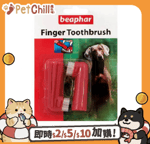
Discover a diverse range of products specifically designed for cats and dogs, covering daily essentials and special care. This category features high-quality cat food, dog food, treats, toys, and grooming supplies, ensuring the health and happiness of your beloved pets. All selected brands undergo stringent quality checks, committed to providing safe and effective products for felines and canines. Whether you're seeking items for a newly acquired pet or browsing for pet supplies online, this collection offers optimal choices to meet your needs, facilitating a comfortable and pet-friendly environment.
The domain of pet products for cats and dogs encompasses a vast array of items designed to address various aspects of companion animal care. Understanding this extensive category requires a systematic approach, moving beyond surface-level observations to delve into the underlying structural and functional distinctions that define its components. This framework facilitates a more nuanced comprehension of how different products are conceived, formulated, and ultimately categorized within the broader pet care landscape. Such an understanding is foundational for anyone seeking to navigate the complexities inherent in providing for canine and feline needs.
This article aims to construct a categorical understanding framework for pet products, focusing exclusively on structural differences, functional segmentation, and classification logic. The discourse will maintain a neutral and factual tone, abstaining entirely from purchase advice, comparative evaluations of superiority, or any form of marketing advocacy. The objective is to delineate the objective characteristics, formulation principles, and classification frameworks without endorsing specific products or brands.
Defining and Subdividing Pet Products for Cats and Dogs
The overarching category of pet products for cats and dogs can be initially defined as any manufactured item intended for use by or in conjunction with domesticated canines and felines, excluding veterinary pharmaceuticals administered solely by licensed professionals. This broad definition necessitates further subdivision to establish a coherent framework. Primary subdivisions often emerge based on the fundamental utility of the product. For instance, nutritional products constitute a significant segment, encompassing various forms of food and dietary supplements. Care and hygiene items form another distinct division, including grooming tools, dental care solutions, and waste management products. Furthermore, environmental enrichment products, such as toys, bedding, and containment solutions, represent a third major structural category. Each of these macro-categories is then subject to further granular subdivision based on specific functional attributes and target species. For example, within nutritional products, dry kibble, wet food, and raw food diets represent distinct sub-categories, each with unique processing methods and compositional profiles. Similarly, grooming pet products for cats and dogs can be segmented into brushes, shampoos, and nail clippers, each addressing a particular aspect of animal hygiene. The establishment of such hierarchical categorization aids in the systematic organization of the diverse range of available items, fostering a clearer understanding of their intended applications and underlying design principles. This structured approach to classification is crucial for comprehending the vast array of available pet supplies online shopping options and their specific roles.
Formulation and Structural Differences in Pet Products for Cats and Dogs
The inherent diversity within pet products for cats and dogs is largely attributable to significant variations in their formulation, material composition, and structural design, each element contributing to distinct functional outcomes. Considering nutritional products, for example, the formulation principles for dry kibble typically involve extrusion, a process where a mixture of ingredients is cooked under high pressure and temperature, then forced through a die to create uniform shapes. The material composition often includes a blend of protein sources (e.g., meat meals, plant proteins), carbohydrates (e.g., grains, legumes), fats, vitamins, and minerals. Wet food, in contrast, often undergoes a canning process, and its formulation typically features higher moisture content, frequently incorporating whole meat pieces or ground meat in gravies or pâtés. The structural difference in moisture content significantly impacts caloric density and palatability. Dietary supplements, such as probiotics, are formulated to deliver specific bioactive compounds. Their material composition often includes live microbial cultures, prebiotics, and carriers (e.g., maltodextrin, cellulose). The structural form can vary, appearing as powders, capsules, or chewable tablets, each designed for different administration methods and stability profiles. For hygiene-related pet products, shampoos are formulated with surfactants to cleanse the coat, often including conditioning agents. The specific chemical composition of these surfactants and emollients determines their lathering properties and skin compatibility. Brushes, as structural pet products, are manufactured from various materials such as plastic, wood, or metal, with bristles made from natural fibers, synthetic filaments, or metal pins, each designed for different coat types and grooming objectives. The design of a brush’s handle and head also involves ergonomic considerations, influencing its functional efficacy. These distinctions in material and formulation are not arbitrary; they are the result of engineering and biological considerations aimed at achieving specific functional goals for both canine and feline physiology and behavior. Understanding these underlying principles offers insight into the vast market of pet shops, pet supplies, and even where to buy dogs in Hong Kong, as product types cater to specific needs.
Contextual Variation in Pet Products for Cats and Dogs
The application of pet products for cats and dogs exhibits considerable contextual variation, meaning that the specific product attributes deemed relevant often depend on the particular use scenario or the characteristics of the individual animal. For instance, within the category of oral care products, a dental chew designed for a large, robust dog may possess a significantly different structural hardness and abrasive texture compared to a dental treat formulated for a small, older cat with delicate dentition. The material composition of these chews, including the type of abrasive agents or enzymatic components, would also be adjusted to suit the target animal’s oral anatomy and physiological needs. Similarly, when considering bedding, the choice of material and construction for a bed intended for an outdoor dog in a cold climate would prioritize insulation and water resistance, perhaps featuring durable, synthetic fabrics and thick padding. Conversely, a bed for an indoor cat in a temperate environment might emphasize softness, breathability, and ease of cleaning, potentially utilizing plush fabrics and lighter fillings. The functional segmentation of toys also illustrates contextual variation; a puzzle toy designed to stimulate a highly intelligent dog’s cognitive function will incorporate complex mechanisms and durable materials, whereas a feather wand toy for a cat primarily focuses on promoting predatory play through lightweight, flexible components and enticing motion. Even within the realm of containment, a travel crate for air transport adheres to stringent regulatory specifications regarding ventilation, construction materials, and locking mechanisms, while an indoor playpen focuses on ease of assembly and visibility. These variations underscore that product development is often highly specialized, catering to a diverse range of environmental conditions, animal sizes, ages, activity levels, and specific health requirements. The understanding of these varied contexts informs the selection and application of pet products, without implying any specific recommendation.
Objective Presentation of Pet Products from Sales Ranking
The following section provides an objective presentation of select pet products for cats and dogs based on a given sales ranking, focusing purely on their material, formulation, and structural attributes. No judgments regarding suitability, effectiveness, or comparative value are implied.
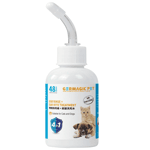
Rank 1: Yaya Di Taiwan Made Furry Series O'Life Oral Care Drops 100ml — This product is formulated as a liquid oral care solution. Its composition typically includes water as the primary solvent, alongside a combination of active ingredients designed for oral hygiene. These active ingredients may encompass enzymes, plant extracts, or other compounds intended to modulate oral bacterial flora or reduce plaque accumulation. The structural design involves a dropper bottle or similar dispensing mechanism for controlled application into water or directly into the animal's mouth. The volume is specified at 100ml.
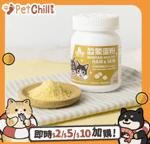
Rank 2: DogCatStar Probiotics DogCatStar Intestinal Probiotics (Chicken Flavor) 2g*30 sachets (for cats and dogs) (HS731) — This product is a dietary supplement in powdered form, packaged in individual sachets, each containing 2 grams. The formulation centers on live microbial cultures, identified as probiotics, intended to support intestinal health. The material composition generally includes specific strains of beneficial bacteria, often lyophilized to maintain viability, combined with a carrier substance and a flavoring agent, in this instance, chicken flavor, to enhance palatability for both cats and dogs. The sachet structure facilitates portion control and maintains product integrity until use.
Rank 3: DogCatStar Probiotics DogCatStar Intestinal Probiotics (Original Flavor) 2g*30 sachets (for cats and dogs) (HS730) — Similar to the previous entry, this is a powdered dietary supplement packaged in 2-gram sachets. The core formulation consists of live probiotic cultures. The material composition includes specific bacterial strains and a carrier, but notably, it is presented without an added flavoring agent, hence "Original Flavor." This formulation choice may be intended to accommodate animals with sensitivities to common flavorings. The structural packaging remains consistent with individual sachets for controlled dosage.
Rank 4: Chanelle Contu Pet Broad-Spectrum Deworming Tablets CP02 10 tablets (for cats and dogs) — This product is an oral pharmaceutical preparation in tablet form, with a quantity of 10 tablets per package. Its formulation incorporates anthelmintic agents, which are chemical compounds designed to eliminate internal parasitic worms. The material composition of the tablets includes the active pharmaceutical ingredients alongside excipients such as binders, fillers, disintegrants, and lubricants, which facilitate tablet formation and dissolution. The structural characteristic is a solid, compressed dosage form intended for oral administration to both cats and dogs, reflecting a broad-spectrum application.
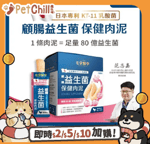
Rank 5: Monster Tribe Probiotics Cat and Dog Health Supplement OK! Probiotics 1.5g x 30 sachets (E604) — This is a powdered health supplement, provided in 1.5-gram sachets, with 30 sachets per unit. The formulation focuses on probiotic strains aimed at promoting general health in cats and dogs, encompassing more than just intestinal support. The material composition typically comprises a blend of live microbial cultures, potentially combined with prebiotics, vitamins, or other functional ingredients, and a carrier. The sachet format provides pre-measured doses and ensures the stability of the powdered contents.
Quality Standards and Regulatory Frameworks for Pet Products for Cats and Dogs
The production and distribution of pet products for cats and dogs are often subject to various quality standards, transparency frameworks, and regulatory or labeling elements, which aim to ensure product safety, efficacy, and accurate representation. In many jurisdictions, pet food, for instance, falls under regulations similar to those governing human food, albeit with specific adaptations for animal nutrition. These regulations typically dictate permissible ingredients, contaminant limits, and labeling requirements. For example, the Association of American Feed Control Officials (AAFCO) in the United States sets voluntary standards that many states adopt into law, establishing nutrient profiles for dog and cat foods for different life stages. These profiles outline minimum and maximum levels for essential nutrients, ensuring nutritional adequacy. Labeling requirements often mandate the listing of ingredients in descending order by weight, guaranteed analysis (e.g., crude protein, fat, fiber, moisture percentages), and feeding instructions. The presence of specific claims, such as "complete and balanced," often necessitates adherence to AAFCO feeding trials or nutrient profile standards. For supplements, while regulations can be less stringent than for pharmaceuticals, there is still an expectation of ingredient transparency and accurate dosage information. Manufacturers of pet products, including those available through online pet supplies store platforms, may voluntarily adhere to Good Manufacturing Practices (GMP) to ensure consistent quality and control throughout the production process. This involves documented procedures for raw material sourcing, processing, packaging, and quality control checks. Furthermore, some products may carry certifications from independent third-party organizations, which can attest to aspects like organic status, non-GMO ingredients, or ethical sourcing. These certifications are part of a broader transparency framework, providing consumers with additional layers of verifiable information about the product's attributes. The absence or presence of specific regulatory oversight can influence the level of detail provided on product packaging and the extent of testing conducted. Understanding these frameworks is essential for comprehending the information presented on pet products for cats and dogs, such as those found in Hong Kong pet supplies stores, and interpreting claims made by manufacturers.
Insightful Factual Observations on Pet Products for Cats and Dogs
An interesting aspect concerning the development of pet products for cats and dogs is the evolutionary divergence of their nutritional requirements. Cats are obligate carnivores, meaning their physiology is specifically adapted to a diet primarily composed of animal tissue. This necessitates a higher protein content and specific nutrients like taurine, which they cannot synthesize sufficiently from plant-based precursors. Dogs, on the other hand, are considered omnivores, having evolved alongside humans and developed adaptations for starch digestion, allowing them to utilize a wider range of food sources. This fundamental physiological difference directly influences the formulation of species-specific pet products, even when seemingly shared categories like "treats" or "supplements" are considered. A product marketed for "cats and dogs" must therefore be formulated to meet the more restrictive dietary needs of the obligate carnivore, or provide a composition that is generally safe and beneficial for both, often resulting in a broader, less specialized nutrient profile. This distinction is a cornerstone in the development of appropriate pet products.
Another verifiable factual insight relates to the materials used in pet toys. While many modern pet toys are constructed from synthetic polymers, a significant number of traditional and contemporary designs incorporate natural rubber latex. Natural rubber is derived from the sap of the Hevea brasiliensis tree. Its inherent elasticity, durability, and non-toxic properties make it a suitable material for chewing and interactive play objects. However, it is important to note that a small percentage of both humans and animals can exhibit latex allergies. Manufacturers often disclose the use of natural rubber, and alternative synthetic rubber compounds (such as thermoplastic elastomers or silicone) are frequently employed in pet products to mitigate potential allergen concerns or to achieve specific material properties like enhanced tear resistance or buoyancy, particularly within the segment of pet products for cats and dogs. The choice of material is a critical design consideration, balancing functional requirements with safety considerations, a principle evident even in the largest pet supplies store offerings.
The extensive and continuously evolving landscape of pet products for cats and dogs reflects the complex and varied needs of companion animals. This categorical framework provides a structured lens through which to understand the distinctions in formulation, material science, and functional design. By focusing on objective characteristics and classification logic, a clearer picture emerges of how these products are conceptualized and developed to address specific aspects of animal care, without engaging in any form of recommendation or subjective evaluation.
......View All