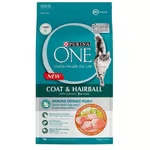
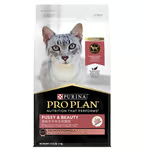
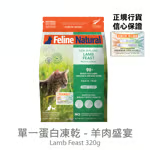
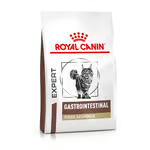
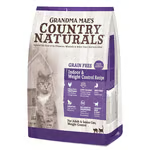
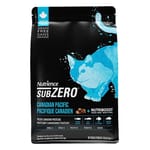
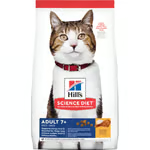
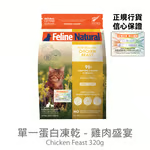
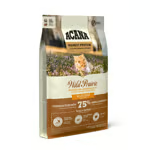
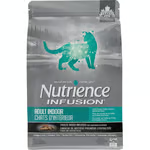
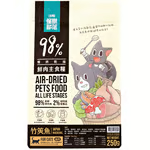
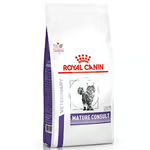
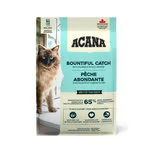
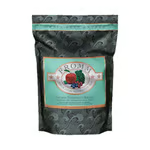
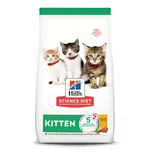
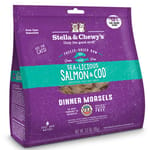
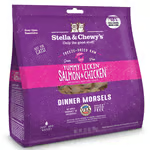
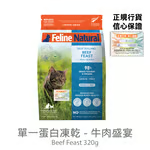
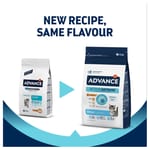
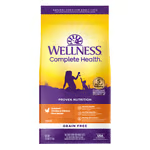
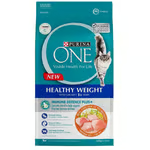
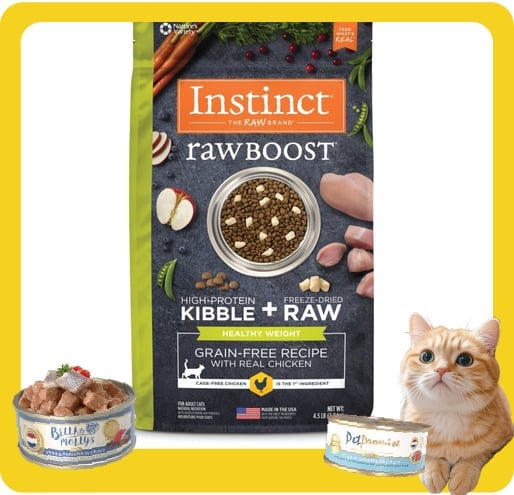
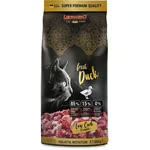
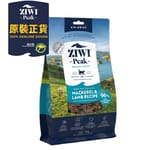
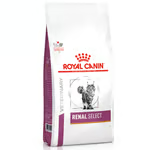
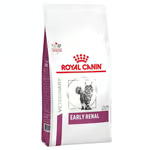
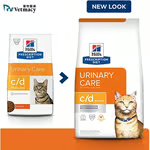
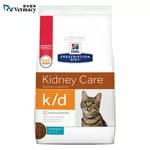
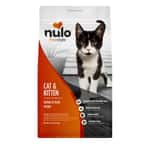
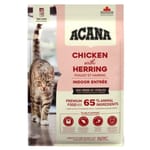
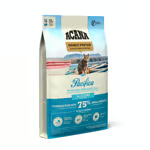
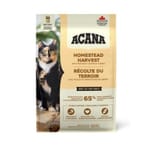
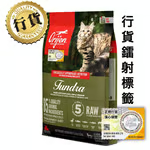
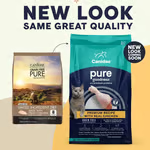
Cat food is a type of nourishment specifically formulated for felines, providing the essential nutrients required for their growth, development, and overall health. These products are commonly available in various forms, including dry kibble, wet food, and semi-moist options, with ingredients typically comprising proteins, fats, carbohydrates, vitamins, and minerals. Different cat food formulations are developed to address the specific needs of cats based on their age, activity level, and physiological conditions; for instance, kitten food is tailored to support the rapid growth of young cats. The market offers a wide array of cat food types; dry kibble, for example, can aid in dental health, while wet food contributes to hydration. Pet owners can select an appropriate cat food type based on their cat's individual circumstances to ensure a balanced diet. Freeze-dried cat food represents another processing method, where ingredients are freeze-dried to preserve their nutritional content. The design of these products aims to fulfill the daily nutritional requirements of cats, supporting their overall well-being.
Commercial cat food encompasses a range of prepared edible sustenance products specifically formulated for consumption by domestic cats, designed to meet their nutritional requirements.
This article aims to describe the structural attributes, material composition, and usage contexts within the cat food category, without providing product recommendations or comparing advantages.
Cat Food Classification by Form
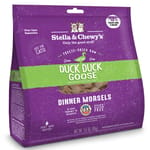
Cat food is commonly divided based on its physical form, which often dictates its moisture content and processing methods. The primary classifications include dry, wet (canned or pouched), semi-moist, and freeze-dried or air-dried formulations. Dry cat food, frequently referred to as kibble, typically contains a moisture content of 6-10%. It is produced through an extrusion process where ingredients are mixed, cooked under high pressure and temperature, and then forced through a die to create uniform shapes. This process can alter the digestibility of certain nutrients and create a shelf-stable product. Wet cat food, conversely, possesses a moisture content often exceeding 70%, sometimes reaching up to 85%. These products are typically packaged in cans or pouches and undergo a sterilization process after packaging to ensure microbial stability. The ingredients are often ground and mixed with water, gravies, or broths before being sealed and heated. Semi-moist cat food features an intermediate moisture level, generally between 25-40%, maintained by humectants such as propylene glycol or sorbitol. These products are less common than dry or wet options and are often presented as treats rather than primary meals. Freeze-dried cat food and air-dried cat food represent categories with low moisture content, often below 10%, similar to kibble, but processed differently. Freeze-drying involves freezing the ingredients and then placing them in a vacuum chamber, where ice sublimates directly into vapor, preserving the nutritional integrity and texture of raw materials. Air-drying involves a slow, gentle drying process at low temperatures, which also aims to retain nutrient value. These forms of cat food are often presented as complete meals or as toppers for other food types, offering a texture and preparation method distinct from extruded kibble.
Cat Food Material Composition and Processing Techniques
The material composition of cat food varies significantly across different products, influencing their nutritional profiles and suitability for specific feline dietary needs. Core ingredients typically include animal protein sources, fats, carbohydrates, vitamins, and minerals. Animal protein sources are fundamental for cat food, given cats' obligate carnivorous nature. Common protein sources include chicken, beef, lamb, fish (such as salmon or tuna), and turkey. These can be incorporated as fresh meat, meat meal (rendered, ground, and dried animal tissue), or by-products (non-rendered parts of the animal other than muscle meat). The inclusion of specific protein sources, such as those found in Orijen cat food, often reflects a focus on high animal protein content. Fats, primarily from animal sources like chicken fat or fish oil, or sometimes from plant sources like flaxseed oil, provide concentrated energy and essential fatty acids, such as omega-3 and omega-6. Carbohydrates, while not strictly required in large amounts for felines, are often included in cat food formulations, especially in dry kibble, to provide structure and act as a binder. Sources can include grains (corn, wheat, rice, barley) or grain-free alternatives (peas, potatoes, sweet potatoes, lentils). The presence of specific carbohydrates distinguishes grain-inclusive from grain-free cat food formulations. Vitamins and minerals are added to ensure a complete and balanced diet, covering micronutrient requirements. These are typically included as pre-mixes to meet established nutritional guidelines. Processing techniques, such as extrusion for dry kibble, thermal sterilization for wet cat food, and freeze-drying for specific raw-inspired products, each impact the final product's texture, shelf stability, and nutrient bioavailability. For instance, the high temperatures involved in extrusion can reduce the biological value of some heat-sensitive nutrients, while freeze-drying aims to minimize such losses. The method of processing also affects the physical density and moisture content of the cat food, influencing palatability and feeding instructions.
Cat Food Properties Across Usage Environments
The properties of cat food can exhibit variations depending on the intended usage environment or specific conditions, reflecting adaptations in formulation and presentation. For instance, cat food designed for indoor cats often features a lower caloric density and higher fiber content. This adjustment addresses the typically reduced activity levels of indoor felines, aiming to support weight management and hairball control. The fiber content, often derived from cellulose or beet pulp, aids in gastrointestinal transit. Conversely, cat food formulated for active or outdoor cats may present with a higher caloric density and increased protein and fat levels to support higher energy expenditures. Kitten food, a specialized segment, is characterized by elevated levels of protein, fat, and specific micronutrients such such as DHA for brain development, to support the rapid growth and development phase of young cats. This nutritional profile is different from adult maintenance formulas. Similarly, formulations targeting senior cats often include ingredients aimed at supporting joint health, kidney function, and cognitive vitality, such as glucosamine, chondroitin, and antioxidants, alongside a carefully managed phosphorus content. Breed-specific cat food, exemplified by certain Royal Canin cat food lines, is tailored to address the unique anatomical or physiological characteristics of particular breeds. For example, formulas for British Shorthairs might focus on supporting bone and joint health due to their robust build, or address dental concerns. The texture and size of dry cat food kibble can also be adapted for specific usage; larger kibble pieces may encourage chewing and dental health, while smaller pieces are suitable for kittens or cats with dental sensitivities. Wet cat food, due to its high moisture content, contributes significantly to a cat's hydration, which can be particularly beneficial in environments where water intake might be a concern. The choice of cat food, therefore, is often influenced by factors such as the cat's age, activity level, breed, and specific health considerations, leading to diverse product properties.
Cat Food Characteristics from Sales Ranking Data
The following descriptions are based on the material, formulation, or structural characteristics of products appearing in sales rankings, without reference to their performance or suitability.
Rank 1: Orijen Cat Food Grain-Free All Life Stages Chicken Recipe 5.4kg (OC54K) Guaranteed Hong Kong Official Product — This cat food is formulated as a grain-free product, indicating the absence of traditional cereal grains like corn, wheat, or soy. Its primary protein source is chicken, suggesting a high animal protein content typically associated with the Orijen cat food brand. The "All Life Stages" designation implies a nutritional profile designed to meet the requirements of cats at various developmental stages, from kitten to senior. The product is provided in a 5.4 kg package, indicating a dry kibble form. The "Guaranteed Hong Kong Official Product" label pertains to distribution and authenticity within a specific market, not to intrinsic product characteristics.
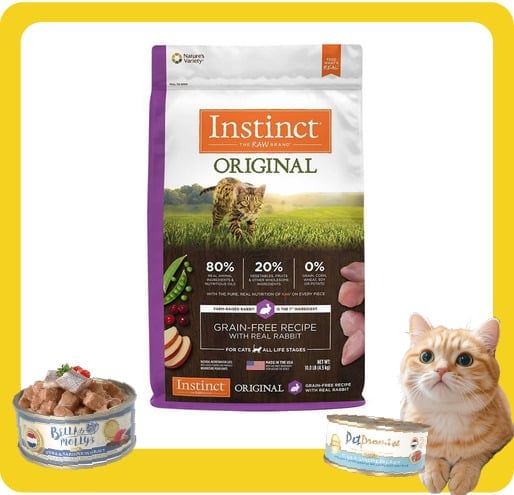
Rank 2: Instinct Cat Food Grain-Free High Protein Chicken Recipe 10lb (658528) — This Instinct cat food is also characterized as grain-free, similar to the Orijen product. It emphasizes a "High Protein" formulation, with chicken as the central protein source. The product's weight is 10 pounds, which is approximately 4.54 kg, indicating a dry kibble format. The high protein claim suggests a significant proportion of animal-derived ingredients within its composition, aligning with the brand's focus on biologically appropriate diets. The recipe is centered on chicken as the primary animal protein.
Rank 3: Royal Canin Cat Food Adult Complete Health Nutrition FIT32 15kg (2520150011) — This Royal Canin cat food is described as "Adult Complete Health Nutrition FIT32." The "Adult" designation indicates its formulation is intended for mature cats, generally past the growth phase. The "FIT32" likely refers to a specific nutritional profile or ingredient ratio within Royal Canin's system, often related to maintaining a healthy weight and activity level for adult cats. The product comes in a 15 kg package, confirming it as a dry kibble. Its formulation is designed for general adult cat maintenance, providing complete nutrition.
Rank 4: Royal Canin Cat Food Breed Specific British Shorthair Adult Formula BSH 10kg (2557100010) — This Royal Canin cat food is a "Breed Specific" formula, tailored for British Shorthair adult cats. The "BSH" likely stands for British Shorthair, indicating specific nutrient adjustments or kibble shapes designed for this breed's characteristics, such as their robust build and unique jaw structure. The "Adult Formula" specifies its target demographic. The product is supplied in a 10 kg bag, consistent with a dry cat food format. The formulation addresses the particular dietary considerations identified for the British Shorthair breed.
Rank 5: Instinct Cat Food Grain-Free Chicken Recipe 11lb (658566) — This Instinct cat food is a grain-free formulation featuring chicken as the primary ingredient. The product is packaged in an 11-pound bag, which translates to approximately 4.99 kg, consistent with a dry kibble product. The "Grain-Free Chicken Recipe" indicates a focus on animal protein and the exclusion of grains, positioning it within a specific dietary segment. This product reiterates the brand's commitment to grain-free formulations with a single primary animal protein source.
Cat Food Quality Standards and Labeling Norms
The quality and composition of cat food are subject to various regulatory standards and labeling norms, which provide a framework for consumer understanding and product verification. In many regions, organizations such as the Association of American Feed Control Officials (AAFCO) in the United States, or the European Pet Food Industry Federation (FEDIAF) in Europe, establish nutritional guidelines and labeling requirements. These bodies define terms like "complete and balanced," which signifies that a cat food product, when fed as directed, provides all the essential nutrients in appropriate amounts for a specific life stage (e.g., growth, adult maintenance, or all life stages). AAFCO, for example, publishes nutrient profiles for cat food, detailing minimum and sometimes maximum levels for protein, fat, vitamins, and minerals. Compliance with these profiles is often stated on product labels. Labeling transparency is a key aspect of these standards. Cat food labels typically include an ingredient list, ordered by weight in descending order. This allows consumers to identify the primary components of the cat food. Guaranteed analysis panels provide minimum percentages for crude protein and crude fat, and maximum percentages for crude fiber and moisture. These figures offer a quantitative overview of macronutrient content. Terms such as "natural," "organic," or "human-grade" are also subject to specific definitions and regulatory oversight, though their application can vary. For instance, "natural" often implies ingredients that have not been chemically altered, while "organic" refers to ingredients produced according to organic farming standards. Documentation norms often require manufacturers to maintain records of ingredient sourcing, production processes, and quality control measures, which can be subject to inspection by regulatory authorities. The presence of specific claims, such as "grain-free cat food," must be verifiable through the ingredient list. The packaging of cat food also often includes feeding guidelines, which are typically based on a cat's weight and activity level, though these are general recommendations. Understanding these standards and labeling conventions is essential for interpreting the characteristics of any cat food product.
Verifiable Insights into Cat Food
Cats are obligate carnivores, meaning their physiological makeup requires nutrients found only in animal products. Their digestive systems are specifically adapted to process high levels of animal protein and fat, and they have a limited ability to digest and utilize plant-based nutrients. This biological imperative distinguishes cat food formulations significantly from those designed for omnivorous or herbivorous species. For example, cats require taurine, an amino acid, which is primarily found in animal tissues. A deficiency in taurine can lead to serious health issues, including dilated cardiomyopathy and retinal degeneration. Consequently, commercial cat food formulations are meticulously supplemented with taurine if the natural levels from animal ingredients are insufficient. Another verifiable fact concerning cat food relates to its typical pH level. The pH of cat food is often adjusted to be slightly acidic, typically between 6.0 and 6.5. This controlled acidity is intended to support urinary tract health by helping to prevent the formation of certain types of urinary crystals, such as struvite, which thrive in more alkaline environments. Manufacturers achieve this through precise formulation, sometimes incorporating acidifying agents. This characteristic is a deliberate design choice in many cat food products to mitigate a common feline health concern. The moisture content in wet cat food also plays a verifiable role in feline hydration. Domestic cats often have a low thirst drive, evolved from their desert-dwelling ancestors who derived most of their water from prey. Therefore, the high moisture content of canned or pouched cat food can contribute significantly to a cat's daily water intake, potentially reducing the risk of dehydration and supporting kidney function, especially when compared to a diet consisting solely of dry cat food.
This document has presented an overview of cat food, detailing its structural classifications, material compositions, processing techniques, and adherence to established quality standards and labeling practices.
......View All