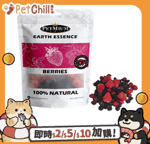
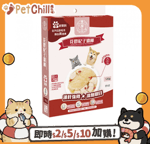
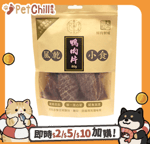
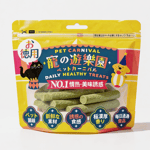
This category encompasses various types of cat treats and dog treats, designed to meet the dietary needs and preferences of different pets. These treats typically use meat, fish, vegetables, or other natural ingredients as their main components, and may be categorized by texture into jerky, sticks, biscuits, freeze-dried, or puree forms. Cat treats and dog treats vary in size, shape, and hardness to suit pets of different sizes and age groups. Some products may be formulated for specific functions, such as dental hygiene or providing additional nutritional supplements, but their primary purpose remains as a supplement or reward in a pet's daily diet. Regarding questions like "Can cats eat dog treats?" or "Can dogs eat cat treats?", it is generally recommended to feed pets according to their specific formulas to ensure balanced nutrition and health. This category also includes a diverse selection of brands and flavors, offering pet owners multiple choices when selecting snacks for their cats or dogs.
Pet treats, a category encompassing both cat and dog snacks, represent a diverse range of supplementary food products designed for companion animals.
This article aims to describe the structural attributes, material composition, and usage contexts within the pet treat category. The objective is to provide objective, verifiable information without engaging in product recommendations or comparative evaluations of advantages.
Pet Treats Classification by Animal Type
The classification of pet treats is primarily delineated by the species for which they are formulated, specifically cat treats and dog treats. This distinction is fundamental due to the differing nutritional requirements, digestive physiologies, and palatability preferences between felines and canines. Cat treats are often characterized by higher protein content, frequently derived from animal sources, reflecting the obligate carnivore nature of cats. They may also include specific amino acids, such as taurine, which is essential for feline health and not synthesized endogenously in sufficient quantities. Dog treats, conversely, exhibit a broader range of macronutrient profiles, accommodating the omnivorous dietary tendencies of dogs. These can include a wider variety of plant-based ingredients in addition to animal proteins. The physical forms of these pet treats also vary, with cat treats often being smaller, softer, or designed for specific tactile experiences, while dog treats may range from small training morsels to larger, durable chews intended for extended consumption or dental hygiene. Understanding the primary animal target is crucial for comprehending the foundational structure of the pet treat market.
Pet Treats: Material Composition and Processing Methods
The material composition and processing methods employed in the production of pet treats exhibit considerable variability, contributing to the diverse characteristics within the category. Raw materials commonly include various animal proteins such as chicken, beef, fish, and lamb, often in dehydrated, freeze-dried, or rendered forms. Plant-based ingredients like grains (e.g., rice, corn, wheat), legumes (e.g., peas, lentils), and vegetables (e.g., sweet potato, pumpkin) are also frequently incorporated, particularly in dog treats. Fats, often from animal sources or plant oils, provide energy and enhance palatability. Vitamins, minerals, and other dietary supplements may be added to provide specific nutritional benefits. Processing methods significantly alter the texture, shelf life, and digestibility of pet treats. Common techniques include extrusion, which involves cooking and shaping ingredients under high pressure and temperature to create kibble-like products. Baking is another method, yielding crunchy or biscuit-like treats. Freeze-drying involves removing moisture from frozen ingredients under vacuum, preserving nutrients and original texture, often resulting in a light, porous product. Dehydration, which uses heat to remove water, creates denser, chewier items. The selection of materials and processing directly influences the final physical and chemical properties of each pet treat.
Pet Treats: Usage Contexts and Environmental Variations
The properties of pet treats can vary significantly depending on their intended usage contexts and the environmental conditions they are designed to withstand. For instance, treats intended for training purposes are typically small, easily broken, and highly palatable to facilitate rapid consumption and reward delivery. Their material composition often prioritizes immediate appeal and digestibility. In contrast, dental pet treats are formulated with specific textures and ingredients to aid in plaque and tartar reduction through mechanical abrasion or enzymatic action during chewing. These treats are often denser and more durable. Treats designed for enrichment or anxiety reduction, such as those used in puzzle toys, may have a specific consistency that allows for slow dispensation. The storage environment is also a factor; treats packaged in airtight, moisture-resistant materials are suitable for diverse climates, while those with higher moisture content or delicate structures, such as some soft chews or freeze-dried products, may require more controlled storage conditions to maintain their integrity and palatability. The stability of active ingredients, such as probiotics or specific supplements, also dictates packaging and storage requirements to ensure their efficacy over time. These variations underscore the functional diversity within the pet treat category.
Pet Treats: Product Characteristics from Sales Ranking
Rank 1: NUNAVUTO Natural Dehydrated Chicken Morsels for Pets (Blue Bag) 800g — This product consists of dehydrated chicken morsels. Dehydration is a process that removes moisture from the chicken through heat, concentrating its flavor and extending its shelf life. The primary material is chicken, presented in small, solid pieces suitable for pet consumption. The 800g quantity indicates a larger package size.
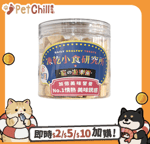
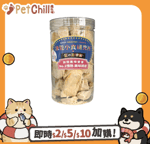
Rank 2: Freeze-Dried Snack Research Institute x Pet Playground Freeze-Dried Cat Snacks Freeze-Dried Catnip Chicken Morsels 100g — This item is a freeze-dried product composed of chicken and catnip. Freeze-drying preserves the natural structure and nutrient content of the ingredients by removing water through sublimation. The inclusion of catnip suggests a specific palatability enhancement for felines. The product is in the form of small morsels and comes in a 100g package.
Rank 3: Dogcatstar Health Pure Meat Paste Fish Oil Health Pure Meat Paste (Boxed) 6g*20 — This product is a meat paste, indicating a semi-liquid or gel-like consistency. It is formulated with pure meat and fish oil, suggesting a focus on both protein and omega fatty acid content. The individual packaging of 6g per sachet, with 20 sachets per box, allows for controlled portioning and maintains freshness. The paste form is often used for direct feeding or as a food topper.
Rank 4: Freeze-Dried Snack Research Institute x Pet Playground Freeze-Dried Cat and Dog Snacks Freeze-Dried Shredded Chicken 150g — This product features freeze-dried shredded chicken, suitable for both cats and dogs. The freeze-drying process retains the original texture and nutritional value of the chicken. The chicken is presented in a shredded form, which can be easily consumed by various pet sizes and types. The package size is 150g.
Rank 5: Thrive Cat and Dog Treats Crispy Delights Freeze-Dried Tuna 180g (For Cats and Dogs) — This product is a freeze-dried treat composed solely of tuna. The freeze-drying method results in a light and crispy texture, preserving the natural properties of the fish. It is explicitly labeled for use with both cats and dogs, indicating its suitability across species. The package contains 180g of product.
Pet Treats: Quality Standards and Labeling Transparency
The regulation and labeling of pet treats are overseen by various bodies globally, aiming to ensure product safety, quality, and accurate representation. In many regions, pet food, including pet treats, falls under feed regulations rather than human food regulations, though principles of safety and truthfulness in labeling generally apply. Key aspects of labeling include the guaranteed analysis, which provides minimum percentages of crude protein and crude fat, and maximum percentages of crude fiber and moisture. This information allows consumers to understand the macronutrient profile of the pet treat. An ingredient list, ordered by weight, is also mandatory, detailing all components used in the formulation. This provides transparency regarding the raw materials. Manufacturing dates, expiration dates, and batch numbers are typically included for traceability and quality control. Claims such as "natural," "organic," or "grain-free" are subject to specific definitions and verification processes, often requiring adherence to established standards by regulatory agencies. For instance, a claim of "human-grade" for pet treats implies that all ingredients and the manufacturing process meet human food safety standards, which is a higher bar than standard feed regulations. Adherence to these standards and transparent labeling practices are foundational to the pet treat industry.
Pet Treats: Factual Insights
A notable factual insight regarding pet treats concerns the question, "Can cats eat dog treats?" While some dog treats may not contain ingredients harmful to cats, the nutritional balance is often inappropriate for feline long-term consumption. Dog treats are formulated to meet canine nutritional requirements, which differ significantly from those of felines, particularly regarding protein levels, specific amino acids like taurine, and certain vitamins. Therefore, while incidental consumption may not be immediately detrimental, regular feeding of dog treats to cats is not recommended due to potential nutritional deficiencies or imbalances over time. Similarly, "can dogs eat cat treats?" is a common query. Cat treats are typically higher in protein and fat, reflecting feline dietary needs. While dogs can consume cat treats without immediate harm, excessive consumption could contribute to an imbalanced diet or caloric surplus for a dog. The specific formulations of pet treats are designed for species-specific physiological needs, making cross-species regular feeding generally unsuitable for optimal health.
Another verifiable insight pertains to the question, "Can humans eat pet treats?" Pet treats are not manufactured for human consumption. While some ingredients found in pet treats may also be present in human food, the processing standards, hygiene protocols, and ingredient sourcing for pet food are distinct from those for human food. Pet food regulations prioritize animal health and safety, which may not align with human dietary standards or safety expectations. For example, rendering practices for animal by-products used in pet treats differ significantly from those for human-grade meat processing. Therefore, despite potential appearances, pet treats are specifically formulated and produced for animal consumption and should not be consumed by humans.
The structural and compositional attributes of pet treats are designed to cater to specific animal needs and preferences, reflecting a specialized segment within the broader pet food industry. This category is characterized by diverse formulations and processing methods, each contributing to the distinct properties of individual pet treat products.
......View All