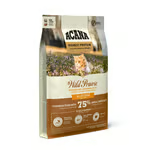
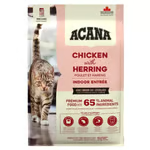
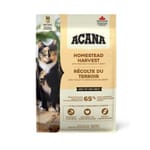
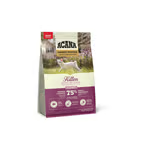
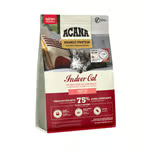
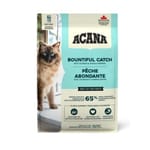
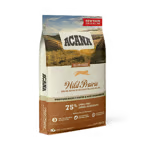
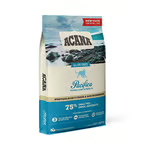
This category page features a variety of ACANA cat food products, designed to provide the daily nutritional needs for felines. ACANA cat food lines typically include different types of main meals, with formulas developed to suit cats' physiological requirements. These products can be categorized into kitten food, adult cat food, and specific needs formulas, adapting to the nutritional demands of cats at various life stages. The ingredient composition and nutritional ratios of the products may vary depending on the specific formula and are usually indicated on the packaging for consumer reference. Browsing this category allows for the examination of different kinds of ACANA cat food and detailed product information. Each ACANA cat food product offers a unique formula and ingredient combination, providing a diverse selection.
ACANA cat food represents a category of commercially prepared dietary products formulated for feline consumption, distinguished by specific ingredient profiles and manufacturing methodologies.
This article aims to delineate the structural attributes, material composition, and usage context pertinent to ACANA cat food products. The information presented herein is strictly objective and verifiable, focusing on the inherent characteristics of the category rather than offering product recommendations or comparative advantages.
Understanding the ACANA Cat Food Category
The ACANA cat food category is commonly understood through its formulation principles, which typically emphasize high meat inclusions and limited carbohydrate content. These products are often subdivided based on life stage suitability, such as formulations for kittens, adult cats, and senior felines, or by specific dietary considerations like grain-free or limited ingredient diets. Structural attributes frequently involve dry kibble forms, though some variations may exist. The classification also extends to the sourcing of ingredients, which is often detailed on product packaging to indicate regional origins of animal proteins and botanicals. Further differentiation occurs based on the type of animal protein utilized, with common examples including poultry, fish, and red meat. The general approach to ACANA cat food formulation involves mimicking the natural diet of felines, which is characterized by a high proportion of animal-derived ingredients. This foundational approach shapes the material composition across the entire product line. Understanding these subdivisions assists in comprehending the breadth of the ACANA cat food offerings without implying any qualitative assessment.
Material Composition and Formulation Methods in ACANA Cat Food
Material composition within ACANA cat food products exhibits consistent characteristics, primarily focusing on animal-derived proteins as the predominant ingredients. These typically include fresh or raw meat, organs, and cartilage from various animal sources. For instance, common protein sources encompass chicken, turkey, salmon, herring, and beef. The inclusion of whole animal parts reflects a specific formulation philosophy. Beyond animal proteins, ACANA cat food formulations incorporate a range of botanicals, such as fruits, vegetables, and herbs. Examples of these botanicals often include cranberries, apples, pears, spinach, and pumpkin. These plant-derived components are typically included in smaller proportions compared to the animal ingredients. The manufacturing process for ACANA cat food generally involves extrusion for dry kibble products. This process entails grinding raw ingredients, mixing them, cooking under high pressure and temperature, and then shaping them into uniform pieces. Post-extrusion, a coating of fats and palatants may be applied. The specific ratios of protein, fat, and carbohydrates are determined by each product's formulation, often aligning with target nutrient profiles for different feline life stages. The processing techniques are designed to preserve nutrient integrity while achieving a stable and palatable product. ACANA reviews often mention the ingredient lists as a primary point of discussion.
Variations in Properties under Different Usage Conditions for ACANA Cat Food
The properties of ACANA cat food products can exhibit variations depending on storage conditions and environmental factors. For instance, the moisture content of dry kibble is inherently low, typically ranging from 8% to 10%, which contributes to its shelf stability. However, exposure to high humidity or air can lead to moisture absorption, potentially altering the texture and increasing susceptibility to microbial growth. Temperature also influences product stability; prolonged exposure to elevated temperatures can accelerate the oxidation of fats, resulting in changes to the product's aroma and nutritional profile. The structural integrity of the kibble, such as its hardness and friability, can be affected by these environmental parameters. Packaging plays a significant role in mitigating these effects; multi-layer bags with air-tight seals are commonly employed to protect the product from light, air, and moisture. Furthermore, the handling of ACANA cat food after opening, such as proper resealing and storage in cool, dry conditions, directly impacts the maintenance of its intended properties. The presence of specific antioxidants, both natural and synthetic, in the formulation also contributes to the product's stability against oxidative degradation. These factors collectively determine how the product maintains its physical and nutritional characteristics over its designated shelf life. This scientific understanding of material degradation is central to understanding the product’s performance.
ACANA Cat Food Product Information Based on Sales Ranking
This section presents factual product characteristics for ACANA cat food based on sales ranking, focusing solely on material, formulation, and structural attributes without offering usage recommendations or comparative evaluations. The product names are maintained as retrieved from the API.
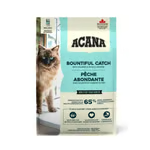
Rank 1: ACANA Bountiful Catch Cat Food — This formulation features wild-caught salmon, herring, and rainbow trout as primary protein sources. The material composition includes whole fish, organs, and bones. Additional ingredients consist of lentils, peas, and a variety of fruits and vegetables such as apples, pears, and pumpkin. The product is typically presented as a dry kibble, manufactured through an extrusion process. The protein content is specified at a certain percentage, alongside fat and fiber levels, as detailed on the product label. The ACANA cat food formulation is designed to be grain-free.
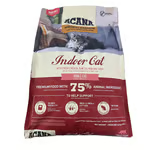
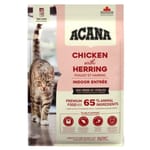
Rank 2: ACANA Indoor Entrée Cat Food — Characterized by a blend of fresh free-run chicken and turkey, alongside whole herring, this product utilizes poultry and fish as its main protein components. The ingredient list includes chicken liver, turkey giblets, and herring oil. Botanicals such as cranberries and collard greens are incorporated. The product takes the form of dry kibble, produced via standard extrusion methods. The nutrient profile includes specific percentages for crude protein, crude fat, and crude fiber, which are verifiable on the packaging. This ACANA cat food variant is also formulated without grains.
Rank 3: ACANA Grasslands Cat Food — This specific ACANA cat food product incorporates a multi-protein blend, including grass-fed lamb, duck, and rainbow trout. The material composition lists whole lamb, lamb liver, lamb tripe, duck, duck liver, and whole rainbow trout. Lentils, chickpeas, and various fruits and vegetables like butternut squash and spinach are also present. The structural form is dry kibble, manufactured using high-pressure cooking and shaping. The guaranteed analysis specifies the minimum crude protein, minimum crude fat, and maximum crude fiber content. The formulation is grain-free and designed to reflect regional ingredients.
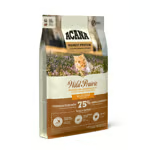
Rank 4: ACANA Wild Prairie Cat Food — Formulated with fresh chicken, turkey, and whole eggs, this ACANA cat food product emphasizes poultry and egg proteins. The ingredient list includes chicken liver, turkey giblets, and chicken cartilage. Plant-based components such as red lentils, green peas, and sun-cured alfalfa are included. The product is a dry kibble, produced through an extrusion process. The nutrient content, including protein, fat, and fiber percentages, is provided on the packaging. This ACANA cat food variant adheres to a grain-free formulation principle.
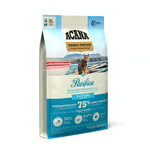
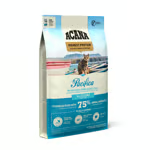
Rank 5: ACANA Pacifica Cat Food — This ACANA cat food product features a range of wild-caught fish as its primary protein sources, specifically herring, pilchard, flounder, hake, and rockfish. The material composition includes whole fish, fish oil, and diverse marine components. Lentils, peas, and a selection of fruits and vegetables such as pumpkin, apples, and pears are incorporated into the formula. The product is manufactured as dry kibble using standard extrusion techniques. The guaranteed analysis details the minimum crude protein, minimum crude fat, and maximum crude fiber percentages. This particular ACANA cat food is grain-free.
Verifiable Quality Standards and Labeling Norms for ACANA Cat Food
The manufacturing and labeling of ACANA cat food products adhere to specific verifiable quality standards and regulatory norms. In North America, these standards are primarily governed by the Association of American Feed Control Officials (AAFCO). AAFCO establishes ingredient definitions, labeling requirements, and nutritional adequacy standards for pet food. For instance, an ACANA cat food product labeled as "complete and balanced" must meet or exceed the nutrient profiles established by AAFCO for a particular life stage, such as growth and reproduction (for kittens and pregnant/lactating queens) or adult maintenance. Ingredient lists on ACANA cat food packaging are mandated to be presented in descending order by weight, providing transparency regarding the most abundant components. Terms such as "fresh" or "raw" when used for ingredients like meat, have specific definitions under regulatory guidelines, indicating the state of the ingredient prior to processing. Manufacturing facilities typically operate under Good Manufacturing Practices (GMPs), which are a set of guidelines ensuring products are consistently produced and controlled according to quality standards. Documentation norms include lot numbers for traceability, best-before dates, and contact information for the manufacturer. Claims regarding ingredient sourcing, such as "free-run" or "wild-caught," are subject to verification processes, though the specific auditing bodies may vary. The ACANA kitten food line also follows these stringent labeling and quality control measures, ensuring consistent product information for consumers. The overall framework aims to provide accurate and consistent information to consumers regarding the product's composition and nutritional intent.
Factual Insights Related to ACANA Cat Food
One verifiable factual insight regarding ACANA cat food is its formulation approach, which frequently emphasizes a high percentage of animal protein. This aligns with the understanding of feline nutritional requirements, where animal-derived ingredients provide essential amino acids such as taurine, which felines cannot synthesize in sufficient quantities. Taurine deficiency can lead to specific health conditions in cats. The inclusion of diverse animal proteins in ACANA cat food, often from multiple sources like poultry, fish, and red meat, aims to provide a broad spectrum of these necessary amino acids. Another factual insight pertains to the processing temperature of ACANA cat food. While specific temperatures vary by product and batch, dry kibble manufacturing generally involves high-temperature extrusion. This process is effective for pathogen reduction and starch gelatinization, which can improve carbohydrate digestibility. However, it can also lead to some denaturation of heat-sensitive nutrients, necessitating post-processing nutrient supplementation to ensure the product meets its guaranteed analysis. This balance between processing for safety and stability, and nutrient preservation, is a fundamental aspect of commercial pet food production. The ACANA official website frequently details these specific manufacturing practices and ingredient sourcing principles, providing transparent data points for consumers. Understanding these aspects provides a deeper comprehension of the product's characteristics.
This article has described the structural attributes, material composition, and usage context of ACANA cat food. The information presented has focused on verifiable, objective characteristics of the category, adhering strictly to factual descriptions without offering recommendations or comparative assessments.
......View All