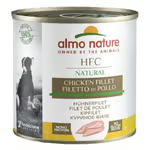
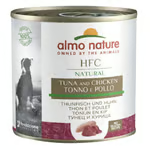
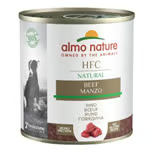
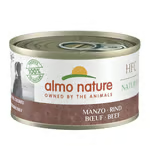
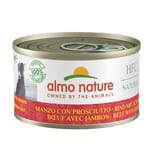
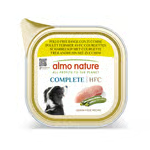
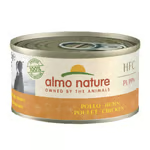
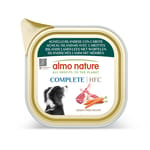
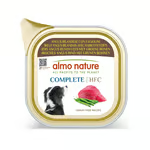
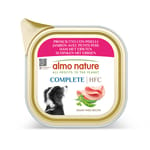
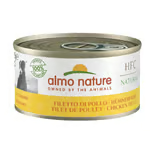
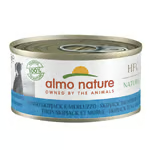
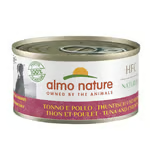
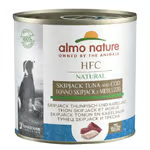
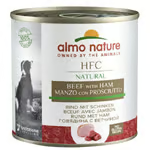
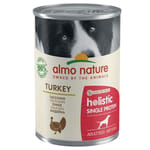
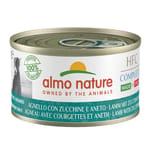
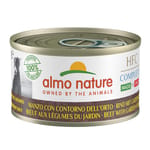
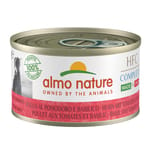
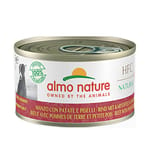
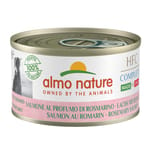
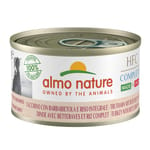
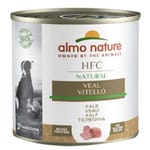
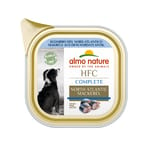
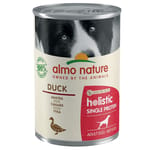
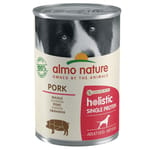
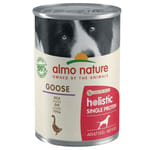
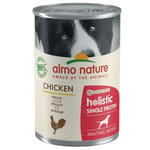
Almo Nature dog wet food offers various formulations, typically supplied in a moist form and often containing ingredients such as meat, fish, and other natural components. These canned products are designed to provide dogs with essential hydration and nutrients for their daily diet. The composition and texture of Almo Nature dog wet food are diverse, aiming to cater to different canine palates and dietary requirements. Common forms within the Almo Nature dog wet food range include chunks, shredded meat, or pâté, which can be served as a main meal or in conjunction with dry kibble. Consumers can select suitable products from the Almo Nature HFC series based on their dog's age, size, and specific needs. These products are typically packaged in sealed cans, facilitating storage and feeding while maintaining the quality and freshness of the contents.
Almo Nature wet dog food presents a distinct category within canine nutrition, characterized by its specific formulations and material sourcing for companion animals.
This article aims to describe the structural attributes, material composition, and usage context within this product category, without engaging in product recommendations or comparative evaluations of advantages.
Almo Nature Wet Dog Food: Classification by Product Line and Formulation
The Almo Nature wet dog food category is commonly differentiated in practical application through its primary product lines, which often reflect distinct formulation philosophies. One significant classification is based on the HFC (Human Food Chain) designation, indicating that the ingredients used are originally fit for human consumption. This designation provides a structural characteristic regarding ingredient quality standards. Another classification involves the "Complete" versus "Complementary" food types. Complete foods are formulated to provide all necessary nutrients for a balanced diet, while complementary foods are designed to be served alongside other food sources to supplement specific dietary needs. This distinction influences the intended usage and nutritional profile of each product within the Almo Nature wet dog food range. The HFC Natural line, for instance, typically emphasizes transparent ingredient lists focusing on single or limited protein sources. The structural attributes here relate directly to ingredient origin and processing transparency. Further subdivisions can occur based on life stage, such as puppy, adult, or senior formulations, although these are less prevalent in the wet food format compared to dry diets. The fundamental classification principles thus revolve around ingredient quality, nutritional completeness, and sometimes life-stage applicability for Almo Nature wet dog food.
Almo Nature Wet Dog Food: Material Composition and Processing Techniques
Material composition in Almo Nature wet dog food is a primary differentiating factor, particularly concerning protein sources and additional constituents. The HFC line, for example, frequently features muscle meats such as chicken fillet, tuna, or beef as primary ingredients, often preserved in their own cooking broth or a minimal amount of water. This approach aims to maintain the natural integrity of the ingredients. The processing technique typically involves gentle cooking methods, such as steaming, to preserve the nutritional value and texture of the raw materials. For instance, chicken fillet varieties of Almo Nature wet dog food are often prepared by steaming the chicken, which helps retain moisture and nutrients. Fish-based recipes might utilize wild-caught tuna or salmon, similarly processed to prevent extensive denaturation of proteins and fatty acids. Beyond muscle meat, certain formulations may incorporate organs or other animal derivatives, though the HFC designation typically limits these to human-grade standards. Vegetable additions, when present, are generally in small quantities and selected for their nutritional contribution, such as carrots or peas. The absence of artificial preservatives, colorings, and flavorings is a characteristic of many Almo Nature wet dog food products, relying instead on natural preservation methods like cooking and canning. The structural form of these products is typically shredded, flaked, or minced, suspended in a liquid medium, which can be broth or a gel. This structural characteristic impacts palatability and ease of consumption for dogs. The manufacturing process involves strict quality control checks at various stages, from raw material reception to final packaging, ensuring adherence to ingredient specifications for Almo Nature wet dog food.
Almo Nature Wet Dog Food: Properties Across Usage Environments
The properties of Almo Nature wet dog food exhibit variations depending on the environmental context of its usage. For instance, in environments requiring increased hydration, the high moisture content of wet food, typically ranging from 70% to 85%, becomes a significant property. This characteristic can contribute to a dog's overall fluid intake, which is particularly relevant in warmer climates or for dogs with specific health conditions requiring higher water consumption. The palatability of Almo Nature wet dog food, influenced by its texture and aroma, can also vary in different usage scenarios. In cases where a dog exhibits reduced appetite due to stress or illness, the strong aroma and soft texture of wet food may encourage consumption more effectively than dry kibble. The shelf stability of sealed Almo Nature wet dog food cans or pouches is another property relevant to usage environments. Unopened, these products maintain their quality for extended periods, making them suitable for storage in various household conditions, provided they are kept in a cool, dry place away from direct sunlight. Once opened, however, the product's properties change; it requires refrigeration and should be consumed within a specified timeframe, usually 24 to 48 hours, to prevent spoilage. This perishable nature post-opening necessitates consideration of portion control and storage practices. For dogs with dental sensitivities or missing teeth, the soft consistency of Almo Nature wet dog food offers a mastication-friendly option, reducing strain on the oral cavity. The HFC complete cat food considerations, while not directly related to dog food, highlight a general brand philosophy of ingredient quality that extends to their canine offerings, influencing perceived properties of trustworthiness and naturalness for Almo Nature wet dog food.
Almo Nature Wet Dog Food: Product Information Based on Sales Ranking
Rank 1: Almo Nature HFC Natural Chicken Fillet 95g — This product primarily consists of chicken fillet, indicating a high protein content derived from a single animal source. The ingredients are designated HFC, meaning they were originally fit for human consumption. It is typically presented in shredded or flaked form, suspended in a cooking broth, which contributes to its high moisture content. The 95g portion size is designed for single servings or as a supplement to a larger diet. The formulation avoids artificial additives, relying on the natural taste and nutritional profile of the chicken. This Almo Nature wet dog food is often characterized by its minimal ingredient list.
Rank 2: Almo Nature HFC Natural Skipjack Tuna + Cod 95g — This formulation combines two distinct fish protein sources: skipjack tuna and cod. Both ingredients are HFC certified. The product features ocean-sourced fish, providing a different amino acid profile compared to poultry-based options. It is typically prepared by gentle cooking and presented in a broth, maintaining a soft, palatable texture. The inclusion of two fish types offers a varied protein source. The 95g format aligns with single-serving or complementary feeding practices for Almo Nature wet dog food.
Rank 3: Almo Nature HFC Natural Chicken + Tuna 95g — This product blends chicken and tuna, offering a combination of land-animal and marine-animal protein sources. Both the chicken and tuna are HFC quality ingredients. The texture is generally a mix of shredded chicken and flaked tuna, immersed in a natural cooking liquid. This dual-protein approach provides a broader spectrum of amino acids. The 95g packaging indicates its suitability for individual meal portions or as an additive to dry food. This Almo Nature wet dog food variant emphasizes a diverse protein offering.
Rank 4: Almo Nature HFC Natural Beef 95g — Composed predominantly of beef, this product provides a red meat protein source. The beef component is HFC certified, ensuring its origin from human-grade sources. The texture is typically minced or finely shredded beef, prepared in its own broth. This single-protein formulation caters to dogs that may benefit from or prefer beef as their primary protein. The 95g unit size facilitates controlled feeding. The absence of artificial additives is a consistent characteristic of this Almo Nature wet dog food.
Rank 5: Almo Nature HFC Natural Beef + Ham 95g — This formulation combines beef with ham, introducing a cured meat component alongside the primary beef protein. Both ingredients are HFC quality. The product typically features a mix of shredded beef and small pieces of ham, presented in a natural liquid. The inclusion of ham introduces a distinct flavor profile and potentially different fat content compared to pure beef formulations. The 95g portion allows for precise dietary management. This Almo Nature wet dog food offers a variation on traditional red meat options.
Almo Nature Wet Dog Food: Quality Standards and Labeling Norms
Quality standards for Almo Nature wet dog food are primarily anchored by the HFC (Human Food Chain) designation. This certification signifies that the ingredients used in these products were originally deemed fit for human consumption prior to their inclusion in pet food. This contrasts with many pet food ingredients that are classified as "feed grade." The HFC standard therefore implies a higher baseline for ingredient sourcing and handling. Labeling transparency is a consistent characteristic across the Almo Nature wet dog food range. Product labels typically list ingredients in descending order by weight, providing clear information on the primary components. This includes specific animal protein sources, such as "chicken fillet" or "skipjack tuna," rather than generic terms like "meat and animal derivatives." The moisture content, crude protein, crude fat, crude fiber, and ash percentages are standard elements of the guaranteed analysis found on packaging, offering a nutritional breakdown. Furthermore, Almo Nature often provides information regarding the absence of artificial preservatives, colorings, and flavorings, which aligns with a natural ingredient philosophy. Documentation norms involve adherence to relevant pet food regulations in regions where the products are sold, such as those set by FEDIAF (European Pet Food Industry Federation) in Europe or AAFCO (Association of American Feed Control Officials) in North America, depending on the market. These regulations govern ingredient definitions, nutrient profiles, and labeling requirements. The "Almo Nature HFC" branding itself serves as a quality indicator, communicating the specific sourcing standard to consumers. This standardized approach to labeling and adherence to defined quality criteria allows for informed assessment of the material composition and intended nutritional contribution of Almo Nature wet dog food.
Almo Nature Wet Dog Food: Verifiable Factual Insights
One verifiable factual insight regarding Almo Nature wet dog food, particularly those with the HFC designation, is that the term "Human Food Chain" explicitly refers to the quality of the raw ingredients at the point of purchase by the manufacturer, not necessarily the final product's suitability for human consumption after processing for pet food. This distinction is crucial for understanding the HFC standard; it signifies a higher initial quality control for the raw materials, such as muscle meats, that could theoretically be sold in a grocery store for human use before being diverted to pet food production. The processing and formulation for pet consumption then tailor these ingredients to canine dietary needs. Another factual insight concerns the typical protein content in Almo Nature wet dog food. Due to the high moisture content of wet foods, the "as fed" protein percentage may appear lower than in dry kibble. However, when calculated on a "dry matter basis" (removing the water content), the protein concentration is often comparable to, or even higher than, many dry dog foods. For example, a wet food with 10% crude protein and 80% moisture has a dry matter protein content of 50% (10% / (1-0.80)). This calculation method provides a more accurate comparison of nutrient density across different food formats. The focus on single or limited protein sources in many Almo Nature wet dog food products also facilitates dietary management for dogs with specific protein sensitivities or allergies, allowing for easier identification and elimination of problematic ingredients. This structural approach to formulation is a direct consequence of the ingredient philosophy.
The preceding sections have systematically outlined the structure, material composition, processing methods, and quality standards associated with Almo Nature wet dog food, strictly adhering to objective description without offering recommendations or comparative evaluations of any kind.
......View All