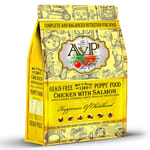
This category page features a selection of dog food products from various brands, including AVP Love Fortress Dog Food. These products are primarily designed to provide daily nutritional requirements for dogs, encompassing different forms of food such as dry kibble and wet food. Dog food formulations typically contain meat, grains, vegetables, and minerals, aiming to support canine growth and maintain physiological functions. AVP Love Fortress Dog Food, as one of the options, usually offers diverse formulas tailored to dogs' age, size, or specific needs. The dog food items listed on this page are intended to fulfill basic dietary requirements for dogs and are not formulated for specific health conditions. Consumers can choose suitable AVP dog food or other brand products based on their dogs' eating habits and owner preferences. For instance, some products may focus on providing a balanced nutritional ratio, while others might emphasize particular flavors or textures. This page solely presents product information and does not involve product efficacy or brand comparisons.
AVP dog food encompasses a range of formulations designed for canine nutrition, characterized by specific ingredient profiles and processing methods. These products typically consist of dry kibble, formulated to deliver a balanced dietary intake for dogs across various life stages and physiological requirements. The fundamental structure involves a blend of protein sources, carbohydrates, fats, vitamins, and minerals, proportioned to meet established canine nutritional guidelines.
This article aims to provide a structural and characteristic overview of the category, focusing on verifiable information regarding material composition, processing techniques, and labeling standards. It does not intend to recommend specific products or offer comparative advantages among different formulations within the AVP dog food range.
AVP Dog Food: Classifications by Life Stage and Dietary Profile
AVP dog food products are commonly divided based on the intended canine life stage and specific dietary considerations. Primary classifications include formulations for puppies, adult dogs, and sometimes senior dogs, each tailored to distinct metabolic and developmental needs. Puppy formulations, for example, typically feature higher protein and fat content to support rapid growth and development, alongside specific mineral ratios for bone formation. Adult dog food, conversely, is generally formulated for maintenance, providing adequate energy and nutrients for daily activity without promoting excessive weight gain. Beyond age-based distinctions, further classification can occur based on dietary profiles such as grain-free formulations, which exclude common cereal grains like wheat, corn, and soy, often substituting them with alternative carbohydrate sources like legumes or root vegetables. This structural division allows for targeted nutritional support based on a dog's age and specific dietary requirements, influencing the selection of raw materials and their quantitative inclusion in the final product. The manufacturing processes for each classification may also vary slightly to optimize nutrient availability and kibble texture appropriate for the target animal.
AVP Dog Food: Material Composition and Processing Techniques
The material composition of AVP dog food typically involves a primary protein source, carbohydrate components, fat sources, and a blend of micronutrients. Common protein sources include chicken, salmon, and cod, provided in various forms such as fresh meat, meat meal, or fish meal. Meat meals are rendered products, meaning they have been cooked to remove fat and water, resulting in a concentrated protein powder. Fish meals serve a similar purpose, offering protein and omega-3 fatty acids. Carbohydrate sources often include sweet potato, peas, or lentils, which provide dietary fiber and energy. Fats, essential for energy and nutrient absorption, are typically derived from poultry fat or fish oil. Vitamins and minerals are added to ensure a complete nutritional profile, often in chelated forms for improved bioavailability. The production of AVP dog food primarily utilizes extrusion, a process where ingredients are mixed, cooked under high pressure and temperature, and then forced through a die to form kibble. This method gelatinizes starches, improves digestibility, and sterilizes the product. Post-extrusion, the kibble is typically dried to a specific moisture content to prevent microbial growth and then coated with fats and flavor enhancers. The particle size and density of the kibble are controlled during extrusion to suit different dog sizes and chewing capabilities. Specialized processing techniques might also be employed to preserve heat-sensitive nutrients or enhance palatability, although the core method remains extrusion for dry AVP dog food products.
AVP Dog Food: Property Variation Across Usage Environments
The properties of AVP dog food, while intrinsically defined by its formulation, can exhibit varying practical implications depending on the usage environment and the specific needs of the canine consumer. For instance, the energy density of a specific AVP dog food formulation, determined by its fat and carbohydrate content, becomes particularly relevant in different activity levels. A dog in a high-activity environment, such as a working dog or an animal engaging in regular strenuous exercise, would require a formulation with a higher caloric density to meet its increased energy expenditure. Conversely, a less active or sedentary dog in a typical home environment would benefit from a lower-calorie formulation to prevent excessive weight gain. The protein content, another key characteristic of AVP dog food, also influences its suitability. Dogs recovering from illness or young, growing puppies generally benefit from higher protein levels to support tissue repair and development. Environmental humidity can also affect the physical properties of the kibble; in high humidity, dry kibble may absorb moisture, potentially altering its texture and increasing the risk of spoilage if not stored correctly. Storage conditions, including temperature fluctuations and exposure to air, can impact the stability of fats and vitamins within the AVP dog food, potentially leading to oxidative degradation over time. Therefore, while the intrinsic properties are fixed, their effective utility is modulated by external environmental factors and the specific physiological state of the dog.
AVP Dog Food: Product Characteristics from Sales Ranking
The following descriptions detail the material, formulation, and structural characteristics of AVP dog food products, presented according to their sales ranking. This information is derived from product specifications and does not include any recommendations or comparative evaluations of their efficacy.
Rank 1: AVP Dog Food Grain-Free Puppy Chicken Salmon Formula 4lb — This formulation is designed for young dogs, specifically puppies. Its grain-free nature indicates the absence of common cereal grains. The primary protein sources are chicken and salmon, suggesting a blend of avian and piscine proteins. The "formula" designation implies a specific balance of ingredients tailored for the developmental stage. The 4lb unit specifies the package weight.
Rank 2: AVP Dog Food Grain-Free Puppy Chicken Salmon Formula 12lb — This product shares the same material and formulation characteristics as the Rank 1 item, being a grain-free recipe for puppies with chicken and salmon as protein sources. The distinction lies solely in the package size, which is 12lb, indicating a larger volume of the identical product.
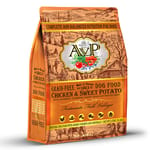
Rank 3: AVP Dog Food Grain-Free All Life Stages Chicken Sweet Potato Formula 5lb — This formulation is designated for "all life stages," meaning it is intended to meet the nutritional needs of dogs from puppyhood through adulthood. It is a grain-free product. The primary protein source is chicken, complemented by sweet potato as a carbohydrate source. The 5lb unit indicates the package weight.
Rank 4: AVP Dog Food Grain-Free All Life Stages Chicken Sweet Potato Formula 25lb — This product is identical in material composition and formulation to the Rank 3 item, being a grain-free, all life stages recipe featuring chicken and sweet potato. The difference is the package size, which is 25lb, representing a significantly larger quantity.
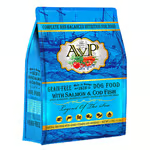
Rank 5: AVP Dog Food Grain-Free All Life Stages Salmon Cod Formula 5lb — This formulation is also designed for "all life stages" and is grain-free. The protein sources in this specific formula are salmon and cod, indicating a primary reliance on fish-derived proteins. The 5lb unit specifies the package weight for this particular AVP dog food offering.
AVP Dog Food: Quality Standards and Labeling Transparency
Quality standards for AVP dog food, as with most commercially produced pet foods, are typically governed by regulatory bodies and industry associations, which dictate guidelines for ingredient sourcing, manufacturing processes, and product labeling. In many regions, regulations require that pet food labels accurately declare all ingredients in descending order by weight, as well as guarantee analysis outlining minimum percentages of crude protein and crude fat, and maximum percentages of crude fiber and moisture. This transparency in labeling allows for an understanding of the product's nutritional profile. Specific standards may also exist for the quality of raw materials, such as requirements for human-grade ingredients or clearly defined terms for meat meals. Manufacturing facilities producing AVP dog food are often subject to inspections to ensure compliance with good manufacturing practices (GMPs), which cover aspects like hygiene, equipment maintenance, and process controls. Certifications from independent organizations, while not universally mandatory, can further indicate adherence to specific quality benchmarks, such as those related to ingredient traceability or sustainable sourcing. The "grain-free" claim, for example, necessitates that the formulation contains no cereal grains, a verifiable characteristic through ingredient lists. Such labeling norms and quality control mechanisms provide a framework for understanding the composition and safety parameters of AVP dog food products.
AVP Dog Food: Insights into Nutritional Science
One verifiable factual insight related to AVP dog food and similar dry pet foods concerns the process of nutrient bioavailability. While ingredients may contain specific nutrients, the actual amount absorbed and utilized by the dog's body can vary significantly based on factors like processing methods and the presence of anti-nutritional factors. For example, the extrusion process used in manufacturing AVP dog food can alter the structure of carbohydrates, making them more digestible, but it can also degrade certain heat-sensitive vitamins if not carefully managed. Another insight is related to the role of specific fatty acids. Omega-3 fatty acids, often sourced from fish in AVP dog food formulations, are essential for canine health, supporting skin, coat, and cognitive function. However, these fatty acids are highly susceptible to oxidation when exposed to air, light, or heat. Therefore, the packaging and storage conditions of AVP dog food play a crucial role in preserving the efficacy of these delicate nutrients over the product's shelf life. The inclusion rates and forms of these ingredients are precisely calibrated to account for potential losses during processing and storage, aiming to ensure that the final product delivers the intended nutritional benefit.
This article has presented an overview of AVP dog food, detailing its structural classifications, material components, processing methods, and relevant quality standards. The information provided is intended to describe the characteristics of the category based on objective parameters, without offering any form of guidance for selection or purchase decisions.
......View All