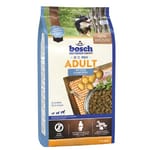
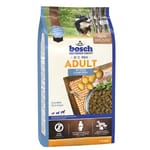
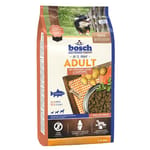
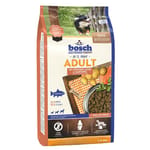
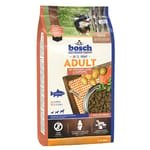
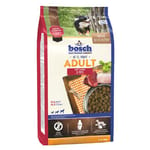
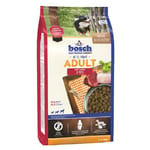
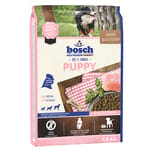
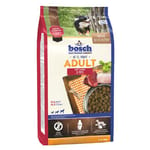
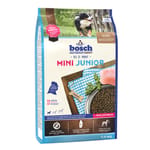
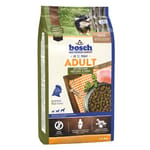
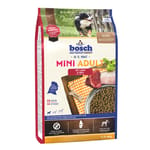
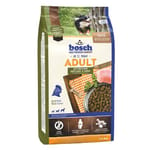
The Bosch dog food range comprises various canine feed products, primarily formulated to meet the needs of dogs across different ages, sizes, and activity levels. The ingredient composition of this product series encompasses diverse nutritional sources, aiming to supply dogs with the daily energy and essential nutrients they require. Bosch dog food typically comes in dry kibble form, facilitating convenient storage and feeding. Different formulations may contain proteins, fats, carbohydrates, vitamins, and minerals, all intended to support normal canine physiological functions. When selecting Bosch dog food, considerations can be made based on the dog's life stage (e.g., puppy, adult, senior) or specific requirements. This category page consolidates information on various Bosch dog food products, allowing users to easily access and understand the contents of different formulations. These products are designed to offer balanced dietary options for dogs, fulfilling their fundamental nutritional needs.
Bosch dog food constitutes a category of commercially prepared canine nutritional products, formulated to provide dietary sustenance for domestic dogs across various life stages and physiological requirements.
This article aims to describe the structural attributes, material composition, and usage contexts within the Bosch dog food category, focusing exclusively on objective classification rather than product recommendations or comparative evaluations.
Bosch Dog Food: Classification by Life Stage and Breed Size
The Bosch dog food product line is typically segmented based on the life stage of the canine and, in some instances, by breed size. This classification system addresses the differing nutritional demands that dogs exhibit as they mature from puppyhood through adulthood and into their senior years. Puppies, for example, require higher energy and protein levels to support rapid growth and development, whereas adult dogs require a balanced diet for maintenance. Furthermore, specific formulations often exist for small breed dogs, medium breed dogs, and large breed dogs, reflecting variations in metabolic rates, digestive system sensitivities, and considerations for skeletal development. Small breed dogs may benefit from smaller kibble sizes and denser caloric content due to their higher metabolism. Conversely, large breed formulations often contain nutrients aimed at supporting joint health and managing growth rates to prevent orthopedic issues. These distinctions in Bosch dog food formulations are grounded in veterinary nutritional science, ensuring that each product targets specific physiological needs.
Bosch Dog Food: Material Composition and Formulation Methods
The material composition of Bosch dog food formulations is characterized by a blend of protein sources, carbohydrates, fats, vitamins, and minerals. Protein sources commonly include poultry (such as chicken or turkey), lamb, and fish, providing essential amino acids for muscle development and repair. Carbohydrates, often derived from grains like rice, corn, or millet, serve as primary energy sources. Fats, typically from poultry fat or vegetable oils, contribute concentrated energy and essential fatty acids for skin and coat health. The formulation methods employed in Bosch dog food production involve precise blending and extrusion processes. Ingredients are ground, mixed according to specific recipes, and then cooked under high pressure and temperature to produce kibble. This extrusion process gelatinizes starches, making them more digestible, and also helps to eliminate potential pathogens. Post-extrusion, the kibble is dried, coated with palatability enhancers and sometimes additional nutrients, and then packaged. The careful selection of raw materials and the controlled manufacturing processes are central to defining the characteristics of Bosch dog food products.
Bosch Dog Food: Properties Across Usage Environments
The properties of Bosch dog food formulations are designed to maintain their integrity and nutritional value across various usage environments and storage conditions. Dry kibble, the predominant form of Bosch dog food, possesses a low moisture content, which contributes to its extended shelf life when stored properly. Ideal storage conditions involve a cool, dry place, sealed in its original packaging or an airtight container to prevent oxidation and moisture absorption. Exposure to high humidity or fluctuating temperatures can compromise the texture and nutritional stability of Bosch dog food over time. Furthermore, the physical properties of the kibble, such as its density and hardness, are engineered to withstand typical handling and transportation without excessive crumbling, thereby preserving portion accuracy and palatability. The stability of the nutrient profile in various ambient conditions is a consequence of both the ingredient selection and the manufacturing process, ensuring that the intended nutritional delivery of Bosch dog food remains consistent for the duration of its indicated shelf life.
Bosch Dog Food: Product Characteristics Based on Sales Ranking
Rank 1: Bosch Dog Food Puppy Milk Replacer Formula 7.5kg — This formulation is specifically designed for puppies during the weaning period. Its material composition includes easily digestible proteins and a balanced fat content, mirroring aspects of maternal milk to support the transition from liquid to solid food. The structure is typically a small, easily rehydratable kibble, facilitating consumption by young puppies. Nutritional components are adjusted for rapid growth and immune system development.
Rank 2: Bosch Dog Food Puppy Small Breed Formula 3kg — This product is tailored for small breed puppies. The kibble size is reduced to accommodate smaller mouths and digestive systems. The material composition features a higher caloric density per gram compared to formulations for larger breeds, addressing the elevated metabolic rates characteristic of small breed puppies. Protein and fat levels are optimized for growth requirements specific to smaller canine types within the Bosch dog food range.
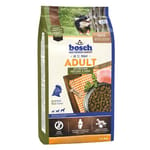
Rank 3: Bosch Dog Food Adult Small Breed Formula Lamb and Rice 3kg — Formulated for adult dogs of small breeds, this Bosch dog food variant utilizes lamb as a primary protein source and rice as a carbohydrate source. The kibble maintains a small size for appropriate oral consumption. The nutritional profile is balanced for the maintenance energy requirements of adult small breed dogs, with protein and fat levels supporting lean muscle mass and overall health. The specific ingredient combination of lamb and rice is often selected for its digestibility characteristics.
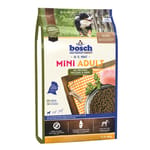
Rank 4: Bosch Dog Food Adult Small Breed Formula Chicken + Turkey and Millet 3kg — This Bosch dog food formulation for adult small breeds incorporates a blend of chicken and turkey as protein sources, complemented by millet as a carbohydrate. The kibble size remains suitable for small breed consumption. The nutritional composition supports the energy and maintenance needs of adult small dogs, with the poultry and millet combination providing a distinct protein and carbohydrate profile. This formulation offers an alternative protein source within the small breed adult category.
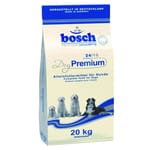
Rank 5: Bosch Dog Food Premium Dog Food 20kg — This offering represents a general-purpose Bosch dog food for adult dogs. The material composition is designed to provide comprehensive nutrition for a broad range of adult canines, without specific breed size or life stage specialization beyond adulthood. The kibble size is typically standard for adult dogs. The formulation aims to deliver a balanced diet for daily maintenance, including essential proteins, fats, carbohydrates, vitamins, and minerals. This bulk packaging size is common for general adult dog sustenance.
Bosch Dog Food: Quality Standards and Labeling Transparency
The quality standards for Bosch dog food adhere to established regulatory guidelines for pet food production. These guidelines dictate aspects such as ingredient sourcing, manufacturing processes, and final product composition. Labeling transparency is a key characteristic, with product packaging typically providing a detailed ingredient list. Ingredients are usually listed in descending order by weight, allowing consumers to identify the primary components. Nutritional analysis, often presented as a guaranteed analysis, specifies minimum percentages for crude protein and crude fat, and maximum percentages for crude fiber and moisture. These values provide objective data regarding the macronutrient content of the Bosch dog food. Furthermore, claims regarding specific nutrient levels, such as omega fatty acids or glucosamine, are often substantiated. Manufacturing facilities typically operate under quality management systems, and compliance with relevant national or international pet food standards is a verifiable attribute of Bosch dog food products. Batch numbers and expiration dates are standard on packaging, enabling traceability and ensuring product freshness.
Bosch Dog Food: Factual Insights
One verifiable factual insight regarding Bosch dog food, and dry dog food in general, is that the extrusion process significantly alters the starch structure in grains, rendering them more digestible for dogs. During extrusion, high heat and pressure convert complex carbohydrates into simpler forms, a process known as gelatinization. This physical and chemical modification increases the bioavailability of energy from carbohydrate sources in Bosch dog food. Another factual insight relates to the moisture content. Dry Bosch dog food typically contains between 6% and 10% moisture, which is substantially lower than wet dog food formulations. This low moisture content is a critical factor in inhibiting microbial growth, thereby extending the shelf life of the product without requiring extensive refrigeration or preservatives beyond what is common in dry food manufacturing. The controlled moisture level in Bosch dog food contributes directly to its stability and safety during storage and distribution.
This document has provided a classification-focused overview of Bosch dog food, detailing its structural attributes, material composition, and characteristic variations. The objective has been to present verifiable information without engaging in product promotion or offering selection guidance.
......View All