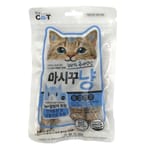
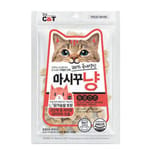
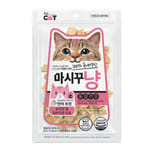
Cat treats by CAT encompass various forms, designed to offer felines additional nutritional supplements or serve as rewards. These products include common types like churu cat treats, purees, freeze-dried treats, biscuits, and dental treats, each varying in texture, ingredients, and flavor. The design of cat treats often considers the cat's dietary preferences and chewing habits, with some products potentially containing added vitamins or minerals. Cat treats by CAT available in the market originate from diverse countries and brands, such as popular Japanese cat treats, offering a wide array of choices. Consumers can select suitable cat treats by CAT based on their cat's age, size, activity level, and specific requirements, to complement their daily diet. These treats are typically sold in packaged forms for convenient storage and feeding. This category of treats should not replace main meals but rather be used as snacks between meals or as training rewards.
Cat treats encompass a diverse range of supplementary food items designed for feline consumption, primarily serving as rewards, training aids, or occasional dietary additions rather than complete nutritional sources.
This article aims to describe the structural characteristics, material compositions, and classification methods within the cat treats category. Its purpose is to provide verifiable, objective information without recommending specific products or comparing their advantages.
Classifications of Cat Treats
Cat treats are commonly divided in practical use and supply contexts based on their physical form, processing method, and intended function. One primary classification distinguishes between wet and dry cat treats. Wet treats often include purees, pastes, or morsels in gravy, characterized by high moisture content. Dry cat treats, conversely, exhibit low moisture levels and typically present as crunchy biscuits, freeze-dried pieces, or jerky-like strips. Further sub-classifications emerge within these broad categories. For instance, dental cat treats are formulated with specific textures or ingredients to support oral hygiene, while functional cat treats incorporate additional components like prebiotics, joint support compounds, or hairball control agents. The structural integrity and shelf stability of these various forms are direct consequences of their processing techniques and ingredient ratios. Understanding these distinctions is fundamental to comprehending the overall landscape of cat treats available in the market.
Material Composition and Processing Techniques for Cat Treats
The differences in material composition, structural forms, formulation methods, and processing techniques are central to defining various types of cat treats. Ingredients typically include a primary protein source, such as chicken, fish, or beef, often supplemented with fats, carbohydrates, vitamins, and minerals. The choice of protein source significantly influences the treat's palatability and nutritional profile. For example, freeze-dried cat treats commonly utilize raw or lightly cooked single-ingredient proteins, which are then subjected to a sublimation process to remove moisture while retaining much of the original nutrient content and structure. This method results in a light, porous texture. In contrast, extruded cat treats, often seen as crunchy biscuits, involve mixing ingredients into a dough, forcing it through a die under high pressure and temperature, and then baking or drying it. This process alters the molecular structure of starches and proteins, creating a uniform, dense product. Paste-form cat treats, frequently packaged in tubes or sachets, combine finely ground proteins with emulsifiers, gelling agents, and water to achieve a smooth, semi-liquid consistency. The moisture content in these products is substantially higher than in dry varieties. The selection of binding agents, such as starches or gums, is critical for maintaining the structural integrity of many processed cat treats, influencing their texture and chewability. Flavor enhancers and preservatives are also incorporated, adhering to established safety standards, to ensure product appeal and shelf stability. Each processing technique imparts distinct physical and chemical characteristics to the final cat treats.
Usage Environments and Conditions for Cat Treats
The properties of cat treats may vary across different usage environments or conditions, largely due to factors such as ambient temperature, humidity, and storage protocols. For instance, freeze-dried cat treats are highly susceptible to moisture absorption if exposed to humid air for extended periods, which can compromise their texture and potentially lead to spoilage. Their porous structure allows for rapid rehydration, which can be advantageous if a softer texture is desired before feeding, but detrimental if unintended. Dry, crunchy cat treats are generally more resilient to environmental fluctuations than wet or semi-moist varieties, maintaining their structural integrity and crispness in a wider range of conditions. However, prolonged exposure to high temperatures can lead to fat oxidation, affecting palatability and shelf life. Paste or pureed cat treats, by virtue of their high moisture content, require specific storage conditions, typically refrigeration after opening, to prevent microbial growth. The packaging of cat treats is designed to mitigate these environmental impacts; airtight seals, opaque materials, and moisture barriers are common features. The effectiveness of these packaging solutions directly influences the product's stability and freshness over its stated shelf life. Understanding these environmental interactions is crucial for maintaining the intended characteristics of cat treats from the point of purchase to consumption.
Product Characteristics of Cat Treats from Sales Ranking
Rank 1: by CAT Freeze-Dried Cat Treats Capelin 17g — This product consists of whole capelin fish that have undergone a freeze-drying process. The material composition is primarily dehydrated capelin, a small forage fish. The freeze-drying method removes water content through sublimation, preserving the original cellular structure and nutrient profile of the fish while imparting a light, porous, and brittle texture. The structural characteristics include intact fish forms, which are easily broken into smaller pieces. The absence of additional binders or fillers ensures a single-ingredient composition.
Rank 2: by CAT Freeze-Dried Cat Treats Chicken Breast 25g — This item features chicken breast as its sole ingredient, processed via freeze-drying. The material is 100% chicken breast, which is a lean protein source. The freeze-drying technique removes moisture, resulting in a product with a low water activity level. Structurally, the chicken breast pieces retain their fibrous texture, though they become brittle and readily crumble. The processing aims to maintain the inherent nutritional properties of the raw chicken. These cat treats do not contain added grains, artificial colors, or preservatives.
Rank 3: by CAT Freeze-Dried Cat Treats Salmon 23g — Comprising entirely of salmon, this product also utilizes freeze-drying technology. The material composition is solely salmon, a fish known for its omega-3 fatty acid content. The freeze-drying process dehydrates the salmon pieces, yielding a product that is lightweight and easily fractured. Its structural form reflects the original cut of salmon, presenting as flaky, dry pieces. The manufacturing method focuses on minimal processing to retain the natural characteristics of the salmon. This type of cat treats adheres to a single-ingredient formulation.
Quality Standards and Labeling for Cat Treats
Verifiable quality standards, labeling transparency, and documentation norms are integral to the cat treats industry. Regulatory bodies in various regions establish guidelines for pet food manufacturing, encompassing ingredient sourcing, processing, and final product composition. For example, in the United States, the Association of American Feed Control Officials (AAFCO) provides model regulations that many states adopt, which dictate requirements for ingredient definitions, guaranteed analysis, and proper labeling. A "guaranteed analysis" on cat treats labels specifies the minimum percentages of crude protein and crude fat, and maximum percentages of crude fiber and moisture. This provides objective data on the macronutrient content. Ingredient lists are typically presented in descending order by weight, offering transparency regarding the primary components. Manufacturing facilities often adhere to Good Manufacturing Practices (GMPs), which are a set of guidelines ensuring products are consistently produced and controlled according to quality standards appropriate for their intended use. Certifications from independent organizations, though not universally mandatory, can further indicate adherence to specific quality or safety protocols. For instance, some cat treats might carry certifications for organic ingredients or sustainable sourcing. Documentation norms frequently include batch numbers, production dates, and best-by dates, which are essential for traceability and quality control. The presence of clear, unambiguous labeling regarding ingredients, nutritional information, and storage instructions is a standard expectation for cat treats, enabling informed evaluation by consumers. Adherence to these standards ensures a baseline level of product consistency and safety in the cat treats sector.
Factual Insights into Cat Treats
One verifiable factual insight regarding cat treats pertains to their caloric density. Despite their small size, many cat treats can be surprisingly calorie-dense due to their concentrated ingredient profile, particularly those high in fats or proteins. For example, a single small freeze-dried chicken piece, while appearing insubstantial, may contain a significant number of calories relative to a cat's daily caloric requirement. This density is a direct result of the processing methods that remove water, concentrating the caloric value of the remaining dry matter. Another verifiable factual insight concerns the role of texture in cat treats. The physical structure and hardness of a treat can directly influence its interaction with a cat's dental hygiene. Harder, abrasive cat treats are sometimes specifically formulated and designed to help reduce plaque and tartar buildup through mechanical action during chewing. Conversely, softer, pureed cat treats offer no such mechanical benefit and are primarily consumed for their palatability and ease of ingestion. The material properties, such as brittleness or chewiness, are engineered during manufacturing to achieve these specific textural outcomes. These insights highlight the objective characteristics of cat treats beyond their simple function as rewards.
Cat treats represent a defined category of supplementary feline food items, characterized by distinct material compositions, structural forms, and processing methodologies. Their properties are influenced by manufacturing techniques and environmental factors. Labeling and quality standards provide verifiable information regarding their content and production. This overview provides a structural understanding of cat treats.
......View All