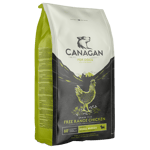
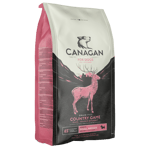
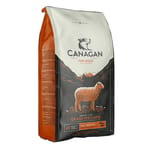
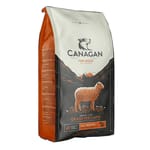
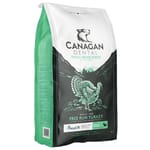
The CANAGAN dog food range offers a variety of formulations designed to meet the nutritional requirements of different dogs. This product line includes various flavors and forms, such as dry kibble and wet canned food, suitable for dogs at different life stages. The composition of CANAGAN dog food primarily focuses on providing balanced protein, fat, carbohydrates, and vitamins. When selecting CANAGAN dog food, owners can choose based on their dog's age, weight, and specific dietary preferences. In addition to common dry food options, the brand also offers wet food products like CANAGAN dog wet food, which can be used as a main meal or as a supplement to dry food. This category page compiles CANAGAN dog food products of various sizes and formulations, allowing users to easily browse. Product packaging typically displays detailed ingredient lists and nutritional analyses for owner reference. This category aims to showcase the diversity of CANAGAN dog food products, providing comprehensive product information.
The category of Canagan dog food encompasses a range of dietary products formulated for canine consumption, primarily in dry kibble and wet canned forms, designed to provide comprehensive nutrition.
This article aims to describe the structural attributes, material composition, and usage contexts within this category, without engaging in product recommendations or comparative evaluations of advantages.
Canagan Dog Food: Classification by Formulation Type
Canagan dog food is commonly divided based on its primary formulation type, which dictates both its physical form and its typical application. The two predominant categories are dry kibble and wet canned food. Dry kibble, also known as dry dog food, is characterized by its low moisture content, typically ranging from 6% to 10%. This low moisture level contributes to its extended shelf life and facilitates easier storage. Kibble products are typically manufactured through an extrusion process, where ingredients are mixed, cooked under high pressure and temperature, and then shaped into distinct pieces. Variations within dry kibble often include different kibble sizes, such as small bite-sized pieces for smaller breeds or larger pieces for standard-sized dogs. These size distinctions are primarily functional, intended to suit the oral mechanics of various dog sizes. Furthermore, dry formulations can be classified by their specific dietary focus, such as grain-free options, which exclude common cereal grains like corn, wheat, and soy, or those tailored for specific life stages, though this article focuses on broader material and structural differences rather than life-stage-specific nutritional profiles. The ingredients within dry Canagan dog food typically include a primary protein source, vegetables, fruits, and supplemental vitamins and minerals.
Wet canned dog food, in contrast, features a significantly higher moisture content, often exceeding 70%. This higher moisture level contributes to a different texture and palatability profile. Canned products are created by combining ingredients, often including meat, vegetables, and broths, into a mixture that is then sealed in cans and subjected to high-temperature sterilization. This sterilization process ensures product safety and extends shelf life without refrigeration until opened. Wet Canagan dog food formulations can vary in consistency, from pâté-like textures to chunkier stews or gravies, depending on the specific ingredients and processing methods. The primary differentiation among wet products often revolves around the type of protein source utilized and the inclusion of specific vegetables or other functional ingredients. Both dry and wet forms of Canagan dog food are designed to provide complete and balanced nutrition, adhering to established dietary guidelines for dogs. The choice between these two forms is often dictated by storage considerations, feeding preferences, and specific dietary requirements, though the nutritional completeness is a shared characteristic across both categories.
Canagan Dog Food: Material Composition and Processing Techniques
The material composition and processing techniques employed in the production of Canagan dog food are fundamental to understanding its structural attributes. A primary characteristic across many Canagan dog food formulations is the emphasis on high-quality protein sources. These often include various animal proteins such as chicken, turkey, lamb, duck, and venison. The specific type and proportion of protein source are critical components of the nutritional profile. For instance, formulations featuring "pasture-fed lamb" indicate a specific sourcing of the protein, which can influence the fatty acid profile and overall nutrient density. The processing of these protein sources can vary; some formulations utilize fresh, deboned meat, while others may incorporate dried meat meals. Meat meals are rendered products where moisture and fat have been removed, resulting in a concentrated protein source. The inclusion of these different forms of protein impacts both the manufacturing process and the final nutritional characteristics of the Canagan dog food.
Beyond protein, other significant material components in Canagan dog food include carbohydrates, fats, vitamins, and minerals. Carbohydrate sources in grain-free formulations typically include sweet potatoes, potatoes, and peas. These ingredients provide dietary fiber and energy. Sweet potatoes, for example, are known for their complex carbohydrate content and relatively high fiber levels. Fats are usually derived from animal sources, such as chicken fat, or plant-based oils like sunflower oil or flaxseed oil, providing essential fatty acids and energy. The quality and type of fat are important for skin and coat health, among other physiological functions. Vitamins and minerals are added to ensure the product meets complete and balanced nutritional standards. These are often included as a pre-mix to ensure precise levels are present in each batch of Canagan dog food. The manufacturing process for dry kibble involves several stages: ingredient grinding, mixing, conditioning, extrusion, drying, and coating. Extrusion, a high-heat, high-pressure process, shapes the dough-like mixture into kibble pieces while cooking the ingredients. Following extrusion, the kibble is dried to achieve the desired moisture content and then typically coated with fats and palatants to enhance its appeal. For wet canned Canagan dog food, the process involves ingredient preparation, mixing, filling into cans, sealing, and then retorting (sterilization under high heat and pressure). This retorting process cooks the ingredients within the sealed can, ensuring microbial safety and extending shelf life. The specific cooking temperatures and durations are carefully controlled to maintain nutrient integrity while achieving sterility. The structural integrity of the final product, whether a firm kibble or a moist canned food, is a direct result of these material selections and processing techniques.
Canagan Dog Food: Properties Across Usage Environments
The properties of Canagan dog food can exhibit variations across different usage environments or conditions, primarily concerning its stability, palatability retention, and physical integrity. Dry kibble, for example, is inherently more stable in ambient conditions due to its low moisture content. When stored in a cool, dry place and in an airtight container, dry Canagan dog food can maintain its nutritional value and sensory attributes for an extended period, typically several months after opening the package. Exposure to high humidity or fluctuating temperatures can, however, lead to degradation. High humidity can introduce moisture into the kibble, potentially leading to mold growth or spoilage, while temperature fluctuations can accelerate the oxidation of fats, resulting in rancidity. The physical structure of dry kibble, being hard and dense, also contributes to its resistance to crumbling during handling and transportation, provided it is stored and transported appropriately. This robustness makes dry kibble suitable for environments where portability and long-term storage without refrigeration are priorities.
Conversely, wet Canagan dog food presents different considerations regarding usage environments. Once a can of wet food is opened, its high moisture content makes it susceptible to rapid microbial growth. Therefore, opened wet food requires immediate refrigeration to prevent spoilage and should typically be consumed within a few days. Unopened cans, due to the sterilization process, are shelf-stable at ambient temperatures for much longer periods, often years, as indicated by their best-by dates. However, extreme temperatures, either very high or freezing, can affect the texture and palatability of the product. Freezing can alter the consistency of the food, potentially separating its components, while prolonged exposure to high heat can degrade certain heat-sensitive nutrients. The physical form of wet Canagan dog food, ranging from pâtés to stews, is generally less resistant to physical deformation outside of its container compared to dry kibble. Its soft texture means it can be easily spread or mixed, which can be advantageous in certain feeding scenarios but also means it is not suitable for free-feeding in environments where it might be left exposed for extended periods. The selection of Canagan dog food, whether dry or wet, therefore involves consideration of the specific environmental conditions under which it will be stored and served, to maintain its intended nutritional and physical properties.
Canagan Dog Food: Product Characteristics from Sales Ranking
Based on the provided sales ranking, specific material, formulation, and structural characteristics of popular Canagan dog food products can be observed. This section details these attributes for each ranked product, focusing strictly on verifiable information without making recommendations or comparisons.
Rank 1: Canagan Grain-Free Dog Food Country Game Recipe Small Breed 6kg
This Canagan dog food product is characterized by its grain-free formulation, indicating the absence of common cereal grains. The "Country Game Recipe" suggests a blend of protein sources, typically including duck, venison, and rabbit, which are considered novel proteins for some dogs. The "Small Breed" designation implies a smaller kibble size, designed to accommodate the oral structure and chewing capabilities of smaller dog breeds. The 6kg packaging indicates a standard bulk size for regular feeding. The primary material composition includes a high proportion of animal protein and a significant amount of vegetables and botanicals, such as sweet potato, peas, and various herbs. The structural characteristic is a dry kibble, produced through an extrusion process, resulting in uniform, small-sized pieces. The formulation emphasizes natural ingredients and a nutrient profile intended to support the energy requirements of active small dogs.
Rank 2: Canagan Grain-Free Dog Food Pasture-Fed Lamb Standard Kibble 12kg
This Canagan dog food variant is also grain-free, focusing on pasture-fed lamb as its primary protein source. The term "Pasture-Fed Lamb" denotes a specific sourcing practice for the lamb, implying a diet rich in natural forage for the animals. "Standard Kibble" refers to a typical kibble size, suitable for a broad range of adult dog breeds, larger than the small breed variant. The 12kg packaging is a larger bulk option, often chosen for larger dogs or multi-dog households. The material composition prominently features lamb meat and lamb meal, supplemented with sweet potato, peas, and a blend of fruits and vegetables. The structural characteristic is a dry, extruded kibble with a moderate density, designed for general adult canine consumption. The formulation is crafted to provide a balanced diet with a single animal protein source for dogs that may benefit from reduced protein variety.
Rank 3: Canagan Grain-Free Dog Food Country Game Recipe Small Breed 2kg
Similar to the Rank 1 product, this Canagan dog food is a grain-free "Country Game Recipe" specifically for small breeds. The key difference lies in the packaging size, which is 2kg. This smaller package is often selected for trial purposes, for very small dogs, or for situations where freshness over a longer period is prioritized due to lower consumption rates. The material composition and structural characteristics are identical to the 6kg version of the same recipe: a blend of game meats, vegetables, and botanicals, formed into small, dry kibble pieces through extrusion. The formulation is consistent across different package sizes for the same product variant, maintaining the intended nutritional profile for small breed dogs.
Rank 4: Canagan Grain-Free Dog Food Country Game Recipe Standard Kibble 6kg
This Canagan dog food product shares the "Country Game Recipe" and grain-free attributes with the small breed counterparts but features "Standard Kibble" size. This means the individual kibble pieces are larger, suitable for a wider range of adult dogs that do not require specialized small-sized kibble. The 6kg packaging is a common intermediate size. The material composition includes multiple game meat proteins (e.g., duck, venison, rabbit), sweet potato, peas, and a curated selection of fruits, vegetables, and botanicals. The structural form is a dry, extruded kibble, characterized by its consistent texture and density. This formulation aims to provide a rich and varied protein source within a grain-free framework for general adult dog consumption.
Rank 5: Canagan Grain-Free Dog Food Turkey Dental Recipe Small Breed 6kg
This Canagan dog food is a grain-free formulation with a "Turkey Dental Recipe," specifically designed for small breeds. The "Dental Recipe" indicates that the kibble's physical structure or specific ingredients are intended to support dental health, potentially through abrasive action during chewing or the inclusion of specific compounds, though the article avoids claims of efficacy. The primary protein source is turkey. The "Small Breed" designation again refers to the reduced kibble size. The 6kg packaging is a standard size. The material composition focuses on turkey meat and turkey meal, complemented by sweet potato, peas, and other ingredients that contribute to the dental aspect, such as specific fibers or textural elements. The structural characteristic is a dry, extruded kibble, with a shape and density potentially optimized for mechanical cleaning of teeth during mastication. This Canagan dog food variant provides a single-source animal protein within a grain-free, small-kibble format, with an additional structural property intended for dental support.
Canagan Dog Food: Quality Standards and Labeling Norms
The quality standards and labeling norms associated with Canagan dog food are governed by various regulatory bodies and industry guidelines, ensuring transparency and adherence to nutritional requirements. In regions like the European Union, pet food products, including Canagan dog food, must comply with specific regulations regarding ingredient sourcing, manufacturing processes, and labeling accuracy. These regulations mandate that products provide a complete and balanced diet for the intended animal species and life stage, or be clearly labeled as a complementary feed. The term "complete feed" signifies that the product alone is sufficient to meet all the nutritional requirements of a dog when fed according to instructions, without needing additional supplementation. This is a fundamental classification on pet food labels.
Labeling transparency is a key aspect of these standards. A Canagan dog food label typically includes a guaranteed analysis, which provides minimum percentages for crude protein and crude fat, and maximum percentages for crude fiber and moisture. These values offer a factual overview of the product's macronutrient composition. Ingredients are listed in descending order by weight before processing, allowing consumers to identify the most abundant components. For example, if "fresh chicken" is listed first, it indicates that chicken constitutes the largest proportion of the raw ingredients. Specific claims, such as "grain-free," must be verifiable through the ingredient list. The absence of common cereal grains like wheat, corn, and soy should be evident. Similarly, terms like "natural" are often defined by regulatory bodies, generally meaning ingredients have not been chemically processed or contain artificial additives. The manufacturing process itself is subject to quality control measures, often including Hazard Analysis and Critical Control Points (HACCP) principles, to ensure product safety and consistency. Documentation norms extend to batch codes, which allow for traceability of ingredients and finished products, and best-before dates, indicating the period during which the product maintains its optimal nutritional value and quality under proper storage conditions. Compliance with these standards and norms provides a verifiable framework for understanding the composition and quality control measures applied to Canagan dog food.
Canagan Dog Food: Verifiable Factual Insights
One verifiable factual insight regarding Canagan dog food formulations pertains to the historical shift towards grain-free diets in many premium pet food brands. The movement to grain-free Canagan dog food, and similar products, emerged from a consumer perception that grains were common allergens or difficult for dogs to digest, leading to a reformulation trend in the pet food industry during the early 21st century. While the scientific evidence regarding widespread grain allergies in dogs is less conclusive than often perceived, the market response led to a significant increase in products substituting traditional grains with alternative carbohydrate sources like sweet potatoes, peas, and lentils. This reformulation required adjustments in ingredient sourcing and manufacturing processes to ensure nutritional completeness and palatability. The structural integrity of kibble made with these alternative carbohydrates, for instance, often requires different binding agents or processing parameters compared to grain-based kibble, to achieve a consistent texture and density. This shift represents a material composition change driven by market demand and consumer preferences, rather than a direct, universally established veterinary requirement, though it is a distinct characteristic of many Canagan dog food products.
Another factual insight relates to the energy density of dry versus wet Canagan dog food. Dry kibble, due to its low moisture content, possesses a significantly higher caloric density per unit of weight compared to wet canned food. For example, a typical dry Canagan dog food might contain approximately 350-400 kilocalories per 100 grams, whereas a wet Canagan dog food might range from 80-120 kilocalories per 100 grams. This difference in energy density is a direct consequence of the water content. Water, having no caloric value, dilutes the energy concentration in wet foods. This material characteristic has implications for feeding guidelines and portion control; a smaller volume of dry food provides equivalent energy to a much larger volume of wet food. This distinction is a fundamental physical property inherent to the moisture content of the two forms and is consistently observed across all brands, including Canagan dog food, based on their respective moisture levels. The processing methods (extrusion for dry, retorting for wet) are designed to achieve these distinct moisture profiles, thereby dictating their energy concentrations.
The Canagan dog food category comprises various formulations characterized by their material composition, structural forms, and processing methods, all adhering to specific quality and labeling standards.
......View All