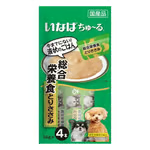
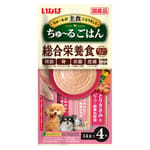
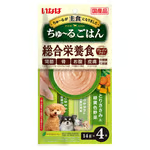
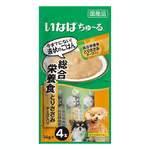
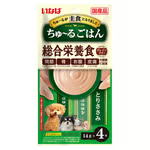
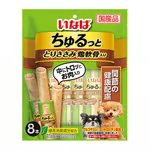
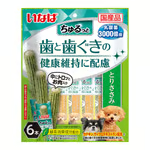
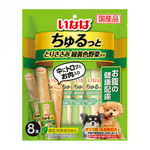
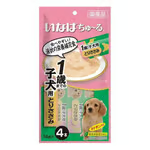
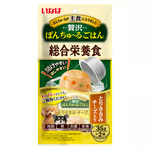
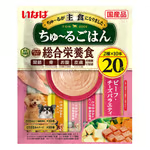
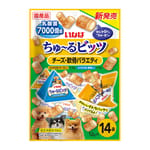
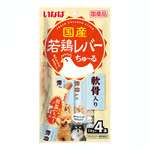
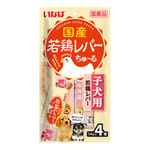
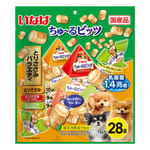
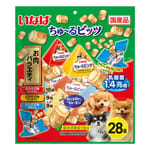
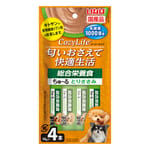
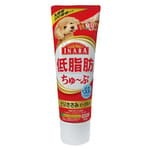
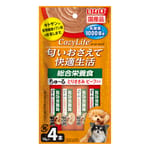
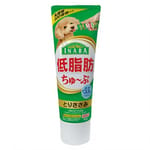
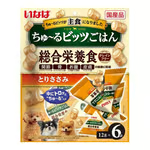
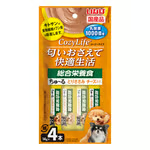
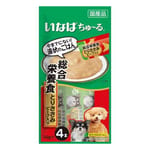
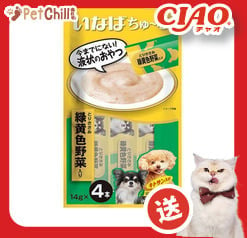
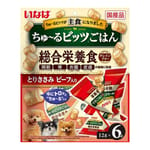
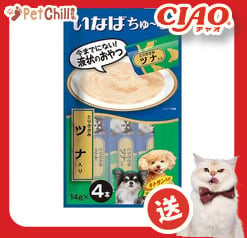
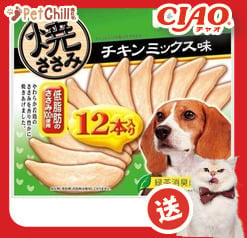
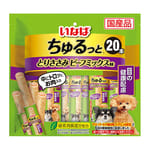
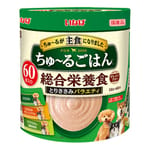
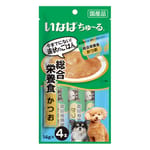
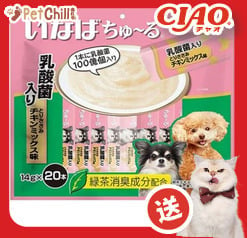
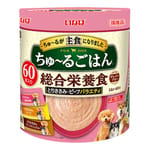
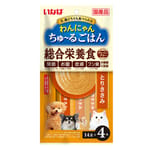
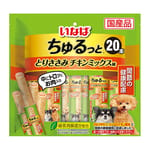
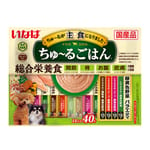
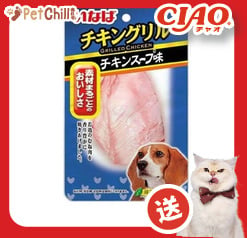
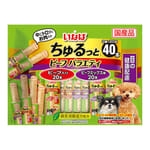
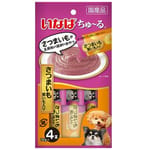
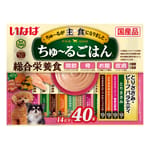
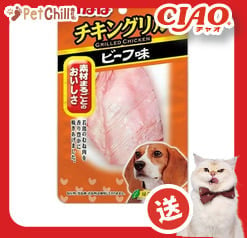
CIAO dog treats offer a diverse range of supplementary food options for canines. Products within this category come in various forms, such as purées, sticks, and biscuits, designed to accommodate different eating habits and feeding requirements of dogs. Some CIAO dog treats may contain specific meat, fish, or plant-based ingredients commonly used in pet food production. When selecting, considerations can be made based on the dog's age, size, and individual dietary needs. For instance, puppies might require treats with a softer texture that are easier to digest. These products typically serve as rewards or snacks in addition to main meals, providing dogs with extra flavor and textural experiences. Consumers choosing CIAO dog treats can refer to the product labeling for ingredient information and suggested feeding amounts to ensure alignment with their dog's dietary plan. Suitable products for both daily rewards and training aids can be found within this category.
Canine treats, often referred to as dog snacks, constitute a diverse category of supplementary food items designed for canine consumption.
This article aims to describe the structural attributes, material composition, and usage context within the canine treat category, without providing product recommendations or comparative advantages.
Canine Treats: Classification by Functional Purpose
The classification of canine treats in practical and supply contexts often relies on their intended functional purpose. One primary division separates treats intended for supplemental nutrition from those primarily for enrichment or training. Supplemental nutritional treats, such as certain types of canine treats, are formulated to provide additional vitamins, minerals, or specific macronutrients beyond a dog's regular diet. These might include formulations targeting joint health, skin and coat condition, or digestive support. Another functional category includes dental treats, which are designed with specific textures and shapes to aid in plaque and tartar reduction through mechanical abrasion during chewing. Training treats form a distinct class, characterized by their small size, palatability, and ease of consumption, facilitating rapid reward during training sessions. Enrichment treats, conversely, often involve longer-lasting chews or puzzle-compatible items, providing mental stimulation and extended engagement. These functional distinctions influence ingredient selection, processing methods, and packaging, reflecting their varied roles in canine care. Some canine treats are specifically formulated as meal toppers, augmenting the flavor and nutritional profile of a dog's main food. The distinction between a primary food source and a supplementary item is critical in understanding the design parameters of different canine treats.
Canine Treats: Material Composition and Structural Forms
The material composition and structural forms of canine treats exhibit significant variation, directly influencing their texture, palatability, and nutritional characteristics. Common primary ingredients include various animal proteins such as chicken, beef, lamb, and fish, which provide essential amino acids. Plant-based ingredients like grains (e.g., rice, corn, wheat), vegetables (e.g., carrots, peas), and fruits are also frequently incorporated, contributing fiber, carbohydrates, and additional vitamins. Certain formulations, like some canine treats, may emphasize specific protein sources or include novel proteins for dogs with sensitivities. The structural forms range from soft, pliable pastes and purees, often packaged in tubes or pouches, to firm, crunchy biscuits, and dense, long-lasting chews. Soft treats are generally easier to consume and digest, making them suitable for puppies or older dogs. Harder treats, such as dental chews, are designed for extended chewing activity, which can contribute to oral hygiene. Freeze-dried or air-dried treats retain much of the original ingredient's nutritional value and often have a distinct, concentrated flavor. Extruded treats, a common form for biscuits and kibble-like snacks, involve mixing ingredients into a dough, shaping them, and then cooking them under high pressure and temperature. The inclusion of specific binders, emulsifiers, and preservatives also plays a role in achieving desired textures and shelf stability. The material composition of canine treats, including the percentage of protein, fat, and fiber, is a key determinant of its nutritional profile. For example, some canine treats are designed to be low in fat. The processing methods, whether baking, extrusion, freeze-drying, or cooking into a paste, directly impact the final structural integrity and nutrient bioavailability of the canine treats.
Canine Treats: Properties Across Usage Environments
The properties of canine treats can vary significantly across different usage environments and conditions, impacting their suitability and effectiveness. For instance, treats used in outdoor training environments require different characteristics than those consumed indoors. Outdoor training treats, including many types of canine treats, often need to be non-greasy, easy to handle, and resistant to crumbling to prevent mess and facilitate quick rewards. Their palatability must be high enough to maintain a dog's focus amidst distractions. Treats designed for extended indoor enrichment, such as durable chews, prioritize longevity and safety, ensuring they do not splinter or pose choking hazards over prolonged periods of chewing. The moisture content of a treat affects its shelf life and storage requirements; high-moisture treats, like some meat purees, often require refrigeration after opening, while dry biscuits are shelf-stable at room temperature. Treats intended for specific dietary needs, such as those for young dogs, must be formulated with appropriate nutritional profiles and textures. For example, some canine treats are specifically formulated for puppies. The environmental temperature and humidity can also influence the texture and freshness of certain treats; soft treats may become firmer in cold conditions, while crunchy treats might absorb moisture and soften in humid environments. The intended purpose, whether it's a quick reward, a dental aid, or a nutritional supplement, dictates the optimal properties for a given usage context. Understanding these variations in properties is essential for considering the application of any canine treats.
Canine Treats: Characteristics from Sales Data
Product information derived from sales data provides insight into the material and structural characteristics of frequently acquired canine treats, including those from the popular CIAO brand. This section details the properties of the top-ranking items.
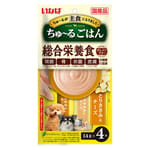
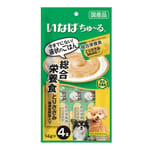
Rank 1: CIAO Dog Puree Main Meal Series Chicken and Vegetable Flavor 14g x 4 Tubes (DS-242) — This product consists of a soft, pureed texture, suitable for direct consumption or as a meal topper. Its composition includes chicken as a primary protein source, combined with various vegetables, contributing to a balanced flavor profile and providing additional nutrients. The packaging in 14g tubes allows for controlled portioning. The formulation is designed to be a main meal accompaniment, suggesting a relatively complete nutritional profile for a supplementary item. The moisture content is high, characteristic of a puree.
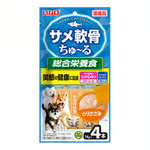
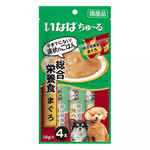
Rank 2: CIAO Dog Puree Shark Cartilage Series Comprehensive Nutrition Joint Health Formula Chicken Flavor 14g x 4 Tubes (DS-298) — This canine treat is characterized by its puree consistency and specific functional ingredients. It features chicken as a primary protein and includes shark cartilage, which is incorporated for its purported benefits related to joint health. The comprehensive nutrition aspect indicates a broader range of added vitamins and minerals beyond basic palatability. Like other puree-style canine treats, it comes in 14g tubes, facilitating easy dispensing. The emphasis on joint health suggests the inclusion of compounds such as chondroitin or glucosamine, naturally present in cartilage. This formulation aims to provide targeted nutritional support.
Rank 3: CIAO Dog Puree Main Meal Series Chicken Flavor 14g x 4 Tubes (DS-241) — This item is a chicken-flavored puree, presented in 14g tubes, similar in format to other CIAO canine treats. Its primary protein source is chicken, offering a concentrated source of animal protein. The "Main Meal Series" designation implies a formulation designed to complement or enhance a dog's regular diet with additional nutrients and palatability. The texture is smooth and moist, typical of a pureed product, making it easily digestible and suitable for various dog sizes and ages. This product focuses on a singular, common protein source.
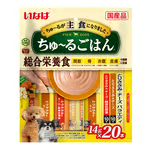
Rank 4: CIAO Dog Puree Comprehensive Nutrition Chicken and Cheese Puree 14g x 4 Tubes (D-107) — This canine treat combines chicken and cheese in a puree format, packaged in 14g tubes. The inclusion of cheese adds a distinct flavor and potentially additional fat and protein content. The "Comprehensive Nutrition" label suggests the presence of a broader spectrum of vitamins and minerals, aimed at providing more than just caloric supplementation. The puree consistency ensures ease of feeding and digestion. The combination of chicken and cheese offers a different flavor profile compared to single-protein or vegetable-inclusive formulations, appealing to different canine preferences. This is another example of a nutrient-dense canine treat.
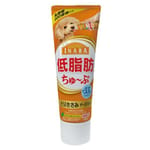
Rank 5: INABA Dog Nutritional Paste Low-Fat Cheese Chicken Flavor 80g (Orange) (DS-63) — This product is a nutritional paste with a low-fat formulation, featuring cheese and chicken flavors. It is packaged in an 80g tube, indicating a larger volume compared to the 14g tubes of other canine treats. The "nutritional paste" designation points to a concentrated blend of ingredients designed for supplemental feeding, potentially for dogs requiring additional caloric or nutrient intake, or those with specific dietary requirements. The "low-fat" characteristic indicates a controlled fat content, which can be relevant for dogs on weight management programs or those with fat sensitivities. The paste consistency allows for direct feeding or mixing with food. This specific canine treat is formulated with a focus on controlled fat intake.
Canine Treats: Quality Standards and Labeling Norms
Quality standards and labeling norms for canine treats provide a framework for understanding their composition, safety, and intended use. Regulatory bodies in various countries, such as the Association of American Feed Control Officials (AAFCO) in the United States or the European Pet Food Industry Federation (FEDIAF) in Europe, establish guidelines for pet food products, including canine treats. These guidelines often dictate requirements for ingredient definitions, nutrient guarantees, and proper labeling. For example, ingredient lists must typically present components in descending order by weight, providing transparency about the primary constituents of canine treats. Nutrient guarantee analyses, usually displayed on the product packaging, specify the minimum percentages of crude protein and crude fat, and maximum percentages of crude fiber and moisture. These analyses are crucial for assessing the nutritional contribution of canine treats. Manufacturing processes are also subject to standards to ensure product safety and prevent contamination. Facilities producing canine treats often adhere to Good Manufacturing Practices (GMP) and may undergo regular inspections. Labeling transparency extends to claims made about the product, such as "low-fat" or "joint health formula," which must be substantiated. Expiration dates and batch codes are also mandatory, enabling traceability and ensuring product freshness. The presence of specific certifications or seals on packaging can indicate adherence to particular quality control measures or ethical sourcing practices. Understanding these established standards allows for an informed interpretation of product information for any canine treats.
Canine Treats: Factual Insights on Composition
One verifiable factual insight regarding canine treats relates to the distinction between "feed grade" and "human grade" ingredients. While not all pet foods or canine treats are required to use human-grade ingredients, some manufacturers specifically highlight this on their labels. "Human grade" implies that every ingredient in the product is fit for human consumption and manufactured in a facility that meets human food safety standards. Conversely, "feed grade" ingredients are deemed safe for animal consumption but do not necessarily meet the same stringent standards as human-grade food. This distinction impacts the sourcing and processing of raw materials for canine treats, influencing overall product quality and cost. The use of human-grade ingredients often indicates a higher standard of raw material selection and processing, although both types of ingredients are considered safe for pets when properly handled and formulated according to regulatory guidelines. For example, some premium canine treats may explicitly state that they use human-grade chicken or vegetables.
Another factual insight concerns the role of specific functional ingredients within canine treats. For instance, ingredients like glucosamine and chondroitin, often found in joint support canine treats, are naturally occurring compounds. Glucosamine is an amino sugar that plays a role in cartilage formation and repair, while chondroitin sulfate is a complex carbohydrate that helps cartilage retain water and elasticity. When these ingredients are added to canine treats, their inclusion is typically aimed at supporting joint health, particularly in older dogs or breeds prone to orthopedic issues. The efficacy of these supplements can vary depending on their source, concentration, and the individual animal's metabolism. Their presence in canine treats like the CIAO Dog Puree Shark Cartilage Series Comprehensive Nutrition Joint Health Formula indicates a targeted formulation beyond basic caloric provision. These functional additions transform a simple snack into a product designed with specific physiological benefits in mind, illustrating the specialized nature of certain canine treats.
Canine treats encompass a wide array of products with varying compositions and structural attributes. The information presented herein describes their classification, material characteristics, and relevant standards without offering purchasing advice or product comparisons.
......View All