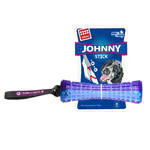
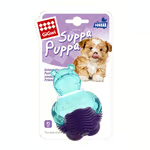
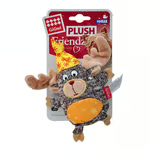
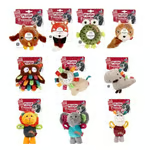
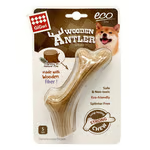
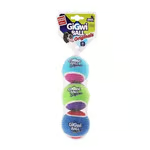
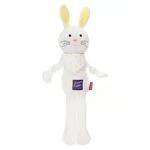
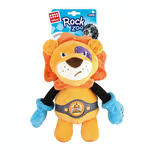
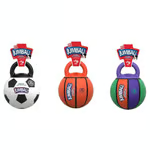
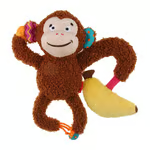
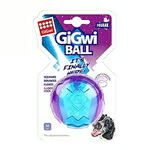
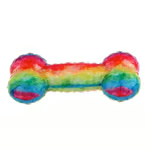
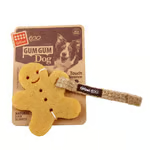
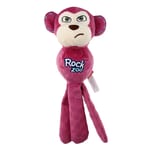
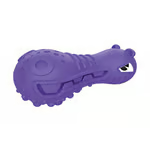
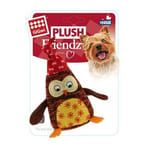
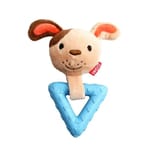
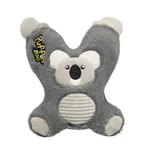
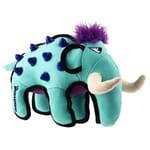
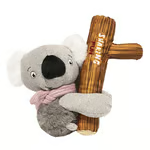
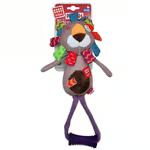
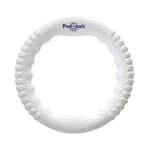
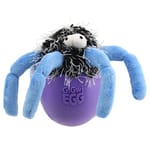
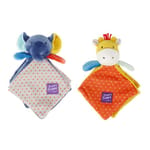
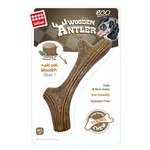
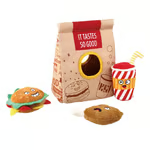
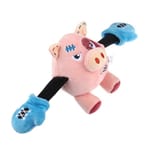
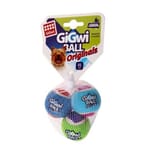
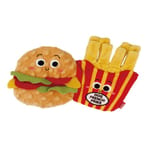
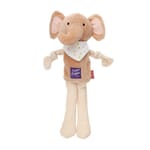
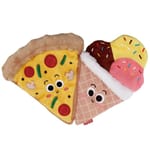
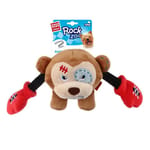
GiGwi dog toys are various play companions and training supplies specifically designed for canines. These products encompass a range of materials, such as rubber, plush, rope, or composite materials, to cater to the chewing habits and play needs of different dog breeds. The design of GiGwi dog toys often considers interactivity and durability; some styles may include sound devices or treat-dispensing structures to enhance a dog's play interest. Such toys aim to provide dogs with appropriate physical exercise and mental stimulation, helping to expend their energy and reduce boredom. In addition to common GiGwi dog toys, the brand also offers diverse product lines like GiGwi cat toys, addressing the needs of various pets, but this category page focuses on canine options. Users can select suitable entertainment and interactive tools from the wide array of GiGwi dog toys based on their dog's size, age, and play preferences.
Classification of dog toys encompasses a diverse range of items designed for canine interaction, typically characterized by their structural form, material composition, and intended use. These items are manufactured from various polymers, natural fibers, and composite materials, each selected for specific physical properties such as elasticity, tensile strength, and abrasion resistance.
This article aims to provide a structured overview of dog toys, detailing their classification based on material science, structural engineering, and functional design principles. The objective is to delineate the inherent characteristics and categorical distinctions within this product segment, without offering product recommendations or comparative evaluations of specific offerings.
Dog Toys: Common Categorizations
The classification of dog toys in practical and supply contexts often relies on primary functional attributes. One common division is by interactive versus solo play items. Interactive dog toys typically require direct engagement from a human participant, such as items designed for throwing, tugging, or retrieving. These items often feature integrated handles, textured surfaces for grip, or aerodynamic shapes to facilitate distant throws. Materials frequently include rubber compounds for resilience, or woven fabrics for tensile strength in tugging activities. Solo play items, conversely, are designed for independent canine engagement. This sub-category includes chew toys, puzzle feeders, and comfort objects. Chew toys prioritize durability and material integrity, often utilizing dense rubber, nylon, or wood composites to withstand prolonged mastication. Puzzle feeders incorporate compartments or mechanisms that require manipulation to dispense treats, emphasizing cognitive engagement. Comfort objects, often plush or soft, are generally constructed from textile materials with internal stuffing. Another classification approach distinguishes between durable and disposable, or consumable, dog toys. Durable items are engineered for extended lifespans, while consumable items, such as specific dental chews or certain edible toys, are designed to be gradually consumed over time.
Dog Toys: Material Composition and Structural Forms
The material composition and structural forms of dog toys vary significantly, dictating their durability, interaction properties, and suitability for different canine behaviors. Polymer-based dog toys are prevalent, with materials like natural rubber, synthetic rubber (e.g., TPR – thermoplastic rubber), and various plastics (e.g., nylon, polypropylene) being commonly employed. Natural rubber offers elasticity and resilience, making it suitable for bouncing and chewing. Synthetic rubbers, such as TPR, can be engineered for specific hardness levels and textures, providing a balance of durability and flexibility. Nylon is often used for hard chew toys due to its high tensile strength and abrasion resistance, frequently molded into bone-like shapes or textured forms to aid dental hygiene. Polypropylene is lighter and can be formed into a wider array of shapes, often found in fetch toys or items requiring less intense chewing. Textile-based dog toys typically utilize fabrics such as cotton, polyester, or fleece. Cotton ropes are common for tug toys, providing a fibrous texture that can also assist in cleaning teeth. Polyester and fleece are frequently used for plush toys, offering a softer tactile experience. The internal structure of plush dog toys often includes polyester fiberfill. Some advanced dog toys incorporate multiple materials. For instance, a rubber core might be encased in a fabric layer, or a plastic frame might support textile components. Structural forms can range from solid and dense, like a rubber ball, to hollow and flexible, such as a squeaky vinyl toy. Multi-component structures, like those found in puzzle toys, involve interlocking parts or chambers. The manufacturing processes for these materials include injection molding for plastics and rubbers, weaving and stitching for textiles, and compression molding for certain composite materials. Surface textures are often intentionally varied, incorporating ridges, nubs, or smooth finishes to provide different tactile sensations and functional benefits, such as gum massage or improved grip.
Dog Toys: Usage Environments and Conditions
The properties of dog toys exhibit variations based on their intended usage environments and conditions, influencing their design and material selection. For outdoor environments, dog toys must withstand exposure to elements such as sunlight, moisture, and varying temperatures. Materials chosen for outdoor use typically demonstrate UV resistance to prevent degradation and color fading, water resistance to avoid material absorption and potential mildew growth, and temperature stability to prevent brittleness in cold conditions or softening in heat. Rubber and durable plastics are frequently selected for outdoor dog toys due to these properties. Their structural integrity is also critical to endure impact with hard surfaces like pavement or concrete, and to resist abrasion from dirt and rough terrain. Conversely, dog toys primarily intended for indoor use may prioritize different attributes. Softness, quietness, and non-marking properties on indoor surfaces are often considered. Plush toys, made from fabrics like fleece or polyester, are common for indoor play due to their gentler impact and reduced noise generation. Materials that are less prone to scratching floors or leaving residue are also preferred. Furthermore, the conditions of interaction, such as chewing intensity, also dictate material choices. For aggressive chewers, dog toys are designed with significantly higher material density and structural reinforcement, often employing solid nylon or extremely dense rubber compounds. These materials are selected for their ability to resist tearing, puncturing, and fragmentation under sustained pressure. For puppies or older dogs with more delicate mouths, softer rubber or fabric toys are typically provided. The specific context of play, whether it involves water (e.g., floating toys), dirt (e.g., easily washable toys), or confined spaces, also influences the design and material characteristics of appropriate dog toys. Certain specialized dog toys are even designed for use in specific training scenarios, requiring particular weight distributions or auditory features.
GiGwi Dog Toys: Product Characteristics from Sales Ranking
This section presents descriptions of specific GiGwi dog toys, focusing solely on their material composition, structural attributes, and manufacturing characteristics, as derived from product sales ranking data. No commentary on performance, value, or suitability is included.
Rank 1: GiGwi Suppa Puppa Puppy Series Q Boy Bear — This dog toy is part of a series designed for puppies. Its construction typically involves a soft outer textile layer, likely polyester or a similar synthetic fabric, encasing an internal stuffing material, which is commonly polyester fiberfill. The structural form is that of a small, stylized bear. The exterior fabric may feature varying textures or short pile for tactile engagement. Internal components may include a small squeaker, usually made from plastic, embedded within the stuffing to produce an auditory stimulus when compressed. The seams are typically stitched, designed to contain the internal components. The size is generally compact, consistent with items intended for juvenile canines.
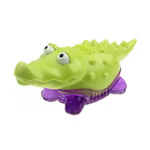
Rank 2: GiGwi Suppa Puppa Puppy Series Q Boy Alligator — This item also belongs to the puppy-focused series. It features an external covering of textile material, frequently a robust synthetic fabric chosen for its resistance to minor wear. The internal volume is filled with a soft, resilient material, typically polyester stuffing. The structural representation is an alligator figure, characterized by an elongated body and distinct head and tail sections. Similar to the bear variant, it may incorporate an internal plastic squeaker. The exterior fabric might exhibit different colors or patterns to mimic an alligator's skin. Stitching is employed to assemble the fabric pieces and secure the internal filling.
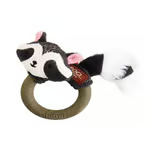
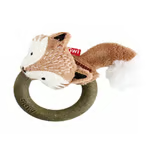
Rank 3: GiGwi Suppa Puppa Puppy Series Dog Tug Ring — This dog toy is designed for interactive play, specifically tugging. Its primary material composition often involves a combination of durable textiles, such as tightly woven cotton rope or braided synthetic fibers, and a central ring component, which may be made from rubber or hard plastic. The structural form is a ring, allowing for a secure grip during tugging activities. The textile elements are typically knotted or braided to provide tensile strength and a varied texture. The rubber or plastic ring contributes to the overall rigidity and grip. The materials are selected for their resistance to stretching and tearing under moderate pulling forces. The item's dimensions are generally suited for a puppy's mouth and grip.
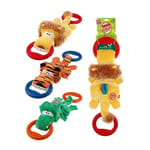
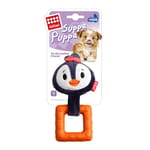
Rank 4: GiGwi Suppa Puppa Puppy Series Penguin Tug Ring — Similar to the dog tug ring, this dog toy is intended for interactive tugging. It often combines textile components with a central ring structure. The textile elements might be constructed from synthetic fabrics or natural fibers, potentially configured as a plush penguin figure attached to the ring. The ring itself is commonly manufactured from a durable polymer such as rubber or a type of plastic, providing a firm gripping surface. The penguin figure, if present, would use stitching to define its shape and contain any internal stuffing. The materials are chosen for their ability to withstand the forces associated with tug play, and the overall design provides distinct gripping points for both canine and human interaction. The size is adapted for juvenile canines.
Rank 5: GiGwi Suppa Puppa Puppy Series Naughty Elephant — This dog toy is another plush item within the puppy series. Its construction involves an external fabric layer, often a soft-textured synthetic material such as fleece or short-pile polyester. The structural form represents an elephant, with distinct features like a trunk, ears, and legs. The interior is filled with polyester fiberfill, providing a compressible and resilient form. An internal plastic squeaker is typically integrated into the design to generate auditory feedback upon compression. The fabric components are assembled using industrial stitching techniques to form the elephant shape and enclose the filling. The dimensions are consistent with toys appropriate for young dogs, enabling ease of handling.
Dog Toys: Quality Standards, Labeling, and Documentation Norms
Quality standards for dog toys primarily focus on material safety, structural integrity, and manufacturing consistency. While no single global regulatory body dictates all aspects, various regional and national standards, as well as industry best practices, guide production. Material safety is paramount, ensuring that dog toys do not contain substances harmful if ingested, such as lead, cadmium, or certain phthalates. Manufacturers often adhere to standards established for children's toys, such as ASTM F963 in the United States or EN 71 in Europe, which specify limits for heavy metals and other hazardous chemicals. These standards also address flammability and the presence of small parts that could pose choking hazards. Structural integrity standards for dog toys typically relate to resistance against chewing, tearing, and mechanical stress. This involves testing material tensile strength, tear resistance, and puncture resistance. For plush toys, seam strength and the security of attached components (e.g., eyes, noses) are evaluated to prevent detachment and potential ingestion. For rubber or plastic toys, tests may assess elasticity retention and resistance to brittle fracture. Labeling transparency is a key aspect of documentation norms for dog toys. Product labels commonly include information on the primary materials used (e.g., "100% natural rubber," "polyester fabric"), country of origin, and explicit warnings regarding supervision or intended use (e.g., "not for aggressive chewers"). Some labels may also indicate whether the toy is dishwasher-safe or suitable for outdoor use. Documentation norms frequently involve manufacturers maintaining technical files that detail material specifications, testing reports, and quality control procedures. Certifications from independent laboratories or compliance with specific industry standards (e.g., ISO 9001 for quality management systems) are often part of this documentation, providing verifiable evidence of adherence to established benchmarks for dog toys. The presence of a manufacturer's contact information is also a common requirement, facilitating consumer inquiries regarding product composition or safety.
Dog Toys: Factual Insights
A verifiable factual insight concerning dog toys relates to the specific gravity of materials used in floating designs. For a dog toy to consistently float in water, its overall density, considering both its material composition and any internal air pockets, must be less than the density of water (approximately 1 gram per cubic centimeter). This necessitates the use of lightweight polymers, such as certain foams or specific grades of rubber and plastic, which inherently possess low densities. The structural design frequently incorporates hollow chambers or closed-cell foam to further reduce the effective density of the entire object, ensuring buoyancy. Another insight involves the acoustic properties of internal squeakers in dog toys. The sound produced by these components is typically generated by air being forced through a small aperture under compression. The pitch and volume of the squeak are determined by the size and shape of the air chamber, the diameter of the aperture, and the material stiffness of the squeaker mechanism, which is usually a simple plastic or rubber reed. Manufacturers select specific designs to produce auditory stimuli that are within the hearing range of dogs, which extends to higher frequencies than human hearing, enhancing their engagement with the dog toy.
This article has systematically categorized dog toys by their structural attributes, material compositions, and usage contexts. The information presented aims to provide a clear and objective framework for understanding the characteristics of these items, without offering any evaluative statements or purchasing guidance.
......View All