HEROMAMA pet health supplements encompass various product categories designed for daily pet care. These health supplements primarily offer nutritional support and basic care to help maintain pets' normal physiological functions. Products come in diverse forms, including tablets, powders, liquids, or freeze-dried crystal kibbles, allowing selection based on the pet's breed, size, age, and specific requirements. The HEROMAMA pet health supplements category aims to provide pet owners with a clear path for product selection; for instance, in addition to common HEROMAMA cat food and HEROMAMA dog food for daily canine and feline diets, health supplements serve as supplementary options. Products within this category are mainly used to replenish trace elements or specific nutrients that pets might lack in their regular diet. When purchasing, one can refer to the ingredient list and recommended dosage on the product instructions. The design of these products considers pets' digestive and absorption characteristics to ensure effective utilization of ingested nutrients. This category page compiles various HEROMAMA pet health supplements, facilitating users in browsing and finding product information that meets their pets' needs.
Pet health supplements, a category encompassing various formulations designed to support animal well-being, represent a distinct segment within the broader pet care industry.
This article aims to describe the structural attributes, material composition, and usage contexts within this category. It will not recommend products or compare their advantages.
Pet Health Supplements: Classification of Formulations
The classification of pet health supplements is often based on the primary physiological system they are intended to support or the specific functional ingredients they contain. One common division categorizes supplements by target system: digestive health, joint support, skin and coat health, immune system modulation, and cognitive function maintenance. Within digestive health, for instance, products may be further differentiated by the inclusion of probiotics, prebiotics, digestive enzymes, or specific fiber types. Joint support supplements frequently contain ingredients such as glucosamine, chondroitin, and methylsulfonylmethane (MSM), often in combination. Skin and coat formulations typically feature omega fatty acids, vitamins, and minerals. Immune support products might incorporate antioxidants, specific vitamins like vitamin C or E, or herbal extracts. Cognitive function support often relies on ingredients such as omega-3 fatty acids, antioxidants, and certain B vitamins. Another classification approach groups supplements by their physical form, including powders, liquids, chews, tablets, and capsules. Each form offers distinct advantages regarding administration and ingredient stability. For example, powders can be easily mixed into food, while capsules may provide a more precise dosage and protect sensitive ingredients from environmental degradation. The manufacturing processes for these different forms also contribute to their structural characteristics. For instance, chews require specific binding agents and processing to achieve their palatability and texture, whereas tablets involve compression of powdered ingredients. Understanding these classifications provides a framework for comprehending the diverse range of pet health supplements available.
Pet Health Supplements: Material Composition and Processing
The material composition and processing techniques employed in the production of pet health supplements vary significantly depending on the intended function and active ingredients. For example, probiotic supplements necessitate careful handling to ensure the viability of live microbial cultures. These often use microencapsulation technologies to protect the microorganisms from stomach acid and environmental factors during storage and digestion. The choice of probiotic strains, such as Lactobacillus acidophilus or Bifidobacterium animalis, is also a critical compositional aspect, with each strain offering specific metabolic activities. Digestive enzyme supplements, conversely, are typically composed of enzymes like amylase, lipase, and protease, which are often derived from fungal or plant sources. Their processing focuses on maintaining enzymatic activity through controlled drying and encapsulation. Joint support formulations, including those containing glucosamine hydrochloride or chondroitin sulfate, are often sourced from shellfish or bovine cartilage, respectively. The purity and concentration of these active ingredients are critical compositional factors. The manufacturing process for these can involve extraction, purification, and subsequent granulation or tableting. Omega fatty acid supplements, such as those derived from fish oil, involve molecular distillation to remove heavy metals and other contaminants, ensuring a high concentration of eicosapentaenoic acid (EPA) and docosahexaenoic acid (DHA). The stability of these unsaturated fatty acids is maintained through the addition of antioxidants like vitamin E and appropriate packaging. Furthermore, the base ingredients, or excipients, used in pet health supplements also form a significant part of their composition. These can include carriers like maltodextrin, cellulose, or various palatability enhancers such as natural flavors or meat derivatives. The selection of these excipients impacts the final product's texture, stability, and ease of administration. The overall quality of pet health supplements is directly linked to the sourcing of raw materials, the precision of their formulation, and the sophistication of their processing techniques.
Pet Health Supplements: Usage Contexts and Environmental Properties
The properties of pet health supplements can vary significantly across different usage environments and conditions, impacting their stability, efficacy, and administration. For example, temperature and humidity are critical environmental factors affecting the shelf life and potency of many formulations. Probiotic supplements, which contain live microorganisms, are particularly sensitive to heat and moisture. High temperatures can lead to a reduction in viable colony-forming units (CFUs), while excessive humidity can promote microbial growth and degradation. Consequently, many probiotic products recommend storage in cool, dry places, often with refrigeration after opening. Similarly, omega fatty acid supplements, due to the unsaturated nature of their active components, are susceptible to oxidation when exposed to light, heat, and air. This oxidation can lead to rancidity, reducing the supplement's nutritional value and potentially producing undesirable byproducts. Therefore, these supplements are frequently packaged in opaque, air-tight containers, sometimes with nitrogen flushing, and may contain natural antioxidants like vitamin E to maintain stability. The physical form of pet health supplements also influences their properties in different contexts. Powdered supplements, while easily mixed with food, can absorb moisture from the environment if not properly sealed, leading to clumping or degradation of active ingredients. Liquid formulations, conversely, might exhibit sedimentation or separation over time, necessitating shaking before use to ensure uniform dosage. Chewable supplements, designed for palatability and ease of administration, must maintain their texture and integrity under varied storage conditions; excessive heat can cause softening or melting, while extreme cold can lead to hardening. The interaction with other dietary components in the usage context is also relevant. Certain minerals or vitamins in pet health supplements can interact with ingredients in a pet's regular diet, potentially affecting absorption or bioavailability. For instance, high calcium levels can interfere with the absorption of certain trace minerals. Understanding these environmental and contextual properties is essential for proper storage and administration of pet health supplements.
Pet Health Supplements: Product Information by Sales Ranking
The following describes the material, formulation, and structural characteristics of specific pet health supplements, based on their sales ranking, without any assessment of their efficacy or value.
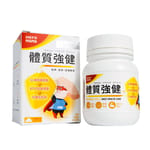
Rank 1: HeroMama Pet Health Supplement for Robust Constitution 50g — This formulation is presented as a powdered supplement, typically containing a blend of various vitamins, minerals, and potentially herbal extracts or amino acids. The base ingredients often include carriers such as maltodextrin or cellulose, designed to facilitate powder flow and mixability. The active components are typically in a finely milled powder form, ensuring uniform distribution throughout the product. The container is commonly a sealed jar or pouch, designed to protect the hygroscopic nature of some ingredients from moisture and air. The 50g net weight indicates a specific quantity intended for multiple servings according to dosage guidelines. The robust constitution claim implies a broad-spectrum approach to supporting general health through nutrient supplementation.
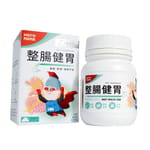
Rank 2: HeroMama Pet Health Supplement for Digestive Wellness 50g — This product is also typically presented as a powdered supplement, with a primary focus on supporting gastrointestinal function. Its material composition frequently includes probiotics, prebiotics (such as fructooligosaccharides or inulin), and digestive enzymes. The probiotics are often microencapsulated to enhance their survival through the digestive tract. The prebiotics serve as a substrate for beneficial gut bacteria. The enzymes, which may include amylase, protease, and lipase, are designed to assist in the breakdown of macronutrients. The powder form allows for convenient mixing with food. The packaging is designed to maintain the viability of the live microbial cultures, often featuring an airtight seal and possibly a desiccant packet to control moisture. The 50g size provides a specific quantity for sustained use in supporting digestive wellness.
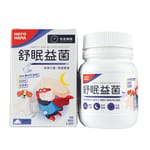
Rank 3: HeroMama Pet Health Supplement for Sleep and Probiotic Support 50g — This formulation combines ingredients aimed at promoting restful states with probiotic support. The material composition likely includes specific amino acids such as L-tryptophan or botanicals like chamomile, known for their calming properties, alongside various probiotic strains. The product is presented in a powdered form, allowing for easy incorporation into a pet's diet. The probiotic components are typically stabilized through specific drying and encapsulation techniques to ensure their viability. The other active ingredients are integrated into a carrier matrix, often composed of inert substances to ensure homogeneity. The packaging is designed to protect both the sleep-supportive ingredients from degradation and the probiotics from environmental stressors. The 50g quantity provides a defined volume of this dual-purpose pet health supplement.
Pet Health Supplements: Quality Standards and Labeling Transparency
Verifiable quality standards and transparent labeling are foundational to the integrity of the pet health supplements category. In many regions, the production of pet health supplements falls under regulations that, while varying, generally require adherence to Good Manufacturing Practices (GMP). GMP standards ensure that products are consistently produced and controlled according to quality standards appropriate to their intended use and as required by the product specification. This encompasses aspects such as raw material sourcing, facility sanitation, equipment calibration, personnel training, and batch record keeping. Raw material quality is often verified through certificates of analysis (COAs) from suppliers, which detail the identity, purity, and potency of ingredients. For active ingredients like vitamins, minerals, or herbal extracts, specific assay methods are used to confirm their concentration. For probiotic pet health supplements, the COA would typically include information on the strain identity and viable cell count at the time of manufacture. Labeling transparency is another critical aspect. Product labels are expected to list all ingredients in descending order of predominance by weight, including active and inactive components. The net weight or volume of the product, feeding instructions, storage recommendations, and the manufacturer's contact information are also standard requirements. Furthermore, labels often specify the guaranteed analysis of key active ingredients, stating the minimum or maximum concentrations of specific nutrients or compounds per serving. Some manufacturers voluntarily undergo third-party testing to verify label claims and product purity, with results sometimes made available to consumers. This external validation adds an additional layer of assurance regarding the quality and composition of pet health supplements. Adherence to these standards and practices contributes to the overall reliability and traceability within the pet health supplements market.
Pet Health Supplements: Factual Insights
One verifiable factual insight regarding pet health supplements relates to the stability of certain active compounds. For example, some fat-soluble vitamins, such as Vitamin A and Vitamin D, can degrade when exposed to oxygen, light, or high temperatures over extended periods. This degradation can reduce their bioavailability and potency in pet health supplements. Manufacturers often address this by incorporating antioxidants into formulations or by utilizing specialized packaging materials that minimize exposure to these environmental factors. Another factual insight pertains to the absorption rates of different forms of minerals in pet health supplements. Mineral chelates, where a mineral is bound to an amino acid, are often formulated to enhance absorption compared to inorganic mineral salts. This chelation process can protect the mineral from interactions with other dietary components in the gastrointestinal tract, potentially leading to more efficient uptake by the animal's body. The specific chemical structure of the mineral compound, therefore, plays a direct role in its biological availability within pet health supplements.
This article has presented a structural overview of pet health supplements, detailing their classification, material composition, processing methods, environmental considerations, and quality standards. The information provided is intended for descriptive purposes only, without offering any form of recommendation or selection guidance.
......View All