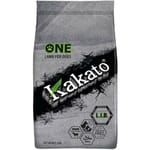
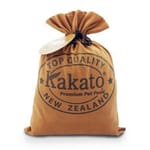
Kakato dog food encompasses various product forms, primarily providing the daily nutritional requirements for dogs. This category includes both dry and wet food options, such as Kakato dog canned food, which can serve as a main meal or a supplement. Product formulations typically consider different dog breeds, life stages, and health needs, offering diverse choices. The nutritional composition of dog food mainly consists of proteins, fats, carbohydrates, vitamins, and minerals, designed to support dogs' daily activities and bodily functions. Some Kakato dog food products may contain specific meats, vegetables, or grain ingredients to cater to various dietary preferences or nutritional requirements. Consumers can select suitable Kakato dog food products based on their dog's specific circumstances to ensure a balanced diet.
The category of Kakato dog food encompasses formulated nutritional products designed for canine consumption.
This article aims to describe the structural characteristics, material composition, and typical usage contexts within this product category, without providing product recommendations or comparative assessments.
Kakato Dog Food: Common Classifications and Forms
Kakato dog food is commonly categorized based on its physical form and intended dietary role. The primary classifications encountered in practical supply contexts are dry formulations, often referred to as kibble, and wet formulations, typically presented in cans or pouches. Dry dog food is characterized by its low moisture content, typically ranging from 3% to 10%, which contributes to its extended shelf life and kibble structure. This form is widely adopted for its convenience in storage and feeding. Wet dog food, in contrast, possesses a high moisture content, frequently exceeding 70%, closely mimicking the natural moisture levels of fresh meat. This distinction in moisture content significantly influences processing methods, packaging requirements, and shelf stability. Another common classification pertains to the intended dietary function: complete and balanced main meals versus supplementary or complementary foods. Complete and balanced formulations are designed to meet all an animal's nutritional requirements when fed as the sole diet. Supplementary foods, such as certain wet canned products or treats, are intended to be fed in conjunction with a complete diet and do not, by themselves, provide all necessary nutrients. The distinction between a main meal Kakato dog food and a supplementary product is crucial for ensuring adequate canine nutrition.
Kakato Dog Food: Material Composition and Formulation Methods
The material composition of Kakato dog food formulations exhibits variation across different product lines, reflecting diverse nutritional profiles and ingredient sourcing. Core ingredients typically include protein sources, carbohydrate sources, fats, vitamins, and minerals. Protein sources often feature animal-derived components such as lamb, chicken, beef, or fish, contributing essential amino acids. Specific formulations, such as those within the single protein series of Kakato dog food, emphasize a singular animal protein source to address dietary sensitivities or preferences. Carbohydrate components, providing energy, can include grains like rice or oats, or grain-free alternatives such as peas or sweet potatoes. Fats, sourced from animal fats or plant oils, supply concentrated energy and essential fatty acids. The formulation methods for dry Kakato dog food generally involve extrusion, where ingredients are mixed, cooked under high pressure and temperature, and then forced through a die to create kibble shapes. This process gelatinizes starches, improves digestibility, and sterilizes the product. Wet Kakato dog food, conversely, typically undergoes a canning process. Raw ingredients are mixed, placed into cans, sealed, and then heat-sterilized to ensure food safety and extend shelf life. The texture of wet products can range from pâté to chunks in gravy, influenced by the ingredient preparation and gelling agents used. The inclusion of various vitamins and minerals, often in the form of a pre-mix, is critical to ensure the final product meets established nutritional standards for Kakato dog food.
Kakato Dog Food: Properties and Usage Environments
The properties of Kakato dog food can vary significantly depending on its formulation and are influenced by the specific usage environment or conditions. For instance, dry kibble formulations are characterized by their low moisture content, making them suitable for environments where extended storage at ambient temperatures is required, or where a crunchy texture is desired for oral health benefits. Their structural integrity allows for easy portion control and minimizes spoilage when left in a bowl for several hours. In contrast, wet Kakato dog food, with its high moisture content, is often perceived to offer increased palatability due to its aroma and texture, which can be particularly advantageous in environments where canine appetite stimulation is a factor, such as for older or recovering dogs. However, once opened, wet products require refrigeration and have a shorter shelf life, typically necessitating consumption within a few days. The caloric density also differs; dry Kakato dog food generally has higher caloric density per gram compared to wet formulations, meaning smaller portions can deliver equivalent energy. This makes dry food suitable for active dogs requiring concentrated energy or for owners seeking efficient feeding volumes. Conversely, the higher water content in wet Kakato dog food contributes to hydration, which can be beneficial in warmer climates or for dogs with specific urinary health considerations. The choice between these forms often aligns with considerations of storage, feeding convenience, and specific dietary needs or environmental factors.
Kakato Dog Food: Product Characteristics from Sales Ranking
Based on sales ranking data, specific Kakato dog food products demonstrate distinct material, formulation, and structural characteristics.
Rank 1: Kakato Lamb Whole Dog Formula 2.5kg – This dry dog food product features lamb as the primary protein source. Its formulation is designed for all life stages of dogs, indicating a balanced nutritional profile suitable for puppies, adult dogs, and seniors. The product's dry kibble structure results from an extrusion process, yielding uniform pieces with a low moisture content. The 2.5kg packaging size suggests a standard consumer quantity for routine feeding. The inclusion of lamb as a single or predominant protein source is a key characteristic of this Kakato dog food, often chosen for its digestibility and potential suitability for dogs with sensitivities to other protein types. The 'whole dog formula' designation implies a comprehensive nutrient blend, including essential vitamins, minerals, and fatty acids, integrated into the kibble matrix.
Rank 2: Kakato Single Protein Series Lamb Whole Dog Formula 2kg – This dry dog food product is specifically characterized by its "Single Protein Series" designation, emphasizing lamb as the sole animal protein source. This formulation strategy is a defining structural characteristic, distinguishing it from multi-protein blend formulas. The product is designed as a whole dog formula, indicating its suitability as a complete and balanced diet for dogs of all ages. Its 2kg packaging size is a common retail unit. Similar to other dry Kakato dog food products, it undergoes an extrusion process to form kibble, ensuring a low moisture content and a stable physical structure. The focus on a singular protein source like lamb is often preferred for dietary management, allowing for easier identification of potential allergens or sensitivities. The precise blend of carbohydrates, fats, vitamins, and minerals is formulated to complement the lamb protein and provide comprehensive nutrition.
Kakato Dog Food: Quality Standards and Labeling Norms
The quality standards and labeling norms for Kakato dog food products adhere to established regulatory frameworks in various regions, ensuring product safety, nutritional adequacy, and transparency for consumers. Key standards often referenced include those set by organizations such as the Association of American Feed Control Officials (AAFCO) in North America, or equivalent bodies in other global markets. AAFCO, for example, defines nutrient profiles for dog food based on life stage (e.g., growth/reproduction, adult maintenance), specifying minimum and maximum levels for various nutrients. Compliance with these profiles is typically stated on product labels, often through a nutritional adequacy statement. This statement verifies that the Kakato dog food product is formulated to meet the nutritional levels established by the relevant nutrient profiles for a specific life stage. Labeling norms mandate the clear declaration of ingredients, listed in descending order by weight. This provides insight into the primary components of any Kakato dog food. Guaranteed analysis panels are also a standard requirement, providing minimum percentages for crude protein and crude fat, and maximum percentages for crude fiber and moisture. These quantitative measures offer verifiable data on the macronutrient composition. Furthermore, manufacturers are expected to provide feeding guidelines, batch numbers, and best-before dates, facilitating traceability and ensuring product freshness. The absence of certain ingredients, such as artificial colors, flavors, or preservatives, is sometimes highlighted as a quality attribute, depending on the product's formulation philosophy for Kakato dog food.
Kakato Dog Food: Factual Insights into Production and Composition
A verifiable factual insight concerning Kakato dog food, particularly dry formulations, relates to the process of extrusion. During extrusion, the raw ingredients are subjected to temperatures often exceeding 100°C and high pressure. This intense thermal and mechanical treatment not only cooks the mixture but also causes the starch component to gelatinize. Gelatinization of starches is a critical step because it significantly increases the digestibility of carbohydrates for canines, making the energy within grains or other carbohydrate sources more bioavailable. Without this process, raw starches would be poorly utilized by a dog's digestive system. This physical transformation is a foundational aspect of modern dry Kakato dog food production.
Another verifiable factual insight pertains to the moisture content specifications for various forms of Kakato dog food. Dry kibble typically maintains a moisture content below 10%, often closer to 6-8%. This low moisture level is not merely a side effect of processing but is a deliberate factor in product design. It inhibits microbial growth, preventing spoilage and extending the product's shelf life without requiring refrigeration or extensive chemical preservatives. Conversely, wet Kakato dog food products commonly contain moisture levels upwards of 70%, sometimes reaching 80% or more. This high moisture content contributes to its different physical properties and necessitates different preservation methods, primarily retort sterilization (canning), to achieve shelf stability. The distinct moisture profiles are fundamental characteristics defining the two primary types of Kakato dog food.
This document has presented a detailed classification and characterization of Kakato dog food products, focusing on their structural attributes, material compositions, and industry-standard documentation. The information provided is intended for objective understanding of the category.
......View All