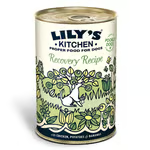
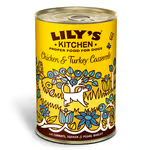
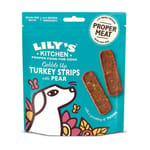
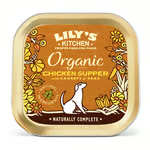
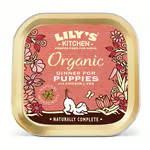
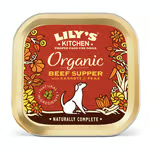
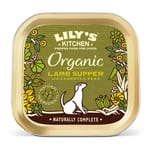
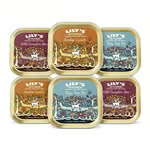
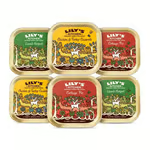
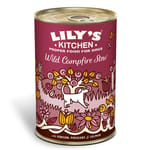
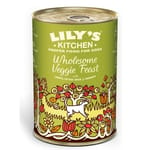
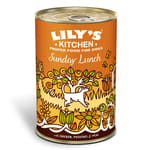
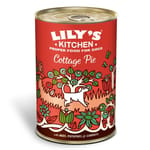
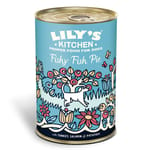
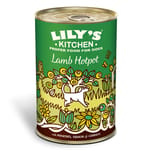
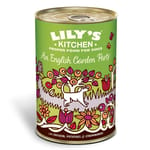
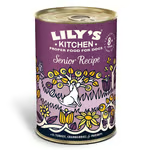
This category page features various LILYs KITCHEN dog wet food. These canned products are typically presented as wet food, formulated for different dog breeds, life stages, and specific dietary requirements. The product forms include pâté, chunks, or mixed textures, with primary ingredients often consisting of meat, vegetables, and botanical additives. LILYs KITCHEN dog wet food is available in diverse packaging sizes, accommodating different owners' storage and feeding preferences. When selecting, one may consider the dog's weight, activity level, and dietary preferences, referencing the ingredient composition and nutritional information on the cans. This product line aims to provide the daily nutrition required by dogs, such as its Puppy series wet food, specifically designed for young puppies. This page serves to present the types and basic information of LILYs KITCHEN dog wet food, offering users a reference for selection.
Canned dog food from Lily's Kitchen represents a category of prepared pet meals packaged in hermetically sealed containers, designed for canine consumption and characterized by specific ingredient formulations and processing methods.
This article aims to describe the structural attributes, material composition, and usage context within the category of Lily's Kitchen canned dog food. It does not intend to recommend specific products or provide advice regarding product selection or comparative advantages.
Lily's Kitchen Canned Dog Food: Classification by Formulation Type
The classification of Lily's Kitchen canned dog food often revolves around its formulation type, which dictates the primary ingredients and their intended nutritional profiles. One common division is between complete and complementary foods. Complete canned dog food is formulated to provide all necessary nutrients for a dog's daily dietary requirements when fed as directed. This means it contains a balanced array of proteins, fats, carbohydrates, vitamins, and minerals. Complementary canned dog food, conversely, is not designed to be a sole source of nutrition. These products typically serve as toppers, treats, or supplementary meals, offering additional flavor, moisture, or specific nutrients that complement a dog's main diet. Another practical classification considers the life stage for which the food is intended. Products may be formulated for puppies, adult dogs, or senior dogs, with nutritional adjustments specific to the metabolic and developmental needs at each stage. For instance, Lily's Kitchen puppy formulations often contain higher protein and fat content to support growth. Further distinctions can be made based on specific dietary considerations, such as grain-free recipes or those tailored for sensitive stomachs, addressing particular canine health requirements. These classifications provide a framework for understanding the intended application and nutritional completeness of various Lily's Kitchen canned dog food products.
Lily's Kitchen Canned Dog Food: Material Composition and Processing Techniques
The material composition of Lily's Kitchen canned dog food is typically characterized by a combination of animal proteins, plant-based ingredients, and supplementary nutrients. Animal protein sources commonly include fresh meat and offal, such as chicken, turkey, beef, or lamb. These are selected for their amino acid profiles and digestibility. Plant-based components often consist of vegetables like carrots, peas, potatoes, and fruits such such as apples or berries, providing dietary fiber, vitamins, and minerals. Herbs and botanicals, such as parsley, rosehips, or yucca extract, are also frequently incorporated for their specific biological compounds. Fats, derived from animal sources or plant oils like sunflower oil, contribute essential fatty acids and energy density. The processing of Lily's Kitchen canned dog food involves several key stages to ensure safety, palatability, and nutritional integrity. Ingredients are typically prepared, mixed, and then filled into cans. The filled cans undergo a sterilization process, often through retort cooking, where they are subjected to high temperatures and pressure for a specific duration. This thermal processing eliminates pathogenic microorganisms and extends the product's shelf life without requiring artificial preservatives. The hermetic sealing of the cans, combined with the heat treatment, creates a sterile environment that maintains the food's quality until opened. This method results in a product with a moist texture and distinct aroma, differentiating it from dry kibble. The careful selection of raw materials and the controlled thermal processing are fundamental to the characteristics of Lily's Kitchen canned dog food.
Lily's Kitchen Canned Dog Food: Properties Across Usage Environments
The properties of Lily's Kitchen canned dog food exhibit variations depending on the environmental conditions of its storage and consumption. When stored in a cool, dry place and unopened, the product maintains its intended texture, nutritional profile, and palatability due to the hermetic seal and prior sterilization. The integrity of the can prevents exposure to air, moisture, and contaminants, thereby preserving the food's state. Once opened, however, the properties of Lily's Kitchen canned dog food begin to change. Exposure to air initiates oxidation processes, which can affect the color, aroma, and nutritional stability of the ingredients, particularly fats and certain vitamins. Refrigeration is typically recommended for opened cans to slow down microbial growth and maintain freshness for a limited period, usually a few days. Freezing is another method that can extend the shelf life of opened portions, altering the texture upon thawing but generally preserving nutritional content. The temperature of the food when served can also influence its properties; some dogs may prefer it at room temperature, which can enhance its aroma and palatability compared to cold food directly from the refrigerator. The moisture content inherent in Lily's Kitchen canned dog food makes it susceptible to drying out if left exposed, leading to a harder texture and reduced appeal. These environmental factors directly influence the physical and chemical characteristics of the product during its lifecycle from storage to consumption.
Lily's Kitchen Canned Dog Food: Product Characteristics from Sales Ranking
The following describes the material and structural characteristics of Lily's Kitchen canned dog food products based on their sales ranking, without implying any qualitative assessment or preference.
Rank 1: Lily's Kitchen Dog Main Meal Can Natural Series - Gastrointestinal Support Meal 400g. This formulation is characterized by a specific blend of ingredients chosen for their digestibility and potential soothing properties for the canine digestive system. It typically includes easily digestible proteins, such as turkey or chicken, combined with a selection of pureed vegetables and prebiotics or probiotics to support gut flora. The texture is generally smooth or finely minced, facilitating easier ingestion and assimilation. The 400g can contains a homogeneous mixture designed for specific dietary needs, with a high moisture content characteristic of canned dog food.
Rank 2: Lily's Kitchen Dog Main Meal Can Natural Series - Chicken & Turkey Casserole 400g. This product features a combination of chicken and turkey as primary protein sources, often presented in a casserole-style texture with discernible pieces of meat and vegetables. Common vegetable inclusions might be carrots, peas, and potatoes, contributing fiber and additional micronutrients. The formulation aims for a balanced nutritional profile suitable for adult dogs. The moisture content is high, typical for Lily's Kitchen canned dog food, supporting hydration.
Rank 3: Lily's Kitchen Dog Main Meal Can Natural Series - Wild Stew 400g. The Wild Stew formulation incorporates novel protein sources, such as venison or duck, often combined with a variety of root vegetables and berries. This recipe aims to mimic a more natural, wild diet. The texture is typically chunkier, with distinct pieces of meat and vegetables suspended in a gravy or broth. The 400g serving size provides a complete meal for adult dogs, with a focus on ingredient diversity and organoleptic appeal derived from less common protein sources. This Lily's Kitchen canned dog food maintains the high moisture content of the range.
Rank 4: Lily's Kitchen Dog Main Meal Can Natural Series - Vegetable Hotpot 400g. This particular Lily's Kitchen canned dog food emphasizes a high proportion of plant-based ingredients, such as a diverse array of vegetables including pumpkin, green beans, and lentils, alongside a primary protein source. The texture often resembles a thick soup or stew, with soft, cooked vegetable pieces. It is formulated to provide a balanced diet with a significant fiber contribution from the varied plant components. The 400g unit size is consistent, offering a complete meal with substantial moisture.
Rank 5: Lily's Kitchen Dog Main Meal Can Natural Series - Chicken & Vegetable Meal 400g. This formulation features chicken as the primary protein, complemented by a standard selection of vegetables like carrots and potatoes. The texture is typically a uniform pate or finely minced consistency, making it easily consumable for a wide range of dogs. It provides a balanced nutritional profile suitable for daily feeding. The 400g can contains a high-moisture product, characteristic of Lily's Kitchen canned dog food, with ingredients selected for their common acceptance and nutritional value.
Lily's Kitchen Canned Dog Food: Quality Standards and Labeling Norms
The quality standards for Lily's Kitchen canned dog food are governed by regulations pertaining to pet food manufacturing and labeling, which vary by region but generally aim for safety, nutritional adequacy, and transparency. In regions such as the European Union, pet food products, including Lily's Kitchen canned dog food, must comply with regulations set by bodies like the European Pet Food Industry Federation (FEDIAF). These guidelines specify nutritional requirements for complete and complementary pet foods across different life stages, ensuring products meet established dietary needs. Labeling norms mandate the clear declaration of ingredients in descending order by weight, guaranteed analysis (listing minimum protein, fat, and maximum fiber and moisture), feeding guidelines, and manufacturing information. The term "natural" often used in the context of Lily's Kitchen canned dog food implies that ingredients are largely unprocessed and free from artificial additives, although specific definitions can vary. Traceability systems are typically in place to monitor ingredients from source to final product, contributing to quality assurance. Manufacturers are expected to adhere to Good Manufacturing Practices (GMPs) to ensure consistency and safety in production. These standards and labeling requirements provide consumers with verifiable information about the composition and intended use of Lily's Kitchen canned dog food products.
Lily's Kitchen Canned Dog Food: Verifiable Factual Insights
Lily's Kitchen canned dog food, like all retort-sterilized wet pet foods, undergoes a cooking process within the sealed can. This process, known as retorting, uses high heat and pressure to achieve commercial sterility, eliminating spoilage microorganisms and pathogens. This method is distinct from pasteurization, as it results in a shelf-stable product that does not require refrigeration prior to opening, a key characteristic of Lily's Kitchen canned dog food. The high moisture content of Lily's Kitchen canned dog food, typically ranging from 70% to 85%, contributes significantly to a dog's daily water intake. This can be particularly beneficial for dogs that do not drink sufficient water or those with certain urinary tract health considerations. The moisture content also influences the caloric density of the food; wet foods generally have fewer calories per gram compared to dry kibble, requiring larger serving sizes by weight to meet energy requirements.
The category of Lily's Kitchen canned dog food is defined by its specific manufacturing processes and ingredient compositions. The products are formulated to provide nutrition for canines, with variations designed for different life stages and dietary considerations. Information presented here describes the structural and material attributes of these products.
......View All