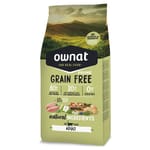
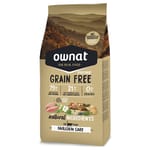
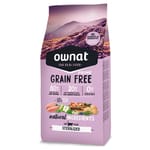
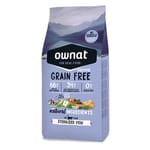
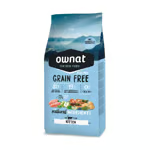
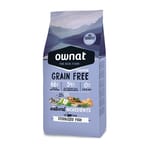
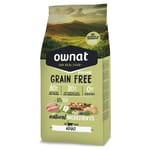
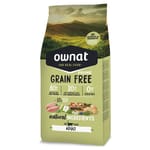
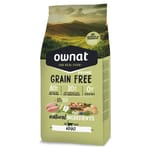
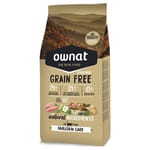
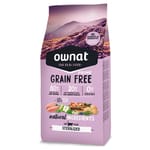
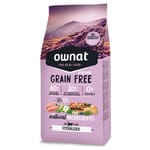
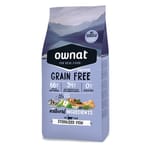
Ownat cat food represents the specialized feline feed range under the pet food brand Ownat. This series encompasses various formulations, designed to cater to the nutritional requirements of cats at different life stages, including kitten formulas. Ownat cat food is typically presented in dry kibble form, available in diverse packaging sizes, with 8kg being a common option. Consumers searching for Ownat cat food often look into Ownat cat food reviews or related products, such as Ownat wet food. This category page will showcase various cat food products manufactured by the Ownat brand, detailing their primary ingredients, target demographics, and available formats, serving as a reference for pet owners seeking Ownat cat food. These products are formulated with consideration for cats' daily dietary habits and fundamental nutritional profiles, without making any therapeutic or health-improvement claims.
Ownat cat food is a manufactured dietary product specifically formulated for felines, typically presented in dry kibble or wet pate forms, designed to provide comprehensive nutritional support.
This article aims to describe the structural attributes, material composition, and usage context within the Ownat cat food category. It does not seek to recommend specific products or provide comparative analysis of their advantages.
Ownat Cat Food: Common Classifications and Forms
The Ownat cat food category is commonly divided based on its physical form and the life stage it targets. Physical forms primarily include dry kibble and wet food. Dry kibble, characterized by its low moisture content, is typically produced through an extrusion process. This process involves mixing raw ingredients, cooking them under high pressure and temperature, and then shaping them into uniform pieces before drying. Wet cat food, conversely, has a significantly higher moisture content and often comes in cans, pouches, or trays. Its texture can range from pate to chunks in gravy or jelly. Beyond physical form, Ownat cat food is also classified by the specific physiological requirements of cats at different life stages, such as kitten, adult, and senior. Some formulations are further tailored for specific conditions, including those for sterilized cats or those requiring weight management. These classifications reflect the varying nutritional needs across a cat's lifespan and health status. The distinction between dry and wet Ownat cat food also influences feeding practices and storage requirements. Dry food is generally more shelf-stable once opened, while wet food typically requires refrigeration after opening.
Ownat Cat Food: Material Composition and Formulation Methods
The material composition of Ownat cat food is a critical aspect defining its nutritional profile and intended biological effect. Ingredients are typically categorized into protein sources, fat sources, carbohydrate sources, vitamins, minerals, and other functional additives. Common protein sources include poultry (such as chicken and turkey), fish (like salmon and tuna), and sometimes other animal proteins. These proteins provide essential amino acids necessary for muscle maintenance and overall physiological function. Fat sources, often derived from animal fats or plant oils, supply concentrated energy and essential fatty acids, such as Omega-3 and Omega-6, which contribute to skin and coat health. Carbohydrates, often from grains like rice or corn, or from alternative sources such as peas or potatoes, serve as an energy source. The inclusion of specific fruits and vegetables can also provide dietary fiber, antioxidants, and additional vitamins. Formulation methods for Ownat cat food involve precise calculation of nutrient ratios to meet established dietary guidelines for felines, such as those set by AAFCO (Association of American Feed Control Officials) or FEDIAF (European Pet Food Industry Federation). This often involves a multi-stage process where raw ingredients are carefully selected, measured, and blended before undergoing thermal processing. For dry kibble, extrusion cooking is a standard method, which involves high-temperature, short-time processing to ensure digestibility and pathogen reduction. Wet food production typically involves cooking ingredients, often in a retort, to ensure sterility and extend shelf life. Specialized Ownat cat food formulations, such as those for sensitive digestion or weight control, integrate specific ingredients or adjust nutrient concentrations. For instance, easily digestible protein sources or reduced fat content might be utilized in such specialized diets. The overall composition and processing aim to create a palatable and nutritionally complete product.
Ownat Cat Food: Properties Across Usage Environments
The properties of Ownat cat food can exhibit variations depending on the environmental context in which it is utilized. For instance, the energy density of the food becomes a more prominent factor in colder climates, where cats may expend more energy to maintain body temperature. In such environments, a formulation with higher caloric content might be considered to support increased metabolic demands. Conversely, in warmer climates or for indoor cats with lower activity levels, a less energy-dense Ownat cat food might be more appropriate to prevent excessive weight gain. The moisture content of the food also plays a role in different usage environments. Wet Ownat cat food contributes significantly to a cat's daily water intake, which can be particularly beneficial in environments where cats may not drink sufficient water independently, or for cats prone to urinary tract issues. Dry kibble, while convenient, requires cats to consume adequate water separately. Storage conditions also influence the properties of Ownat cat food. Dry kibble, when exposed to high humidity or fluctuating temperatures, can lose its textural integrity, palatability, and nutritional value due to oxidation of fats. Proper storage in airtight containers in cool, dry places is essential to maintain its intended characteristics. Wet food, once opened, is highly perishable and requires refrigeration to prevent bacterial growth, limiting its suitability for prolonged outdoor feeding in warm conditions. Furthermore, the presence of environmental allergens can sometimes necessitate specific hypoallergenic Ownat cat food formulations, altering the typical ingredient profile to mitigate adverse reactions. The interaction between the food's inherent properties and the external conditions of its use underscores the importance of considering environmental factors in dietary management.
Ownat Cat Food: Product Characteristics Based on Sales Ranking
Rank 1: Ownat All-Life-Stages Cat Food Free-Range Chicken & Turkey Easy Digest 8kg — This formulation is characterized by its primary protein sources of free-range chicken and turkey. The "Easy Digest" designation indicates the inclusion of ingredients or processing methods aimed at enhancing digestive efficiency. This often involves specific fiber sources or prebiotics, and highly digestible protein components. The 8kg packaging size suggests suitability for multi-cat households or long-term feeding for a single cat.
Rank 2: Ownat All-Life-Stages Cat Food Free-Range Chicken & Turkey Sterilized, Weight Management Formula 8kg — This Ownat cat food variant shares the free-range chicken and turkey protein base with the top-ranked product. However, its specific formulation for "Sterilized, Weight Management" indicates a modification in its macronutrient profile. Typically, such formulas feature reduced fat content and an adjusted fiber level to support satiety and manage caloric intake, which is pertinent for sterilized cats who often have lower energy requirements and a predisposition to weight gain. The 8kg size is consistent with bulk purchasing.
Rank 3: Ownat All-Life-Stages Cat Food Mixed Fish & Meat Sterilized, Weight Management Formula 1kg — This product incorporates a blend of fish and meat as its primary protein sources, offering a different flavor profile and potentially a broader amino acid spectrum compared to poultry-only formulations. The "Sterilized, Weight Management Formula" designation implies a similar nutritional adjustment to the second-ranked product, focusing on caloric control and satiety. The 1kg package size provides an option for single-cat households or for trial purposes.
Rank 4: Ownat All-Life-Stages Cat Food Mixed Fish & Meat Sterilized, Weight Management Formula 3kg — This Ownat cat food formulation is identical in its ingredient profile and functional designation to the 1kg version at Rank 3, featuring mixed fish and meat proteins and tailored for sterilized cats requiring weight management. The distinction lies solely in its packaging size, with the 3kg option catering to consumers seeking a larger quantity than the 1kg pack but smaller than the 8kg options.
Rank 5: Ownat All-Life-Stages Cat Food Free-Range Chicken & Turkey Skin & Coat Health 3kg — This Ownat cat food product utilizes free-range chicken and turkey as its main protein components. The "Skin & Coat Health" attribute suggests the incorporation of specific nutrients known to support dermatological well-being and coat quality. This often includes elevated levels of essential fatty acids (e.g., Omega-3 and Omega-6), certain vitamins (e.g., Biotin), and minerals (e.g., Zinc). The 3kg package size offers a medium-volume option for this specialized formula.
Ownat Cat Food: Quality Standards and Labeling Norms
Quality standards for Ownat cat food are generally governed by regional and national regulations, aiming to ensure product safety, nutritional adequacy, and truthful labeling. In regions like Europe, the European Pet Food Industry Federation (FEDIAF) provides nutritional guidelines that many manufacturers adhere to. In North America, the Association of American Feed Control Officials (AAFCO) sets similar standards. These standards dictate minimum and maximum levels for various nutrients, such as protein, fat, fiber, vitamins, and minerals, to ensure the food provides a complete and balanced diet for specific life stages. Labeling transparency is a fundamental aspect of these regulations. Ownat cat food packaging typically includes a guaranteed analysis, which specifies the percentages of crude protein, crude fat, crude fiber, and moisture. This analysis provides a quantitative overview of the macronutrient content. The ingredient list, presented in descending order by weight, offers insight into the raw materials used. This allows for verification of primary protein sources and the presence of specific ingredients. Furthermore, labels often include feeding guidelines, batch numbers, and best-before dates, which are crucial for product traceability and consumer information. Claims such as "grain-free" or "hypoallergenic" must be substantiated, though the specific verification process can vary by jurisdiction. Manufacturers often undergo voluntary certifications or audits by independent bodies to demonstrate adherence to quality management systems, such as ISO standards, further reinforcing the reliability of their Ownat cat food products. The adherence to these rigorous standards and transparent labeling practices is fundamental to maintaining consumer trust and ensuring the consistent quality of Ownat cat food.
Ownat Cat Food: Factual Insights
A verifiable factual insight regarding Ownat cat food, and indeed many dry pet foods, is the significant role of the Maillard reaction during the extrusion cooking process. This chemical reaction, occurring between amino acids and reducing sugars under heat, contributes to the distinctive flavor and aroma profile of dry kibble. While primarily responsible for desirable sensory attributes, careful control is necessary as excessive Maillard reaction can reduce the bioavailability of certain amino acids, particularly lysine. Another factual insight pertains to the energy density of Ownat cat food relative to its physical form. Dry kibble typically possesses a much higher caloric density per unit of weight compared to wet cat food. For example, a small volume of dry Ownat cat food can provide the same caloric intake as a considerably larger volume of wet food. This difference necessitates precise portion control, particularly for cats on weight management programs, as overfeeding dry kibble can lead to excessive caloric intake more readily than with wet food. This density difference is primarily due to the significantly lower moisture content in dry formulations, concentrating the energy-providing macronutrients.
The preceding text has provided a structural and compositional overview of Ownat cat food, detailing its various classifications, material components, and the influence of different usage environments. It has also presented characteristics of specific products based on sales ranking and discussed relevant quality standards and labeling practices. This information is presented without endorsement or comparative evaluation of particular products.
......View All