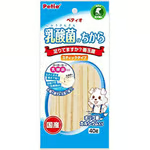
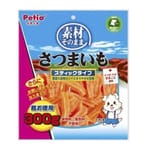
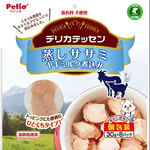
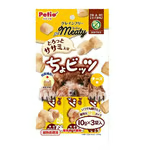
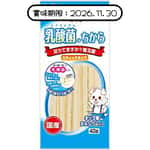
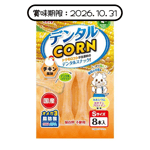
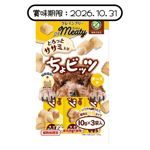
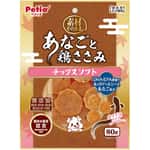
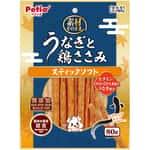
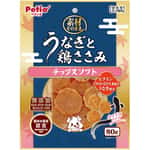
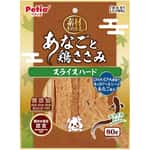
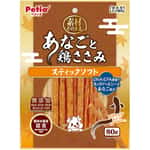
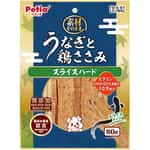
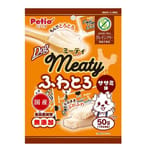
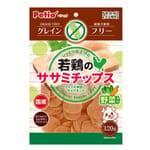
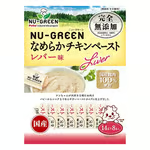
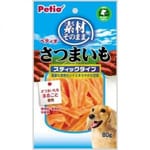
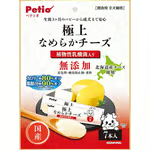
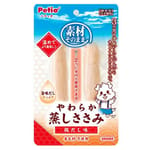
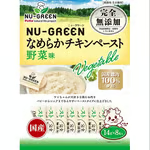
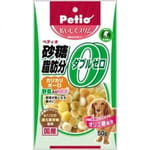
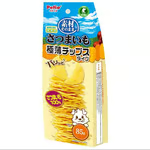
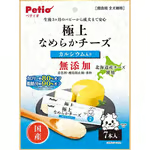
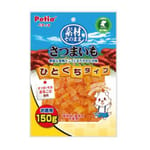
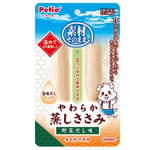
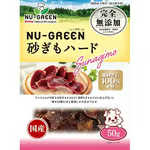
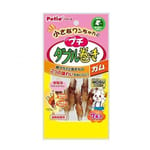
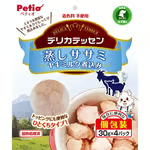
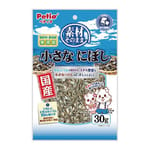
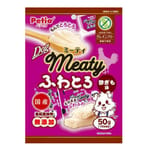
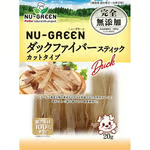
Petio dog treats offer a diverse range of supplementary food options for canines, encompassing various forms and flavors to cater to the needs of different dog breeds and sizes. These treats include chew sticks, jerky, and biscuits, primarily utilized as rewards, training aids, or inter-meal snacks. The ingredient composition for Petio dog treats varies across product lines, with common raw materials potentially including meats, grains, vegetables, or fruits. Some products are designed with specific functionalities in mind, such as dental hygiene or joint care, yet their main purpose remains to provide additional nutrition and satisfy a dog's chewing instinct. When selecting Petio dog treats, owners can choose based on their dog's age, activity level, and dietary preferences, ensuring the chosen treats complement the dog's daily diet and serve as an appropriate supplement to their main meals.
Petio dog treats encompass a diverse range of supplementary food items specifically formulated for canine consumption, designed to complement a dog's primary diet rather than serve as a complete nutritional source.
This article aims to describe the structural attributes, material composition, and usage contexts within the Petio dog treats category, without recommending specific products or comparing their respective advantages.
Petio Dog Treats: Classification by Functional Purpose
The classification of Petio dog treats commonly occurs based on their intended functional purpose within practical use contexts. One primary division separates treats according to their contribution to dental hygiene. Dental treats, for instance, are typically structured to encourage chewing and provide a mechanical abrasive action against tooth surfaces, which can assist in reducing plaque and tartar accumulation. These may feature specific shapes, textures, or incorporated ingredients such as calcium. Another functional category relates to general nutritional supplementation. These Petio dog treats often contain added vitamins, minerals, or specific macronutrients like protein, intended to support overall canine health. Examples include treats fortified with omega fatty acids (DHA, EPA) or those designed to support joint health. A third classification centers on training and behavioral reinforcement. These Petio dog treats are frequently smaller in size, easily broken or consumed quickly, and possess a palatable flavor profile to maintain a dog's engagement during training sessions. Their primary objective is to serve as a positive reinforcement tool. Furthermore, specialized treats exist for specific dietary needs or life stages, such as those formulated for puppies, senior dogs, or dogs with particular sensitivities. These might feature modified protein sources, reduced fat content, or easily digestible ingredients. The material composition and physical structure of each type of Petio dog treat are directly informed by its functional classification.
Petio Dog Treats: Material Composition, Structural Forms, and Processing Techniques
The material composition of Petio dog treats varies significantly, often forming the basis for their structural integrity and flavor profiles. Common protein sources include chicken, beef, fish (such as tuna or bonito), and lamb. These proteins can be utilized in various forms: as whole muscle meat, rendered meals, or hydrolyzed proteins for easier digestion. Carbohydrate components often include grains like corn, rice, or wheat, providing energy and binding properties. Some formulations utilize grain-free alternatives such as sweet potato, peas, or tapioca starch. Fats and oils, typically from animal sources like chicken fat or plant sources like flaxseed oil, contribute to palatability and provide essential fatty acids. Dietary fiber, sourced from ingredients like vegetables (carrots, spinach), fruits, or specific fiber supplements, is often incorporated to aid digestion. Vitamins and minerals are frequently added to ensure nutritional balance, especially when the treat is intended to provide specific health benefits. Preservatives, both natural (e.g., tocopherols, rosemary extract) and synthetic (e.g., BHA, BHT), are included to maintain product freshness and extend shelf life. Flavor enhancers, such as natural flavors or broths, are also common. The structural forms of Petio dog treats are diverse. They can be presented as soft chews, which are pliable and often contain a higher moisture content, suitable for dogs with dental issues or those that prefer a softer texture. Hard biscuits or crunchy kibble-like treats offer a more abrasive texture, potentially aiding in dental cleaning. Jerky-style treats are typically dried strips of meat, providing a chewy texture. Semi-moist treats strike a balance between soft and hard, offering both pliability and some resistance. Additionally, some Petio dog treats are formed into specific shapes, such as bones, sticks, or small cubes, each designed for a particular chewing experience or dispensing method. Processing techniques are fundamental to achieving these forms and ensuring product safety. Extrusion is a common method, where ingredients are mixed, cooked under high pressure and temperature, and then forced through a die to create various shapes. Baking is another technique, particularly for biscuits, involving heating dough until it solidifies. Drying, whether air-drying or freeze-drying, is used for jerky and other dehydrated Petio dog treats, removing moisture to inhibit microbial growth. Steaming can also be employed, particularly for softer, more palatable formulations. The specific combination of ingredients and processing methods dictates the final texture, density, and nutritional characteristics of each Petio dog treat.
Petio Dog Treats: Properties Across Usage Environments and Conditions
The properties of Petio dog treats exhibit variations depending on the environmental conditions and specific usage contexts. For instance, treats designed for outdoor training or extended activity sessions often possess a more robust structure and lower moisture content, making them less susceptible to spoilage in fluctuating temperatures or high humidity. Their durability ensures they remain intact during transport and handling in various weather conditions. Conversely, Petio dog treats intended for indoor, controlled environments, such as those used for quiet reinforcement or as an occasional indulgence, may feature softer textures or higher moisture levels. These characteristics might make them more palatable but also more prone to drying out or becoming less appealing if not stored correctly. Packaging plays a significant role in preserving the intended properties of Petio dog treats across different environments. Airtight, resealable pouches are common for maintaining freshness and preventing moisture absorption or loss, which directly impacts texture and palatability. Treats intended for specific dietary interventions, such as those designed for dogs with sensitive stomachs, require stable properties regardless of the environment; their ingredient integrity is paramount. Similarly, the structural integrity of dental Petio dog treats needs to be maintained to ensure their mechanical abrasive action is effective, regardless of the ambient temperature or humidity, which could otherwise soften or harden them inappropriately. The intended storage conditions specified on packaging are critical for maintaining the treat's properties. Exposure to direct sunlight, extreme temperatures, or high humidity can alter the chemical composition and physical attributes of Petio dog treats, potentially affecting their nutritional value, palatability, and safety. Therefore, the specific formulation and packaging are carefully chosen to optimize the treat's performance and stability within its anticipated usage environment.
Petio Dog Treats: Product Characteristics Based on Sales Ranking
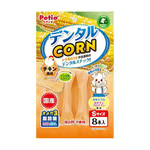
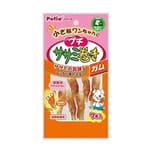
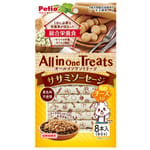
Rank 1: Petio Dog Treats Japanese Chicken Flavor Corn Dental Chews (+Calcium・DHA・EPA) 8-piece pack — This product consists of dental chews formulated with chicken as a primary flavor component and corn as a structural base. It is fortified with calcium, DHA (docosahexaenoic acid), and EPA (eicosapentaenoic acid). The physical form is a chew designed to promote dental hygiene through mechanical action. The pack contains 8 individual pieces.
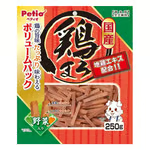
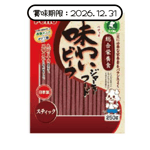
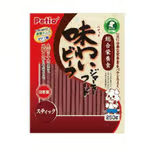
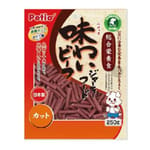
Rank 2: Petio Dog Treats Comprehensive Nutrition Japanese Rich Beef Strips Gut Health 250g — This item is a beef-based treat presented in strip form. It is marketed as providing comprehensive nutrition with a focus on gut health. The primary protein source is beef. The product comes in a 250g package.
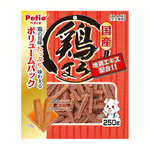
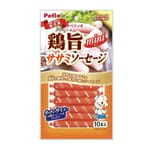
Rank 3: Petio Dog Treats Japanese Rich Steamed Chicken Strips Original Flavor 250g — This product features chicken as the main ingredient, processed into steamed strips. It has an original flavor profile, indicating no additional specific flavorings beyond the chicken base. The package contains 250g of treats.
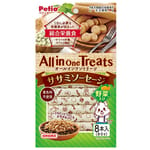
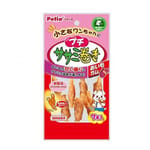
Rank 4: Petio Dog Treats Japanese Rich Steamed Chicken Strips High Fiber Vegetables 250g — Similar to the previous product, this item also consists of steamed chicken strips. However, it is differentiated by the inclusion of high-fiber vegetables in its formulation. The package size is 250g.
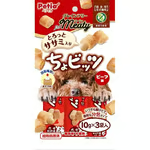
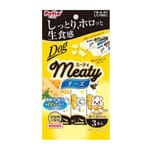
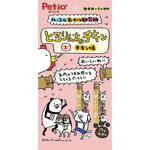
Rank 5: Petio Dog Treats Meaty Additive-Free Chicken Breast & Bonito & Cheese Flowing Core Meat Pellets (Medication Aid DHA・EPA+) 10g x 3 bags — This product is formulated as meat pellets with a flowing core. The primary ingredients are chicken breast, bonito (a type of fish), and cheese. It is stated to be additive-free. The formulation includes DHA and EPA, and it is positioned as an aid for administering medication. The product is packaged in three 10g bags.
Petio Dog Treats: Quality Standards, Labeling, and Documentation Norms
The quality standards for Petio dog treats, similar to other animal food products, are typically governed by national and regional regulations concerning pet food safety and labeling. These regulations often mandate specific requirements for ingredient sourcing, manufacturing processes, and the declaration of nutritional content. For products manufactured in Japan, for instance, there are established guidelines for pet food ingredients and safety, often overseen by governmental bodies or industry associations. These guidelines aim to ensure that Petio dog treats are safe for consumption and meet declared specifications. Labeling transparency is a key aspect of these standards. Product labels for Petio dog treats are generally required to list all ingredients in descending order by weight, providing consumers with information regarding the primary components. This includes the identification of protein sources, carbohydrate sources, fats, and any added vitamins, minerals, or functional ingredients like DHA and EPA. Nutritional guarantees, often presented as a "guaranteed analysis," typically state the minimum percentages of crude protein and crude fat, and maximum percentages of crude fiber and moisture. This analysis provides a standardized overview of the macronutrient content. The country of origin for Petio dog treats and their ingredients is also frequently declared, offering verifiable information on sourcing. Manufacturing dates, best-before dates, and batch numbers are standard elements on packaging, providing traceability and ensuring product freshness. Documentation norms extend to manufacturing practices, where facilities producing Petio dog treats are often expected to adhere to Good Manufacturing Practices (GMP). These practices ensure consistent quality, control contamination risks, and maintain hygiene throughout the production process. Third-party certifications or internal quality control protocols may further augment these standards, providing additional layers of assurance regarding product integrity and safety. For specialized Petio dog treats, such as those with dental claims or specific nutritional benefits, manufacturers may be required to provide scientific substantiation for these claims, though the extent of this varies by jurisdiction. The collective adherence to these standards, labeling requirements, and documentation norms provides a verifiable framework for assessing the quality and composition of Petio dog treats.
Petio Dog Treats: Factual Insights
Petio dog treats, particularly those designed for dental health, often incorporate specific enzymes or abrasive textures that are intended to interact with the tooth surface during chewing. One verifiable insight is that the effectiveness of these dental treats in reducing plaque and tartar is dependent on the duration and intensity of the dog's chewing activity. Treats with a harder, more fibrous structure generally require more chewing, thus potentially offering a greater mechanical cleaning action. The hardness and texture are engineered to provide resistance without causing dental damage. Another factual insight concerns the inclusion of functional ingredients in Petio dog treats. For example, the incorporation of DHA (docosahexaenoic acid) and EPA (eicosapentaenoic acid) is typically aimed at supporting cognitive function and skin and coat health. These omega-3 fatty acids are susceptible to oxidation, and therefore, their stability in Petio dog treats formulations is often maintained through the addition of antioxidants and appropriate packaging that minimizes exposure to light and air. The concentration and bioavailability of these fatty acids are critical for their intended effect. The process of steaming, as mentioned in some Petio dog treats descriptions, is a cooking method that primarily relies on moist heat. This method can result in a softer texture compared to baking or drying and may preserve certain heat-sensitive nutrients more effectively than other high-temperature processing methods. The moisture content of steamed Petio dog treats is generally higher than that of dry kibble or jerky, contributing to a different palatability profile.
The information presented provides a structural and compositional overview of Petio dog treats, detailing their various classifications, material attributes, processing methods, and adherence to quality standards. This descriptive framework is intended to enhance understanding of the category's verifiable characteristics.
......View All