Petz Route dog treats encompass various product forms, primarily utilized for canine rewards or daily supplementation. These treats are typically manufactured from different types of meats, grains, or vegetables, presenting as chew sticks, jerky, biscuits, or soft treats based on their composition and preparation methods. The design of Petz Route dog treats considers the dietary requirements and chewing habits of various dog breeds, offering a diverse array of choices. Product size and hardness vary to accommodate different dog sizes and ages, ensuring safe consumption. These treats focus on providing essential nutrients for dogs while avoiding unnecessary chemical additives. For dogs requiring dietary control or with specific allergens, Petz Route dog treats also offer clearly labeled ingredient options, facilitating selection based on the dog's health status.
Petz Route dog treats encompass a diverse range of supplementary food items specifically formulated for canine consumption, designed to complement a dog's primary diet rather than replace it.
This article aims to describe the structural attributes, material composition, and usage context within the category of Petz Route dog treats. It will present verifiable, objective information without promoting purchase or providing selection advice.
Petz Route Dog Treats: Common Divisions and Forms
Petz Route dog treats are commonly divided based on their intended function, physical form, and primary ingredients. One fundamental division categorizes treats by their texture and chewability, ranging from soft, palatable morsels to harder, more durable chews. Another classification distinguishes between training treats, which are typically small and easily consumable, and recreational treats, which often provide extended chewing activity. Petz Route dog treats can also be categorized by their primary protein source, such as poultry, beef, or dairy, or by their inclusion of specific functional ingredients like dental abrasives or fiber. Furthermore, the treats are often grouped by their manufacturing process, including baked, extruded, air-dried, or freeze-dried preparations. Each of these divisions reflects a particular approach to product formulation and presentation, influencing both the physical properties and the application of the treat within canine dietary practices. The structural integrity of these treats varies significantly, from highly compressible items to those designed to resist rapid degradation during consumption. The physical dimensions and shapes are also diverse, including sticks, cubes, pellets, and various molded forms, each engineered for specific interaction with a dog's oral structure and chewing patterns. This systematic classification aids in understanding the broad spectrum of products available under the Petz Route dog treats umbrella.
Petz Route Dog Treats: Material Composition and Processing Techniques
The material composition of Petz Route dog treats is characterized by a variety of ingredients selected for their nutritional contribution, palatability, and functional properties. Common primary ingredients include various animal proteins such as chicken, beef, or fish, often in the form of meals, fresh meat, or by-products. These protein sources contribute essential amino acids and fat. Carbohydrate sources like corn, wheat, rice, or potato are frequently incorporated as binders, energy providers, and textural agents. Some formulations may include alternative carbohydrate sources such as tapioca or various legumes. Fats and oils, derived from animal or plant sources, are included for energy density, palatability, and as carriers for fat-soluble vitamins. Fiber sources, such as cellulose, beet pulp, or various vegetable fibers, are added for digestive health and to influence stool consistency. Vitamins and minerals are typically supplemented to ensure a complete nutritional profile, even though treats are not intended as a sole food source. Flavoring agents and preservatives are also common components. Processing techniques for Petz Route dog treats vary widely. Extrusion is a prevalent method, involving forcing a mixture of ingredients through a die at high temperature and pressure, resulting in uniform shapes and textures. Baking is another technique, particularly for biscuit-type treats, where dough is cooked in an oven. Air-drying or dehydration reduces moisture content, extending shelf life and concentrating flavors. Freeze-drying preserves nutrients and flavor by removing water through sublimation. Dental chews often undergo specific molding or baking processes to achieve a dense, abrasive texture. The selection of ingredients and the processing method directly determine the final physical and chemical properties of each Petz Route dog treat, including its hardness, porosity, moisture content, and nutrient bioavailability. These manufacturing parameters are critical in defining the specific attributes of the final product.
Petz Route Dog Treats: Properties Across Usage Environments
The properties of Petz Route dog treats exhibit variations depending on their intended usage environment and conditions. For instance, treats designed for outdoor training sessions often possess a firmer texture and lower moisture content to resist degradation from environmental factors such as humidity or temperature fluctuations. Their structural integrity is maintained even when handled frequently or exposed to varying weather conditions. Conversely, treats intended for indoor, relaxed chewing might prioritize palatability and a softer consistency, as they are not subject to the same environmental stresses. The size and shape of Petz Route dog treats also correlate with their usage context; smaller, easily divisible treats are suitable for frequent positive reinforcement during training, where rapid consumption is desired. Larger, more durable chews are engineered for extended engagement, often used to occupy a dog or to assist with dental hygiene, and are typically consumed in a more controlled, stationary environment. The ingredient profile can also be tailored for specific usage; for example, treats with lower caloric density might be preferred for dogs undergoing weight management programs, irrespective of the environment. Treats with specific nutrient additions, such as joint support supplements, are formulated for particular dietary needs rather than environmental adaptability. The packaging of Petz Route dog treats also reflects usage environment considerations, with resealable bags or airtight containers common for maintaining freshness and preventing moisture absorption, which is particularly relevant for treats used in variable climates. The stability of the treat's physical form, its resistance to crumbling or melting, and its odor profile are all properties that are adjusted based on whether the treat is intended for immediate consumption during activity, prolonged engagement, or specific dietary management. This adaptability in properties ensures that Petz Route dog treats can fulfill their intended purpose across a spectrum of canine activities and care routines.
Petz Route Dog Treats: Product Characteristics from Sales Ranking Data
Product information based on sales ranking provides insight into the material, formulation, and structural characteristics of popular Petz Route dog treats without making recommendations or comparisons.
Rank 1: Petz Route Dog Dental Sticks Strawberry Flavor 10 Count (for Dogs) — These dental sticks are characterized by their elongated, textured form, designed to mechanically aid in dental cleaning. The primary ingredients typically include cereal grains, meat and animal derivatives, various sugars, and oils, with the strawberry flavor derived from natural or artificial flavoring agents. The texture is firm yet pliable, allowing for some mechanical abrasion during chewing. Each stick is uniformly shaped, indicating an extrusion or molding manufacturing process. The moisture content is typically low to ensure shelf stability and a firm chew. The formulation is designed for dogs and the pack size indicates a multi-unit offering.
Rank 2: Petz Route Dog Dental Sticks Fruit Melon Flavor 10 Count (for Dogs) — Similar to the strawberry-flavored variant, these dental sticks possess an elongated, textured structure. Their composition includes cereal grains, meat and animal derivatives, and various sugars and fats. The fruit melon flavor is incorporated through specific flavoring components, which may be natural or artificial. The manufacturing process results in a consistent, firm texture engineered for dental abrasion. The sticks are designed for canine dental care and are presented in a multi-unit package, maintaining a low moisture level for preservation and chew consistency. The structural characteristics are consistent with other dental stick products in the Petz Route dog treats range.
Rank 3: Petz Route Dog Dental Sticks Milk Flavor 10 Count (for Dogs) — These dental sticks share the fundamental elongated and textured design of other dental stick products. Their material composition typically involves cereal grains, meat and animal derivatives, and a blend of sugars and oils. The milk flavor is imparted through specific flavoring agents, which may include dairy derivatives or synthetic compounds. The production method ensures a firm yet somewhat flexible texture, facilitating mechanical cleaning during mastication. These sticks are formulated for canine consumption, provided in a multi-unit pack, and maintain a low moisture content to preserve their structural integrity and shelf life. The consistent form suggests a standardized manufacturing process.
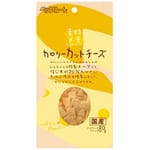
Rank 4: Petz Route Low Calorie Cheese Bites 80g (for Dogs) — These treats are typically small, bite-sized pieces, often cube or pellet-shaped. The formulation emphasizes a lower caloric density, which often involves a reduced fat content and potentially increased fiber. Primary ingredients usually include dairy derivatives (such as cheese powder), cereal grains, and vegetable proteins. The texture is generally firm but not excessively hard, allowing for easy consumption. The manufacturing process likely involves baking or extrusion followed by cutting. The 80g packaging indicates a specific net weight, and the product is specifically formulated as Petz Route dog treats for canine dietary needs with a controlled calorie profile. The cheese component contributes to palatability.
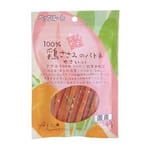
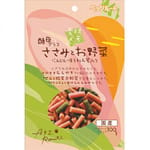
Rank 5: Petz Route Chicken Breast and Vegetable Snacks 100g (for Dogs) — These snacks are characterized by their inclusion of identifiable chicken breast and vegetable components. The form can vary, often appearing as small, irregular pieces or strips, reflecting the natural shape of the ingredients. The material composition prominently features chicken breast as a primary protein source, combined with various dehydrated vegetables. The processing method often involves air-drying or gentle baking to retain the integrity of the ingredients while reducing moisture content for preservation. The texture is typically chewy rather than crunchy. The 100g net weight indicates the product quantity, and it is formulated specifically as Petz Route dog treats for canine consumption, offering a combination of protein and fiber.
Petz Route Dog Treats: Verifiable Quality Standards and Labeling Norms
Verifiable quality standards and labeling norms for Petz Route dog treats are established through regulatory frameworks and industry guidelines, ensuring product consistency and consumer information. In many jurisdictions, pet food products, including treats, are subject to regulations governing ingredient definitions, manufacturing practices, and labeling accuracy. These regulations often mandate the clear listing of ingredients in descending order by weight, providing transparency regarding the product's material composition. Nutritional analysis, typically presented as guaranteed analysis, is a standard requirement, detailing minimum percentages of crude protein and crude fat, and maximum percentages of crude fiber and moisture. This allows for an objective assessment of the treat's macronutrient profile. Specific claims, such as "low calorie" or "dental care," must be substantiated by scientific data or adhere to predefined regulatory thresholds. Manufacturing facilities producing Petz Route dog treats are often required to follow Good Manufacturing Practices (GMPs), which dictate standards for hygiene, quality control, and process documentation. These practices ensure that products are consistently produced and controlled according to quality standards appropriate to their intended use. Traceability systems are also common, enabling manufacturers to track ingredients from source to finished product, which is crucial for quality assurance and recall management. Labeling typically includes the product name, net weight, ingredients list, guaranteed analysis, feeding guidelines (though treats are supplementary), manufacturer information, and often a best-before date. Some labels may also include specific certifications or seals from veterinary organizations or independent testing bodies, indicating adherence to additional quality standards. The absence of specific chemical contaminants, such as heavy metals or mycotoxins, is often monitored through routine testing. These stringent standards and transparent labeling practices ensure that the structural, compositional, and safety attributes of Petz Route dog treats are verifiable and consistently maintained, providing objective information to the consumer.
Petz Route Dog Treats: Factual Insights into Composition and Function
A factual insight concerning Petz Route dog treats relates to the role of specific carbohydrate polymers in dental chews. The mechanical action of dental chews is often attributed to their physical form and texture. However, the inclusion of certain insoluble dietary fibers, such as cellulose, in the formulation of Petz Route dog treats can enhance their abrasive properties. These fibers do not dissolve in water and retain their structure, contributing to the physical scrubbing action on tooth surfaces during mastication. This mechanical action helps dislodge plaque and tartar. The specific particle size and distribution of these fibers within the matrix of the dental treat are engineered to maximize this effect without causing undue wear on tooth enamel. This is a structural characteristic directly linked to the functional outcome of the treat. Another verifiable insight pertains to the moisture content of various Petz Route dog treats. Treats designed for extended shelf life and resistance to microbial growth typically maintain a moisture content below 10-12%. This low water activity inhibits the proliferation of bacteria and molds, thereby contributing to product stability without requiring extensive chemical preservation. Conversely, some softer, semi-moist treats may have higher moisture levels, often between 15-30%, and rely on humectants like glycerin or propylene glycol to bind water and prevent microbial spoilage. This difference in moisture content directly influences the texture, chewability, and preservation strategies employed for different types of Petz Route dog treats, illustrating a fundamental aspect of their material engineering. Both these points highlight specific material or structural attributes that contribute to the overall characteristics of Petz Route dog treats.
The classification and structural characteristics of Petz Route dog treats have been presented, detailing their common divisions, material composition, processing techniques, and variations across usage environments. The analysis of product characteristics from sales ranking data provided objective descriptions of material and structural attributes. Furthermore, verifiable quality standards and factual insights into treat composition and function were discussed. This article has focused on objective attributes without offering recommendations or guidance for selection.
......View All