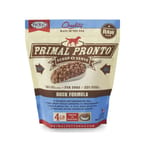
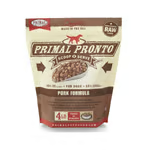
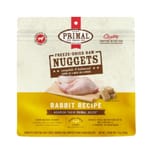
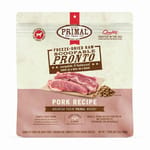
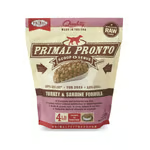
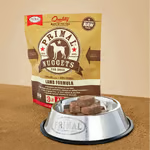
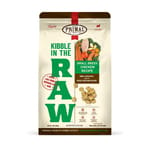
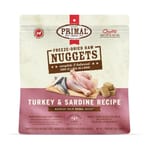
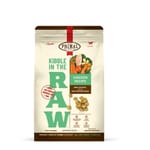
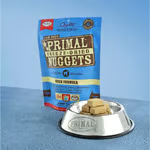
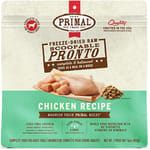
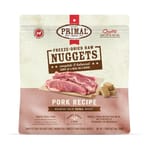
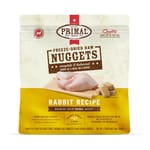
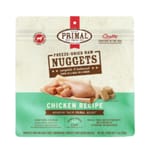
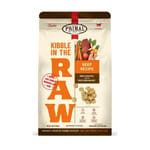
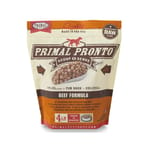
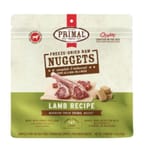
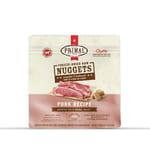
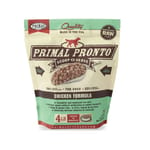
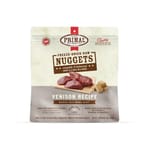
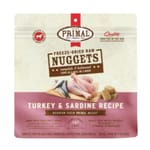
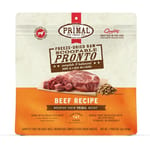
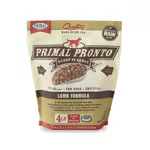
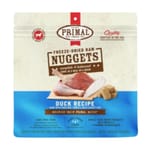
The PRIMAL dog food category encompasses various forms of pet food, primarily formulated to meet the nutritional requirements of canines. Products within this classification feature diverse recipes and ingredient combinations, aiming to provide a range of choices. PRIMAL dog food formulations often consider the specific needs of different dog breeds, ages, or activity levels, such as puppy, adult, or senior dog-specific diets. Some products may utilize freeze-drying technology to preserve the natural nutrients of the ingredients. This category page consolidates various dog diets designed by the PRIMAL brand, facilitating users in filtering and comparing options based on specific requirements, thereby ensuring suitable daily staple food choices for their dogs. For pet owners seeking particular PRIMAL dog food formulas or forms, this category offers a clear overview, aiding in the understanding of different product attributes.
Primal dog food refers to a category of commercially prepared diets for canines, often characterized by formulations that aim to replicate the nutritional profiles assumed to be consumed by ancestral canids in a wild environment.
This article aims to describe the structural attributes, material composition, and processing methods associated with this category of pet nutrition, without offering product recommendations or comparative evaluations of specific offerings.
Primal Dog Food: Common Classifications and Forms
The classification of Primal dog food frequently involves distinctions based on its physical form and the primary processing method applied. These forms dictate aspects of storage, preparation, and material handling. One common classification separates products into dehydrated forms, which have undergone a process to remove moisture, and raw forms, which retain their natural moisture content and are typically sold frozen. Within the dehydrated category, freeze-dried preparations constitute a significant sub-group, distinguished by a specific low-temperature drying technique. Another classification considers the completeness of the diet, differentiating between complete and balanced meals designed to be fed as a sole source of nutrition, and supplemental products intended to be added to other foods. These distinctions are fundamental for understanding the practical application and structural attributes of various Primal dog food products. The formulation strategies also vary, with some products focusing on single protein sources while others incorporate multiple animal proteins, often accompanied by a range of fruits, vegetables, and beneficial supplements. The physical presentation of these foods can range from small nuggets or patties to larger portions requiring further preparation by the consumer. Understanding these structural variations is key to comprehending the scope of Primal dog food offerings.
Primal Dog Food: Material Composition and Processing Techniques
The material composition of Primal dog food is typically centered on high proportions of animal-sourced ingredients, reflecting the dietary patterns of wild canids. This often includes muscle meat, organ meat, and ground bone from various animals. Common protein sources encompass chicken, turkey, duck, lamb, and pork, with some formulations also incorporating fish such as sardines. Beyond animal proteins, these diets frequently contain a selection of fruits and vegetables, chosen for their nutrient density and fiber content. Examples include berries, leafy greens, and root vegetables. Fats are usually derived from the animal ingredients themselves, or from supplemental sources like fish oil, providing essential fatty acids. The absence of grains, corn, and soy is a characteristic feature in many Primal dog food formulations, aligning with the ancestral diet concept. Processing techniques are critical in defining the final product. Freeze-drying, a prominent method for Primal dog food, involves freezing the raw ingredients and then placing them in a vacuum chamber, where ice sublimes directly into vapor. This process preserves nutrient integrity and reduces weight, extending shelf life without requiring refrigeration until opened. Dehydration, another technique, uses controlled heat and air circulation to remove moisture, also resulting in a shelf-stable product. For raw frozen Primal dog food, ingredients are typically ground, mixed, and then frozen, maintaining a state close to their original form. These processing variations directly impact the texture, rehydration properties, and storage requirements of the finished Primal dog food.
Primal Dog Food: Usage Contexts and Environmental Properties
The properties of Primal dog food can exhibit variability across different usage contexts and environmental conditions. For instance, the rehydration characteristics of freeze-dried Primal dog food are directly influenced by ambient humidity and water temperature. In drier climates, rehydration may occur more rapidly due to increased evaporation from the food’s surface, while colder water temperatures can slow the absorption process. The structural integrity of individual kibble or patty pieces, particularly in freeze-dried forms, can be affected by mechanical stress during transport or handling, potentially leading to fragmentation. Storage conditions are also paramount; exposure to direct sunlight or fluctuating temperatures can compromise nutrient stability and palatability over time. For frozen raw Primal dog food, maintaining a consistent frozen state below a specific temperature is essential to prevent microbial growth and maintain freshness. Thawing and refreezing are generally not recommended due to potential changes in texture and increased risk of bacterial proliferation. The moisture content of the environment can also impact the long-term stability of dehydrated products once opened, necessitating airtight storage to prevent moisture absorption and subsequent spoilage. These environmental considerations are integral to preserving the intended characteristics and nutritional value of Primal dog food throughout its lifecycle, from manufacturing to consumption. The composition of the product, such as the fat content, can also influence its susceptibility to oxidation when exposed to air and light, underscoring the importance of proper packaging and storage for all forms of Primal dog food.
Primal Dog Food: Product Characteristics from Sales Ranking
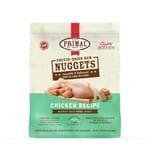
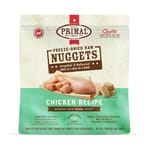
Rank 1: Primal Dog Food Dehydrated Freeze-Dried Raw Complete Meal Chicken Formula 14oz (CCF14FD) — This product features chicken as its primary protein source, combined with finely ground bone and organ meats. The formulation includes organic produce such as kale, carrots, and cranberries. It undergoes a freeze-drying process, which removes moisture while retaining the raw state of the ingredients. The product is designed to be rehydrated with water before serving, transforming into a moist, palatable meal. Its structural form consists of small, irregular nuggets, facilitating portion control and rehydration. The nutrient profile is balanced to meet the dietary requirements for canines, reflecting a complete meal. This specific Primal dog food utilizes a single primary animal protein for its base.
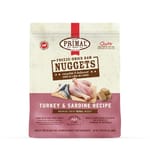
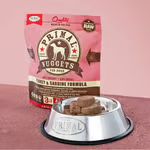
Rank 2: Primal Dog Food Dehydrated Freeze-Dried Raw Complete Meal Turkey & Sardine 14oz (CTF14FD) — This formulation incorporates a dual protein source, featuring turkey and sardines. The inclusion of sardines provides a source of omega-3 fatty acids. Similar to other freeze-dried offerings, it contains a blend of organic fruits and vegetables, along with various supplements. The manufacturing process involves freeze-drying, resulting in a lightweight, shelf-stable product that requires rehydration. The texture, upon rehydration, is soft and moist. The ingredient list highlights a combination of muscle meat, organ meat, and finely ground bone from both turkey and sardines, contributing to a comprehensive nutrient profile for Primal dog food.
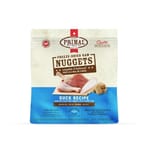
Rank 3: Primal Dog Food Dehydrated Freeze-Dried Raw Complete Meal Duck 14oz (CDF14FD) — This product is characterized by duck as its sole animal protein. Duck is often selected for its palatability and distinct fatty acid profile. The formulation includes a variety of organic produce and supplements, similar to other Primal dog food recipes. The freeze-drying technique is employed to preserve the raw integrity of the ingredients and extend shelf life. This product is intended for rehydration prior to feeding. The physical structure comprises small, easily breakable pieces that readily absorb water. The composition emphasizes a singular protein source, which can be a consideration for dietary management.
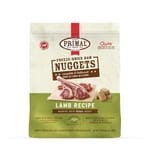
Rank 4: Primal Dog Food Dehydrated Freeze-Dried Raw Complete Meal Lamb 14oz (CLF14FD) — Featuring lamb as the primary protein, this Primal dog food offers an alternative protein source. The recipe integrates organic fruits and vegetables, along with specific vitamins and minerals, to ensure a complete and balanced nutritional offering. The processing method is freeze-drying, which maintains the raw state of the ingredients and allows for ambient temperature storage prior to opening. Rehydration with water is necessary to prepare the meal. The product presents as small, textured pieces designed for efficient water absorption. The lamb-based formulation provides a distinct flavor profile and nutrient composition.
Rank 5: Primal Dog Food Dehydrated Freeze-Dried Raw Complete Meal Pork 14oz (CPKF14FD) — This Primal dog food variant utilizes pork as its main protein component. The formulation includes a selection of organic produce and supplemental nutrients to provide a balanced diet. The product undergoes a freeze-drying process, ensuring a raw, shelf-stable format that requires rehydration. The physical form consists of small, irregular pieces configured for rapid rehydration. The protein source, pork, contributes a specific amino acid and fat profile to the overall composition. This product, like others in the freeze-dried raw category, is designed for ease of preparation by adding water.
Primal Dog Food: Quality Standards and Labeling Norms
The quality standards for Primal dog food are generally governed by regulatory bodies in the regions where they are manufactured and sold. In the United States, for instance, the Association of American Feed Control Officials (AAFCO) plays a significant role in establishing nutrient profiles for complete and balanced pet foods. Products labeled as "complete and balanced" must meet or exceed these AAFCO profiles for specific life stages (e.g., adult maintenance, growth). Labeling transparency is a key aspect of these standards. Product labels for Primal dog food typically list ingredients in descending order by weight, providing consumers with information about the primary components. This includes specific animal protein sources, types of fruits and vegetables, and any added supplements or vitamins. The "Guaranteed Analysis" section on the label provides minimum percentages of crude protein and crude fat, and maximum percentages of crude fiber and moisture. Information regarding the processing method, such as "freeze-dried raw" or "dehydrated," is also commonly displayed. Manufacturing facilities often adhere to Good Manufacturing Practices (GMPs) to ensure product safety and consistency. Documentation norms may include batch numbers and expiration dates, which are crucial for traceability and quality control. Certifications, such as organic certifications for produce, may also be present, indicating adherence to specific agricultural standards. Understanding these labeling and documentation norms is essential for interpreting the characteristics of any Primal dog food product.
Primal Dog Food: Factual Insights
One verifiable factual insight regarding Primal dog food, particularly freeze-dried varieties, is their significantly reduced weight compared to their raw, unfrozen counterparts. This reduction is a direct consequence of the sublimation process in freeze-drying, which removes approximately 98% of the water content. For example, a 14-ounce package of freeze-dried Primal dog food may be equivalent in nutritional content to several pounds of raw ingredients. This characteristic directly impacts storage requirements and portability without altering the fundamental nutritional composition. Another insight relates to the rehydration properties of freeze-dried Primal dog food. While designed for rehydration, the final texture and palatability can be influenced by the temperature of the water used for rehydration. Warmer water often leads to a softer, more thoroughly rehydrated product compared to cold water, which may result in a chewier texture. This is due to the enhanced solubility and absorption rates of water at higher temperatures, affecting how quickly the cellular structures of the freeze-dried ingredients reconstitute.
This article has provided an overview of Primal dog food, detailing its structural attributes, material composition, processing methods, and relevant quality standards. The information presented is objective and factual, focusing on the inherent characteristics of the category.
......View All