PURINA ALPO dog food provides essential daily nutrition for dogs. Products within this category encompass various formulations, designed to meet the dietary requirements of dogs at different life stages, including puppies, adult dogs, and senior dogs. PURINA ALPO dog food is typically presented in dry kibble form, with ingredient compositions varying based on specific formulas, but generally including protein, fat, carbohydrates, vitamins, and minerals. Some products may be tailored for specific dog sizes or activity levels to ensure appropriate energy and nutrient delivery. Consumers can select suitable PURINA ALPO dog food products based on their dog's life stage and daily activity level, aiming to provide a balanced diet.
Purina ALPO dog food refers to commercially manufactured canine nutritional products designed to provide sustenance for domestic dogs.
This article aims to describe the structural attributes, material composition, and usage context within the category of dog food, without providing product recommendations or comparing advantages.
Purina ALPO Dog Food: Common Classifications and Product Forms
The category of Purina ALPO dog food is commonly divided based on its physical form and moisture content. These primary divisions include dry kibble, wet canned food, and semi-moist varieties. Dry kibble, the most prevalent form, is characterized by its low moisture content, typically ranging from 3% to 12%. This low moisture level contributes to an extended shelf life and often requires less specialized storage conditions compared to other forms. Dry kibble is produced through an extrusion process, where ingredients are mixed, cooked under high pressure, and then cut into uniform shapes. The resulting pellets are then dried and often coated with palatability enhancers. Wet canned food, conversely, possesses a high moisture content, frequently exceeding 60% and sometimes reaching up to 85%. This form is typically packaged in hermetically sealed cans or pouches, which undergo a sterilization process to ensure stability and safety. The texture of wet food can vary from finely ground pâtés to chunky stews with discernible pieces of meat and vegetables suspended in gravy. Semi-moist dog food represents an intermediate category, with moisture levels generally between 25% and 45%. This form often has a softer, more pliable texture than dry kibble and is commonly processed using techniques that maintain some of the original ingredient integrity while still achieving a shelf-stable product. The classification by form directly influences packaging requirements, storage considerations, and feeding methods for Purina ALPO dog food products.
Purina ALPO Dog Food: Material Composition and Formulation Methods
The material composition and formulation methods of Purina ALPO dog food are central to its nutritional profile and physical characteristics. Dog food formulations generally consist of protein sources, carbohydrate sources, fats, vitamins, and minerals. Protein sources often include animal-derived ingredients such as chicken, beef, lamb, and fish, or plant-based proteins like soy and pea protein. The specific type and proportion of protein contribute to the amino acid profile of the food, which is essential for muscle maintenance and various metabolic functions. Carbohydrate sources typically include grains such as corn, wheat, rice, and barley, or grain-free alternatives like potatoes, sweet potatoes, and peas. These ingredients provide energy and dietary fiber. The processing of carbohydrates, such as grinding and cooking, affects their digestibility and glycemic response. Fats, derived from sources like animal fat, poultry fat, and various oils (e.g., flaxseed oil, sunflower oil), supply concentrated energy and essential fatty acids, including omega-3 and omega-6. These fatty acids are crucial for skin and coat health, as well as inflammatory responses. Vitamins and minerals are added in precise quantities to meet canine dietary requirements, preventing deficiencies and supporting overall physiological functions. Formulation methods involve combining these ingredients according to specific nutritional guidelines, often established by bodies such as the Association of American Feed Control Officials (AAFCO) in North America or the European Pet Food Industry Federation (FEDIAF) in Europe. The precise blending of ingredients, followed by cooking and extrusion for dry kibble or canning and sterilization for wet food, ensures a consistent and nutritionally balanced final product of Purina ALPO dog food.
Purina ALPO Dog Food: Property Variation Across Usage Contexts
The properties of Purina ALPO dog food can vary significantly across different usage environments or conditions, primarily in terms of storage stability and palatability retention. Dry kibble, due to its low moisture content, exhibits superior stability in varied environmental conditions compared to wet or semi-moist formulations. It is less susceptible to microbial growth when stored in a cool, dry place, and its nutrient profile generally remains intact over a longer duration after the package is opened. However, prolonged exposure to air can lead to oxidation of fats, potentially reducing palatability and nutrient efficacy. Wet dog food, once opened, requires refrigeration to prevent spoilage due to its high moisture content. Its properties, such as texture and aroma, are best preserved when consumed shortly after opening. Semi-moist foods, while more stable than wet food, also benefit from airtight storage to maintain their pliability and prevent drying out. The physical properties of Purina ALPO dog food, such as kibble size and texture, are also relevant to usage context. Smaller kibble is often formulated for smaller dog breeds or puppies, facilitating easier consumption. Larger, firmer kibble may be designed for larger breeds, potentially assisting with dental hygiene through mechanical abrasion. Environmental humidity can affect the texture of dry kibble, causing it to absorb moisture and become less crunchy if not stored properly. Temperature fluctuations can also impact the chemical stability of certain nutrients, especially vitamins, across all forms of Purina ALPO dog food, necessitating adherence to storage guidelines provided by the manufacturer.
Purina ALPO Dog Food: Product Characteristics from Sales Ranking
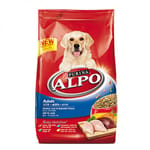
Rank 1: Purina ALPO Chicken Liver and Vegetable Formula Dog Food 10kg — This formulation is characterized by its primary protein source being chicken and liver, providing a blend of amino acids. The inclusion of vegetables indicates the presence of dietary fiber, vitamins, and minerals. The 10kg package size suggests it is intended for regular feeding of medium to large-sized dogs or households with multiple dogs. As a dry kibble, its structure is uniformly extruded pellets, indicating a low moisture content and a shelf-stable format. The formulation is designed to meet general adult canine nutritional requirements.
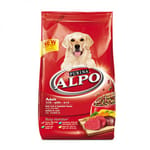
Rank 2: Purina ALPO Beef Liver and Vegetable Formula Dog Food 10kg — This product's defining characteristic is its primary protein source derived from beef and liver, offering a distinct protein profile compared to poultry-based formulations. Similar to the chicken variant, it incorporates vegetables for fiber and micronutrients. The 10kg unit size aligns with the practical needs of owners seeking bulk purchases for consistent feeding. Its structural form as a dry kibble implies a manufacturing process involving extrusion, resulting in a consistent texture and low moisture content for extended storage. This Purina ALPO dog food variant is also formulated for adult canine nutrition.
Purina ALPO Dog Food: Quality Standards and Labeling Norms
Quality standards and labeling norms for Purina ALPO dog food are governed by regulatory bodies to ensure product safety, nutritional adequacy, and transparency for consumers. In the United States, the Association of American Feed Control Officials (AAFCO) sets voluntary standards for pet food labeling and nutrient profiles, which are widely adopted by states. AAFCO provides nutrient profiles for different life stages, such as growth and reproduction, or adult maintenance. Products labeled as "complete and balanced" must meet these established profiles or pass feeding trials. Key labeling requirements include a product name, net weight, manufacturer's name and address, ingredient list, guaranteed analysis, and nutritional adequacy statement. The ingredient list details all components in descending order by weight, providing insight into the primary materials used. The guaranteed analysis specifies the minimum percentages of crude protein and crude fat, and maximum percentages of crude fiber and moisture. This numerical information allows for a direct comparison of macronutrient content. Nutritional adequacy statements, such as "formulated to meet the nutritional levels established by the AAFCO Dog Food Nutrient Profiles for Adult Maintenance," provide a verifiable claim about the food's nutritional completeness. Furthermore, manufacturing facilities for Purina ALPO dog food are subject to inspections by regulatory agencies to ensure compliance with good manufacturing practices (GMPs), which cover aspects such as hygiene, processing controls, and record-keeping. These standards collectively establish a framework for product quality and consumer understanding within the pet food industry.
Purina ALPO Dog Food: Factual Insights
A verifiable factual insight regarding Purina ALPO dog food, and dog food in general, is that the term "meal" when referring to meat ingredients (e.g., "chicken meal") indicates a rendered product. Rendering is a process that cooks meat at high temperatures to remove fat and water, concentrating the protein content. This process results in a dry, powdered ingredient that is significantly more protein-dense by weight than whole meat before rendering. Therefore, the presence of "chicken meal" high on an ingredient list often signifies a substantial protein contribution to the overall formulation of Purina ALPO dog food. Another factual insight pertains to the "best by" date or expiration date on pet food packaging. This date is not solely an indicator of safety but also represents the period during which the manufacturer guarantees the product will remain nutritionally intact and palatable under recommended storage conditions. Beyond this date, while the food may not necessarily be unsafe, there can be a gradual degradation of vitamin levels and changes in sensory attributes, such as aroma and texture, which could affect a dog's willingness to consume it. These dates are determined through stability testing conducted by manufacturers to ensure consistent quality and nutritional value throughout the product's intended shelf life.
This article has described the structural attributes, material composition, and usage context of dog food products, using Purina ALPO dog food as a reference. The information presented is objective and centers on verifiable characteristics of the category.
......View All