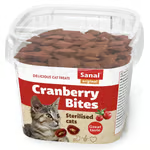
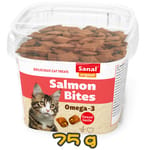
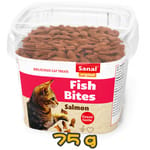
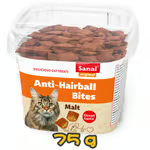
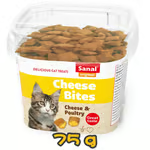
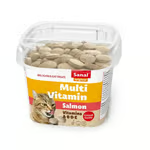
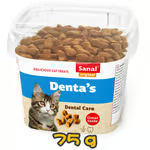
Sanal cat treats encompass various supplementary food options designed for felines. These products typically come in forms such as tablets, pellets, or mousses, intended to provide nutritional supplementation beyond main meals or as rewards. The composition of Sanal cat treats varies depending on the specific product, commonly including meats, fish, plant extracts, and vitamins and minerals. The primary use of these treats is as auxiliary food for training, soothing, or simply as a medium for interaction between pets and owners. Considering the digestive system and nutritional needs of cats, these types of products usually prioritize palatability and ease of digestion. Some Sanal cat treats may also be formulated for specific needs, such as incorporating fiber to aid in hairball excretion or ingredients to boost immunity. Consumers can select appropriate products based on their cat's age, weight, and dietary preferences, while also paying attention to feeding portions to avoid impacting main meal intake. nederma bv is a company related to such products, with cat treat options also featured in its product line.
Cat treats, a category of supplementary food items designed for felines, encompasses a diverse range of products formulated to complement a cat's primary diet.
This article aims to describe the structural attributes, material composition, and usage context within the cat treats category, rather than to recommend specific products or compare their relative advantages.
Classification of Cat Treats by Form and Function
Cat treats are commonly divided in practical use or supply contexts based on their physical form and intended functional attributes. One primary distinction is between crunchy and soft varieties. Crunchy cat treats are typically extruded or baked products, characterized by a firm, brittle texture. These often come in various shapes and sizes, designed for ease of consumption and sometimes incorporating features for dental hygiene. Soft cat treats, conversely, are generally moist or semi-moist, offering a more pliable texture. This category includes items such as pâtés, purées, and chewy morsels, which may be presented in tubes, pouches, or small pieces. Further classification within these forms can be based on specific functional additives. For instance, some cat treats are formulated with ingredients targeting hairball control, while others focus on dental health, joint support, or skin and coat condition. The inclusion of these functional components often dictates the specific processing methods and ingredient ratios. Another common practical division is by the primary protein source, with varieties often highlighting chicken, fish, or other animal proteins as their main ingredient. The size and shape of cat treats also contribute to their practical classification, influencing how they are dispensed and consumed by felines of different ages and sizes. Understanding these common divisions provides a framework for analyzing the structural and compositional differences across the cat treats landscape.
Material Composition and Processing Techniques in Cat Treats
The differences in material composition, structural forms, formulation methods, and processing techniques are fundamental to the variety observed in cat treats. Material composition typically involves a blend of animal-derived proteins, fats, carbohydrates, vitamins, and minerals. Protein sources often include poultry meals, fish meals, or hydrolyzed proteins, which contribute to the palatability and nutritional profile. Fats, such such as animal fats or vegetable oils, are incorporated for energy density and to aid in the absorption of fat-soluble vitamins. Carbohydrates, often derived from grains like corn or wheat, or from potatoes and peas in grain-free formulations, serve as binders and provide additional energy. The structural forms of cat treats are directly influenced by their processing. Crunchy treats, for example, often undergo an extrusion process where ingredients are mixed, cooked under pressure, and then forced through a die to create specific shapes before being dried and coated. This process results in a low moisture content and a firm texture. Soft or semi-moist cat treats, on the other hand, might involve baking, molding, or a combination of processes that retain higher moisture levels, often through the inclusion of humectants like glycerin. Formulation methods vary depending on the desired functional outcome. For treats designed for dental health, abrasive textures or specific enzyme additives might be incorporated. For hairball control, ingredients such as psyllium husk or other sources of fiber are commonly added. Joint support cat treats often contain glucosamine, chondroitin, or omega-3 fatty acids. The precise blending of these ingredients, along with specific heating, drying, and shaping protocols, defines the final physical and chemical properties of each type of cat treats. The manufacturing process for specialized cat treats, for instance, might involve microencapsulation of certain active ingredients to ensure their stability and bioavailability.
Environmental and Usage Contexts for Cat Treats
The properties of cat treats may vary across different usage environments or conditions, influencing their stability, palatability, and efficacy. Environmental factors such as temperature, humidity, and light exposure can affect the shelf life and sensory attributes of cat treats. Higher temperatures can accelerate the oxidation of fats, leading to rancidity, while high humidity can cause soft treats to mold or crunchy treats to lose their crispness. Therefore, storage instructions, often recommending cool, dry places, are critical for maintaining product integrity. The packaging materials themselves are designed to mitigate these environmental impacts, using barriers against moisture, oxygen, and light. Usage conditions also dictate the suitability of certain types of cat treats. For instance, treats designed for dental health are typically crunchy and have an abrasive texture, intended to aid in plaque removal during chewing. These are most effective when consumed regularly as part of a dental care regimen. Treats formulated for specific health benefits, such as joint support or hairball control, are often intended for consistent, long-term use rather than occasional indulgence. The size and texture of cat treats are also important considerations in different usage contexts. Smaller, softer treats might be more suitable for older cats or those with dental issues, while larger, firmer treats could be appropriate for younger, more vigorous chewers. The frequency and portion size of cat treats are also usage-dependent, typically guided by manufacturer recommendations to avoid overfeeding and to ensure they remain supplementary to a balanced primary diet. The specific formulation of a cat treats product, including its moisture content and ingredient stability, directly impacts its performance under varying environmental and usage conditions, from initial opening to the final consumption.
Product Characteristics of Cat Treats Based on Sales Ranking
Rank 1: Sanal Wellness Anti-inflammatory Crunchy Cat Treats 75g — This cat treats product is characterized by a crunchy texture, indicating a low moisture content likely achieved through extrusion and drying. Its formulation includes ingredients selected for their anti-inflammatory properties, suggesting the incorporation of specific botanical extracts or omega fatty acids. The 75g packaging size is a standard offering for supplementary feline food items. The structural integrity of these treats is designed to withstand normal handling and storage conditions, maintaining its crunchy consistency.
Rank 2: Sanal Selected Hairball Control Crunchy Cat Treats 75g (Orange) — This variant of cat treats also features a crunchy texture. The primary functional characteristic is hairball control, which typically involves the inclusion of dietary fibers such as cellulose or psyllium husk in the formulation. These fibers aid in the passage of ingested hair through the digestive system. The ‘orange’ descriptor may refer to the packaging color or a specific ingredient that imparts a color, but does not inherently describe a flavor or functional component. Its 75g weight is consistent with other products in the line.
Rank 3: Sanal Netherlands Bright Coat Dental Granules 75g — This product, classified as dental granules, suggests a small, granular form factor distinct from typical crunchy treats. The primary function is indicated as bright coat and dental care. Dental granules often possess a specific texture or incorporate enzymes designed to mechanically or chemically assist in plaque reduction. Ingredients for coat health typically include omega-3 and omega-6 fatty acids, or specific vitamins and minerals. The 75g unit weight is standard. The term "granules" indicates a specific manufacturing process that yields small, uniform particles.
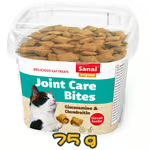
Rank 4: Sanal Selected Joint Support Crunchy Cat Treats 75g — These crunchy cat treats are formulated with ingredients aimed at supporting joint health. Common active components in such formulations include glucosamine, chondroitin, or methylsulfonylmethane (MSM), which are known for their roles in cartilage maintenance and joint lubrication. The crunchy texture implies a similar manufacturing process to other crunchy Sanal cat treats, ensuring a low moisture content and extended shelf life. The 75g packaging is a consistent volume for this product type.
Rank 5: Sanal Selected High Calcium Strong Heart Crunchy Cat Treats 75g (Yellow) — This cat treats product is distinguished by its crunchy texture and a formulation designed for high calcium content and cardiovascular support. High calcium content is achieved through the inclusion of calcium-rich ingredients or calcium supplements, important for bone health. Cardiovascular support formulations often incorporate ingredients such as taurine, L-carnitine, or specific antioxidants. The ‘yellow’ descriptor likely refers to packaging or a specific ingredient, similar to the ‘orange’ descriptor for other products. The 75g weight is standard.
Quality Standards and Labeling Transparency for Cat Treats
Verifiable quality standards, labeling transparency, and documentation norms are crucial aspects of the cat treats category. Regulatory bodies in various regions establish guidelines for pet food manufacturing, including cat treats, to ensure product safety, accurate labeling, and nutritional adequacy. These standards typically cover aspects such as ingredient sourcing, processing methods, contaminant limits, and the presence of specific nutrients. For example, standards often mandate that ingredients be listed in descending order by weight, providing transparency about the material composition. Nutritional analysis, including guaranteed analysis of crude protein, crude fat, crude fiber, and moisture content, is a common requirement on cat treats packaging. This allows consumers to understand the macronutrient profile of the product. Furthermore, specific claims made on packaging, such as "hairball control" or "joint support," are often subject to substantiation requirements, meaning manufacturers must possess data or scientific evidence to support these functional claims. Documentation norms include lot numbers, manufacturing dates, and best-by dates, which are essential for traceability and quality control. Certifications from independent organizations, though not always mandatory, can also indicate adherence to specific quality or ethical standards beyond basic regulatory compliance. The name nederma bv, a company often associated with the manufacturing or distribution of certain pet products, would typically operate under these established quality and documentation protocols. Adherence to these standards provides a verifiable basis for the characteristics stated on the packaging of cat treats.
Factual Insights into Cat Treats Manufacturing
One verifiable factual insight regarding cat treats is that the extrusion process, commonly used for producing crunchy varieties, can reach temperatures exceeding 100 degrees Celsius under high pressure. This intense thermal processing not only cooks the ingredients but also contributes to the gelatinization of starches and the denaturation of proteins, which affects the digestibility and texture of the final cat treats product. The precise control of temperature, pressure, and die design during extrusion determines the shape, density, and crispness of the treats. Another insight is that the palatability of cat treats is often enhanced through the application of digest or palatants after the primary cooking and drying phases. These palatants, typically liquids or powders derived from animal proteins, are sprayed onto the surface of the cat treats. The coating adheres to the porous surface created during drying, significantly influencing the aroma and taste perceived by felines. This post-processing application is a distinct step from the initial mixing of ingredients and is critical for achieving the desired acceptance rates among cats for a wide range of cat treats.
This article has provided a structured overview of cat treats, detailing their classification, material composition, processing, and quality parameters. The information presented is objective and focuses on verifiable attributes within the category.
......View All