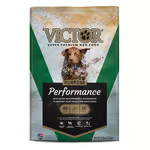
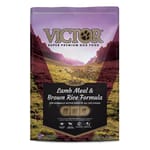
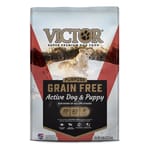
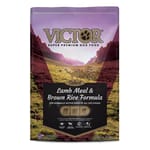
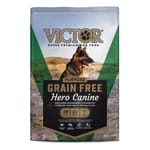
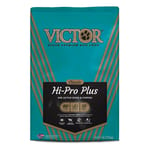
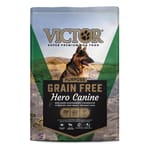
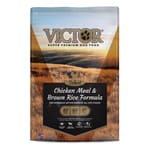
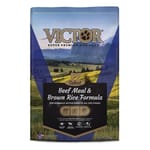
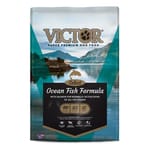
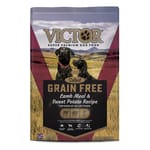
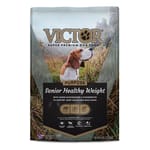
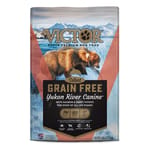
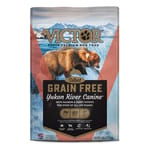
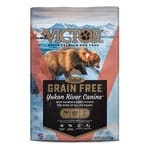
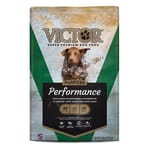
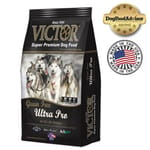
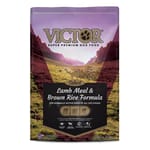
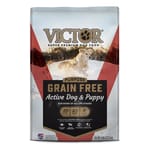
Victor dog food is a pet food brand offering various formulations and types of dog food products. Its product line encompasses different life stages and activity levels for dogs, such as formulas specifically designed for puppies, adult dogs, and senior dogs, as well as products tailored for varying activity levels. Victor dog food formulations typically include multiple protein sources, fats, carbohydrates, vitamins, and minerals, aiming to provide the daily nutrition required by dogs. Some formulations may emphasize specific ingredients to cater to individual dietary needs of different dogs. These dog food products are presented in kibble form, facilitating feeding and storage, and are available in various package sizes to suit different households and dog consumption rates.
Victor dog food refers to a range of canine nutritional products formulated to support the dietary needs of dogs across various life stages and activity levels.
This article aims to describe the structural attributes, material composition, and usage context within the category of Victor dog food, without engaging in product recommendation or comparative analysis of advantages.
Victor Dog Food: Classification by Formulation Type
Victor dog food products are commonly divided based on their primary formulation characteristics, which dictate ingredient selection and processing. One significant division is between grain-inclusive and grain-free formulas. Grain-inclusive Victor dog food typically incorporates whole grains such as sorghum, millet, and oats, serving as sources of carbohydrates, fiber, and certain micronutrients. These grains undergo specific milling and cooking processes to enhance digestibility. In contrast, grain-free Victor dog food formulations replace traditional grains with alternative carbohydrate sources like peas, sweet potatoes, and chickpeas. This distinction is fundamental to how the ingredient list is constructed and how the nutrient profile is balanced. Another classification method involves the protein source; some Victor dog food varieties emphasize single-source animal proteins, while others utilize multiple protein sources. For instance, a formula might exclusively feature salmon as its primary animal protein, whereas another could combine beef, chicken, and pork meals. This differentiation impacts the amino acid profile and the palatability attributes of the product. Further categorization occurs based on the intended life stage, such as puppy, adult, or senior formulas, each designed with specific caloric densities and nutrient ratios to support the physiological demands of that particular developmental phase. Activity level also serves as a classification parameter, with formulas tailored for highly active or working dogs often containing higher fat and protein content compared to those designed for less active or sedentary companions. These distinctions are clearly articulated on product packaging and in official product descriptions, providing transparent structural information about each Victor dog food variant.
Victor Dog Food: Material Composition and Processing
The material composition of Victor dog food involves a precise selection of ingredients, each contributing to the overall nutritional profile. Protein sources are typically derived from animal meals, such as beef meal, chicken meal, pork meal, and fish meal. These meals are concentrated forms of protein, produced by rendering and grinding animal tissues, which removes moisture and fat, leaving a high-protein ingredient. Fat sources commonly include chicken fat, beef fat, and various vegetable oils like canola oil or flaxseed oil, providing essential fatty acids and concentrated energy. Carbohydrate components, whether from grains or grain-free alternatives, undergo specific processing to ensure digestibility. For example, sorghum and millet in grain-inclusive Victor dog food are often micronized or flaked to break down complex starches. Sweet potatoes and peas in grain-free options are typically dried and ground into flours. Fiber sources, such as dried beet pulp, chicory root, or various vegetable and fruit pulps, are included to support digestive health and stool quality. Vitamins and minerals are added in precise quantities to meet established nutritional guidelines, often in chelated forms to enhance bioavailability. Probiotics and prebiotics are also frequently incorporated into Victor dog food to support gut microbiome balance. The manufacturing process for Victor dog food primarily involves extrusion. Ingredients are first ground, mixed according to the specific formula, and then cooked under high heat and pressure in an extruder. This process gelatinizes starches, improves nutrient digestibility, and forms the kibble shape. The cooked mixture is then forced through a die, cut into individual pieces, and dried to a specific moisture content. A palatability coating, often a blend of fats and flavors, is typically applied to the kibble surface after drying. This entire process is controlled to maintain ingredient integrity and ensure consistent product quality for every batch of Victor dog food.
Victor Dog Food: Properties Across Usage Environments
The properties of Victor dog food can exhibit variations depending on the environmental conditions in which it is stored or consumed. For instance, in high-humidity environments, kibble can absorb moisture, potentially altering its texture and increasing the risk of mold growth if not stored properly in an airtight container. The structural integrity of the kibble, such as its hardness and friability, can be compromised under such conditions, leading to crumbling. Conversely, in very dry environments, the kibble may become excessively brittle, also leading to increased breakage during handling. The palatability of Victor dog food can also be influenced by temperature. Elevated temperatures can accelerate the oxidation of fats within the kibble, leading to rancidity and a reduction in appeal to dogs. This chemical change can also degrade fat-soluble vitamins. Conversely, extremely cold temperatures do not typically affect the chemical stability of the kibble as significantly, but they can make the kibble harder and less aromatic, which might marginally impact its initial acceptance by some dogs. Storage in environments exposed to direct sunlight can lead to the degradation of light-sensitive vitamins and antioxidants present in Victor dog food, reducing its nutritional efficacy over time. The packaging material itself plays a critical role in mitigating these environmental impacts, with multi-layer bags designed to reduce oxygen and moisture transmission. Understanding these environmental interactions is crucial for maintaining the intended characteristics and nutritional value of Victor dog food throughout its shelf life, irrespective of specific usage requirements for a sensitive stomach.
Victor Dog Food: Product Characteristics Based on Sales Ranking
Rank 1: Victor Grain-Free All Life Stages Dog Food Salmon Formula 5lb — This formula features salmon as the primary animal protein source. The ingredient list includes responsibly sourced salmon meal, sweet potatoes, peas, and chickpeas as main carbohydrate components. It is formulated without grains, soy, corn, or wheat. The fat content is derived from chicken fat, preserved with mixed tocopherols. This specific Victor dog food also contains a blend of prebiotics and probiotics, along with added chelated minerals and vitamins to support overall health. The kibble size is designed for all life stages, indicating a moderate particle dimension suitable for various dog sizes.
Rank 2: Victor Grain-Free All Life Stages Dog Food Salmon Formula 15lb — Structurally identical to the 5lb variant, this Victor dog food product maintains the same material composition and formulation. It features salmon meal as the primary protein, complemented by grain-free carbohydrate sources such as sweet potatoes, peas, and chickpeas. The fat source is chicken fat, and it includes a proprietary blend of prebiotics, probiotics, and antioxidants. The absence of grains, corn, wheat, and soy is a defining characteristic. The kibble dimensions and density are consistent with the smaller package size, designed for comprehensive nutrition across all life stages.
Rank 3: Victor Grain-Free All Life Stages Dog Food Salmon Formula 30lb — This large format Victor dog food offering shares the precise formulation and ingredient profile with its 5lb and 15lb counterparts. The core components include salmon meal, sweet potatoes, peas, and chickpeas. Chicken fat provides the necessary lipid content, preserved with mixed tocopherols. The formula is free from common grain allergens and contains a comprehensive vitamin and mineral package, alongside beneficial microorganisms for gut health. This Victor dog food variant provides consistent nutritional attributes in a larger volume, aimed at maintaining the health of dogs across their lifespan with a focus on protein from salmon.
Rank 4: Victor Grain-Free All Life Stages Dog Food Pro42 Performance Formula 30lb — This high-protein Victor dog food formula is characterized by a minimum of 42% protein content, derived from a blend of multiple animal protein sources including beef meal, chicken meal, and pork meal. It is a grain-free formulation, utilizing sweet potatoes and peas as primary carbohydrate sources. The fat content is elevated, primarily from chicken fat, to support high energy demands. This Victor dog food includes a comprehensive array of vitamins, minerals, and digestive aids such as prebiotics and probiotics. The kibble is formulated for highly active or working dogs, implying a nutrient density designed for performance and endurance, aligning with the needs for high energy consumption.
Rank 5: Victor All Life Stages Dog Food Healthy Grains Formula 5lb — This grain-inclusive Victor dog food formula incorporates whole grains such as sorghum and millet, alongside beef meal as the primary protein source. Chicken fat provides the fat content. The formulation also includes a blend of vegetables and fruits as natural sources of vitamins and fiber. Unlike the grain-free options, this formula specifically utilizes grains for carbohydrate provision and digestive health. It is designed to support dogs throughout all life stages, offering a balanced nutritional profile for general maintenance. The inclusion of chelated minerals and a proprietary blend of prebiotics and probiotics supports nutrient absorption and gut function, making it a robust option for general canine nutrition.
Victor Dog Food: Quality Standards and Labeling
The manufacturing of Victor dog food adheres to established quality standards and regulatory frameworks, primarily those set forth by the Association of American Feed Control Officials (AAFCO). AAFCO provides guidelines for pet food labeling and nutrient profiles, ensuring that products marketed as "complete and balanced" meet specific dietary requirements for a given life stage. For Victor dog food, this means that each formula undergoes rigorous analysis to verify its compliance with AAFCO nutrient profiles, such as those for growth, adult maintenance, or all life stages. Labeling transparency is a cornerstone of the Victor brand. Every package of Victor dog food features a guaranteed analysis, which specifies the minimum percentages of crude protein and crude fat, and the maximum percentages of crude fiber and moisture. This analysis provides an objective snapshot of the macronutrient composition. Additionally, the ingredient list is presented in descending order by weight, allowing consumers to identify the most prevalent components. Detailed information regarding calorie content (metabolizable energy) is also provided, expressed in kilocalories per kilogram (kcal/kg) and per cup. Manufacturing facilities producing Victor dog food are subject to regular inspections to ensure adherence to Good Manufacturing Practices (GMPs), which cover aspects such as facility sanitation, ingredient handling, and process control. Batch codes and expiration dates are clearly printed on packaging, enabling traceability and ensuring product freshness. Documentation norms include certificates of analysis for raw ingredients and finished products, verifying nutrient content and the absence of contaminants. These verifiable standards and clear labeling practices provide an objective framework for understanding the composition and quality assurance protocols for Victor dog food.
Victor Dog Food: Factual Insights
One verifiable factual insight regarding Victor dog food pertains to its manufacturing location. All Victor dog food products are produced in the United States, specifically at their facility in Mount Pleasant, Texas. This centralized production ensures consistent quality control and oversight of the entire manufacturing process, from ingredient sourcing to final packaging. The company maintains direct control over its production lines, allowing for strict adherence to proprietary formulations and quality assurance protocols. This geographical concentration of manufacturing operations is a specific characteristic of the brand's operational model. Another factual insight relates to the inclusion of specific nutritional complexes within Victor dog food formulas. Many of their products incorporate what they term "VPRO Blend," which is a proprietary mix of ingredients designed to support digestive health, immune function, and coat condition. This blend typically includes components such as selenium yeast, mineral proteinates, prebiotics, and probiotics. The consistent presence of this VPRO Blend across various Victor dog food lines is a distinguishing formulation feature, indicating a standardized approach to supporting various physiological systems in dogs, regardless of the specific protein or carbohydrate base of the formula. This consistent inclusion reflects a specific formulation strategy across their diverse product range.
The preceding information provides a structural and compositional overview of Victor dog food, detailing its classification, material attributes, environmental considerations, product characteristics, and regulatory adherence. The aim has been to present an objective description of the category's framework.
......View All