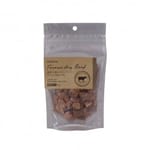
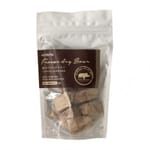
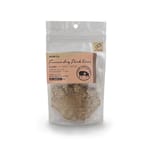
WHITE FOX cat treats offer various forms of supplementary food for felines, designed to meet the daily auxiliary needs of cats. This category encompasses treat products with different textures and ingredient combinations, considering feline chewing habits and nutritional supplementation. WHITE FOX cat treats include product types such as freeze-dried, purees, strips, and kibbles, each form facilitating owners to choose according to their cat's preferences or feeding situations. These treats are typically made from single or multiple meat proteins, with some products potentially containing added vitamins or minerals. Products within this category are suitable for cats of various age stages, serving as an additional reward or nutritional supplement beyond their main diet. Consumers can select appropriate WHITE FOX cat treats based on product ingredient information and recommended feeding amounts, providing diverse dietary options and serving as aids for behavioral training or emotional interaction.
Cat treats, particularly freeze-dried varieties, represent a distinct segment within the broader pet food industry, characterized by specific processing methods and ingredient profiles aimed at feline consumption.
This article provides an objective classification of cat treats, focusing on structural attributes, material composition, and manufacturing processes. The intent is to describe the inherent characteristics of these items, not to endorse specific products or offer comparative evaluations.
Cat Treats: Classification by Form and Processing
Cat treats are commonly categorized based on their physical form and the primary processing method employed during their production. These distinctions often dictate the textural properties and ingredient stability of the final product. Examples include soft chews, crunchy biscuits, semi-moist morsels, and various forms of dehydrated or freeze-dried preparations. Each category exhibits specific structural attributes. For instance, soft chews typically contain higher moisture content and binders to maintain pliability, while crunchy biscuits undergo baking or extrusion followed by drying to achieve a firm texture. Dehydrated products involve the removal of water through heat, whereas freeze-dried cat treats utilize a sublimation process, which preserves the original structure and nutrient profile of the raw ingredients more extensively. The specific form chosen for a cat treat influences its palatability and how it interacts with the feline oral cavity. Furthermore, the processing method impacts the shelf life and storage requirements, with more moisture-reduced forms generally exhibiting longer stability under ambient conditions. Understanding these fundamental classifications provides a basis for comprehending the diverse landscape of cat treats available.
Cat Treats: Material Composition and Formulation Methods
The material composition of cat treats varies significantly, often reflecting the intended nutritional profile or palatability goals. Primary ingredients typically include animal proteins, such as chicken, beef, fish, or lamb, which serve as the foundational component due to their inherent appeal to felines. These protein sources can be utilized in various forms, including muscle meat, organs, or rendered meals. Beyond protein, cat treats may incorporate fats, often derived from the same animal sources or from plant-based oils, to enhance energy density and palatability. Carbohydrates, such as grains, starches, or vegetables, are also found in some formulations, acting as binders, fillers, or sources of dietary fiber. The formulation methods dictate how these raw materials are combined and processed. For instance, freeze-dried cat treats involve minimal alteration to the raw ingredients beyond the water removal process, aiming to retain the original nutrient structure. In contrast, extruded treats combine ingredients into a dough, which is then forced through a die and cooked, resulting in a dense, uniform product. The inclusion of specific vitamins, minerals, and other supplements is also a common formulation practice, ensuring the nutritional completeness or targeted benefits of the cat treats. Ingredients are selected based on their functional properties within the manufacturing process and their contribution to the final product's characteristics. Understanding the material composition and formulation methods is crucial for discerning the intrinsic properties of different cat treats.
Cat Treats: Properties Across Usage Environments
The properties of cat treats can exhibit variations across different usage environments and storage conditions, impacting their stability and physical characteristics. Environmental factors such as temperature, humidity, and exposure to light or air can influence the integrity of the product. For instance, cat treats with higher moisture content, such as semi-moist varieties, are more susceptible to microbial growth if stored in humid conditions without proper sealing. Conversely, freeze-dried cat treats, due to their significantly reduced water activity, demonstrate greater stability against microbial spoilage but can absorb atmospheric moisture, leading to changes in texture if not stored in airtight containers. Temperature fluctuations can also affect lipid oxidation in fat-containing treats, potentially leading to rancidity over extended periods. Direct exposure to sunlight can degrade certain vitamins and alter the color or aroma of some cat treats. The packaging type plays a significant role in mitigating these environmental impacts, with foil-lined or vacuum-sealed pouches offering superior protection compared to simple plastic bags. The physical structure of the treat also dictates its resilience; a crunchy biscuit might become stale or soften in humid air, whereas a dense, freeze-dried piece might only rehydrate partially. Therefore, the intrinsic properties of cat treats are not static but interact dynamically with their storage and usage contexts. Proper storage protocols are designed to preserve the intended characteristics of the cat treats throughout their shelf life.
Cat Treats: Product Characteristics from Sales Ranking
The following describes the material, formulation, and structural characteristics of cat treats based on observed product information.
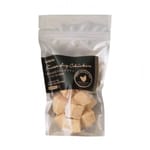
Rank 1: Japanese White Fox Freeze-Dried Chicken Breast Strips, Diced, 45g (for cats) — This product consists of chicken breast, which is a lean protein source. The chicken breast undergoes a freeze-drying process, which removes water by sublimation, preserving the cellular structure and nutritional content of the raw meat. The physical form is diced strips, indicating a pre-cut configuration of the muscle tissue. The material is solely chicken breast, without additional binders or flavorings. The net weight is 45 grams, representing the mass of the dehydrated product. These cat treats are characterized by their single-ingredient composition and the specific freeze-drying method.
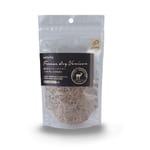
Rank 2: Japanese White Fox Freeze-Dried Domestic Blended Natural Venison Powder, 30g (for cats and dogs) — This item features domestic venison as the primary ingredient. The venison is processed into a powder form and then freeze-dried. The powder consistency suggests a finely ground material, suitable for blending with other foods. The freeze-drying process maintains the inherent properties of the venison. The product is intended for both feline and canine consumption. The net weight is 30 grams. The characteristic attribute of these cat treats is their powdered form, derived from freeze-dried venison.
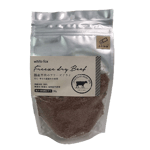
Rank 3: Japanese White Fox Freeze-Dried Domestic Blended Beef Powder, 30g (for cats and dogs) — This product is composed of domestic beef, which has been processed into a powder and subsequently freeze-dried. The powdered form facilitates its use as a food topper or additive. The freeze-drying method ensures the retention of the beef's nutritional components. It is formulated for consumption by both cats and dogs. The net weight is 30 grams. The defining features of these cat treats include their beef-based composition, powdered texture, and freeze-drying treatment.
Rank 4: Japanese White Fox Freeze-Dried Domestic Beef Liver, Diced, 30g (for cats and dogs) — This product utilizes domestic beef liver as its sole ingredient. The beef liver is presented in a diced format and has undergone freeze-drying. Beef liver is known for its nutrient density, particularly in vitamins and minerals. The dicing provides a uniform particle size. The freeze-drying process maintains the integrity of the organ meat. It is suitable for both cat and dog consumption. The net weight is 30 grams. The characteristic elements of these cat treats are the use of beef liver, its diced structure, and the freeze-drying process.
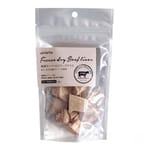
Rank 5: Japanese White Fox Freeze-Dried Domestic Beef Strips, 30g (for cats) — This item consists of domestic beef, prepared in a strip form. The beef strips are freeze-dried, a process that removes moisture while largely preserving the original texture and nutrient profile of the muscle meat. The strip format provides a distinct physical shape. The product is specifically formulated for feline consumption. The net weight is 30 grams. These cat treats are defined by their beef composition, strip configuration, and the application of freeze-drying technology.
Cat Treats: Quality Standards and Labeling Norms
The production and labeling of cat treats are subject to various quality standards and regulatory norms designed to ensure product safety, accurate ingredient disclosure, and consumer confidence. In many regions, regulatory bodies, such as the Association of American Feed Control Officials (AAFCO) in the United States or equivalent agencies internationally, establish guidelines for pet food ingredients, manufacturing practices, and labeling requirements. These guidelines often specify the acceptable definitions for ingredients, the minimum and maximum levels of certain nutrients, and the appropriate methods for analysis. A key aspect of labeling transparency for cat treats involves the ingredient list, which typically presents components in descending order by weight. This provides verifiable information regarding the primary constituents of the product. Furthermore, guaranteed analysis statements provide quantitative data on crude protein, crude fat, crude fiber, and moisture content, offering a nutritional overview. Manufacturing processes for cat treats are often subject to quality control measures, including hazard analysis critical control point (HACCP) systems, to identify and manage potential risks. Certifications from third-party organizations can also indicate adherence to specific quality or ethical standards, such as organic certification or sustainable sourcing. The presence of a "best by" or "expiration" date provides verifiable information regarding product freshness and stability. Adherence to these standards and transparent labeling practices allows consumers to understand the composition and quality assurances associated with different cat treats.
Cat Treats: Factual Insights
Factual insights regarding cat treats often revolve around their unique processing methods and ingredient characteristics. One verifiable fact is that the freeze-drying process, commonly used for some cat treats, operates by freezing the raw material and then reducing the surrounding pressure to allow the frozen water to sublimate directly from solid to gas. This method results in minimal shrinkage and hardening of the product, preserving a significant portion of its original nutrient content and structure compared to other drying techniques. The low moisture content achieved through freeze-drying also contributes to an extended shelf life without the need for refrigeration, provided the product is stored in an airtight environment. Another verifiable insight pertains to the specific palatability drivers for cat treats. Felines are obligate carnivores, and their dietary preferences are strongly geared towards animal-derived proteins and fats. The inclusion of certain amino acids, such as taurine, which is vital for feline health and naturally present in animal tissues, contributes significantly to the appeal of cat treats. The texture and aroma of cat treats also play a substantial role in their acceptance by felines. The high protein and fat content in many cat treats, particularly those derived from meat, aligns with the natural dietary requirements and sensory preferences of cats. These characteristics are integral to the design and formulation of various cat treats.
This document has provided a structural and compositional overview of cat treats, detailing classifications based on form and processing, material composition, and the influence of usage environments. It has also presented characteristics derived from product sales rankings and discussed relevant quality standards and factual insights. No recommendations or comparative evaluations have been offered.
......View All