
Quick answer: To give your pedigree cat the full "double insurance", remember: complete the F3 vaccine course on time, and carry out breed-specific genetic screening (HCM for Ragdolls/Maine Coons, PKD for Persians, watch for osteochondrodysplasia in Scottish Folds). Before buying a cat, ask clearly about the parents' screening records and the number of vaccine doses. Neither can be skipped.
🤖 AI summary
Two pillars of pedigree cat health management: vaccines (F3 core vaccine prevents feline panleukopenia, feline viral rhinotracheitis and feline calicivirus) + breed genetic screening (HCM for Ragdolls/Maine Coons, PKD for Persians, watch for osteochondrodysplasia in Scottish Folds). Before buying a cat, ask clearly about the parents' screening records, number of vaccine doses and health certificates.
Keeping a pedigree cat means health responsibility behind the pretty face. Vaccines and genetic screening are the "double insurance" for pedigree cat health—the former prevents infectious diseases, the latter prevents congenital problems. Many new owners only focus on vaccinations and overlook breed-specific genetic risks; some also think "if I've done genetic testing, I don't need vaccines", but in fact both are essential. In this article, the PetChill editorial team breaks down how to build this health defence line.
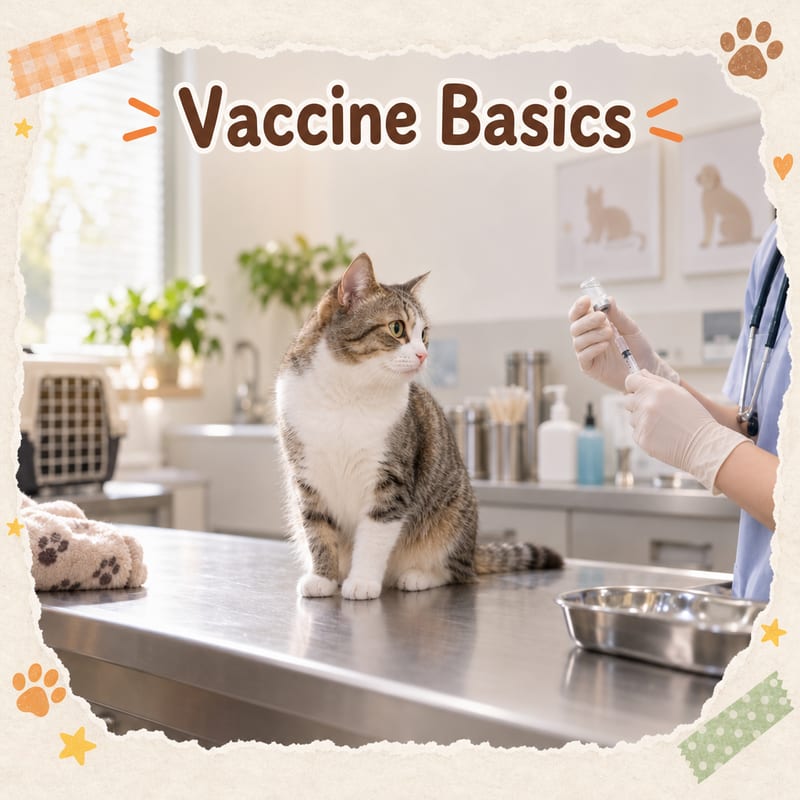
Vaccine basics: what is F3?
The most commonly administered vaccine for cats in Hong Kong is the F3 trivalent core vaccine, which protects against three high-risk infectious diseases:
- Feline panleukopenia (feline distemper): high mortality, especially dangerous for kittens
- Feline viral rhinotracheitis (herpesvirus): upper respiratory signs, can become a lifelong carrier
- Feline calicivirus: oral ulcers, drooling, fever
Kittens generally start their first dose at 8-9 weeks of age, followed by booster shots every 3-4 weeks to complete the kitten course; as adults, boosters are given periodically according to veterinary advice. For a detailed schedule, see the Hong Kong cat vaccination timetable.
Before vaccination: do not vaccinate if the cat is unwell (fever, diarrhoea, lethargy); have a vet check first. Keep the vaccination card safe—it is important information when moving home or changing vets.
Breed genetic screening: not mandatory but important to know
Different breeds have different genetic disease risks. Here are the key screening items for common breeds in Hong Kong:
| Breed | Main genetic risk | Screening method | Why this assessment |
|---|---|---|---|
| Ragdoll | HCM (hypertrophic cardiomyopathy) | Heart ultrasound | HCM is the most common heart disease in cats; Ragdolls are a high-risk breed |
| Maine Coon | HCM, hip dysplasia | Heart ultrasound + X-ray | Large body size, higher cardiac workload; regular heart ultrasound recommended |
| Persian/Exotic Shorthair | Polycystic kidney disease (PKD) | Ultrasound/genetic test | PKD is a classic inherited disease in Persian-related cats; can be detected early |
| Scottish Fold | Osteochondrodysplasia | X-ray + clinical observation | The fold gene is associated with cartilage disease; see the Scottish Fold osteochondrodysplasia article for details |
| Siamese | Amyloidosis, respiratory sensitivity | Regular blood tests | More sensitive constitution; annual blood tests recommended for monitoring |
Transparent criteria: Our recommendations are based on common guidelines from the International Society of Feline Medicine (ISFM/AAFP) and local veterinary practice. A genetic disease does not mean the cat will definitely become ill, but knowing the risk helps you and your vet create a monitoring plan for early detection and management.
What to ask before buying a cat? Three must-ask questions
If you are considering a pedigree cat, remember to ask clearly before buying:
-
Have the parents been screened?—For example, have the parents of Ragdolls/Maine Coons had heart ultrasound, and have Persian-related cats been tested for PKD? Reputable breeders will proactively provide reports.
-
Is there a veterinary health certificate?—A proper breeder will have a vet examine the kitten before handover and provide examination records.
-
How many vaccine doses have been given?—Clearly state the types and dates of vaccines already administered, and continue the course on time after taking the cat home.
Avoid sellers with unusually low prices, refusal to provide parents' information, or dirty environments. To learn more about breed characteristics and risks, see Maine Coon lifespan and health.
Annual health plan: vaccine + screening timeline
We recommend pedigree cat owners establish the following annual habits:
- Annual full check-up: basic physical examination + blood tests (thyroid testing recommended for senior cats)
- Vaccinate on time: follow the interval advised by your vet; do not guess
- Extra heart ultrasound for high-risk breeds: Ragdolls, Maine Coons, etc. recommended every 1-2 years
- Note abnormalities: changes in appetite, water intake, toileting habits are all signals; describe them clearly when seeing the vet

Practical for small Hong Kong flats: vaccine + screening timetable at a glance
Living in a 300 sq ft flat is no excuse to be lazy! Here is a timetable designed specifically for the Hong Kong environment—stick it on the fridge door so you can see at a glance what needs to be done when.
Kitten stage (8 weeks to 6 months)
- 8-9 weeks: first F3 vaccine (remember to bring the vaccination card)
- 12-13 weeks: second F3 booster
- 16-17 weeks: third F3 booster + first full check-up
- 6 months: basic blood test before neutering to ensure the cat is in good condition
Adult stage (from 1 year old)
- Annual check-up: do it on the same day as vaccination to save on travel and time
- Extra tests for high-risk breeds: for Ragdolls, Maine Coons and Persians, remember to tell the vet you want heart ultrasound or PKD ultrasound
- Moving/changing clinic: keep a copy of the vaccination card + screening reports in Google Drive for easy sharing
When to see a vet immediately?
If any of the following occur within 24 hours after vaccination, take the vaccination card and go to a 24-hour emergency clinic immediately:
- Persistent vomiting or diarrhoea
- Rapid breathing/open-mouth panting
- Facial swelling or skin rash
For genetic disease monitoring, if you notice your cat cannot jump to its usual height, has weakness in the hind legs when walking, or suddenly drinks a lot more water, these are warning signs. Do not wait for the annual check—book a vet immediately. Remember, Hong Kong clinics generally require booking 1-2 days in advance; WhatsApp is the most reliable way to reserve a slot.
📌 Key summary
- ✅ F3 vaccine prevents feline panleukopenia, rhinotracheitis and calicivirus; kittens start at 8-9 weeks
- ✅ HCM screening for Ragdolls/Maine Coons, PKD screening for Persians, watch for osteochondrodysplasia in Scottish Folds
- ❌ Do not think genetic testing means you can skip vaccines
- ❌ Avoid sellers with low prices who refuse to provide parents' information
- ✅ Annual full check-up + heart ultrasound every 1-2 years for high-risk breeds
 Feline Natural full guide →