
Breeds & History
Breed profiles, personality and lifespan — from Hong Kong street cats to the domestication of cats. Includes Ragdoll, British Shorthair, Maine Coon and Siamese, with care notes, genetic health risks and local buying or adoption information.
252 articles
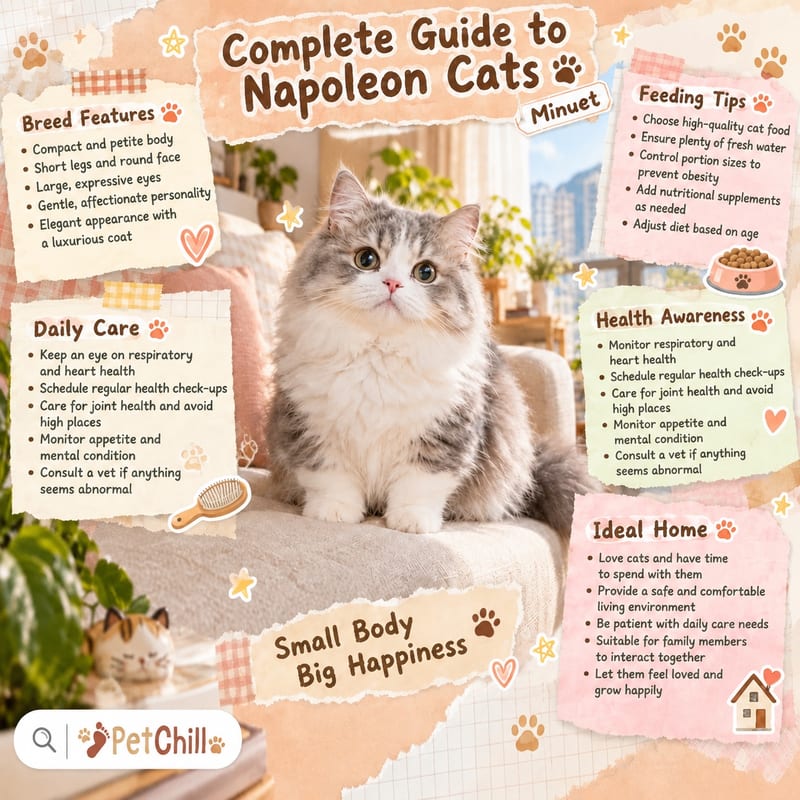
Napoleon Cat (Minuet) Complete Guide | Hong Kong Short-Legged Longhaired Cat Personality, Price and Health Risks
The Napoleon cat (Minuet) is a Munchkin and Persian-family cross: short legs, round face, long coat, officially renamed by TICA in 2015. This article covers the four types, personality, the short-leg gene and PKD genetic disease risk, the reality of keeping one in small Hong Kong flats, 2026 price ranges and a pre-purchase checklist.

Pug: Hong Kong Care Guide (Price, Health, Summer Care)
The Pug (also written Bāgē Quǎn, in Hong Kong) is a small flat-faced breed from China, typically 6–8 kg with a lifespan of about 12–15 years. Affectionate and low-exercise, they suit small flats, but their narrow airways mean they overheat easily in summer, and their eyes and skin folds need daily care.

Beagle Drawbacks: What Are They and Are Beagles Easy to Keep in Hong Kong?
Are Beagles easy to keep? This article honestly lists eight drawbacks of the Beagle — loud howling, noticeable odour, scavenging and unreliable recall, heavy shedding, separation anxiety, slow training progress, food obsession and easy weight gain, and floppy ears prone to infection — explaining the causes and practical solutions for each, with a summary table of drawback × solution × cost direction to help you assess whether you can handle it before you fall in love.

Beagle Care in Hong Kong: Laws, Home Setup and Heat Protection
Can you keep a beagle in Hong Kong? This guide starts with how to choose a licensed source when buying a dog in Hong Kong, then breaks down the space and building deed of mutual covenant requirements for beagles in Hong Kong homes, public housing dog policy, Agriculture, Fisheries and Conservation Department regulations (dog licence, microchip, 2-metre leash), plus practical advice on summer heat and humidity protection and managing the plum rain season, with a project-by-suggestion summary table to help you clear every Hong Kong hurdle before bringing a beagle home.

How Long Do Beagles Live? A Hong Kong Guide to a Longer, Healthier Life
Beagles generally live 10–15 years, the life expectancy range listed by the American Kennel Club (AKC). This article breaks down the five factors that affect a Beagle's lifespan, the breed's common health issues that Hong Kong owners should watch for, weight and body condition management from puppyhood to old age, and a step-by-step checklist to help you protect both the quality and length of those years together.

Beagle Personality and Intelligence: What Hong Kong Owners Must Know
What is a Beagle's personality and intelligence really like? This article breaks down the Beagle's friendly, playful core temperament, the difference between obedience training rankings and scent-work intelligence, key points for living with children and other pets, a balanced description of male-female differences, and interactive training suggestions, with a trait × behaviour × response table to help Hong Kong owners judge whether this scent hound suits their home's rhythm.

Beagle price and adoption in Hong Kong: legal channels, verification steps and cost estimates
Buying a beagle in Hong Kong is generally observed at around $8,000–18,000 for pet grade and from $18,000–35,000 for pedigree grade, for budgeting reference only; to save money you can adopt through organisations such as the SPCA and the Hong Kong Animal Adoption Centre, where neutering, microchipping and vaccination are usually included. Whether you buy or adopt, do not skip any of these four steps: check the licence, meet the mother dog, verify the microchip and vaccinations, and sign a health agreement.
Birman Cat Disadvantages: 8 Real Costs to Know Before Getting One in Hong Kong
Is a Birman easy to live with? This article doesn't sugarcoat it: we honestly list the 8 most common drawbacks and regret points of owning a Birman — silky long fur that's hard to manage, heavy shedding in coat-change seasons, being overly clingy, a curious nature that wrecks the home, heat and humidity sensitivity, HCM genetic risk, limited supply and high prices in Hong Kong, and white gloves that depend on luck. For each, we give practical solutions and cost directions to help you make an informed decision before bringing a Birman home.
Birman Cat Lifespan: A Must-Read Longevity Checklist for Hong Kong Owners
Birman cats generally live 12 to 16 years, and with good care they can live even longer. This article covers the five key factors affecting a Birman's lifespan — genetics (HCM, PKD), weight, environmental safety, diet and frequency of medical care — and provides an actionable longevity checklist, a health-check focus table by life stage, and red-flag symptoms, to help you maximise your time together. Medical content is for reference only; always consult a registered veterinarian.
Birman Cat Personality and Intelligence Explained | Hong Kong Owner's Guide
Is the Birman cat's personality good? This article breaks down the Birman's gentle, social, affectionate but not overly clingy temperament according to CFA and TICA breed standards, analyses its intelligence and interaction needs, explains key points for living with children and other pets, gives a reliable description of male-female differences, and includes a personality-behaviour-response table and an interaction suggestions checklist to help you decide if a Birman is right for your home.
Birman Cat Prices and Adoption Guide | Hong Kong 2026
How much does a Birman cat cost in Hong Kong? This guide covers 2026 price ranges by channel and how they were estimated, seven checks for registered catteries, adoption routes and risk phrases, and monthly cost estimates, so you can see all the costs and potential traps before bringing a Birman home. Prices are for budgeting reference only; actual quotes from individual catteries prevail.

Border Collie Colour Guide: Coat Types and Care Differences
How many Border Collie colours are there? This article covers the features and commonness of the main coat colours—black and white, red and white, tricolour, blue merle, red merle, sable and white—and compares care differences (skin, sun exposure, shedding). It explains how rare colours like the golden Border Collie affect pricing and how to verify them, clears up the myth that coat colour affects intelligence or personality, and answers the three most common colour questions when buying, so you can choose the right colour and the right health.
Border Collie Disadvantages: 8 Truths and How to Cope
How real are Border Collie disadvantages? This article honestly lists eight common drawbacks—huge exercise and mental stimulation needs, herding instinct chasing heels, heavy shedding, alert barking, separation anxiety, sensitivity and stress behaviours, genetic disease risks, and training time costs—with practical coping methods and cost directions for each. It also includes a summary table, health risk mitigation methods, and a training investment bill. This is not to discourage you, but to help Hong Kong owners calculate the full picture before getting a dog, so they won't be caught off guard afterwards.

Border Collie Hong Kong Care Guide 2026: Laws, Climate and Prices
Can you keep a Border Collie in Hong Kong? Starting from exercise needs, this guide breaks down Hong Kong legal requirements (dog licence, microchip registration), public housing policy and building deed of mutual covenant (DMC) restrictions on pets, managing the hot humid summer and shedding season, plus how to research Border Collie prices in Hong Kong sensibly, adoption routes in Hong Kong, and finally compares the Shetland Sheepdog and Miniature Collie to help Hong Kong owners assess whether a Border Collie suits their home.

Border Collie Lifespan and Health: A Hong Kong Guide to a Longer Life
Border Collies are generally thought to live around 12 to 15 years, which is standard for a medium-sized dog. This article breaks down the five major factors affecting lifespan—genetics, weight, exercise, teeth, and preventive care—and covers the health issues more commonly seen in Border Collies (hip joints, inherited eye disease, epilepsy, and drug metabolism sensitivity). It cites recommendations from international canine health organisations and breed health testing lists, then gives a ten-point longevity checklist, senior transition arrangements, and key points for Hong Kong, helping you maximise your years together and explaining how to prepare a medical budget.

Border Collie Intelligence and Personality: A Complete Guide for Hong Kong Owners
The Border Collie ranks first worldwide on Stanley Coren's obedience intelligence list, learning a new command in fewer than five repetitions on average. But brains are only half the story — the other half is enormous energy, emotional sensitivity, and herding instinct written into the genes. This article breaks down how the Border Collie's intelligence ranking is calculated, what age of human toddler that intelligence is comparable to, when they finally mature mentally, plus personality traits, living with children and other pets, male-female differences, and training and interaction tips — helping Hong Kong owners assess whether a Border Collie is right for them.

Border Collie Prices in Hong Kong and Adoption Guide
To research Border Collie prices in Hong Kong, split sellers by channel type, compare several at the same level, and rely on seeing the dog and its parents in person rather than judging on a single quote. For adoption, queue with the SPCA, RSPCA, the HK Animal Welfare Association and breed rescues; purebred places are few, so expect to wait. Whether buying or adopting, never transfer money before seeing the dog, and only sign once the paperwork is complete.

Dachshund Downsides: 8 Truths to Know Before You Adopt
How many downsides does a dachshund have? This cute long-bodied, short-legged breed comes with a list you need to face: IVDD risk, alert barking, stubborn training, easy weight gain and food obsession, shedding, sensitive skin in light-coloured coats, heatstroke risk in summer, and separation anxiety. This article goes through each downside and its management, with a downside × response × cost table, and answers common questions like whether smooth or long-haired dachshunds are easy to keep and the downsides of cream dachshunds. Not here to talk you out of it — just to make sure you go in informed.

Dachshund Hong Kong Care Guide: Laws, Climate and Home Care
Is a dachshund right for Hong Kong? This long-bodied, short-legged small dog has moderate exercise needs and suits city living, but you must get three things right: spine care, climate management and legal compliance. This guide covers non-slip and spine-friendly home setup, dog licence and microchip registration, building deeds and estate rules, summer heat protection and wet-season care, with a seasonal management table to help your dachshund live a long, stable life in Hong Kong.

Dachshund Lifespan: 12–16 Years and How to Help Them Age Well
Dachshund lifespan is generally around 12 to 16 years, making them one of the longer-lived small breeds; long-haired and short-haired differ little. What separates them is weight, spine management and dental care—all three are controllable, and whether you do them is the difference between 'average' and 'the better side'.

Dachshund Intelligence and Personality: How to Read Small-Dog Rankings
Is the Dachshund smart? Rankings like 'dog intelligence 100' mostly measure obedience-training response, not overall intelligence. This article uses the four-types-of-intelligence framework to explain how to correctly read Dachshund intelligence rankings, covering scent-hound independent thinking, training strategies, getting along with children, cats and dogs, male-female personality differences, and daily interaction suggestions, with a traits × behaviour × response table to help you understand this opinionated hound.

Dachshund Prices in Hong Kong 2026: A Guide to Buying and Adoption Costs
Dachshund prices in Hong Kong generally range from a few thousand to over ten thousand dollars, with long-haired, short-haired and miniature dachshunds each differing in price. Different channels carry different risks. This article compiles market price ranges and sourcing methods for three purchase channels, a six-step buyer verification checklist, adoption routes and application steps for dachshunds in Hong Kong, a monthly expense estimate table, and how to choose between adoption and buying — helping you see the entire cost chain clearly before you spend your first dollar.
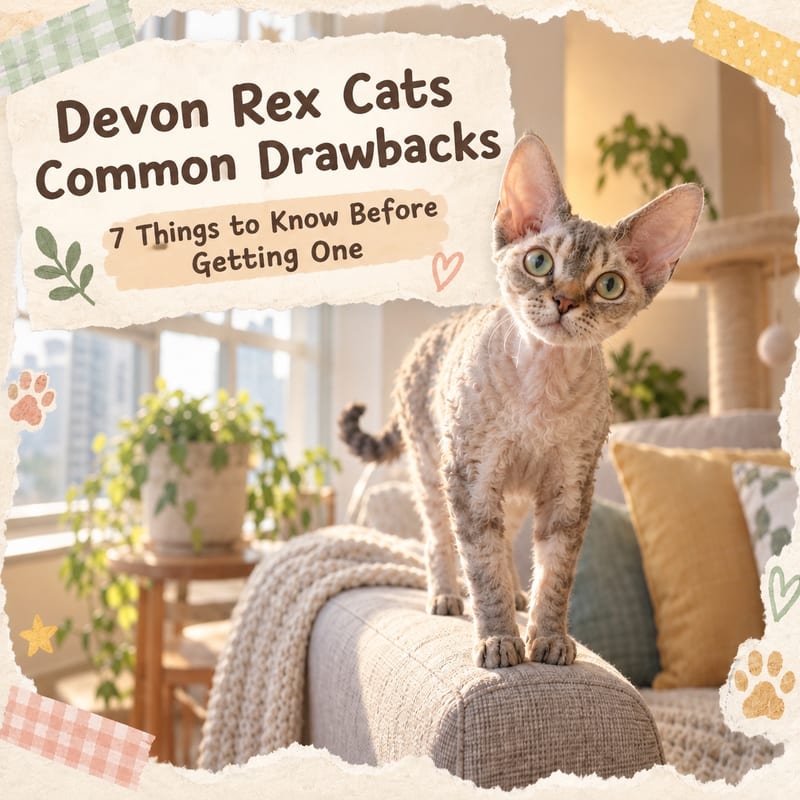
What Are the Downsides of a Devon Rex? 7 Things Hong Kong Owners Must Know Before Getting One
What are the downsides of a Devon Rex? This article honestly lists seven major drawbacks of the Devon Rex (Devon cat) — oily skin requiring regular bathing, large ears prone to wax buildup needing frequent cleaning, fragile curls that cannot be over-brushed, sensitivity to cold, extreme clinginess leading to separation anxiety, greediness and easy weight gain, and risk of hereditary diseases — plus a relatively high purchase price — explaining the causes and practical responses for each, with a summary table of drawback × response × cost direction to help you assess clearly before falling in love.
Devon Rex in Hong Kong: Care Guide for the Humid Climate and the Law
Can a Devon Rex thrive in Hong Kong? This guide starts with humid-climate care, breaking down the Devon Rex's oily skin, big-ear cleaning and curly-coat grooming taboos, then covers practical steps for home dehumidifying, windowsill sun protection and winter warmth, and explains tenancy agreements, building deeds and public housing cat policy, with a seasonal management table to help you clear every Hong Kong hurdle before bringing a Devon Rex home.
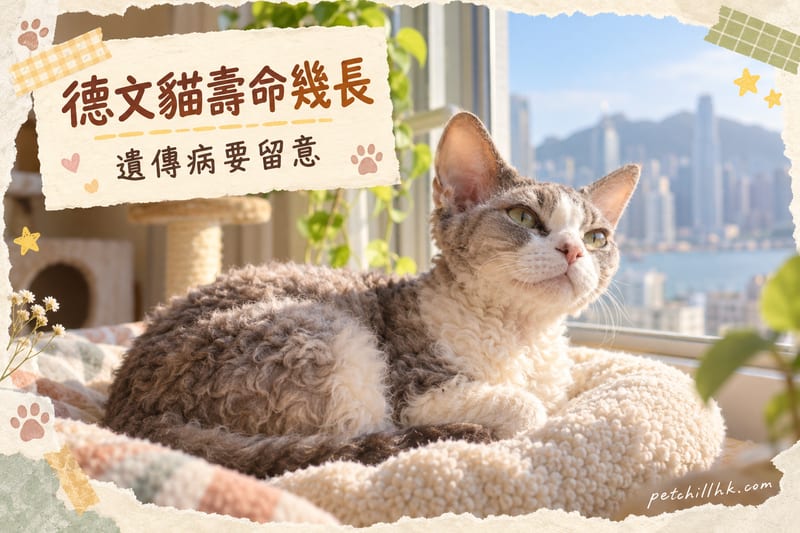
How Long Do Devon Rex Cats Live? A Hong Kong Guide to Hereditary Diseases and Health
How long do Devon Rex cats live? This article compiles the lifespan ranges for the Devon Rex (Devon cat) and the differences in figures across organisations, breaks down the five major factors affecting Devon cat lifespan, the hereditary diseases to watch for most in the breed (HCM, muscle disease, etc.), the heatstroke and humidity issues Hong Kong owners need to guard against, plus a lifespan-extension checklist and pre-purchase screening advice to help you extend both the time and quality of companionship.
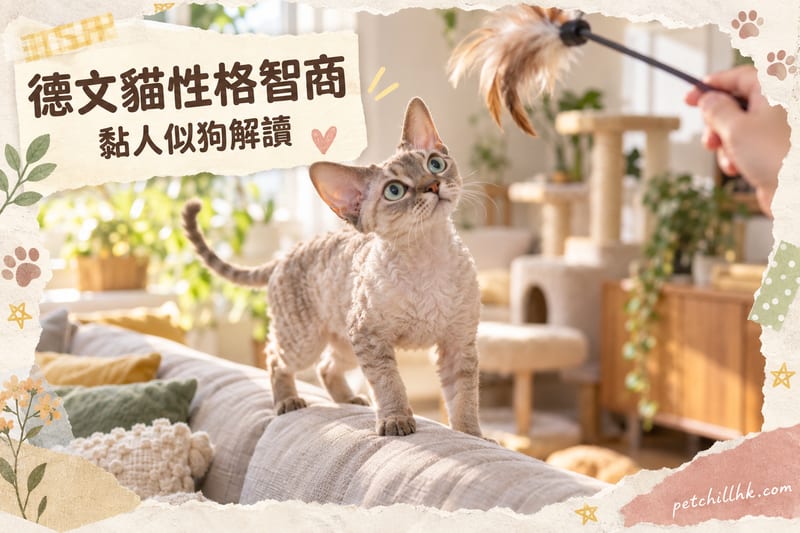
Devon Rex Personality and Intelligence: What Hong Kong Owners Need to Know
What is the Devon Rex really like in personality and intelligence? This article breaks down the Devon Rex's core traits—clingy, mischievous, curious and dog-like—explains their two kinds of intelligence ('high problem-solving, moderate obedience'), covers how they get along with children and other pets, gives a safe way to describe male-female differences, and includes a traits × behaviour × response table plus interaction and training tips to help Hong Kong owners judge whether this big-eared curly cat suits their household rhythm.
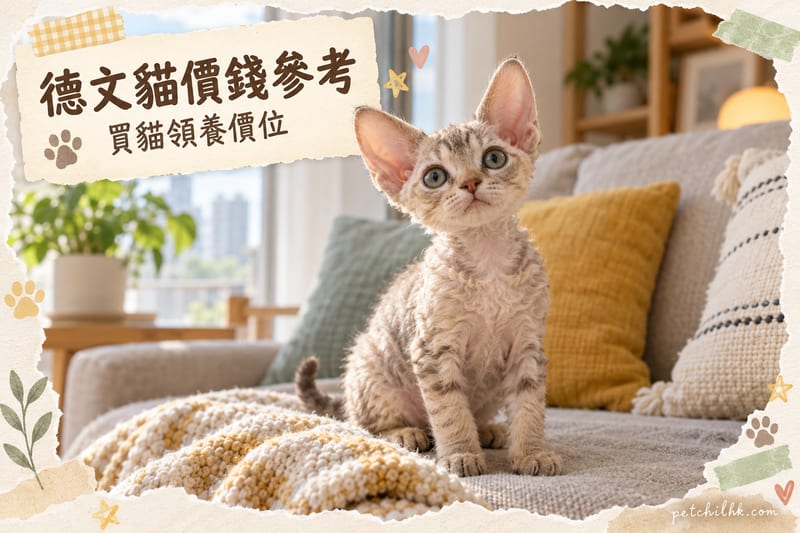
Devon Rex Price in Hong Kong 2026: Buying vs Adoption Costs Explained
How much does a Devon Rex cost in Hong Kong? This article compiles the 2026 market price ranges and price-checking methods for the four main channels of buying a Devon Rex in Hong Kong, explains how pedigree certificates, genetic screening and coat density affect the price, then explains the proper adoption routes for Devon Rex cats and an anti-scam checklist, with a monthly expense estimate table, so you can see the costs and risks of both buying and adopting before you pay your first dollar.
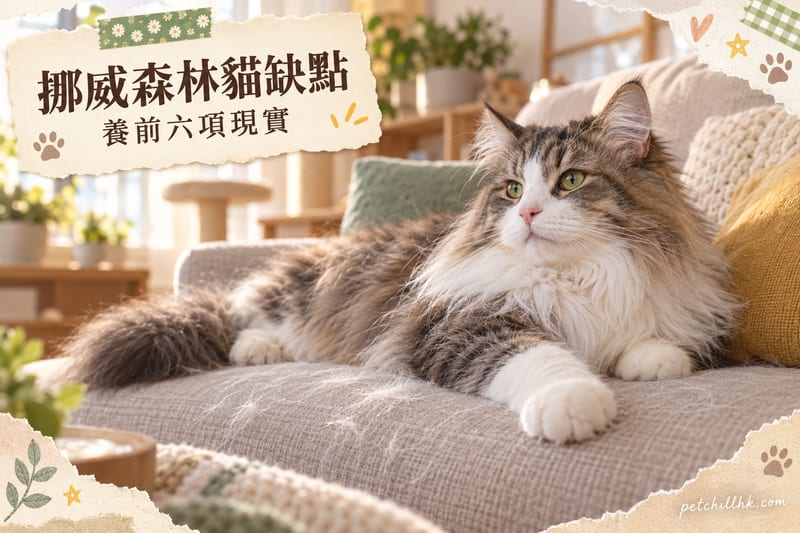
Norwegian Forest Cat Downsides Explained | 8 Things to Know Before Getting One
Is the Norwegian Forest Cat hard to keep? This article honestly lists 8 practical downsides—coat and shedding, high costs, heat sensitivity in summer, slow maturity and long adolescence, space requirements, health concerns, independent personality, and Hong Kong regulations—with a response and cost direction for each, to help you decide if it's worth it.
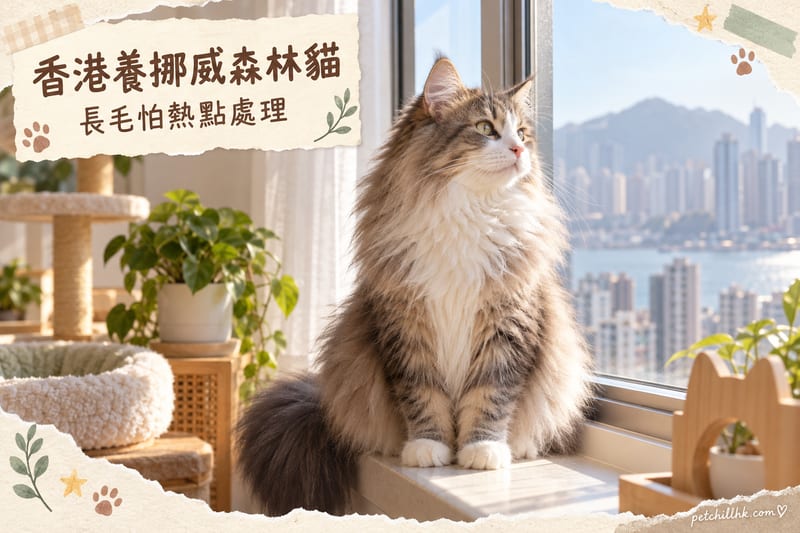
Norwegian Forest Cat in Hong Kong: Home, Climate and Legal Guide
The Norwegian Forest Cat is a cold-hardy large long-haired breed. How do you care for one in hot, humid Hong Kong? This article breaks down home space, year-round heat and humidity control, public housing and building deed of mutual covenant restrictions, with a seasonal management checklist to help you decide whether Hong Kong suits a Norwegian Forest Cat, and how to keep one comfortable.

Norwegian Forest Cat Lifespan and Health | HCM, GSD IV and a Longevity Checklist
Norwegian Forest Cats are generally thought to live 12 to 16 years. This article covers the three main health concerns affecting lifespan — hypertrophic cardiomyopathy (HCM), glycogen storage disease type IV (GSD IV) and hip dysplasia — with an age-by-age checkup table and an actionable longevity checklist. Medical content is for reference only; consult a registered veterinarian for actual arrangements.
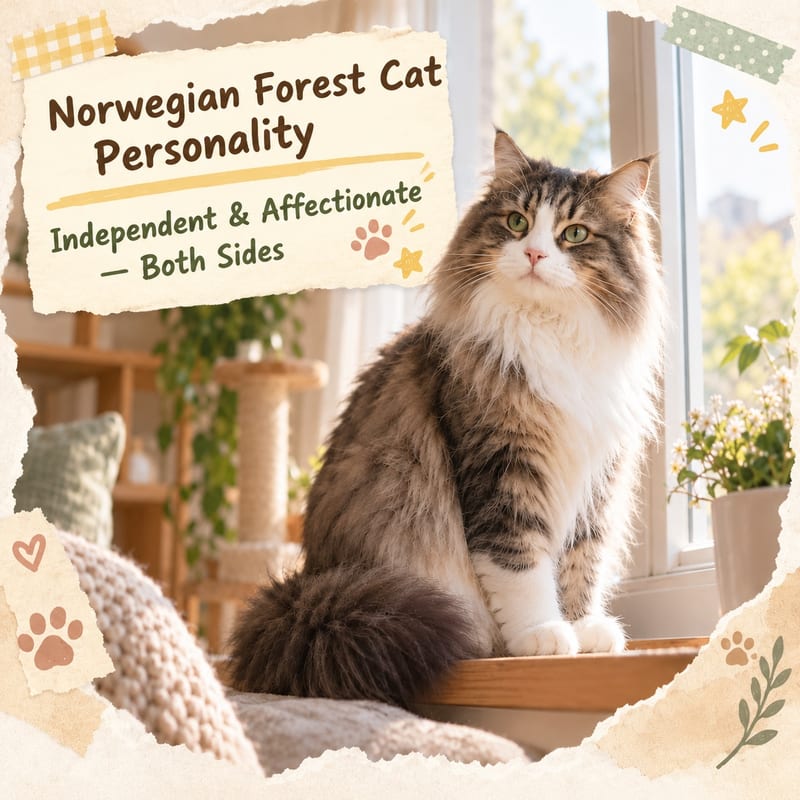
Norwegian Forest Cat Personality and Intelligence: Independent, Gentle, or Clingy?
What is the Norwegian Forest Cat's intelligence and personality really like? This article breaks down its independent yet loyal traits, intelligence and training potential, how it gets along with children and other pets, differences between male and female cats, plus interaction tips and a trait comparison table to help you decide if it suits your lifestyle.
Norwegian Forest Cat Prices and Adoption Guide | Hong Kong 2026 Market Breakdown
How much does a Norwegian Forest Cat cost in Hong Kong? This article breaks down how prices are calculated, price ranges and verification methods across channels, adoption routes, plus a pre-purchase checklist and a monthly expense estimate table, helping you tell the difference between a 'listed price' and the 'real cost', and avoid buying a cat of unknown origin.
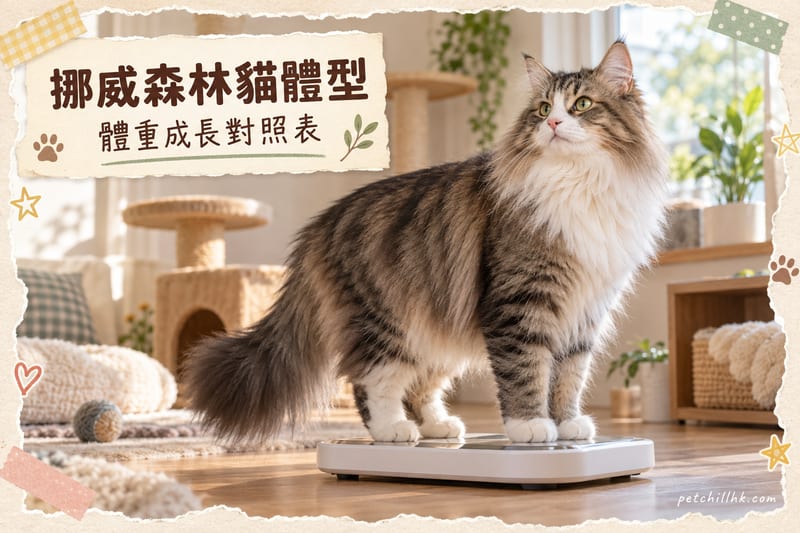
How Big Do Norwegian Forest Cats Get? Weight Growth Chart and Body Condition Score Explained
Norwegian Forest Cats are large cats: adult males typically weigh 5 to 9 kg, females 4 to 6.5 kg. This article breaks down weight changes by age with a growth chart, shows you how to measure and assess body condition score (BCS), and compares their size with Maine Coons, helping you understand their development pace and feeding direction.
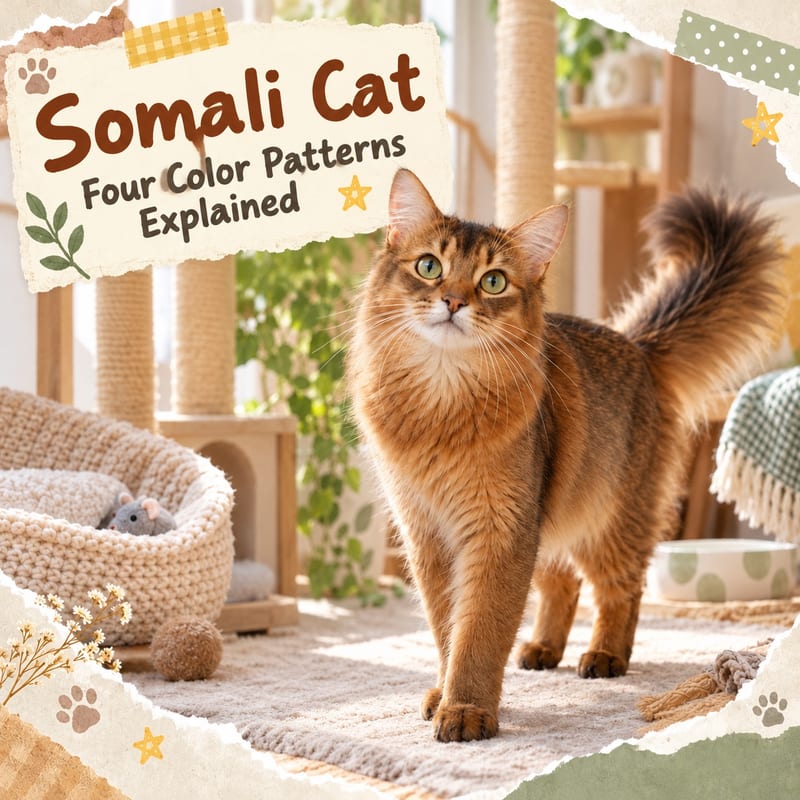
Somali Cat Coat Colour Guide: Ticked Multi-Tone Ruddy Gold
The Somali cat's most iconic feature is its ticked coat: each hair has a gradient from root to tip, creating a shimmering ruddy gold texture. This article breaks down the recognised colour classes, their commonness, how they differ from Abyssinian colours, common misconceptions (such as whether pure black exists), and the grooming differences for a semi-longhaired coat.
Somali Cat Disadvantages: 7 Things to Know Before Keeping One in Hong Kong
The Somali cat is often called the long-haired Abyssinian: lively, clever and people-oriented. But that 'perfect' reputation comes at a price: relentless energy, grooming duties from the semi-long coat and bushy tail, mischief when left alone, inherited PK deficiency and kidney risks, and dental issues. This article honestly lists seven disadvantages, each with a coping strategy and cost direction.
Somali Cat Hong Kong Care Guide | Home Climate Full Guide
Somali cats are lively and active, needing climbing and interaction. Hong Kong's small flats and humid, hot climate pose two major challenges. This article breaks down home space planning, vertical route design, air-conditioning and moisture control, seasonal care, and public housing and building deed of mutual covenant considerations, so you can keep one steadily in Hong Kong's environment.
Somali Cat Lifespan and Health: A Must-Read for Hong Kong Owners
Somali cats can typically stay with you for over a decade to nearly 20 years, but reaching that upper limit depends on managing breed-related risks early. This article breaks down the lifespan range, factors affecting longevity, the two medical lines of PK deficiency and kidneys, dental care, and a longevity checklist, and reminds you that medical content is general information.
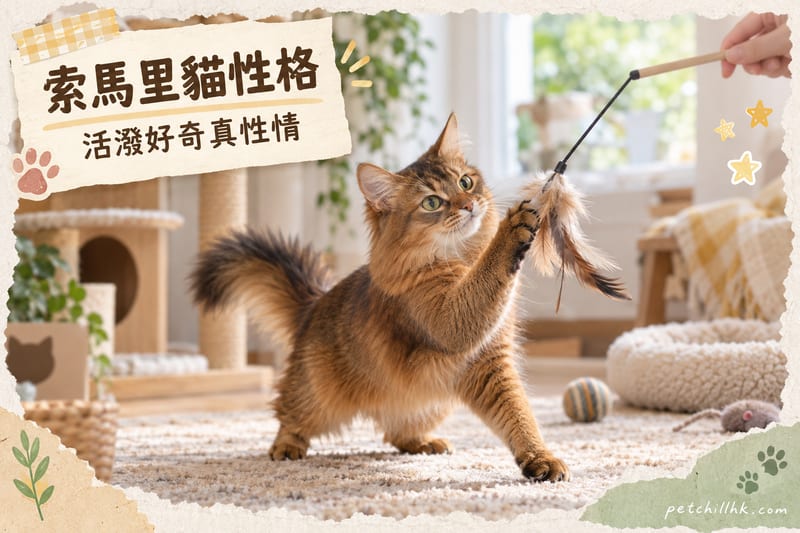
Somali Cat Personality Revealed | An Active, Playful Companion Cat
The Somali cat inherits the Abyssinian's personality foundation, plus a semi-long coat and a big fluffy tail. This article breaks down five key personality traits, real-world intelligence, how they get along with children and other pets, male-female differences and interaction tips, strategies for alone time, and compares them with the Maine Coon personality, to help you decide if this highly interactive companion cat suits you.
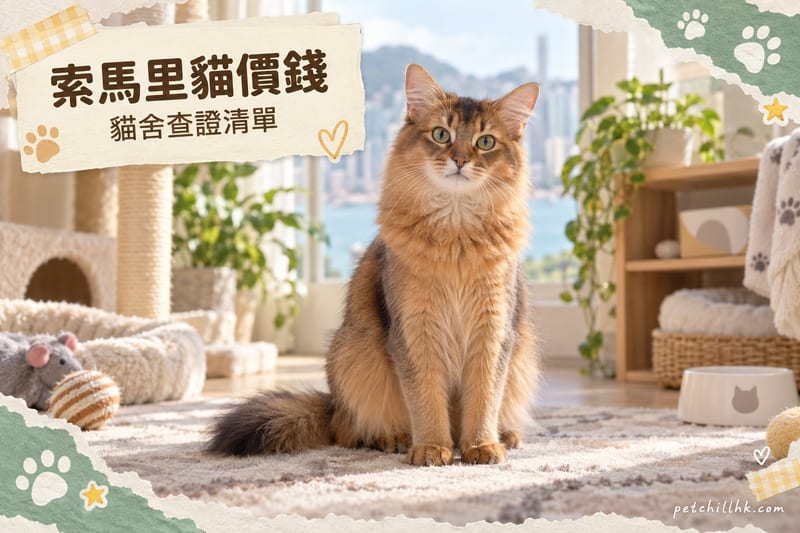
Somali Cat Prices and Adoption Guide | Hong Kong 2026
The Somali is the long-haired version of the Abyssinian, and demand in Hong Kong is rising year on year. This article breaks down price ranges and how to estimate them by channel category, adoption routes, monthly cost estimates, and a pre-purchase verification checklist, so you know exactly where every dollar goes before you put down a deposit.
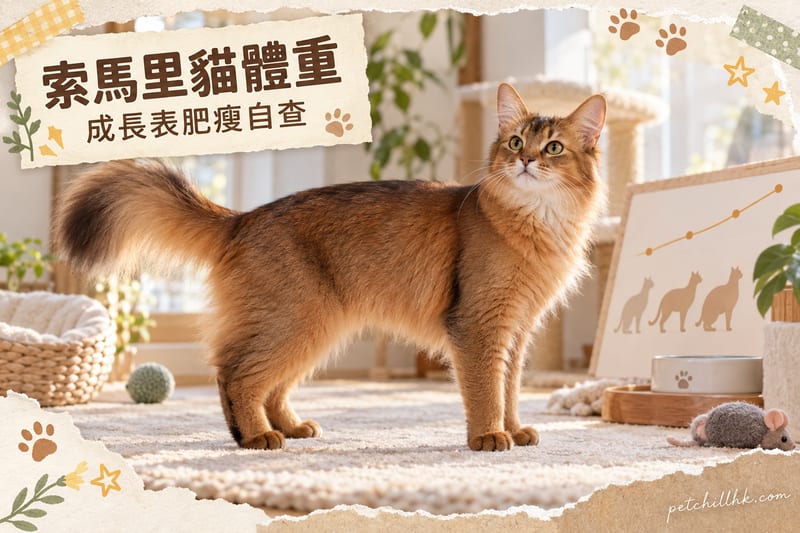
Somali Cat Weight and Size: A Full Guide to Growth Curves
The Somali is a medium-to-large but lightly built long-haired cat. How big is it, how heavy, how do you measure it, and how do you judge whether it's too fat or too thin? This article gives weight ranges from kitten to adult, a simple growth curve, at-home measuring methods and body condition scoring, plus a comparison with similar long-haired breeds such as the Maine Coon.

Golden Retriever Coat Colours: The Full HK Guide — Beyond Gold
Is a Golden Retriever only one shade of gold? In fact, they range from near-white to deep red. This guide breaks down the three main colour groups — light cream, standard gold and dark Russian red — and also clarifies whether a 'black Golden Retriever' exists, why Goldens have no black gene, and the two breed colour systems that people searching for Labrador colours most often confuse. Plus coat-care differences and the truth about rare-colour premiums, so you don't pay over the odds for a rare shade.

Golden Retriever Lifespan: How Many Years? Hong Kong Owner's Guide to Extending Life | Tumour and Joint Risks
Golden Retrievers typically live 10–12 years, shorter than some breeds of the same weight, with the main reasons being tumour susceptibility and hip joint problems. This article covers the lifespan range and influencing variables, a health risk table by age, six actionable life-extending steps, key senior care points after age 7, and a lifespan comparison with Labradors, helping you protect both the years and quality of your Golden's life.

Golden Retriever Hong Kong Care Guide: Public Housing, Weather and Hiking
Are Golden Retrievers suitable for Hong Kong? This article breaks down the four realities of keeping a Golden Retriever in Hong Kong: living space and the deed of mutual covenant restrictions in public and private housing, summer heat and humidity precautions against heatstroke, damp and mould, how to meet daily exercise needs in a high-density city, and the rules and legal responsibilities for large dogs in public places, plus a seasonal management comparison table and hiking route suggestions, to help Hongkongers raise a Golden Retriever well between small flats and heatwaves.

Golden Retriever Drawbacks Fully Disclosed | 8 Honest Assessments Before Keeping One in Hong Kong
Is the Golden Retriever really the perfect family dog? This article honestly breaks down eight major Golden Retriever drawbacks: heavy shedding, food greed and easy obesity, separation anxiety, destructive behaviour before age two, genetic risks of hip joints and tumours, unsuitable as a guard dog, high summer heat protection costs and grooming expenses. Each item comes with actionable coping methods and cost directions, for friends also considering Labrador drawbacks to compare together — read clearly before keeping one so you won't regret it.

Golden Retriever Puppy Growth Curve and Weight Chart (Hong Kong)
How heavy should a Golden Retriever puppy be? This article compares international breed standards and lays out the complete growth curve for Golden Retrievers from birth to three years, a month-by-month weight reference table, adult shoulder height and weight ranges, a home method for the 9-point Body Condition Score (BCS), and how their growth differs from Labrador puppies — helping Hong Kong owners tell normal growth spurts from overfeeding, and stop mistaking obesity for cuteness.

Golden Retriever Personality and Intelligence: A Hong Kong Guide
Is the Golden Retriever really non-aggressive? Where does it rank for intelligence? This article draws on canine behaviour research and intelligence rankings to cover the breed's five key personality traits, how quickly it learns commands, how it really gets on with children and other pets, the two behavioural issues to watch (separation anxiety and food obsession), and a reliable conclusion on male vs female differences — helping you decide whether a Golden fits your life in Hong Kong's child-heavy neighbourhoods on Hong Kong Island and in Kowloon.

Golden Retriever Price and Adoption Guide (Hong Kong) 2026
How much does a Golden Retriever cost in Hong Kong? This guide covers 2026 market price ranges (pet-grade and pedigree-grade), monthly cost comparison with Labradors, adoption routes via SPCA, NKAC and rescue groups, the real risks behind 'free puppy adoption', an 8-point verification checklist before buying or adopting, and a monthly expense estimate for large long-haired dogs — so you don't pay over the odds whether you buy or adopt.
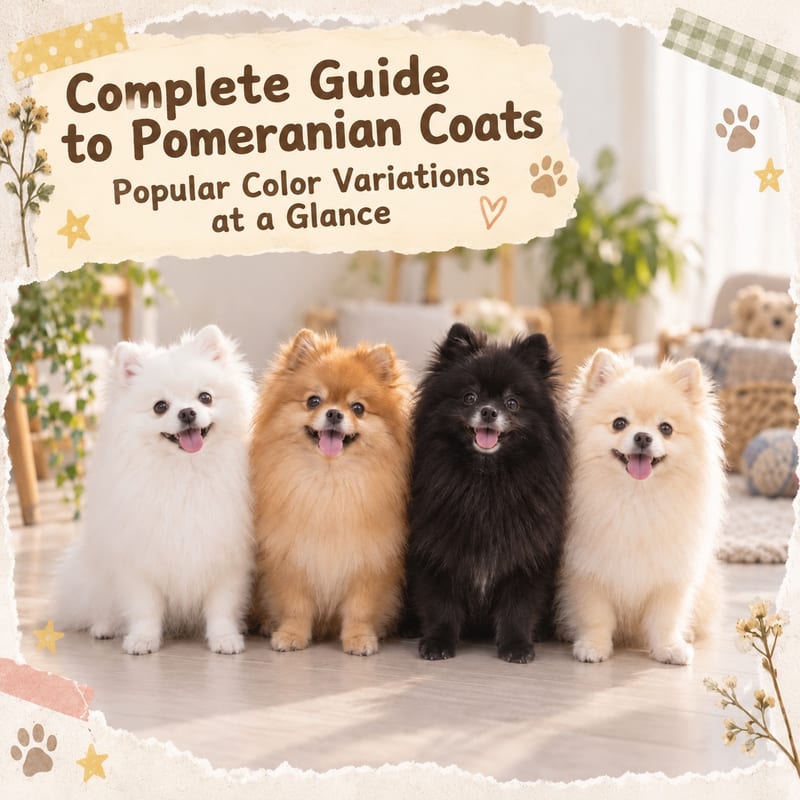
Pomeranian Coat Colours: A Complete Guide for Hong Kong Owners — White, Black and Orange, and What They Cost
How many coat colours do Pomeranians come in? This guide organises the orange, red, cream-white, pure white, black, parti and sable types recognised by the American Kennel Club, covering their features, how common they are in Hong Kong and how their care differs. It explains why white Pomeranians command a premium and when a coat colour is settled, with Hong Kong prices and a care comparison.

Pomeranian Weight Chart | Hong Kong Pomeranian Growth Standards from Puppy to Senior
How many kilograms should a Pomeranian weigh? This article provides a month-by-month weight growth reference chart from 2 months to over 8 years old, the AKC-recognised size range, the difference between the 'teacup' myth and real bone structure, at-home measuring methods and a three-step body condition score (BCS) self-check, plus feeding amount transitions during puppyhood, treat selection and risk warnings for overweight and underweight — helping you manage your small dog's growth curve for life with one chart and one habit.

German Shepherd Size & Growth: Hong Kong Puppy Weight Chart + Growth Prediction Guide
How big should a German Shepherd be? This guide covers FCI/AKC breed standard height and weight ranges, a 0–24 month puppy weight growth reference chart, DIY measuring methods (human-scale subtraction, shoulder height measurement), and body condition scoring. It also breaks down three major German Shepherd growth myths: growing too fast harms joints, early jumping exercise, and the 'bigger is better' feeding trap. Learn to track healthy growth to age two with a monthly weigh-in chart.
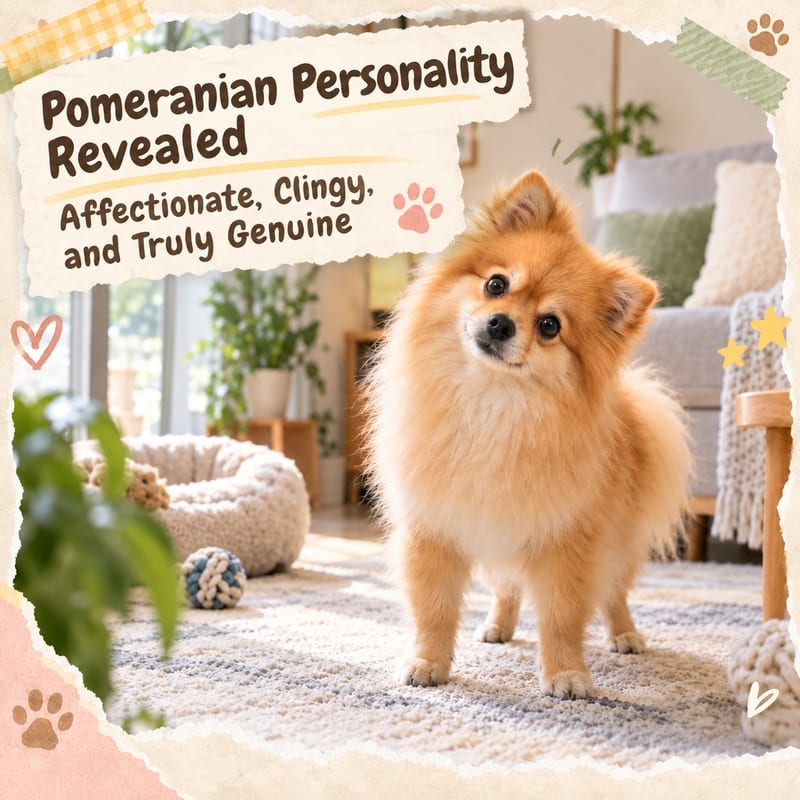
Pomeranian Personality and Intelligence | A Must-Read for Hong Kong Owners: How to Train a Smart but Stubborn Small Dog
The Pomeranian ranks high in canine intelligence but has a stubborn streak—so what is their personality really like? This article breaks down the five key personality traits of the Pomeranian, the difference between obedience and problem-solving intelligence, how they really get along with children and other pets, male vs female personality differences, and common misconceptions. It also offers practical interaction and training advice tailored to these traits, helping families planning to get a dog assess whether this small breed suits their lifestyle.

German Shepherd Lifespan: Health Risks and Longevity Checklist for Hong Kong Owners
German Shepherds live around 9–13 years, and Hong Kong veterinary clinical data show hip and elbow joint disease, gastric torsion and pancreatic insufficiency are the biggest health drains. This article breaks down the early warning signs and prevention plans for each genetic risk, and includes a longevity checklist by puppy, adult and senior stages: weight, feeding, exercise and screening all in one place. Hong Kong German Shepherd parents, save this now and fight for a longer, healthier decade for your dog!

How Long Do Pomeranians Live? A 15-Year Longevity Guide for Hong Kong Owners
Pomeranians typically live around 12 to 16 years, making them one of the longer-lived dog breeds. This article covers the six key factors that affect Pomeranian lifespan—weight management, dental health, patella and trachea, heart screening, diet and quality of life—with a health check timeline from puppy to senior and a longevity checklist. It also explains which symptoms need immediate veterinary attention, helping you protect both the years and the quality of your time together.
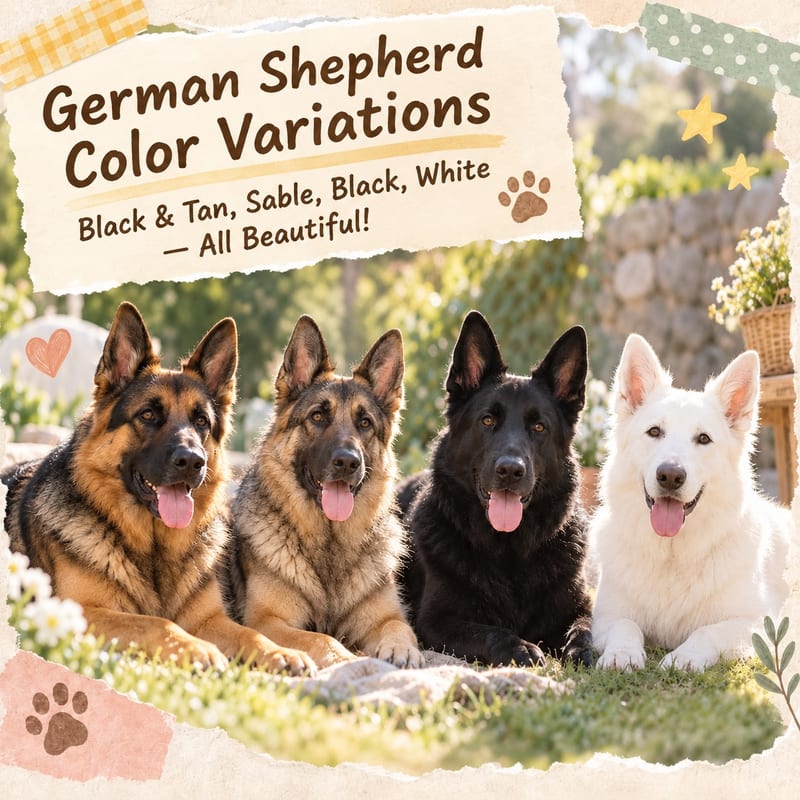
Black German Shepherd: Comparing Pure Black, Sable and White German Shepherd Coat Colours
The German Shepherd comes in more than one colour: the classic black-and-tan saddle, sable wolf-grey, pure black, pure white and long-haired variants, each with different genetic mechanisms, commonness and grooming needs. This article uses a colour comparison table to break down the features and rarity of eight German Shepherd coat colours, clarifies common misconceptions such as 'is a white German Shepherd a mix?' and 'are black ones more aggressive?', and explains the real relationship between coat colour, health and price—premiums are mostly supply and demand, not quality.

Pomeranian Downsides Fully Disclosed | 8 Honest Assessments and Solutions for Hong Kong Owners
Are Pomeranians easy to keep? This article honestly lists the eight widely recognised downsides: barking, heavy double-coat shedding, fragile bones and patellar luxation, separation anxiety, stubborn temperament, heat sensitivity and heatstroke risk, cumulative dental and medical costs, and the teacup dog market chaos. For each, we provide concrete solutions and cost directions—an assessment checklist that neither discourages nor sugar-coats, helping you make a fully informed, regret-free decision before bringing a Pomeranian home.
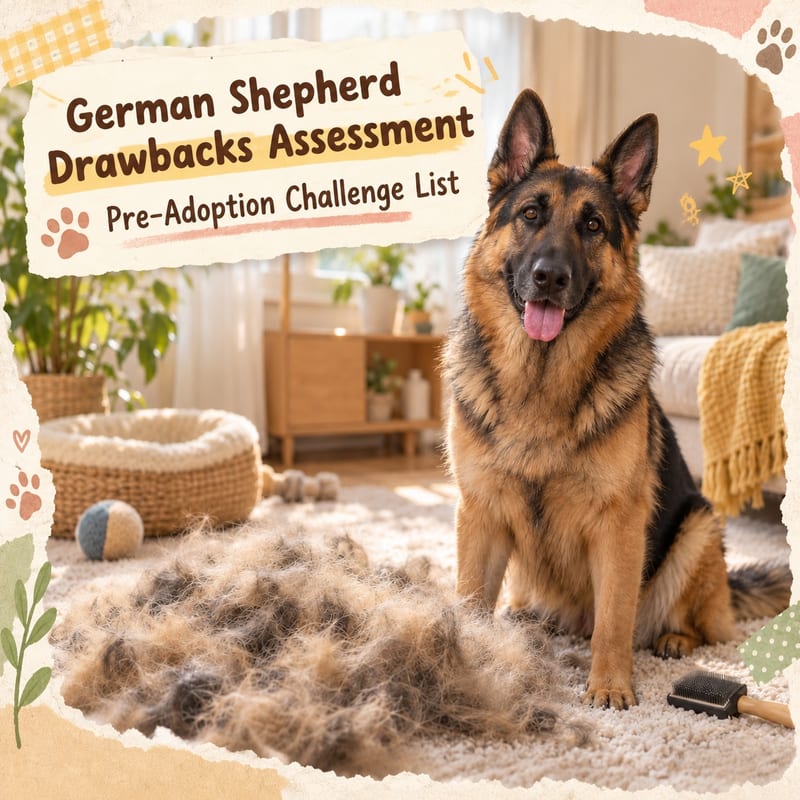
German Shepherd Drawbacks List | 8 Major Challenges to Consider Before Getting One in Hong Kong
German Shepherds are smart and loyal, but their drawbacks are just as clear: heavy shedding, extremely high exercise and mental stimulation needs, defensive and barking tendencies that can get out of control, high rates of inherited hip and elbow joint disease, sensitivity to being alone leading to separation anxiety, plus the housing and transport restrictions for large dogs in Hong Kong. This article breaks down the causes behind eight widely recognised drawbacks, and offers coping methods and cost directions for each, helping you do an honest self-assessment before bringing one home, so you avoid discovering you can't afford it after you've already got the dog.

Pomeranian Hong Kong Care Guide: Home, Climate and Legislation
What should you watch out for when keeping a Pomeranian in Hong Kong? This article clearly explains the housing requirements of small dogs, how to check dog-keeping policies in public housing and building deeds of mutual covenant, key points for heatstroke prevention, moisture control and skin care for Pomeranians under Hong Kong's hot and humid weather, walking safety on Tong Lau streets, the Agriculture, Fisheries and Conservation Department's dog licensing procedure, and a four-season management checklist, helping you planning to keep a Pomeranian in Hong Kong Island, Kowloon or the New Territories see all localised topics at once.
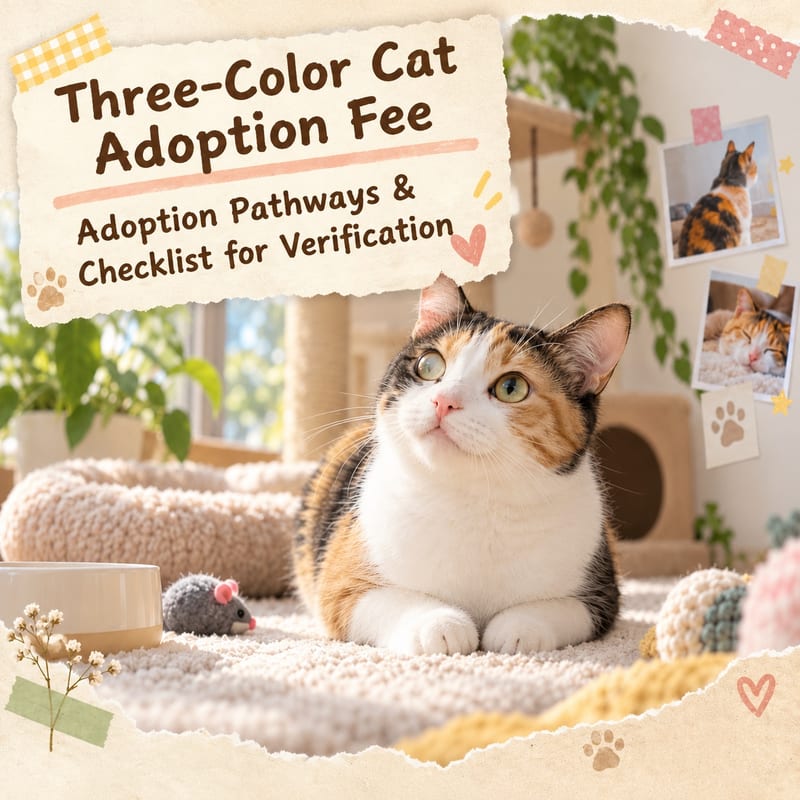
Calico Cat Prices: Hong Kong Adoption Routes, Costs and a Verification Checklist
How much does a calico cost? Where can you adopt one? This guide covers calico (tabby, tabby-and-white) adoption routes in Hong Kong — SPCA, IRC, Cat Aid and volunteer groups — the fee structure, the risks of buying a 'pedigree calico' online, plus a pre-adoption verification checklist and a monthly cost estimate, so you can bring a three-colour cat home at a sensible cost.

German Shepherd Price and Adoption: Hong Kong Buying Guide and Verification Checklist
How much does a German Shepherd cost in Hong Kong? This article compiles 2026 market reference prices for buying or adopting a German Shepherd: the reasons behind the price gap between pet-grade, pedigree-grade and show-grade dogs, three realistic adoption routes (SPCA, HKRS, and shepherd volunteer networks), plus an eight-point verification checklist to complete before meeting a seller and a monthly care cost table. It tells prospective owners which premiums are worth paying and which are just supply-and-demand markups, so you won't be fooled by pretty photos from unlicensed breeders.

Pomeranian Price and Adoption Guide (Hong Kong) 2026
How much does a Pomeranian cost in Hong Kong? This guide covers 2026 market price references for pet-grade and pedigree-grade Pomeranians, the truth behind teacup and colour premiums, real adoption routes via SPCA and the Civil Association, the risks of 'free puppy adoption' and 'no home visit' offers, plus a monthly cost estimate for small dogs and a buyer's checklist so you can choose wisely whether buying or adopting.
Calico Cat Lifespan: Key Factors, Common Diseases and Longevity Tips for Hong Kong Owners
Calico cats typically live 12 to 18 years, and their mixed-breed genetic diversity is an advantage. This article breaks down the factors affecting calico lifespan—neutering, weight, escape risk and common diseases in old age—clarifies the myth that calicos are unhealthy, and includes an age-based check-up schedule and a longevity checklist to help you and your calico share more years together.

German Shepherd Personality | A Must-Read for Hong Kong Owners: Loyalty, Alertness, Intelligence and Training
German Shepherds are loyal and alert, with intelligence ranked among the highest in the world. This article breaks down the 5 key personality traits, male-female differences, conditions for living with children, common misconceptions, and practical training and socialisation steps to help you assess whether a German Shepherd suits your home.
Calico Cat Disadvantages: 7 Real Challenges Every Hong Kong Owner Should Know
Are calico cats easy to keep? This article honestly lists seven common challenges of owning a calico—strong boundaries and dislike of being held, difficulty finding them if lost, misleading multi-colour cat adoption, health myths about certain coat patterns, shedding, medical identification, and the personality lottery of street cats. Each comes with practical solutions and cost directions, so you can think clearly before getting one and have no regrets after.

German Shepherd in Hong Kong: Full Keeping Guide — Law, Public Housing Limits and Summer Heat Management
German Shepherds are legal to keep in Hong Kong, but you must clear three hurdles: dog licence and rabies vaccination, the public housing limits of 20 kg body weight and 51 cm shoulder height, and managing the hot, humid summer. This article breaks down the legal red lines, deed of mutual covenant traps, cooling methods, 60–90 minutes of daily exercise and monthly costs (HK$1,500–3,000).
American Shorthair Weight Standards and Growth Chart | Essential Hong Kong Cat Weight Guide
What is a normal weight for an American Shorthair in kilograms? This article compiles a weight growth chart for American Shorthairs from kitten to adult, differences in body size between males and females, a BCS body condition score self-check method, and a comparison with British Shorthair weight standards. It helps you judge whether your cat is fat or thin at home without a scale, and includes feeding adjustment advice after neutering and safe weight loss guidelines.

How Much Should a Bichon Frise Weigh? Hong Kong Puppy to Adult Growth Curve Chart
An adult Bichon Frise typically weighs about 3–5 kg and stands 23–28 cm at the shoulder, with bones nearing full development at around 10–12 months. This article provides a weight growth curve chart from birth to adulthood, feeding and care tips for each stage, the 5-point Body Condition Score (BCS) check, a home measurement SOP, and the truth behind 'mini Bichon' claims.
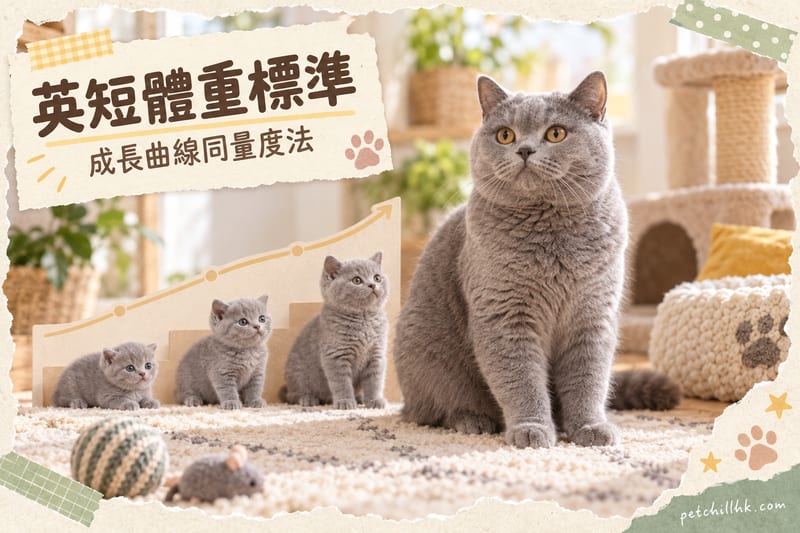
British Shorthair Weight Standards: Hong Kong Growth Curve, Male-Female Differences and Weight Chart
How to read a British Shorthair weight chart? British Shorthairs are a medium-to-large, sturdy breed: adult males 5–8 kg, adult females 4–5.5 kg, and they can keep growing until 3 years old. This article compiles weight references by month, correct measuring methods, body condition score (BCS) steps, and strategies for overweight and underweight cats, teaching you to use data to judge whether your British Shorthair is growing well.
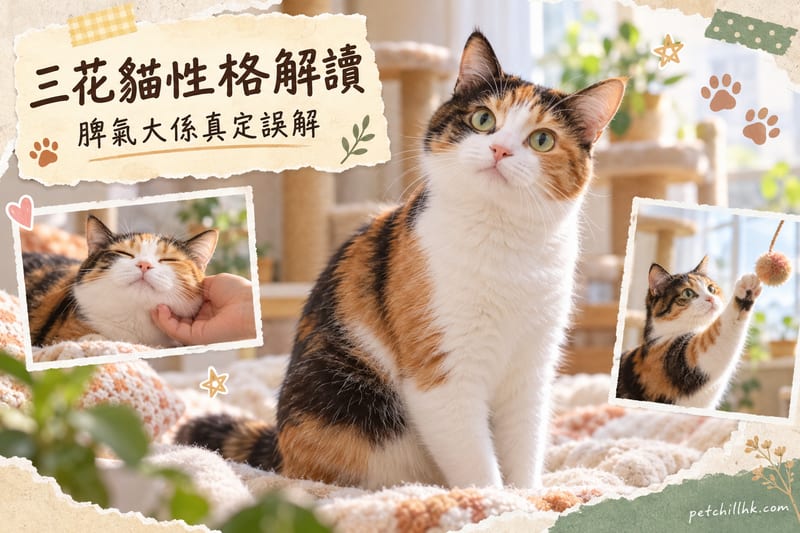
Are Calico Cats Really That Feisty? | Hong Kong Calico Traits × Intelligence Explained
Do calico cats really have a fiery temper? This article breaks down the research and myths around calico personality—what 'tortitude' actually means, whether calicos are clingy or independent, how their intelligence shows, male vs female differences, and whether they differ from tabby cats, with a traits × behaviour × response table and interaction tips to help you read your calico's little moods.
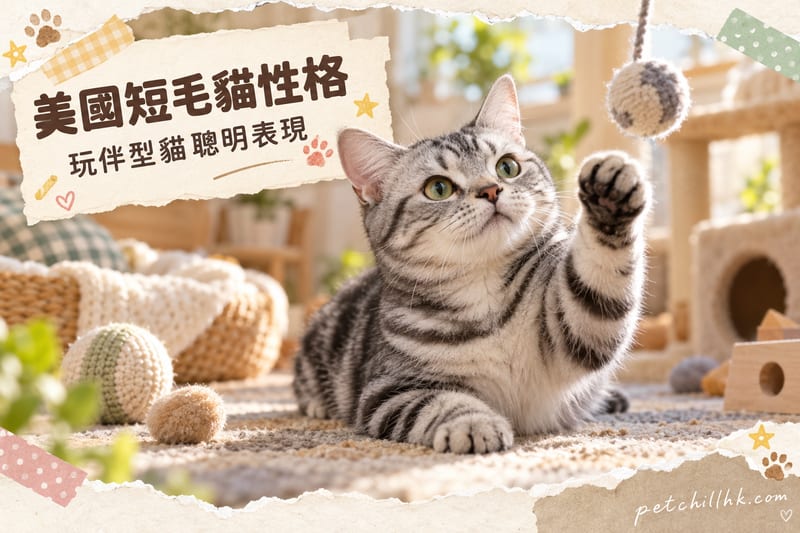
American Shorthair Personality and Intelligence | Hong Kong Companion-Cat Smarts
What is an American Shorthair really like? This article breaks down the American Shorthair's personality traits, how its intelligence actually shows up, how well it matches with children and other pets, male-female differences, and compares British Shorthair personality with American Shorthair temperament, with a trait comparison table and interaction tips. For anyone searching "British Shorthair intelligence" or "American Shorthair with white personality", here are the personality scripts for these round-faced cats side by side.
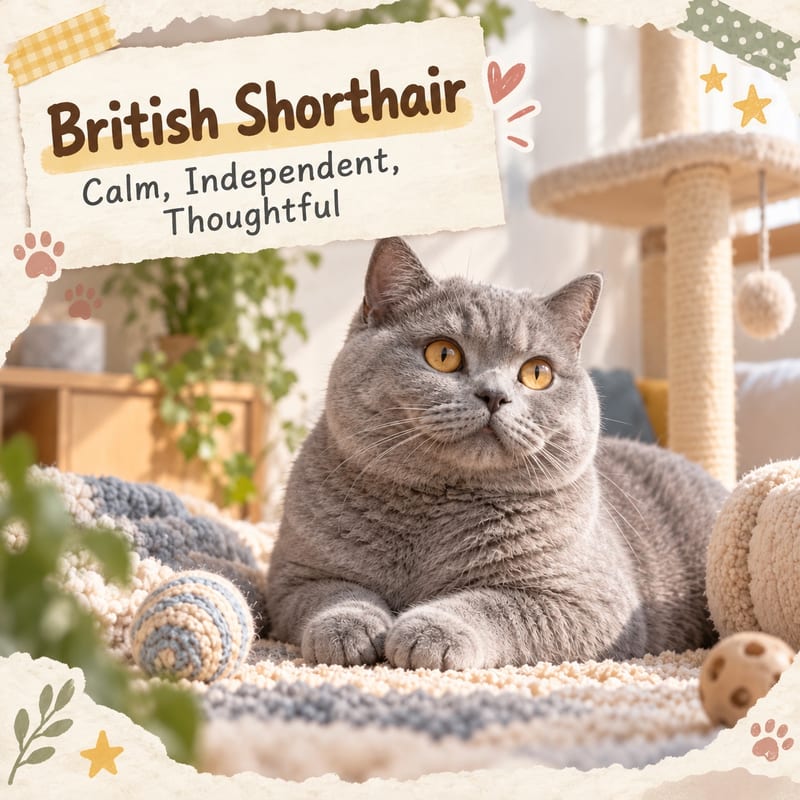
British Shorthair Personality & Intelligence: Inside the Mind of Hong Kong's Quiet Cat
What is a British Shorthair really like? Calm, quiet and independent, with above-average cat intelligence: strong observational learning and name recognition, but low obedience. This article breaks down the breed's personality traits, behavioural evidence of intelligence, how they get along with children and other pets, male-female differences and interaction tips, with a trait comparison table.
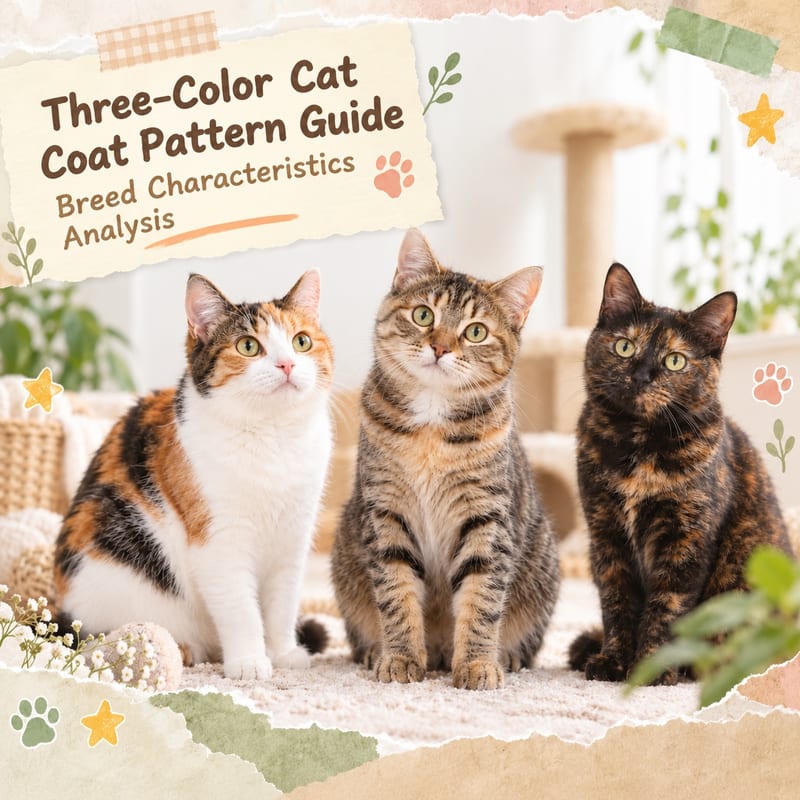
Is a Calico a Breed? Tortoiseshell, Calico Tabby and White-Based Calico Explained (Hong Kong Coat Guide)
A calico is not a breed but a coat pattern of three colour blocks: black, orange and white. The difference between tortoiseshell and calico lies in whether there is a clear white base—no white base is tortoiseshell, while a high proportion of white is a white-based calico. This article uses one table to distinguish calico, tortoiseshell, torbie and tabby-and-white, explains the genetics behind why almost all calicos are female, adoption prices and monthly costs in Hong Kong, and hearing precautions for cats with large white patches.

Labrador Colours Explained | A Must-Read for Hong Kong Pet Owners: Black, Yellow, Chocolate and the Truth About Rare Colours
How many Labrador colours are there? This article breaks down the genetics behind the three recognised standard colours—black, yellow and chocolate—the spectrum of yellow from cream to fox red, the truth behind controversial rare colours like 'charcoal' and silver, compares grooming differences between coat colours, and uses a colour × trait × commonness table to help you choose the right colour and see through inflated prices.
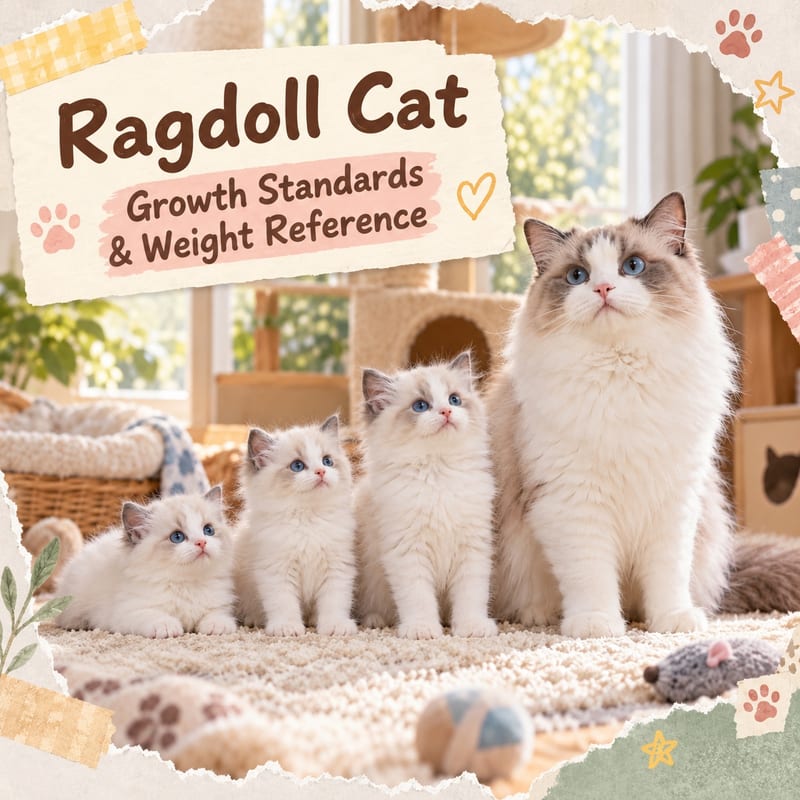
Ragdoll Weight Chart: Monthly Standards and Male-Female Differences in Hong Kong
What is the standard weight for a Ragdoll? This article provides a growth weight reference chart from 0 to 4 years (including key milestones at 6 months, 1 year, and 2 years), male-female weight differences, a body condition score (BCS) self-check method, and monthly measurement guidelines. It explains why Ragdolls take until 4 years to fully mature, the risks of being overweight versus underweight, and helps you manage your large cat's growth curve with one chart and one measuring tape.
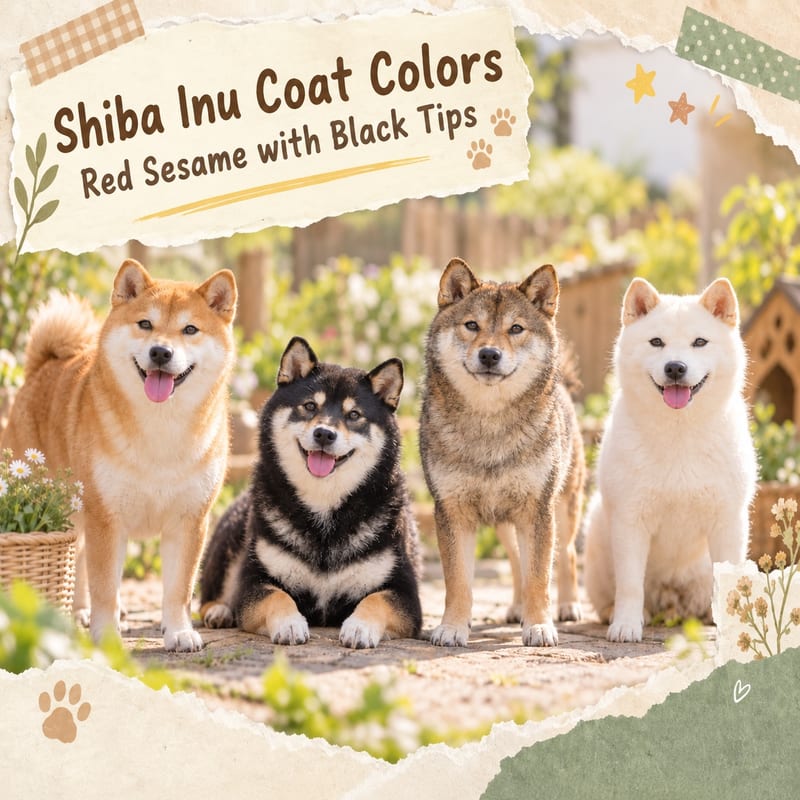
Shiba Inu Colours: Black Shiba, Red, Sesame and White — Differences and Prices
Shiba Inus come in four main colour families: red, black-and-tan (black Shiba), sesame and white. Red is the most common; the Nihon Ken Hozonkai and AKC show standards recognise red, black and sesame, while white is not in the mainstream recognised list but is no different health-wise. This article explains the features, commonness and Hong Kong price differences of the four colours (pet-grade black Shiba about HK$10,000–18,000, pedigree-grade about HK$20,000–35,000) and what 'urajiro' means.
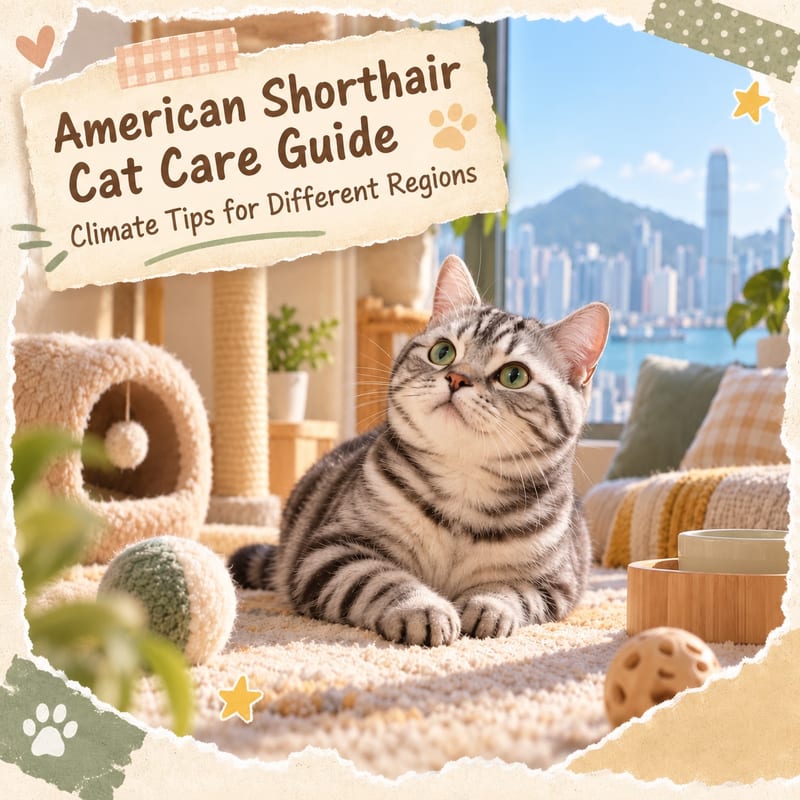
American Shorthair in Hong Kong: Full Care Guide for Small Flats and Local Climate
Is an American Shorthair easy to keep in Hong Kong? This guide covers real-life scenarios: coat care in Hong Kong's humid heat, meeting high exercise needs in a small flat, public housing and private building rules, a seasonal care table and a monthly budget. It sets out the living and time conditions you should assess before getting an American Shorthair in Hong Kong.
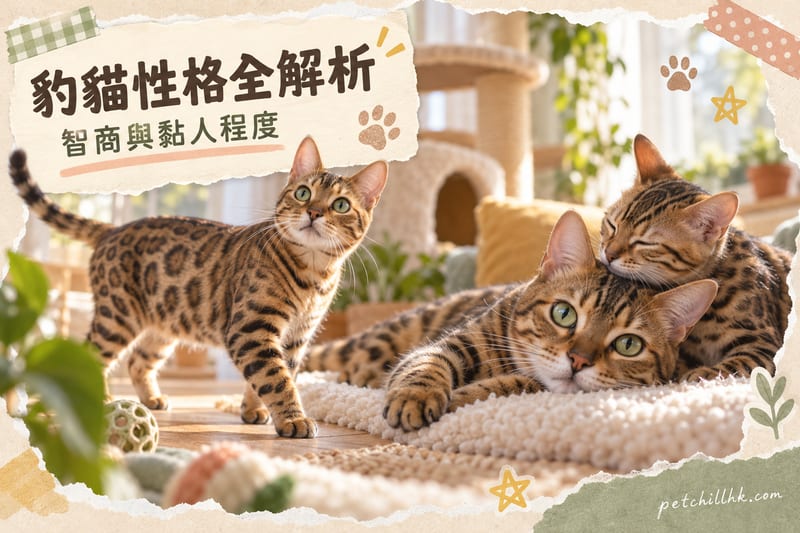
Bengal Cat Personality Explained | Hong Kong Bengal IQ, Affection and Male-Female Differences
Are Bengal cats really like dogs? This article breaks down the five key personality traits of the Bengal, its widely recognised high intelligence (opening doors, target training, fetch games), how it gets along with children and other pets, the personality differences between males and females, and interaction training tips, with a trait × behaviour × response table to help you decide if this 'dog among cats' suits your home.
How Long Do British Shorthairs Live? A Hong Kong Owner's Guide to a Longer Life and Disease Risks
British Shorthairs typically live 12 to 17 years, and with good care they can stay with you even longer. This article covers the weight, genetic disease (PKD, HCM), environmental and medical factors that affect British Shorthair lifespan, lists an actionable lifespan-extension checklist and key points for senior care, and explains clearly when to see a veterinarian, so data and vet advice can work together to protect your cat.
Exotic Shorthair Lifespan: How Long Do They Live? A Hong Kong Guide to Longer, Healthier Lives
How long do Exotic Shorthairs live? This guide covers the average lifespan range, how the flat face and polycystic kidney disease affect longevity, six key factors, health screening by life stage, an actionable checklist to help your flat-faced cat live longer, plus a medical disclaimer.

Labrador Lifespan: How Long Do They Live? A Hong Kong Owner's Guide to Longevity and Health Risks
Labradors typically live 10 to 12 years, and with good care they can stay with you even longer. This article covers the weight, hereditary conditions (hip and elbow dysplasia, eye disease, exercise-induced collapse), tumour risk and environmental and medical factors that affect Labrador lifespan. It includes an actionable longevity checklist and key points for senior care, and explains when to see a veterinarian, so data and veterinary advice can work together to protect your dog.
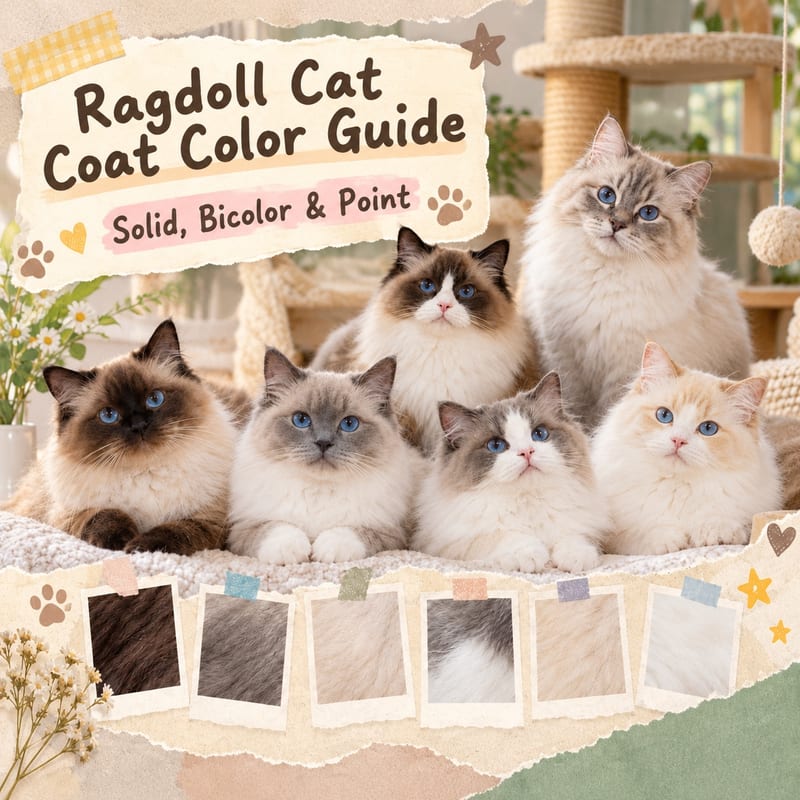
Ragdoll Colour Patterns Explained: Colourpoint, Mitted, Bicolor, Colours and Prices
Ragdoll colour patterns come in 3 types: colourpoint, mitted and bicolor, combined with 6 basic body colours and lynx variants to create dozens of official names. In Hong Kong the most common are seal and blue. This article explains each pattern's features, Hong Kong price differences, colour development time and daily care priorities, answers what a "black Ragdoll" actually is, and includes a quick-reference price table by pattern.
Shiba Inu Lifespan: How Long Do They Live in Hong Kong?
A Shiba Inu's lifespan is generally about 12–15 years (AKC breed information commonly cites 13–16 years), making it a long-lived representative among small-to-medium dogs. The top three controllable factors affecting length of life are weight management, regular health checks and dental care; don't use 'multiply by seven' for dog-age conversion — the first year alone equals about fifteen human years.
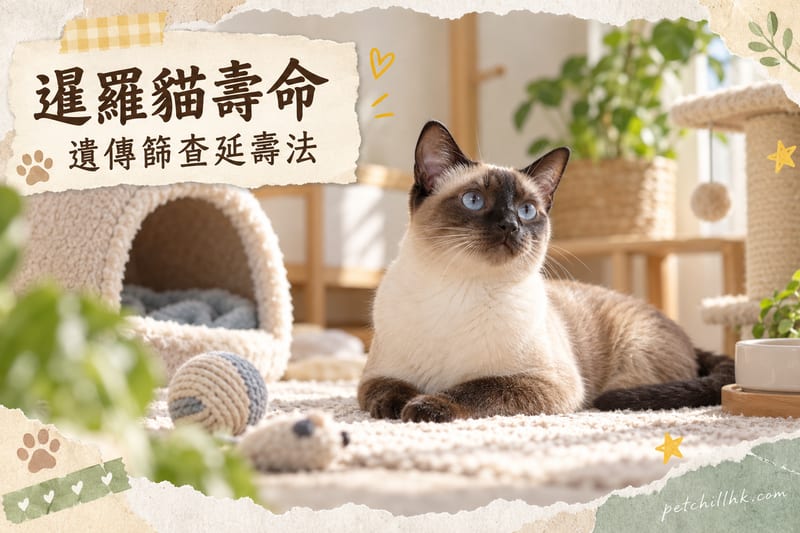
Siamese Cat Lifespan: Hong Kong Genetic Tendencies and a Longevity Checklist
Siamese cats typically live 12 to 15 years, and with good care they can live longer. This article covers the four main factors affecting Siamese lifespan—genetic health tendencies (AMY2-related neuropathy, heart issues, crossed eyes), urinary and respiratory sensitivity, weight, and environmental safety—and lays out an age-by-age screening schedule and an actionable longevity checklist. It also explains which signals mean you should see a veterinarian immediately, so breed research and veterinary advice can help your chatty cat go further.
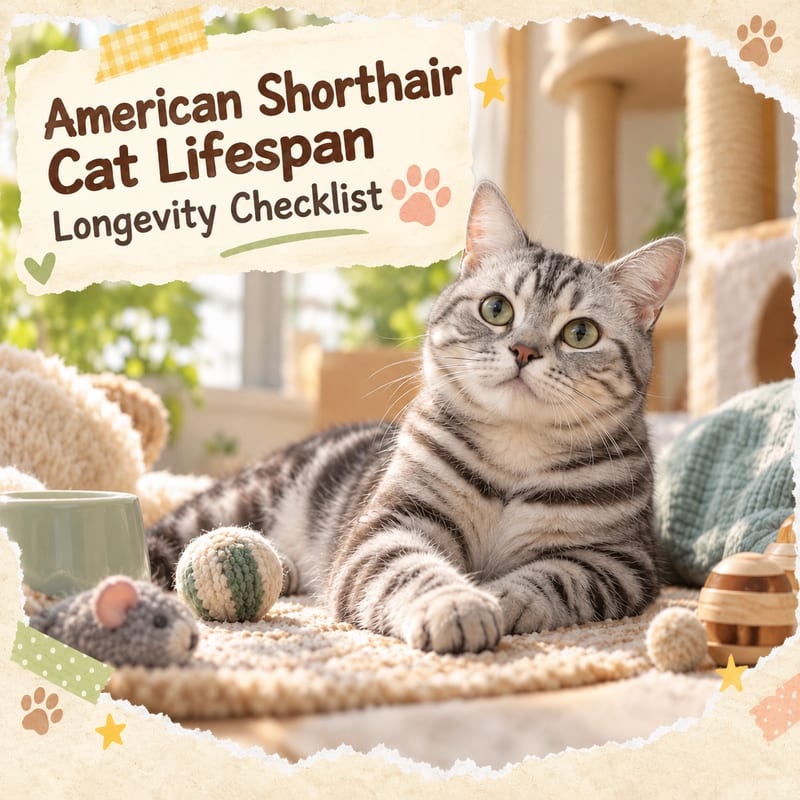
American Shorthair Lifespan: A Hong Kong Owner's Guide to a Longer Life | Disease Prevention and Health Check Schedule
How long do American Shorthairs live? This guide covers the average lifespan range, comparisons with British Shorthair and domestic cat lifespans, six factors that affect lifespan, screening priorities for HCM and obesity, plus a stage-by-stage health check table and an actionable longevity checklist. Medical content is general information only; consult a registered veterinarian for actual decisions.
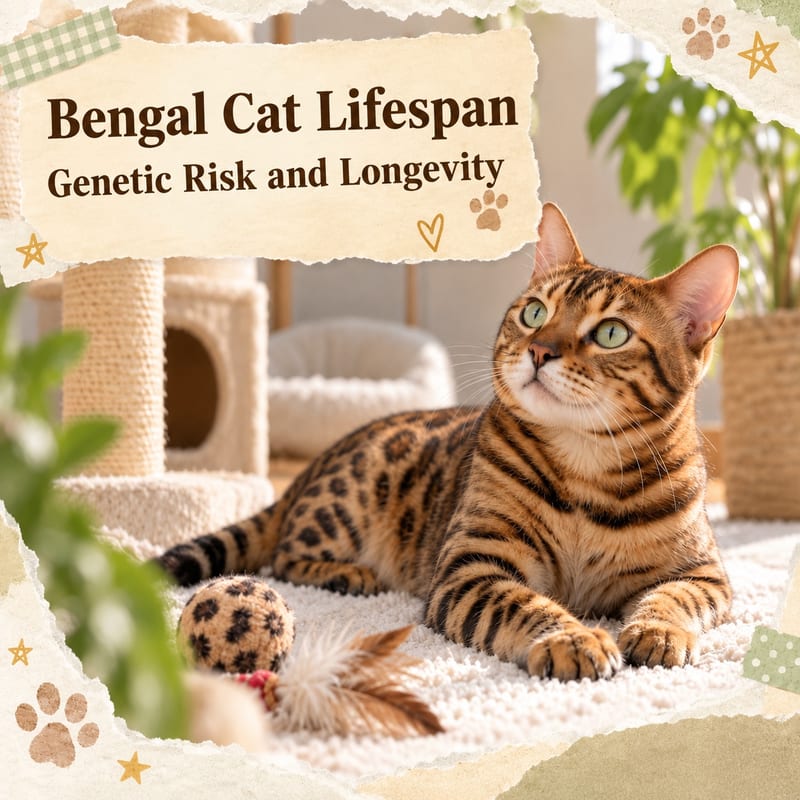
How Long Do Bengal Cats Live? | Hong Kong Bengal Genetic Risks and Longevity Guide
Bengal cats typically live 12 to 16 years, a wider range than many breeds. This article breaks down the factors affecting Bengal lifespan—genetic health (HCM, PKdef), weight management, diet quality and stress environment—and compiles an age-based health check schedule and a 10-point longevity checklist to help you and your spotted cat go further together.
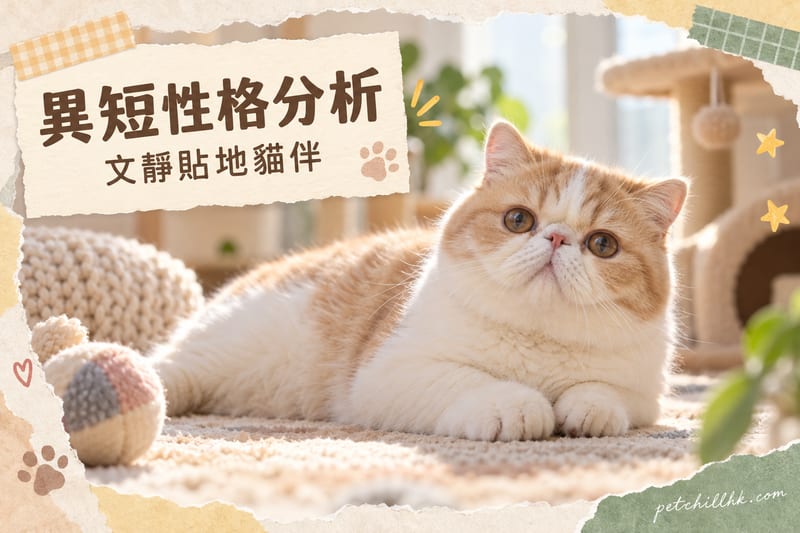
Exotic Shorthair Personality & Intelligence | A Guide to Hong Kong's Quiet, Smart Cat
Is the Exotic Shorthair gentle? Are cat intelligence rankings worth anything? This article breaks down the Exotic Shorthair's personality traits, real-world intelligence, how they get along with children and other pets, male vs female differences, and a straight answer to searches like 'the least intelligent cat'. Includes a personality trait comparison table and interaction tips to help you decide if this flat-faced cat suits your family.

Labrador drawbacks: 8 things to know before getting one (2026 Hong Kong guide)
The Labrador's drawbacks centre on eight points: shedding, food obsession and obesity, uncontrollable energy in puppyhood, separation anxiety, jumping up, genetic joint risk, swallowing foreign objects, and city space pressure. Each has clear coping methods; do them well and you can enjoy their famously good temperament; fail, and these eight will take turns testing your patience and wallet.
Ragdoll Intelligence Explained | A Must-Read for Hong Kong Owners: Smart or Just Sweet?
Is a Ragdoll's intelligence really at the level of a seven-year-old child? This article breaks down Ragdoll intelligence and personality from temperament traits, learning ability and interactive behaviour to getting along with children and other pets, and clears up the myth that 'Ragdolls aren't smart': no rigorous scientific study ranks Ragdolls as a low-intelligence breed — their 'derpiness' is actually low aggression and high trust. Includes a trait × behaviour × response table and a male vs female comparison.

Shiba Inu Regret List: 8 Downsides Hong Kong Owners Must Know and How to Cope
People online often say they regret getting a Shiba Inu—are the downsides really that bad? This article honestly lists eight Shiba Inu downsides: heavy shedding during coat-blowing season, stubbornness and poor recall, the Shiba scream disturbing neighbours, hunting instinct, skin sensitivities, genetic risk of patellar luxation, destructive behaviour when bored, and slow-to-warm sociability. Each comes with coping methods and cost direction—not to discourage you, only to give solutions, so you're fully prepared before getting one and don't become part of the regretful group.
Siamese Cat Personality | A Must-Read for Hong Kong Pet Owners: The Truth About the Chatterbox, the Clingy and the Highly Intelligent
What is the Siamese cat personality? This article breaks down the five key traits of this 'dog among cats': extremely outgoing, loves to talk, smart and easy to train, picks a favourite human, and is possessive. It also compares with the CFA breed standard, and covers Hong Kong prices, monthly expenses, daily companionship time, and which families are suitable.

Yorkshire Terrier Personality Explained | A Must-Read for Hong Kong Owners: A Smart, Affectionate Companion with a Mind of Its Own
What is the Yorkshire Terrier's personality like? Brave and alert, smart and affectionate but with a mind of its own, ranked 27th in canine intelligence. This article breaks down five key personality traits, a four-week barking reduction plan, getting along with children and other pets, differences between males and females, and monthly costs in Hong Kong.

American Shorthair Colours & Patterns: With White, Tabby, and Price Guide (2026 Hong Kong)
Under the CFA standard, the American Shorthair has as many as 80-plus recognised colour and pattern combinations, but the Hong Kong market is dominated by silver tabby, brown tabby and various 'with white' combinations. For those searching 'American Shorthair tabby', 'American Shorthair with white' or 'British Shorthair blue-and-white', this article compares colour groups, commonness and grooming differences in one table, and shows you how not to be misled by 'rare colour' sales talk.
Before You Get a Bengal Cat: 8 Real Downsides and How to Handle Them in Hong Kong
Are Bengal cats really that difficult? This article honestly breaks down the eight common downsides of the Bengal breed—extreme energy, talking back, destructive tendencies, water obsession, separation anxiety, fussy eating, midnight parkour and medical costs—and offers practical solutions and cost directions for each, so you can make a prepared decision before welcoming a spotted cat into your home.

Exotic Shorthair Disadvantages: 8 Honest Points Hong Kong Owners Must Know
Are Exotic Shorthairs easy to care for? PetChill's editorial team honestly lists 8 widely recognised drawbacks of the Exotic Shorthair: flat-face breathing issues, tear staining, easy weight gain, genetic polycystic kidney disease, low activity, heat sensitivity, high medical costs and training difficulty, with practical solutions and cost guidance for each. Anyone searching for British Shorthair disadvantages should read this too, as the pain points overlap heavily.

Labrador Puppy Growth Curve and Weight Chart (Hong Kong)
How big should a Labrador be? This article provides a month-by-month weight reference chart from puppy to adult, breed-standard ranges for shoulder height and weight, male-female size differences, how to use BCS body condition scoring, and key points on feeding and joint protection during growth. With one scale and one pair of eyes, you can judge whether your Labrador is being raised right.
Ragdoll Lifespan: Key Factors and a Longevity Checklist for Hong Kong Owners
Ragdolls generally live 9 to 15 years, and with good care they can live longer. This article covers the five main factors affecting Ragdoll lifespan—genetics (HCM, PKD), weight, diet, environmental safety and frequency of veterinary care—and provides an actionable longevity checklist plus age-specific check-up priorities to help you maximise your time with your Ragdoll. Medical content is for reference only; always consult a registered veterinarian.

Shiba Inu in Hong Kong: A Complete Guide to Public Housing, Summer Heat and the Law
Is a Shiba Inu right for Hong Kong? This guide breaks down what locals care about most: dog licensing and legal requirements, public housing policy and building deed of mutual covenant restrictions, feeding and setup in a small flat, peak-summer heat precautions, humidity and coat care during the plum rain and return-of-south-wind season, plus a year-round risk calendar, comparison tables and hiking leash reminders — so you can do your homework before bringing a Shiba into a Hong Kong home, even a small walk-up tenement flat.
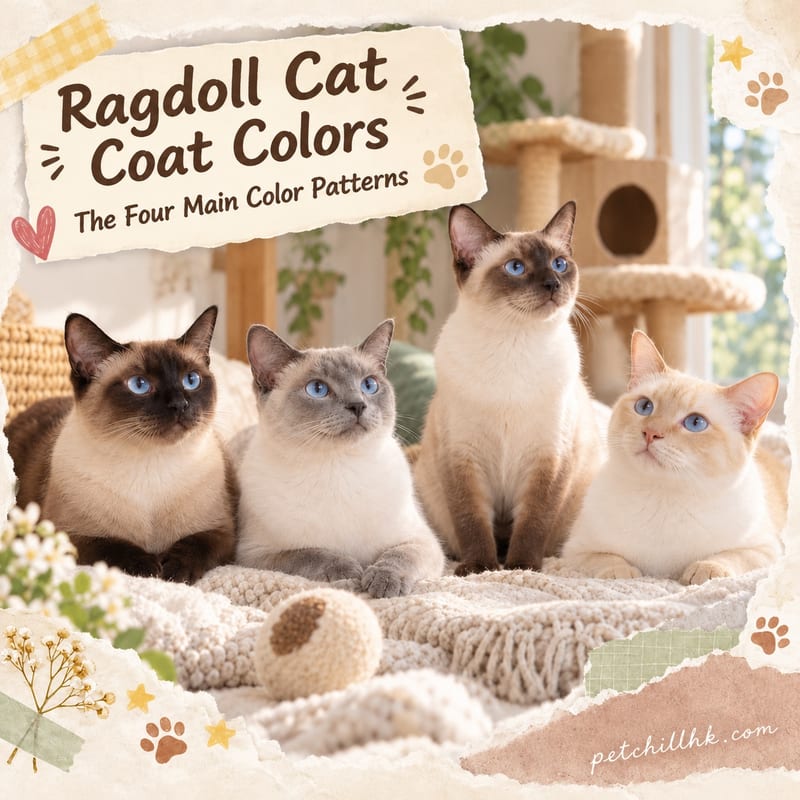
How Many Siamese Cat Colours Are There? Four Key Point Colours Plus Pattern Variants (Hong Kong)
How many Siamese cat colours are there? CFA recognises four traditional point colours: seal, blue, chocolate and red lynx point, plus pattern variants such as lynx point and torbie point. This article uses a colour × feature × commonness quick-reference table to teach you how to tell colours apart, explains why the coat gets darker the colder it is, why kittens only settle into their colour at two to three months, and the care differences between colour groups.

Yorkshire Terrier Price and Adoption Guide: 2026 Hong Kong Market, Channels and Verification Checklist
In 2026 Hong Kong, a pet-grade Yorkshire Terrier costs around $8,000–20,000, while a pedigree-grade one costs around $20,000–38,000; the high premium for a 'teacup Yorkie' is a danger signal. This article covers Hong Kong market price ranges, the chances and methods of adopting a Yorkie through the SPCA and NKAC, an eight-point verification checklist, and a monthly expense estimate table.
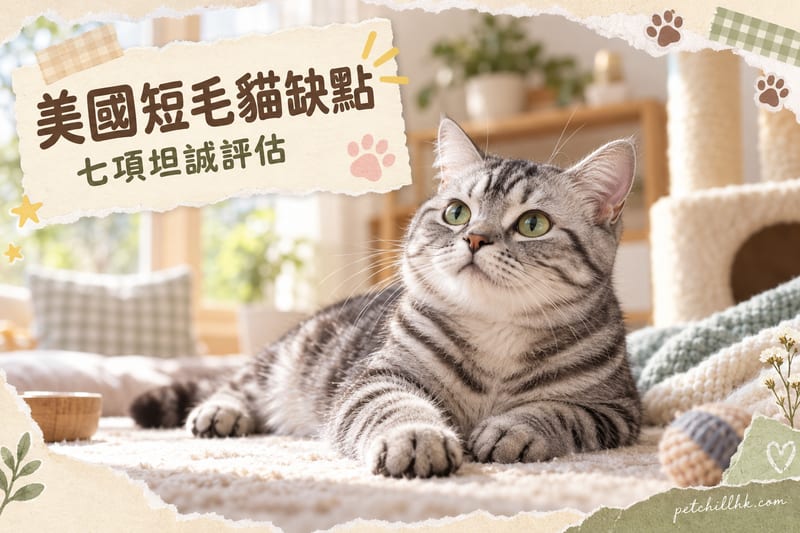
American Shorthair Disadvantages: 7 Honest Assessments and Solutions for Hong Kong Owners
Is the American Shorthair easy to care for? This article honestly lists 7 recognised disadvantages of the American Shorthair: separation anxiety tendency, strong hunting drive, easy weight gain, HCM screening needs, excess energy, vocal expression and shedding volume, each with specific solutions and cost direction. For those searching 'British Shorthair disadvantages' or 'American Shorthair disadvantages', this list applies equally.
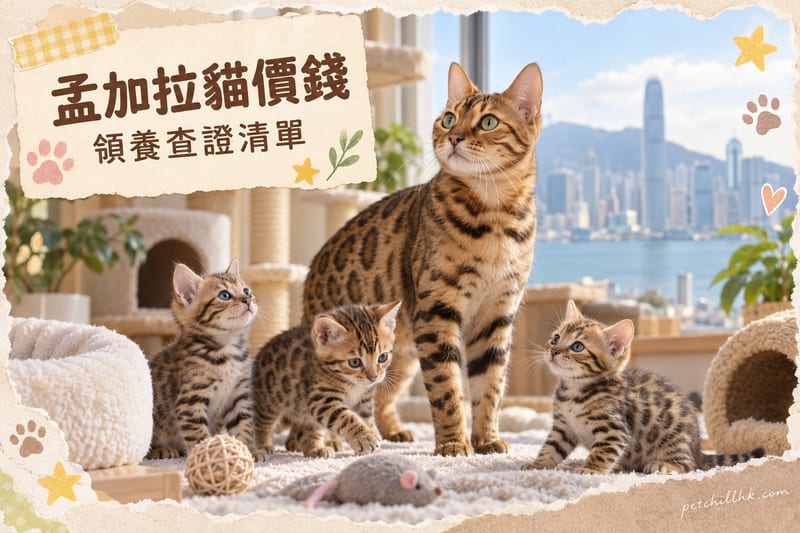
Bengal Cat Prices and Adoption Guide: Hong Kong Cattery Rates, Adoption Routes and a Pre-Purchase Checklist
How much does a Bengal cat cost? This guide covers the price ranges for pet-grade and pedigree Bengals in Hong Kong, the bloodline and coat factors that affect price, adoption routes (SPCA, IRC, Cat Aid and other rescue groups) and how feasible adoption really is, plus an 8-point pre-purchase checklist and a monthly cost estimate table — so you neither overpay nor miss an adoption opportunity.

Exotic Shorthair Hong Kong Care Guide|Humidity Protection for Flat-Faced Cats & Heat Relief
Are Exotic Shorthairs easy to keep in Hong Kong? This article addresses the real challenges of flat-faced breeds: summer heat relief and respiratory risks, humidity protection and skin care during the returning-south damp season, cat-keeping restrictions under public housing and building deeds of mutual covenant, indoor environment setup and a seasonal management table — all in one clear explanation of the living conditions you should assess before considering buying a cat in Hong Kong, helping both you and your cat live with peace of mind.

Labrador Personality and Intelligence: A Must-Read for Hong Kong Owners — Obedience, Food Drive and Separation Anxiety
How good is the Labrador personality really? This article looks at how to interpret dog intelligence rankings, the Labrador's learning performance and obedience, getting along with children and other pets, male-female personality differences, personality changes from puppy to adult, and interaction advice for three common behavioural challenges. Use the trait × behaviour × response table to see the real side of this breed.
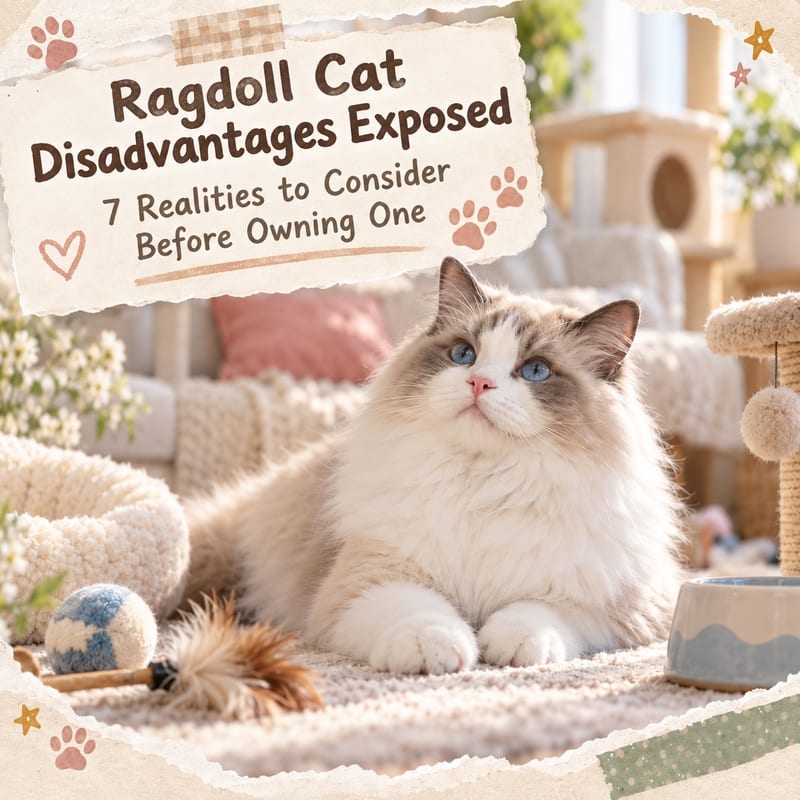
8 Real Downsides of Ragdoll Cats: At Least HK$1,100 a Month (Hong Kong)
Count the downsides of a Ragdoll before you commit: daily brushing for that long coat, heavy shedding, a big appetite and big bills, clinginess that can tip into separation anxiety, no sense of danger, plus HCM/PKD genetic risk. In Hong Kong they cost around HK$15,000–30,000, with basic monthly costs of about HK$1,100–1,900. This article lists all 8 costs one by one, how to handle each, and a 3-question self-test for who should not get one.

Shiba Inu Weight Growth Curve: What's the Hong Kong Standard in kg? Complete Guide from Puppy to Adult
What is the standard adult weight for a Shiba Inu in kg? This article compiles the weight growth chart for Shiba Inus from puppy to adult, differences in body size and shoulder height between males and females, whether Mame Shiba is a separate breed, a three-step body condition score to judge fat or thin at home, and the risks of excess weight on joints. A must-read for prospective Shiba owners in Hong Kong before getting a dog.
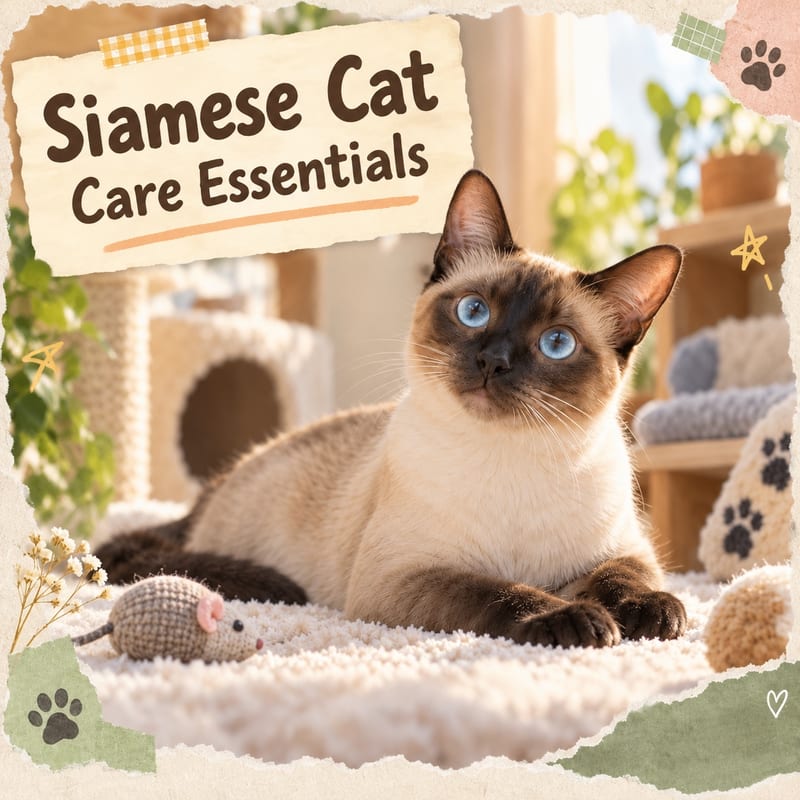
Siamese Cat Disadvantages: Loud, Clingy, Prone to Separation Anxiety (Hong Kong)
The main Siamese cat disadvantages are four: loud and frequent meowing, extremely high companionship needs, separation anxiety when left alone, and sensitive digestion and urinary tract. In Hong Kong they cost around HK$8,000–20,000, with monthly basics of about HK$800–1,500. This article lists 7 costs and how to handle each, plus a self-test for suitable owners.

How Long Do Yorkshire Terriers Live? | Hong Kong 11–15 Years, Key Factors and a Longevity Checklist
Yorkshire Terriers typically live around 11–15 years, making them one of the longer-lived small breeds. This article breaks down six factors that affect their lifespan (genetic background, weight, teeth, knees and trachea, environmental safety and veterinary care), compares them with other breeds of similar size, and provides a longevity checklist from puppyhood to old age, a health-check focus table for each life stage, and warning signs to see a vet.
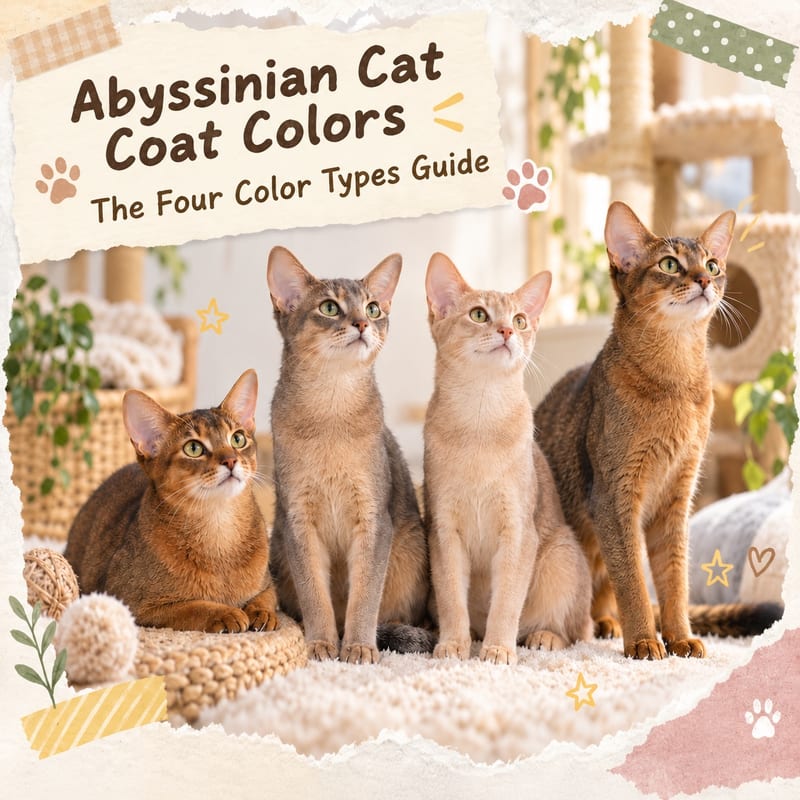
Abyssinian Cat Colour Guide|Four Main Colours, Prices and Hong Kong Market
The Abyssinian cat colours are recognised by CFA in four main colour categories: Ruddy, Sorrel, Blue, and Fawn, all presented in a ticked tabby pattern with no spots or stripes. This article breaks down the characteristics of each colour, their commonality, price differences in Hong Kong, colour variation patterns, and care tips, along with a quick reference table for the four main colours and the truth about 'black Abyssinians'.
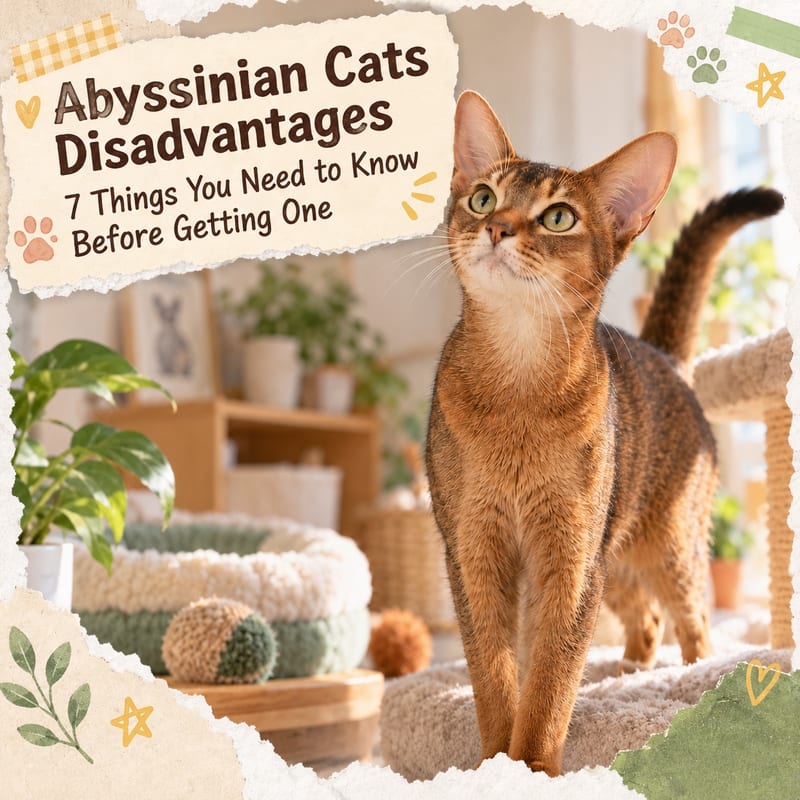
Abyssinian Cat Disadvantages: 7 Things to Know Before Getting One in Hong Kong
The Abyssinian is called the dog of the cat world, but that 'perfect nickname' comes at a price: non-stop energy, destructive boredom, 4am parkour, hereditary haemolytic anaemia and kidney risks, and a chatty streak that talks back. This article honestly lists seven disadvantages, each with a coping strategy and cost direction, so you can do an honest self-match before bringing one home.

Abyssinian Cat Hong Kong Care Guide: High-Jump Champion in a Small Flat
The Abyssinian is the cat world's high-jump champion and puzzle-solving expert. Three keys to keeping this breed in a small Hong Kong flat: vertical routes, escape-proof upgrades (they can open windows and pick locks), and a high-activity energy-burning schedule. This guide breaks down Hong Kong home setup, humid-heat climate management, public housing law notes and a daily routine — essential reading for Hong Kong cat owners.
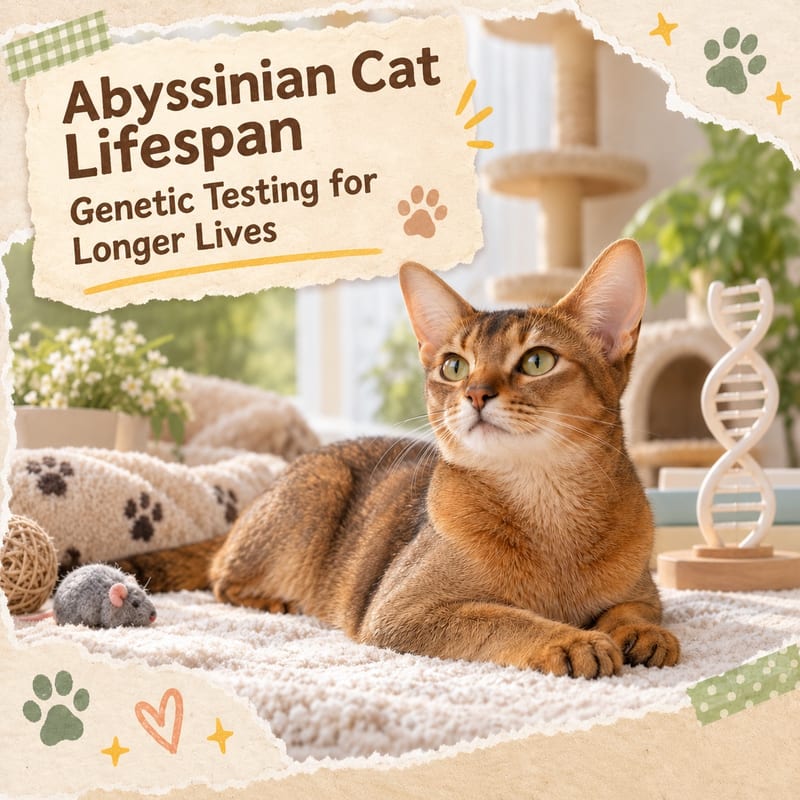
Abyssinian Cat Lifespan and Health: A Hong Kong Genetic Screening Guide
Abyssinian cats typically live 12 to 15 years, among the longer-lived breeds, but there are three breed-specific defences: PK deficiency haemolytic anaemia, renal amyloidosis and dental issues. This article breaks down the lifespan range, influencing factors, and a health management timeline from kitten to senior, showing how genetic testing and regular screening can stretch those years.
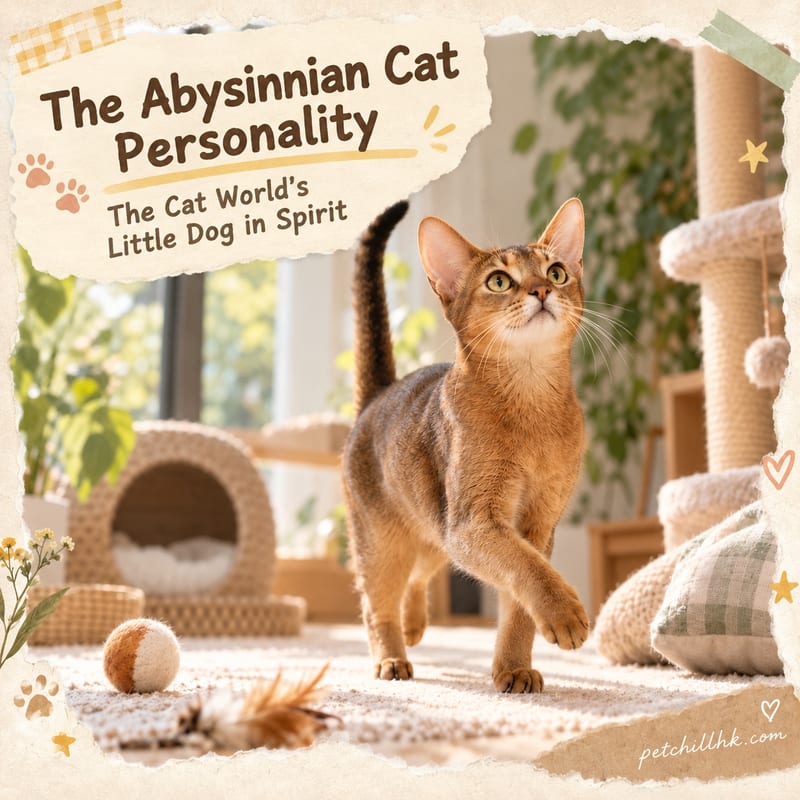
Abyssinian Cat Personality Revealed | Hong Kong Cat Owner Must-Read: How Smart Is the 'Dog of the Cat World'?
Calling the Abyssinian the 'dog of the cat world' is no exaggeration: the TICA standard states they are always on the move, highly involved with humans, and can fetch balls and open doors. This article breaks down five key personality traits, real-world intelligence, ability to live with children and other pets, the weakness of being left alone and separation strategies, and differences between males and females, helping you decide if this 'cat that opens the fridge' fits your lifestyle.
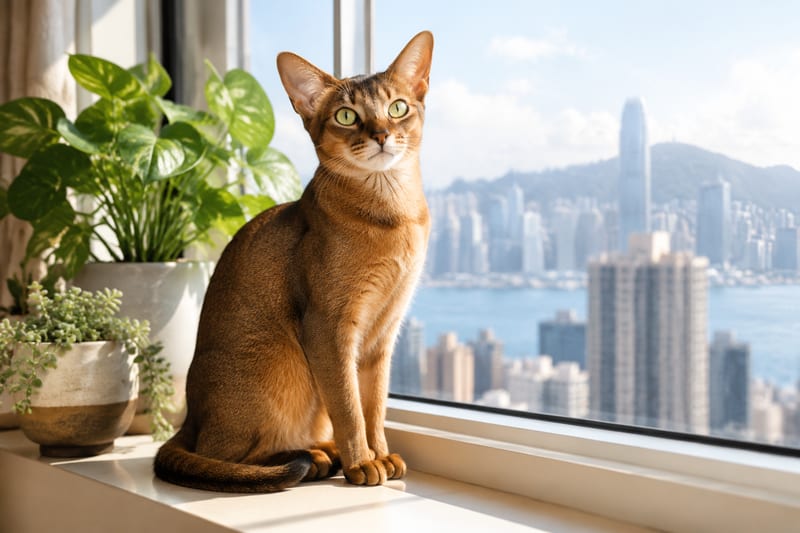
Abyssinian Cat Price: Hong Kong Catteries, Adoption and Verification Guide
How much does an Abyssinian cat cost in Hong Kong? Pet-grade from a cattery is typically HK$10,000–18,000, with pedigree-grade higher; for adoption, local SPCA and rescues occasionally have short-haired ticked tabby types, but purebred Abys are rare. This article breaks down the 2026 Hong Kong market price ranges, adoption routes, cattery verification checklist and monthly expense estimates, teaching you to avoid sick cats and scams on a reasonable budget.
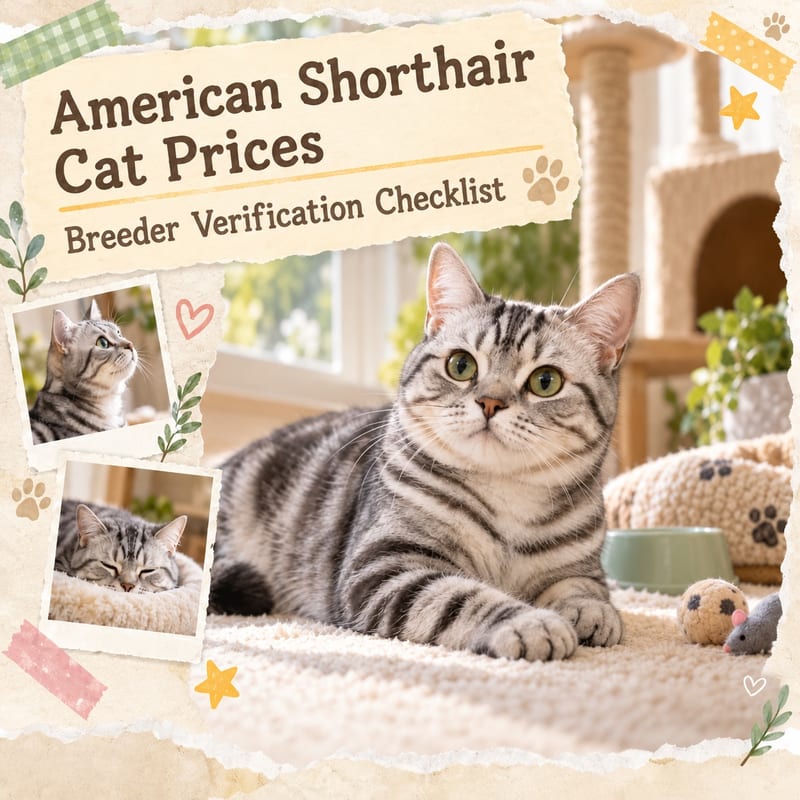
American Shorthair Price and Adoption Guide | Hong Kong 2026
How much does an American Shorthair cost in Hong Kong? This guide covers 2026 market price ranges for pet-grade and pedigree American Shorthairs, the price difference between American Shorthair with white and tabby patterns, comparison with British Shorthair prices, whether free adoption via SPCA and IRC is real, a cattery verification checklist, and a monthly expense estimate table, helping you see all the costs and adoption channels for keeping an American Shorthair in Hong Kong.
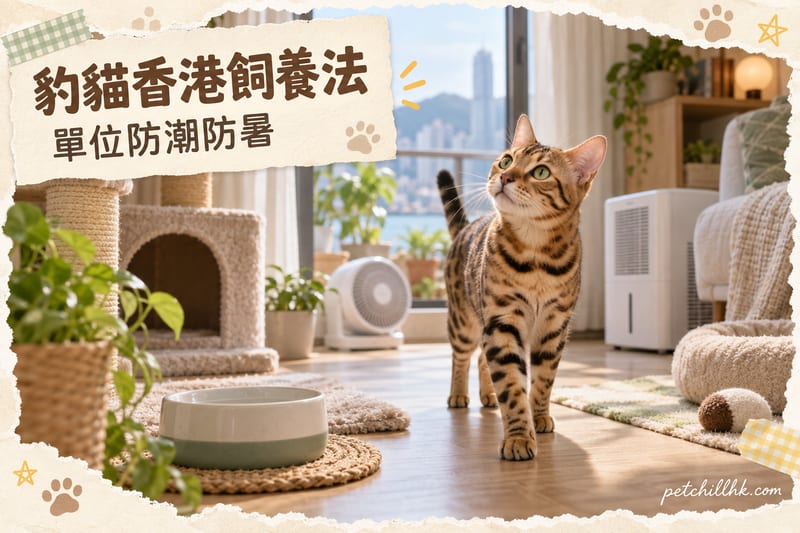
Bengal Cats in Hong Kong: The Complete 2026 Guide to Small Flats, the Law, and Humidity & Heat Protection
Can you keep a Bengal cat in Hong Kong? Do you need a licence? This article breaks down the legal difference between Bengal cats and Hong Kong's wild leopard cats, space planning for high-energy cats in small flats, heat and humidity protection, escape prevention, and deed of mutual covenant considerations, with a project-by-suggestion table to help you raise a healthy, worry-free spotted cat anywhere in Hong Kong, Kowloon or the New Territories.

Chihuahua Disadvantages: A Full List for Hong Kong Owners — 7 Hidden Issues in a Tiny Body
What are the downsides of a Chihuahua? They are small, long-lived and suited to flats, but there is a list of issues to face: alarm barking, aggression towards unfamiliar dogs (small dog syndrome), trembling and cold sensitivity, a tendency to patellar luxation and tracheal collapse, dental problems that arrive early, fragile bones that break easily, and separation anxiety. This article goes through each Chihuahua disadvantage and how to manage it, with a disadvantage × response × cost table. Not a deterrent — just informed ownership.

How Long Do Chihuahuas Live? | Hong Kong Chihuahua Lifespan and Common Diseases Explained
Chihuahuas generally live 12–16 years, making them one of the longest-lived dog breeds. With good care, exceeding sixteen years is not uncommon. Key factors affecting Chihuahua lifespan include weight management, dental care, and fall prevention. This article covers the Chihuahua lifespan range, a list of common diseases (dental disease, patellar luxation, tracheal collapse, mitral valve disease, hypoglycemia), care rhythms for each life stage, and a lifespan extension checklist, along with emergency red flags and a medical disclaimer.

Chihuahua Personality and Intelligence: Small Dog, Big Dog Soul in Hong Kong
What is a Chihuahua's personality really like? They may look tiny, but inside lives a 'big dog': confident, alert, and so devoted to their owner that they stick like glue, while treating anything unfamiliar with suspicion first and friendship later. This article breaks down what Chihuahua intelligence actually looks like (they learn fast, but their motivation to obey doesn't match their size), their personality traits, the conditions for living with children and other pets, differences between males and females, and interactive training tips, plus a trait × behaviour × response table.

Chihuahua Price in Hong Kong: Adoption Routes, Buying Checklist and Real Monthly Costs
In Hong Kong, pet-quality Chihuahuas typically range from about $10,000 to $30,000, with pedigree-level costing more; the 'teacup' premium is a health warning, not a status symbol. Adoption through SPCA, RSPCA, HKAS, or rescue groups costs far less. Whether buying or adopting, don't skip these four steps: check the licence, see the dam, verify microchip and vaccinations, and sign a health agreement.

Corgi Disadvantages Exposed | Must-Read Before Getting One in Hong Kong: 8 Realities + Zero-Cost House Rules
Corgis are adorable with their short legs and big ears, but there are several realities you must know before getting one: risk of intervertebral disc disease, shocking shedding, barking, strong appetite leading to obesity, separation anxiety, and medical expenses. This article honestly lists eight common corgi disadvantages, each with actionable solutions and cost directions, and breaks down the biggest risk—intervertebral disc disease—into three zero-cost house rules to help you decide if a corgi suits you in Hong Kong.

Hong Kong Corgi Ownership Complete Guide: Public Housing, Moisture Control and Heat Protection in One Article
Keeping a Corgi in Hong Kong means dealing with three things: the challenge of hot and humid weather for a double-coated short-legged dog, the home environment (public and private housing policy, anti-slip floor tiles, sofa height), and city management (leash laws, park rules). This article uses item × recommendation tables to organise the key points of Corgi ownership in Hong Kong: a quick overview of housing policy, heatstroke prevention rules, a moisture and mould checklist, home anti-slip modifications, hiking route suggestions, and the five most common beginner mistakes with fixes.

How Long Do Corgis Live? | Average Lifespan in Hong Kong and a Longevity Checklist
Corgis generally live 12 to 15 years, placing them among the longer-lived small and medium breeds. However, breed-related intervertebral disc disease, obesity and certain inherited conditions can reduce the number of high-quality years. This article compiles breed data on the average Corgi lifespan, five controllable factors affecting longevity, health priorities across four age stages, a seven-item daily longevity checklist, plus acute warning signs and a medical disclaimer.

Corgi Intelligence Ranking and Personality: A Hong Kong Guide
Are Corgis smart? In Stanley Coren's classic dog intelligence research based on obedience trial judges' questionnaires, the Corgi sits in the top tier—the type that learns fast but has a mind of its own. This article unpacks what the Corgi's intelligence ranking really means, lists its personality traits, covers living with children and other pets, explains male-female differences and the golden training window, and highlights seven everyday signs of intelligence—helping Hong Kong dog owners truly understand the clever dog in front of them and train to its strengths.

Corgi Price and Adoption in Hong Kong: A Practical Guide
Based on general market observation in Hong Kong, pet-grade corgis cost about $10,000–$30,000, and show-line corgis are higher. Adoption is available through the SPCA, RSPCA, animal shelters or breed rescues; fees are far lower than market prices and usually include neutering and vaccinations. Whether you buy or adopt, do not skip these four steps: check the licence, see the mother, verify vaccinations and microchip, and sign a health agreement. Prices are only a budget reference.

The Downsides of Domestic Cats: The Truth and How to Handle It Before Getting a Hong Kong Cat
It's common knowledge that domestic cats are easy to keep, but that doesn't mean they have no downsides. This article honestly lists seven realities of keeping a domestic cat (Hong Kong cat): unpredictable personality, the adjustment period and behavioural remnants of a street-cat background, the need for FIV/FeLV testing, escape and lost-cat risks, public housing lease restrictions, night-time calling during heat, and a blank medical history. Each comes with coping methods and cost direction—not to discourage you, but to help you keep one more clear-headedly.
How Long Do Domestic Cats Live? A Hong Kong Guide to Health Management and Longer Life
Domestic cats typically live 15 to 20 years—longer than most purebreds, thanks to genetic diversity. But the lifespan gap between an indoor domestic cat and a street cat can be tenfold: SPCA data shows unneutered street cats average only about 2 years. This article breaks down domestic cat lifespan data, influencing factors, common diseases (chronic kidney disease, dental issues, hyperthyroidism), and a Hong Kong-style health checklist from adoption to old age.
Decoding the Domestic Cat Personality | Hong Kong Street Cat Blind Box: Why They're So Loved
There's no standard answer for a domestic cat's personality—and that's exactly why every Hong Kong cat is an individual: some are clingy chatterboxes, some are aloof observers, some are street-smart survivors. This article breaks down how domestic cat personalities form (natural selection + early experiences), four common personality archetypes, getting along with children and other pets, how to 'open the box' and pick the right one when adopting, and interaction tips for building trust, with a trait comparison table.
Adopting a Domestic Cat in Hong Kong: AFCD & SPCA Fees, Procedures, and Public Housing Rules
Domestic cats are the only truly 'zero cat price' option: AFCD adoption fees can be as low as free, while SPCA fees are around HK$1,000–$2,500 and usually include neutering, vaccinations, and microchipping. This article breaks down the four main adoption routes in Hong Kong (AFCD, SPCA, HKSPCA, and volunteer groups), their procedures and fees, public housing policy notes, a pre-adoption checklist, and a monthly expense estimate—save the money you'd spend buying a cat and put it all into your new companion.
Egyptian Mau Disadvantages: The Truth Hong Kong Owners Must Know Before Getting One
Is the Egyptian Mau easy to keep? This article honestly lists seven disadvantages: extremely slow to warm to strangers, separation anxiety and over-attachment, high energy needs, skin prone to sunburn, genetic health tendencies (urinary stones, HCM, PK deficiency), high price and very limited supply in Hong Kong, and stress-related incontinence when changing environments. Each comes with coping methods and cost direction to help you make a clear-headed decision before bringing one home.
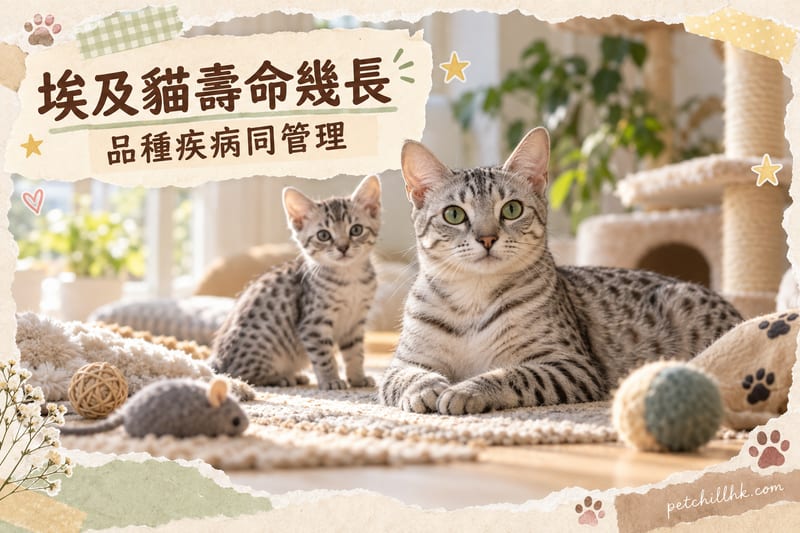
Egyptian Mau Lifespan: Health Risks and Longevity Guide for Hong Kong
Egyptian Maus typically live 12 to 15 years, and with good care they can live longer. But behind that number are several key defences: urate urinary stones, hypertrophic cardiomyopathy (HCM), pyruvate kinase deficiency and skin care. This article breaks down the Egyptian Mau lifespan range, the factors that affect it, breed-specific diseases and a health management checklist from kitten to senior. A must-read for Hong Kong cat owners.
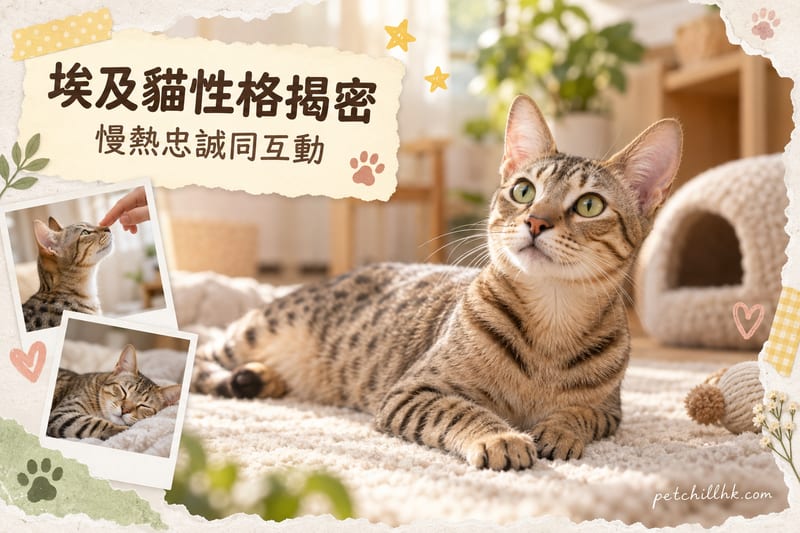
Egyptian Mau Personality Revealed | Hong Kong Cat Owner Must-Read: The Cat That Acts Like a Dog, Loyal to One Family for Life
The Egyptian Mau's personality is a one-of-a-kind combination in the cat world: extremely slow to warm to strangers, yet loyal to its chosen owner like a dog, following you from room to room and greeting you at the door. This article breaks down the Egyptian Mau's personality foundation, intelligence and learning performance, interactions with children and other pets, male-female differences and interaction tips, with a trait comparison table to help you decide if this ancient breed suits your family.
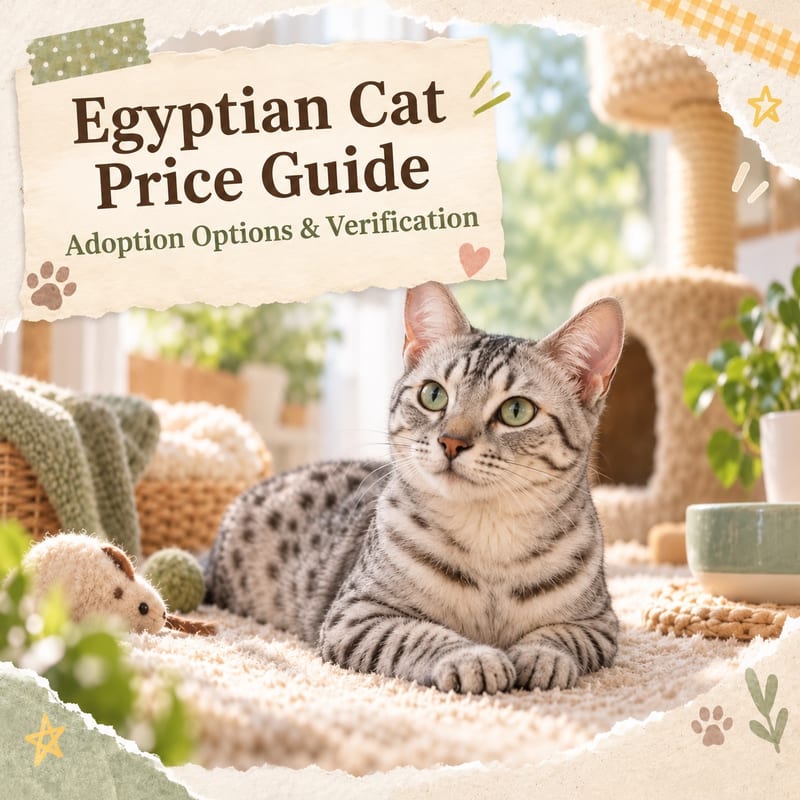
Egyptian Mau in Hong Kong: Price and Adoption Guide 2026 – Market Rates and Verification Checklist
Egyptian Mau catteries in Hong Kong typically charge HK$25,000–45,000, with pedigree-level cats from fully screened parents costing more; this globally rare breed is in very short supply locally, so waiting lists are common. This article breaks down the Egyptian Mau price structure, adoption feasibility, a seven-step cattery verification checklist, monthly expense estimates and first-year cash flow, so you can budget clearly before bringing a cat home.

Exotic Shorthair Price & Adoption Guide | Hong Kong Buying Market 2026
Exotic Shorthair prices in Hong Kong are about HK$10,000–18,000 (pet grade) and HK$18,000–35,000 (pedigree), with special colours costing more. This guide covers how Exotic Shorthair prices compare with British Shorthair, adoption routes via SPCA/IRC/RCAP, free-adoption traps, a five-document breeder checklist and monthly cost estimates, so you can work out the full cost before bringing home a flat-faced cat.
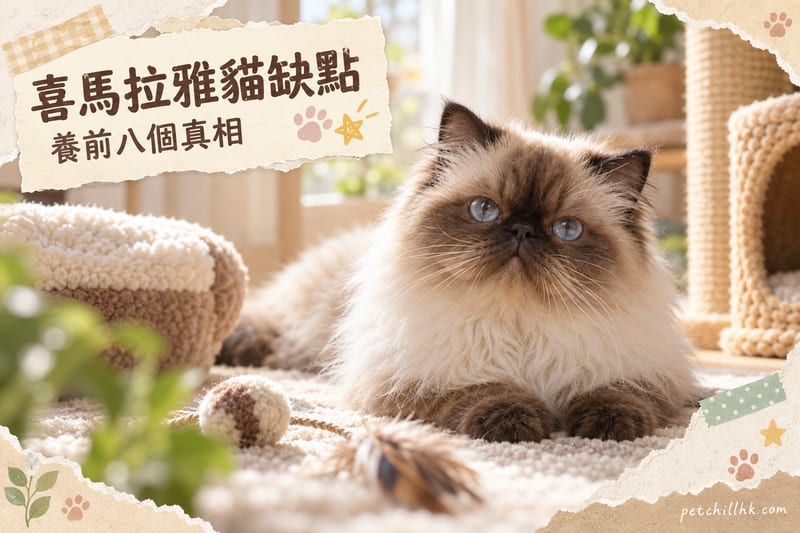
Himalayan Cat Disadvantages: 8 Truths to Know Before Owning One in Hong Kong
The Himalayan cat is stunningly beautiful, but its downsides are very real: daily grooming and tear-stain cleaning, a flat face that struggles with heat, PKD genetic risk, easy weight gain, and higher medical costs. This article breaks down 8 major disadvantages and how to handle each, with a disadvantage × solution × cost comparison table to help you make a clear decision between 'I really want one' and 'can I actually manage it'.

Himalayan Cat Hong Kong Care in Practice: What to Do About the Hot and Humid, Heat-Sensitive Problem|The Complete Longhair Flat-Face Guide
The Himalayan has the Persian's long coat and flat face plus the Siamese's point colouring. Keeping one in Hong Kong means sorting out three things: heat and humidity dissipation, daily brushing and tear-stain cleaning, and tenancy and deed of mutual covenant restrictions. This article breaks down Hong Kong climate adaptation solutions, a daily care routine table, seasonal management priorities, and the supporting costs to think through before getting the breed you have your heart set on. Essential reading for anyone keeping a flat-faced longhair cat.
How Long Do Himalayan Cats Live? A Must-Read 12–15 Year Health Guide for Hong Kong Owners | PetChill Cat Encyclopedia
Himalayan cats live an average of 12–15 years, but their flat face and Persian lineage bring PKD (polycystic kidney disease), respiratory and eye issues that can cut some cats' lives short. This article breaks down the lifespan range, five key influencing factors, age-specific health risks, a life-extension checklist and Hong Kong-specific care notes, plus a genetic screening timetable to help you share more years with this blue-eyed longhair.
Himalayan Cat Personality: Persian Calm Meets Siamese Spark — Which Suits Hong Kong? | PetChill
The Himalayan cat personality is a 'tuned Persian': Siamese heritage makes it a little livelier and more affectionate than a Persian, but at heart it remains a quiet, elegant indoor aristocrat. This article breaks down five key personality traits, intelligence and interaction, compatibility with children and other pets, tolerance for being alone, male-female differences, and includes a care-implications table to help you decide if this blue-eyed longhair fits your pace of life.
Himalayan Cat Price and Adoption in Hong Kong: 2026 Cattery Guide
Himalayan cats in Hong Kong: pet-grade from a cattery HK$12,000–18,000; with full screening and show-line pedigree HK$18,000–25,000+. Purebred adoption is rare, but SPCA and rescues occasionally have surrendered individuals. The core of verification is one piece of paper: parental PKD genetic screening records — without it, no matter how cheap or pretty, do not consider it. Monthly costs are about HK$1,000–1,600, placing this breed in the higher price bracket. Below we break down the price structure, the seven-step verification checklist and the practicalities of adoption.

Labrador Care Guide for Hong Kong: Public Housing, Deeds of Mutual Covenant, Heat and Humidity
Is a Labrador right for Hong Kong? This guide breaks down the building deed of mutual covenant and public housing rules, space planning for small flats, heat and humidity tips for Hong Kong's sticky climate, daily exercise, licensing and legal duties — with a project-by-project checklist and a quick-reference table to help you raise a healthy, happy Labrador even in a small flat.

7 Disadvantages to Know Before Getting a Munchkin Cat | A Practical Guide to Keeping Short-Legged Cats in Hong Kong
Are Munchkin cats easy to keep? This article honestly breaks down seven common disadvantages of short-legged cats: joint and spine health risks, environmental changes needed due to weak jumping ability, easy weight gain, ethical controversy pressure, subtle abnormal walking that's hard to detect early, medical costs, and breed identification confusion. Each comes with specific coping methods and cost directions—not to discourage you, only to give solutions, helping you judge whether you're suited to keeping a Munchkin cat.
Munchkin Cat Care in Hong Kong: Daily Management in Small Flats, Heat and Humidity, and Short Legs
Are Munchkin cats suitable for Hong Kong? This article breaks down the key points of keeping a short-legged cat in the local environment: activity planning in small flats, anti-slip measures for polished tiles, public housing and building deed of mutual covenant policies, damp-proofing and heat relief in the hot and humid summer, furniture height and step configuration, and local arrangements for orthopaedic check-ups, with a project-by-suggestion comparison table to help you keep your short-legged cat healthy and comfortable in Hong Kong.
How Long Do Munchkin Cats Live? Hong Kong Short-Leg Gene Health Risks and a Longevity Checklist
Munchkin cats generally live 12–15 years, and with good care can exceed 17. The short legs come from a dwarfism gene mutation, bringing potential risks to joints, spine and sternum — but these are not a death sentence. This article covers lifespan data, influencing factors, check-up priorities at each life stage, clinical signs of lordosis, and a 12-point longevity checklist to help you spend more years together with your short-legged cat.

Munchkin Cat Personality: 5 Traits of Hong Kong's Short-Legged Comedian
What is a Munchkin cat like? This article breaks down the five personality traits of the Munchkin: lively and friendly, people-oriented and home-loving, clever and fond of problem-solving, a huge sense of humour with the 'begging' and 'kangaroo' stances, plus how they get along with children and other pets, male-female differences and interactive game suggestions, with a trait × behaviour × response table to help you predict the daily life of this short-legged comedian after it moves in.

Munchkin Cat Prices and Adoption: Hong Kong Market Rates and Verification Checklist 2026
How much does a Munchkin cat cost in Hong Kong? This article compiles 2026 market reference prices for buying or adopting short-legged cats: why pet-grade and pedigree-grade prices differ, which 'free kitten adoption' offers are real and which are fake, whether no-home-visit adoption is a red flag, self-protection rules for private adoption, plus an eight-point verification checklist and a monthly care cost table to help prospective owners see through supply-demand premiums and avoid being fooled by pretty photos from unlicensed sources.

Persian Cat Disadvantages: 8 Things Hong Kong Owners Must Know Before Buying (Chinchilla Included)
Persians are elegant and quiet, but their downsides are very real: daily grooming, constant tear stains, PKD genetic risk, flat-face heat intolerance, easy weight gain, and higher vet bills. Chinchillas are part of the Persian family and share the same list. This article breaks down 8 major disadvantages and how to handle them, with a disadvantage × solution × cost table to help you make a clear decision between 'I really want one' and 'Can I actually cope?'
Persian Cat Lifespan: How Long Do They Live? Hong Kong Chinchilla Lifespan and Disease Guide | PetChill Cat Encyclopedia
Persian cats live 12–15 years on average; Chinchillas typically add another six months to a year because their faces are less flat. But the key factors are whether PKD (polycystic kidney disease) is screened and monitored, and whether weight is controlled. This article breaks down lifespan ranges, Chinchilla diseases, the Persian-family health risk map, age-by-age screening schedules and a lifespan-extension checklist to help you share more years with this feline aristocrat.

Persian Cat Personality & Chinchilla Temperament: Intelligence Explained | The Truth About Hong Kong's 'Quiet Aristocrat'
The Persian personality is the cat world's recognised 'quiet aristocrat': elegant, gentle, not talkative. Yet searches for 'Chinchilla bad temper' and 'Chinchilla temperament' suggest another side. This article breaks down the Persian's five key personality traits, the Chinchilla's intelligence and learning style, where the 'bad temper' idea comes from, getting along with children and other pets, male-female differences, plus a care-implications table to help you see this breed's true character.

Persian Cat Prices in Hong Kong: Chinchilla Costs and Adoption Guide | PetChill
How much does a Persian cat cost? In Hong Kong, pet-quality Persians from registered catteries typically run HK$12,000–20,000, with show lines costing more; Chinchilla prices are usually a notch higher. Purebred adoptions are rare but occasionally available through the SPCA and rescues. This article breaks down the difference between Chinchilla and Persian prices, why anything below cost is a trap, a seven-step cattery verification checklist, adoption routes, and a monthly expense table—read it all before you buy or adopt.

Are Poodles Easy to Keep? 7 Downsides and How to Handle Them (Hong Kong Dog Owner's Guide)
Nobody talks about Poodle downsides? They're smart, low-shedding model dogs, but grooming costs, separation anxiety, alert barking, ear infections and toy-breed knee luxation are the bills prospective owners most often forget. This article honestly breaks down seven common Poodle downsides, each with coping methods and cost direction, plus three often-overlooked breed advantages, and answers the two high-frequency questions "Are Teddy dogs easy to keep?" and "Are Giant Poodles easy to keep?" — helping you do the math before you bring one home.

How Long Do Poodles Live? | Hong Kong Guide to Small Poodle Lifespan and Health Management
Poodle lifespan varies by size: Toy and Miniature Poodles generally live 14–16 years, while Standard and Giant Poodles live about 10–13 years—the bigger the dog, the shorter the lifespan, a common rule in the dog world. This article compiles a comparison of lifespan ranges for the four Poodle size categories, a list of common breed diseases (eye disease PRA, patellar luxation, Cushing's disease, epilepsy tendency), care rhythms for each age stage, five key ways to extend lifespan, and key points for senior care, along with emergency red flags and medical disclaimer notes.

Poodle Intelligence Ranking and Personality | A Must-Read for Hong Kong Owners: The Strength of Second Place
Where does the Poodle rank in intelligence? Second in Coren's classic dog intelligence ranking, just behind the Border Collie. This article breaks down the Poodle's 'smart + sensitive + clingy' personality mix, the differences between Toy/Miniature/Standard/Giant sizes, key points for getting along with children, and training advice—a must-read for Hong Kong owners before getting one.

Poodle Prices 2026: Giant Poodle Cost, Four Sizes and Adoption
Poodle prices in Hong Kong fall into four size tiers: Toy and Miniature pet-grade around HK$10,000-20,000, Standard around HK$20,000-30,000, Giant Poodle around HK$20,000-40,000 or more; adoption (SPCA, RSPCA, HKRS) costs about HK$0-4,000 in handling fees. 'Teddy' is a grooming style, not a breed, and you shouldn't pay extra for the name. This article lists prices by tier, adoption routes, a verification checklist and monthly costs.

How Big Does a Poodle Get? A Full Breakdown of Hong Kong's Four Poodle Sizes and Weights
How many poodle sizes are there? Toy, Miniature, Standard and Giant differ hugely in shoulder height and weight, but 'Toy growing into Miniature' size mismatches are Hong Kong's most common puppy-buying dispute. This article uses a four-size comparison table, growth curves, at-home measuring methods and body condition scoring (BCS) to break down adult sizes, weight gain speed, food-switch milestones and portion adjustment for each poodle type, so you can work out 'how big will it get' before you even bring the dog home.

Ragdoll Cat Care Essentials in Hong Kong: Climate, Home and Legislation
Are Ragdoll cats suitable for Hong Kong? This article breaks down the core issues of keeping Ragdoll cats in Hong Kong: caring for a long-haired cat in a humid subtropical climate, pet-keeping restrictions under public housing and building deeds of mutual covenant, practical heat and moisture protection plans, indoor environment setup and a seasonal management checklist, with an item-by-recommendation comparison table to help you create a comfortable and safe home for your Ragdoll cat in Hong Kong.
The Downsides of Owning a Russian Blue | 8 Real Costs Every Hong Kong Cat Owner Should Know
Thinking about getting a Russian Blue? This article neither talks you out of it nor hypes it up—it honestly breaks down 8 common downsides: extreme slow warm-up, separation anxiety, hunger strikes, demands for cleanliness, a voice so quiet it's easily missed, intelligence that can open doors, sensitivity to atmosphere, and a high price tag. Each comes with actionable coping methods and cost directions to help you make a clear-headed decision before bringing the cat home.
Russian Blue Lifespan: How Many Years? | Hong Kong 15+ Year Longevity Checklist
Russian Blues generally live 15 to 20 years, making them one of the recognised long-lived and robust cat breeds. This article breaks down the lifespan range, three influencing factors (weight, urinary tract, stress), a health timeline from kitten to senior, and a longevity checklist, showing you how to push that number to its maximum.
Russian Blue Personality: A Hong Kong Cat Owner's Guide to the Loyal, Intelligent Cat Behind the Shy Exterior
What is a Russian Blue really like? Reserved with strangers but loyal and clingy with their chosen person, this is a breed known for 'love at first sight'. This article breaks down the five key personality traits, intelligence, how they get along with children and other pets, differences between males and females, and interaction tips, with a trait × behaviour × response table to help you decide if this silver 'shadow cat' suits your home.
Russian Blue Price and Adoption Guide | Hong Kong 2026
How much does a Russian Blue cost in Hong Kong? In 2026, pet-quality Russian Blues start at around HK$10,000, while pedigree-quality cats can reach HK$20,000 or more — noticeably pricier than British Shorthairs. This guide breaks down the two-tier market prices, compares costs with British Shorthairs and Siamese, covers adoption routes and free-adoption red flags, plus a pre-purchase checklist and monthly expense estimates so you can see all the costs before bringing a cat home.

Schnauzer Disadvantages: 8 Truths to Know Before Getting One in Hong Kong
What are the downsides of a Schnauzer? This smart, loyal breed does come with a list of things to face: alert barking, stubborn terrier temperament, regular grooming for the wiry coat, easily stained beard, genetic tendencies in Miniatures toward pancreatitis and urinary stones, and a strong prey drive that makes off-leash unreliable. This article goes through each Schnauzer disadvantage and how to manage it, with a disadvantage × solution × cost table. Not here to talk you out of it—just to make sure you go in informed.
How Long Do Schnauzers Live? Miniature Schnauzer Lifespan and Common Health Issues in Hong Kong
Schnauzers generally live 12–15 years, and the Miniature Schnauzer has the longest lifespan of the three size varieties, with some individuals exceeding 16 years. Key factors affecting Schnauzer lifespan include weight management, dietary fat control and regular health checks. This article covers lifespan ranges for the three sizes, a list of common Schnauzer health issues (pancreatitis, urinary stones, eye disease, skin and ear problems), care rhythms by age, and a lifespan-extension checklist, plus emergency red flags and a medical disclaimer.
Schnauzer Intelligence and Personality | Hong Kong Sentinel Dog Smart and Opinionated Full Analysis
Schnauzer intelligence ranks high among dogs: Stanley Coren's dog intelligence research lists Miniature Schnauzers as a breed that learns quickly and responds well to obedience; but they also have terrier independence—smart does not mean automatically obedient. This article breaks down the real manifestations of Schnauzer intelligence, personality traits, feasibility of living with children and other pets, differences between male and female personalities, and interactive training suggestions, with a trait × manifestation × response comparison table.

Schnauzer Prices in Hong Kong 2026: The Complete Guide to Buying and Adopting All Three Sizes
How much does a Schnauzer cost in Hong Kong? This breed comes in Miniature, Standard and Giant sizes, and prices vary widely: Miniature Schnauzers are the most common, while Giant Schnauzers cost even more due to importation. Those searching for "Samoyed price" should note that "Sai Mo" usually refers to the Samoyed, not the Schnauzer. This article covers Hong Kong market price tiers, adoption routes, a buyer verification checklist and monthly cost estimates.

Shiba Inu Personality | A Must-Read for Hong Kong Owners: The Independent, Stubborn, Highly Intelligent Cat-Like Dog
What is a Shiba Inu's personality really like? Independent, stubborn, clean, smart but not necessarily obedient — it's the recognised 'cat-like dog'. This article breaks down the Shiba's personality traits, the truth behind its intelligence ranking, differences between males and females, myths about coat colour and personality, and what it's really like living with children and other pets, plus 5 principles for interactive training.
Siamese Cats in Hong Kong: A Care Guide for Climate, Flats and Company
Are Siamese cats suited to Hong Kong's climate and small flats? This guide breaks down five key issues for keeping a Siamese in a Hong Kong home: coat and skin care in heat and humidity, window safety, air-conditioning and water intake, vertical space planning in small flats, and companionship for this famously talkative cat. Includes a quick-reference table to help you raise a healthy, happy Siamese by Victoria Harbour.
Sphynx Colour Guide: Every Skin Colour and Pattern Explained for Hong Kong Owners
How many colours do hairless cats come in? As many as coated cats — because the colour is written on the skin. Sphynx skin can show every feline colour system: solid, tabby, bicolour and pointed, all recognised by CFA. This guide breaks down the seven colour families on skin, the care differences between light and dark coats, the tanning phenomenon, and the biggest myth of all — that hairless cats are white. Includes commonness and picking tips.

Sphynx Cat Disadvantages, Personality, Price and Care: A Hong Kong Guide
What are the downsides of a Sphynx cat? Oily skin needing a bath every 7–10 days, cold sensitivity requiring year-round warmth, sunburn risk, a big appetite and lots of waste, HCM heart gene risk, extreme clinginess, and high purchase price plus monthly costs — seven points in total. This article breaks down the root causes and solutions for each, with 2026 Hong Kong prices (around HK$15,000–30,000) and monthly costs (around HK$1,000–1,800). Do the maths before you bring one home.

How Long Do Hairless Cats Live? Sphynx Health Risks and Longevity Guide for Hong Kong
Hairless cats generally live 12 to 15 years, but behind that number are two key defence lines: hypertrophic cardiomyopathy (HCM) and skin health. This article breaks down the Sphynx lifespan range, influencing factors, breed-specific diseases (HCM, hereditary myopathy, skin folliculitis), and provides a health management checklist from kitten to senior years plus concrete ways to extend lifespan. A must-read for Hong Kong cat owners.
Sphynx Cat Personality Revealed | Hong Kong Cat Owner's Must-Read: How Smart Is This Clingy Dog-Like Cat?
What is the personality of a hairless cat really like? The Sphynx is described as a 'dog in a cat suit': affectionate with everyone, follows you around and paws at doors, fetches toys, and ranks above average in cat intelligence. This article breaks down five key personality traits, how they get along with children and other pets, differences between males and females, ability to be left alone, and strategies for separation anxiety, helping you decide if this 'clingy to the point of no friends' cat is right for you.

Sphynx Cat Price 2026: Hong Kong Cattery and Adoption Guide
How much does a hairless cat cost in Hong Kong? Sphynx cattery prices typically run HK$15,000–25,000, with pedigree-level cats costing more; for adoption, local SPCA and rescue groups occasionally have hairless or hairless-mix cats. This article breaks down Hong Kong price ranges, the genetic risks behind cheap sales, adoption routes and a verification checklist, with monthly cost estimates, so you can find a healthy cat on a reasonable budget.
The Downsides of Keeping a Turkish Angora | 7 Real Costs in Hong Kong
Before you fall for the ethereal long coat of the Turkish Angora, this article honestly breaks down 7 common downsides: deafness risk in white-blue combinations, dog-like energy levels, grooming obligations, a chatty rather than quiet nature, sky-high prices in Hong Kong, joint and airway sensitivities, and high demands for quality companionship. Each comes with actionable solutions and cost directions.
Turkish Angora Lifespan: How Long Do They Live? | Hong Kong Owner's Guide to Genetic Red Flags and a Longevity Checklist
Turkish Angoras typically live 12 to 18 years and are a robust, long-lived natural breed, but there are three specific lines of defence: congenital deafness (especially in blue-eyed or odd-eyed white cats), patellar luxation, and allergic bronchitis. This article breaks down the Angora lifespan range, influencing factors, a health timeline and a longevity checklist to help you protect that number.
Turkish Angora Personality: The Smart, Chatty 'Fox of Cats' | Hong Kong Care Guide
The Turkish Angora is often called a 'dog in a cat's body': smart, curious, talkative and loyal to the family. Behind the heterochromia and ethereal looks lies a strong need for interaction. This article breaks down the five key personality traits, intelligence, how they get along with children and other pets, male vs female differences and interaction tips, with a trait × behaviour × response table.
Turkish Angora price and adoption guide: 2026 Hong Kong market, routes and waiting lists
Turkish Angoras are basically unavailable as ready stock in Hong Kong: local breeding catteries are very few, and the mainstream approach is to reserve from approved catteries in Japan or Europe. Including import costs, the practical 2026 price is about HK$20,000–40,000, with waiting periods of six months to two years being normal. The chance of adopting a purebred is close to zero; a white long-haired domestic cat is a lookalike alternative. For any cheap 'ready' Angora, check the pedigree papers first.

The Downsides of Owning a Yorkshire Terrier | 6 Real Costs Hong Kong Owners Must Know
Before you fall for the silky coat and dainty looks of a Yorkshire Terrier, here is an honest breakdown of 6 common downsides: alarm barking, long-coat grooming duty, fragile size, dental problems, separation anxiety, and puppy hypoglycaemia risk. Each comes with practical solutions and cost guidance — not a deterrent, just the truth.
Bichon Frise Downsides: 7 Real Costs Hong Kong Owners Must Know (With Monthly Budget)
Is a Bichon Frise easy to keep? This honest guide breaks down 7 downsides: high grooming costs, white coat that shows dirt and tear stains, sensitive skin, separation anxiety and clinginess, alert barking, genetic risk of patellar luxation, and common dental issues — each with practical solutions and monthly cost estimates.

Bichon Frise Hong Kong Care Guide: Public Housing Rules, Damp and Heat Management, and Source Verification
Is a Bichon Frise right for Hong Kong? This guide breaks down the legal restrictions on keeping a Bichon Frise in Hong Kong (Housing Authority public housing tenancy, Housing Society arrangements, building deeds of mutual covenant, dog licence rules), practical setup for small flats, key points for managing damp and heat in Hong Kong's weather, and how to verify licensed breeders and adoption sources, so you can think it through before deciding whether to get a dog.
Bichon Frise Lifespan: 12–15 Years and How to Help Them Live Longer
Bichon Frises generally live around 12–15 years, making them one of the longer-lived small breeds. The influencing factors, in order of importance, are genetic origin, weight control, dental care, skin and ear canal management, environmental safety, and regular health checks. Below are the key checks for each life stage and a practical longevity checklist.
Bichon Frise Personality and Intelligence Explained | Hong Kong Owner's Training Guide: Smartness and Obedience at a Glance
Where does the Bichon Frise rank in intelligence? This article breaks down Bichon personality, learning ability, getting along with children and other pets, male-female differences, and training methods. It clarifies the common misconception of 'dog intelligence ranking 100' and analyses how the intelligence and workload differences between the Border Collie and the Bichon affect your decision to keep one, with a trait-behaviour-response table.

Bichon Frise Price and Adoption Guide | Hong Kong Buying Tips 2026
Bichon Frise prices in Hong Kong are around $10,000–25,000 (pet grade) and $25,000–45,000 (show/breeding grade). This guide covers the eight documents to check when buying a dog in Hong Kong, the truth behind the 'mini Bichon' premium, adoption routes via SPCA, NKAC and IRC, the free puppy adoption trap, and a monthly cost estimate table.
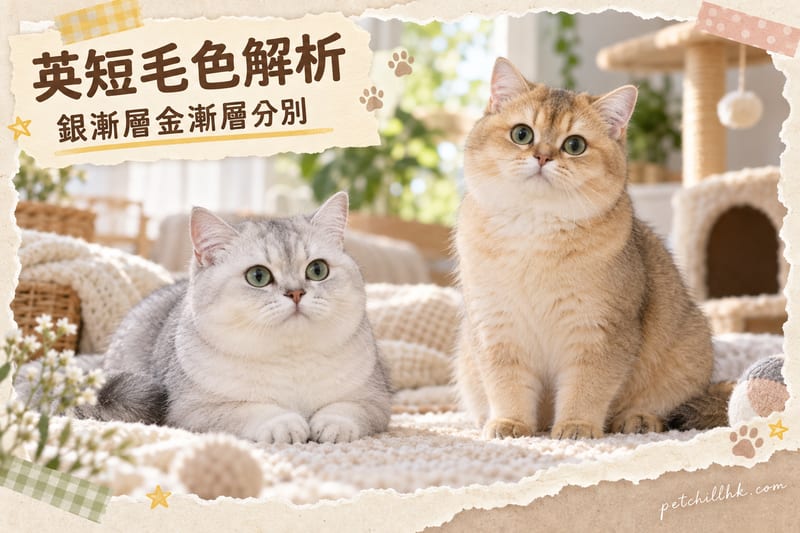
Silver Shaded Cats & British Shorthair Colours: Golden Shaded vs Blue & White, Differences and Prices
A silver shaded cat is not a separate breed but a shaded colour of the British Shorthair: silvery-white undercoat, black tips, green eyes and black eyeliner. Common British Shorthair colours include silver shaded, golden shaded, blue and blue-and-white. This article explains each one's features, how common they are and how they differ, with Hong Kong prices (around HK$10,000–28,000), a colour comparison table, a reminder about kittens changing colour, and 2026 market rates.
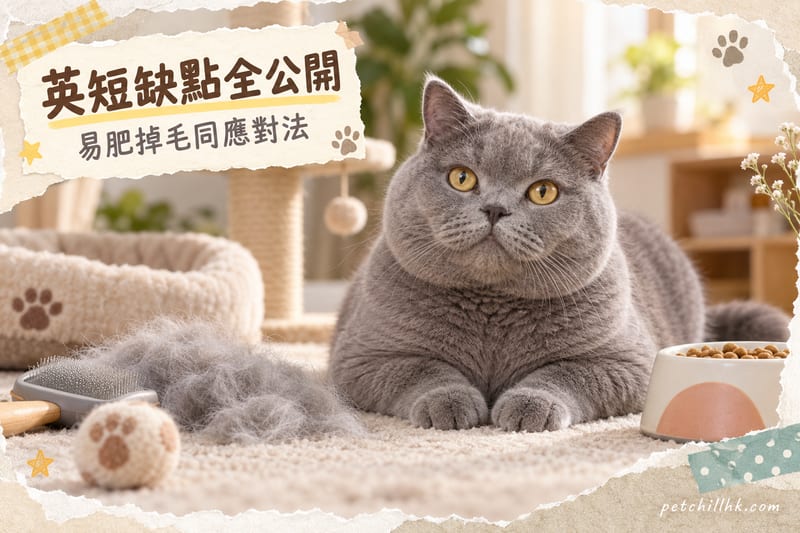
British Shorthair Disadvantages: Prone to Obesity, Heavy Shedding, Not a Lap Cat | Are They Easy to Keep?
The British Shorthair has six main disadvantages: easy weight gain, heavy shedding in coat-change seasons, an independent nature that dislikes being held, low activity levels, and the need for PKD and heart disease screening. Monthly costs in Hong Kong are about HK$750–1,500. This article covers each issue and how to manage it, answers whether the British Shorthair is easy to keep, and compares it with the American Shorthair.

British Shorthair Hong Kong Care Guide|Small Flat Hot & Humid Weather Tips
Is a British Shorthair suitable for Hong Kong? This article covers small flats, hot and humid summers and public housing policy, and sets out the housing requirements for keeping a British Shorthair in Hong Kong, heat and moisture protection tips, how to check the building's deed of mutual covenant, window screen safety and a seasonal management checklist, plus Hong Kong prices and adoption situation, helping you keep a healthy cat even in a small space.

British Shorthair Cat Price and Adoption Guide|Hong Kong 2026
How much does a British Shorthair cat cost in Hong Kong? This article compiles the market price range for pet-grade and pedigree-grade British Shorthairs in 2026, adoption routes through animal welfare organizations and IRC, the truth about free kitten adoptions, risks of no home visits, as well as an estimated monthly expense table and a pre-purchase checklist, helping you understand all costs before getting a cat and avoid making mistakes.

Are French Bulldogs Easy to Keep? 8 Downsides and Fixes Every Hong Kong Owner Should Read
French Bulldogs have charming personalities, but their flat-faced build and small body bring a string of practical problems: heatstroke risk, snoring, skin fold inflammation, separation anxiety, gas and medical costs. This article honestly lists 8 common French Bulldog downsides, each with an actionable fix and cost direction, to help you decide whether a Frenchie suits your Hong Kong lifestyle — before you commit, not after.

French Bulldog Hong Kong Care Guide: Legislation, Heat Protection and Home
Keeping a French Bulldog in Hong Kong means dealing with real conditions such as the hot, humid summers, building deeds and licensing laws. This article compiles a complete checklist for keeping a French Bulldog in Hong Kong: heat protection principles for short-nosed dogs, home environment setup, notes on public housing and private estates, moisture protection and skin care during the rainy season, and a four-season care chart, helping you raise a healthy flat-faced dog well even in a small flat.

How Long Do French Bulldogs Live? A Hong Kong Guide to Flat-Faced Dog Health and Longevity
French Bulldogs live around 10 to 12 years on average, but their flat-faced structure brings breathing, skin and joint problems that genuinely lower quality of life. This article covers the five factors that affect French Bulldog lifespan, health priorities at each life stage, a daily longevity checklist and a medical warning-signs table, plus what owners can do in Hong Kong's hot, humid climate to help their Frenchie go further with them.

French Bulldog Personality Explained | A Must-Read for Hong Kong Owners: Intelligence and Getting Along
French Bulldogs are gentle, clingy, playful and happy to chill — widely recognised as an ideal companion dog for city flats. This article breaks down their personality traits, obedience and intelligence, how they get along with children and other pets, male-female differences and interaction training tips, with a trait comparison table so you know how to live with this 'clown dog' before bringing one home.

French Bulldog Hong Kong Price and Adoption Guide (2026)
Thinking of getting a French Bulldog in Hong Kong? This guide covers 2026 market price references (pet grade, pedigree grade), adoption routes via SPCA and other rescue groups, the real chances of free puppy adoption, a buyer's checklist, and a monthly cost estimate table — so you can decide whether to buy or adopt without wasting money.

French Bulldog Size and Weight Standards | A Complete Guide to Puppy Growth Curves in Hong Kong
How big does a French Bulldog actually get? This article compiles the ideal weight ranges for French Bulldogs based on AKC and UK Kennel Club standards, a growth curve table from puppy to adult, the Body Condition Score (BCS) method, and the obesity risks and portion control that Hong Kong owners care about most—helping you judge whether your Frenchie's size is healthy using a tape measure and a scale.

Labrador Price and Adoption Guide (Hong Kong) 2026
How much does a Labrador cost in Hong Kong? This guide covers 2026 market price ranges (pet-grade and pedigree), the going rate for black, yellow and chocolate, adoption routes via SPCA and NKAC, the real chances of a free puppy, an 8-point checklist, and a monthly cost estimate for a large dog — so you don't overpay whether you buy or adopt.
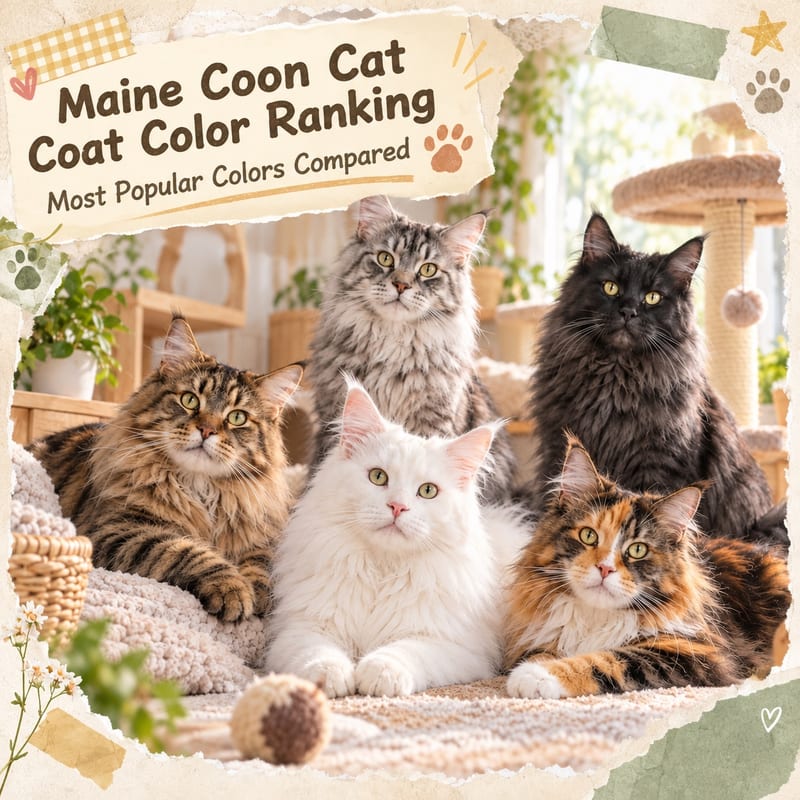
Maine Coon Colours Ranked: A Full Guide to 30+ Colours, Patterns and Popular Shades
Maine Coon colours are ranked by CFA standards into five groups: solid, tabby, bi-colour, tortoiseshell and calico, and shaded and smoke, with over 30 combinations. The most popular and recognised are brown classic tabby, silver tabby, solid black and white, smoke, and tortoiseshell and calico. Pointed, chocolate and lilac colours are not accepted by CFA (TICA has separate groups). This article includes the five-group framework, a quick-reference table of popular colours, show-standard highlights, the relationship between colour and price, care differences by colour, and the polydactyl Hemingway cat legend.
8 Real Disadvantages of Maine Coons: Space, Grooming, Costs & Solutions
The real disadvantages of a Maine Coon boil down to 8: large space requirement, long coat needing daily grooming, high food intake and costs, genetic disease risks, tendency to separation anxiety, excessive shedding, difficulty finding sources in Hong Kong, and building regulation restrictions. But each has practical solutions—reading this before deciding is far better than regretting an impulse purchase.

Maine Coon Genetic Health Screening: HCM, SMA, PKD & GALC
The main inherited risk for Maine Coons is hypertrophic cardiomyopathy (HCM), followed by spinal muscular atrophy (SMA), polycystic kidney disease (PKD) and GALC deficiency. Before buying, ask the cattery to show the parents' genetic test and heart ultrasound reports; from age seven, regular rechecks are recommended.
The Complete Guide to Keeping a Maine Coon in Hong Kong: Space, Air-Conditioning, Building Regulations
Everything you need to know about keeping a Maine Coon in Hong Kong: setting up a small flat, managing air-conditioning and humidity, public and private housing rules, veterinary resources and a home equipment checklist. A must-read for Hong Kong cat owners — save it now!
How Long Do Maine Coons Live? 5 Key Factors Behind 12–15 Years | Hong Kong Edition
Maine Coons live an average of about 12–15 years, and TICA lists the breed's life expectancy at generally over 12.5 years. This article breaks down the 5 key factors—indoor keeping, genetic screening, weight management, vet check-ups and daily care—plus a practical Hong Kong checklist for a longer life.

Maine Coon Personality and Intelligence: What Makes the Gentle Giant Tick | Hong Kong
Are Maine Coons good-natured? This article breaks down the personality traits and intelligence of the 'gentle giant': dog-like cat behaviour, trilling communication, clever examples like opening doors and solving puzzles, plus differences between male and female personalities, living with young children and other pets, and separation anxiety alone-time training, with a personality trait response table and interactive game recommendations.
Maine Coon Price in Hong Kong 2026: Buying, Adoption & Full Cost Guide
In 2026, a pedigree Maine Coon kitten in Hong Kong costs around HK$15,000–40,000: pet grade $15,000–25,000, breeding grade $25,000–35,000, show grade $35,000–40,000+. Adoption via SPCA and others starts at about HK$1,700, including health check, vaccinations, microchip and neutering arrangements. This guide lists price tiers, adoption routes and monthly upkeep of about HK$1,500–3,000.
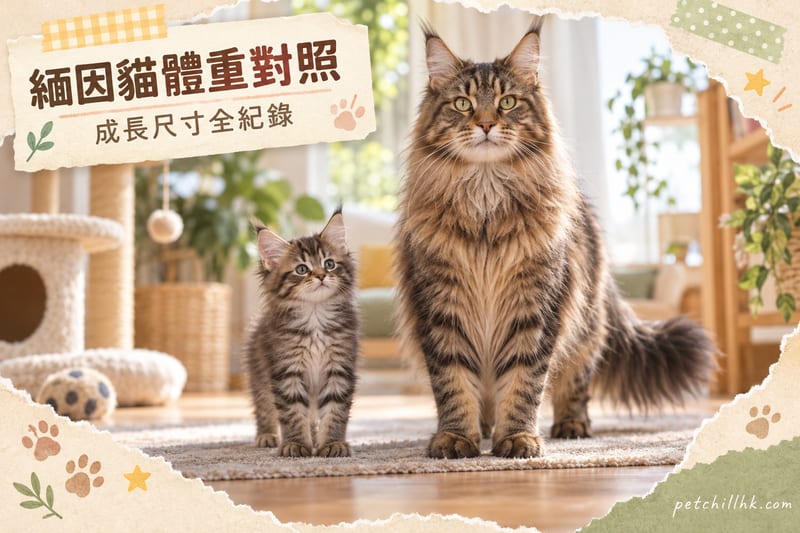
How Big Do Maine Coons Get? Males 6-10 kg, Up to 120 cm Nose to Tail
How big is a Maine Coon, really? Adult males weigh about 6-10 kg and females about 4-7 kg, with a shoulder height of 25-40 cm and a nose-to-tail length of up to 90-120 cm. This guide includes a 0-36 month growth weight chart, male vs female size differences, what counts as normal in kilos, and a weight self-check method for Hong Kong owners.
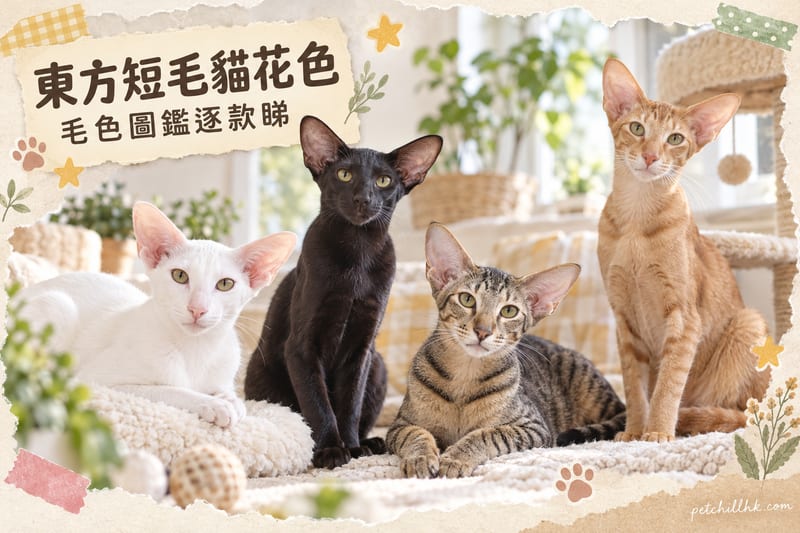
Oriental Shorthair Colour Guide | Hong Kong Picking Guide: How to Choose from 300 Colours
How many colours do Oriental Shorthairs come in? The answer is "almost all" — CFA recognises over 300 colour and pattern combinations, from pure white, solid black, blue and lilac to all kinds of tabby and pointed patterns. This article covers the seven colour groups, Hong Kong preferences and commonness, care differences by colour, and the must-know point about the deafness gene in white blue-eyed cats, helping you pick the right one among hundreds of colours.
Oriental Shorthair Disadvantages: 7 Things to Know Before Getting One in Hong Kong
Is the Oriental Shorthair easy to live with? This article honestly lists seven disadvantages: extreme clinginess, loud vocalisation, destructive behaviour when bored, HCM genetic heart risk, dental problems, cold sensitivity, and the deafness gene in white cats — each with coping methods and cost direction. Not a deterrent, not filtered — if you still want one after reading this, that's the responsible start.

Oriental Shorthair in Hong Kong: A Care Guide for Small Flats, Humidity and Public Housing
Are Oriental Shorthairs suited to Hong Kong? Short-haired, indoor-only and no garden needed, they seem like the ideal city cat. But they feel the cold, need company, and are sensitive to humidity and mould, so before you adopt you need to sort out the building's deed of mutual covenant, escape-proof window screens and air-conditioning. This article lays out a home set-up table, seasonal management (the humid spring 'returning south' spell, summer air-conditioning, damp winter cold) and legal points, all tailored to Hong Kong living.
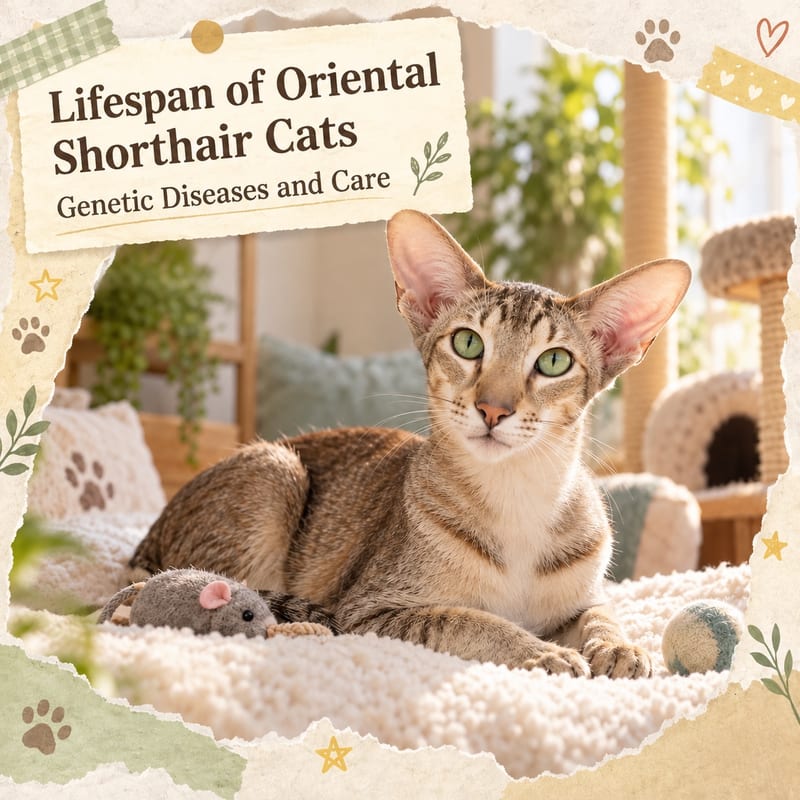
Oriental Shorthair Lifespan: Health Risks and Longevity Checklist for Hong Kong Owners
Oriental Shorthairs typically live 12–15 years, and with good care can exceed 17. As a Siamese-family breed they are generally long-lived and robust, but there are several breed-related health risks to know early: HCM, dental disease, airway sensitivity and the white-cat deafness gene. This article covers lifespan data, influencing factors, age-by-age checkup priorities and a 12-point longevity checklist to help you enjoy more years with this talkative cat.
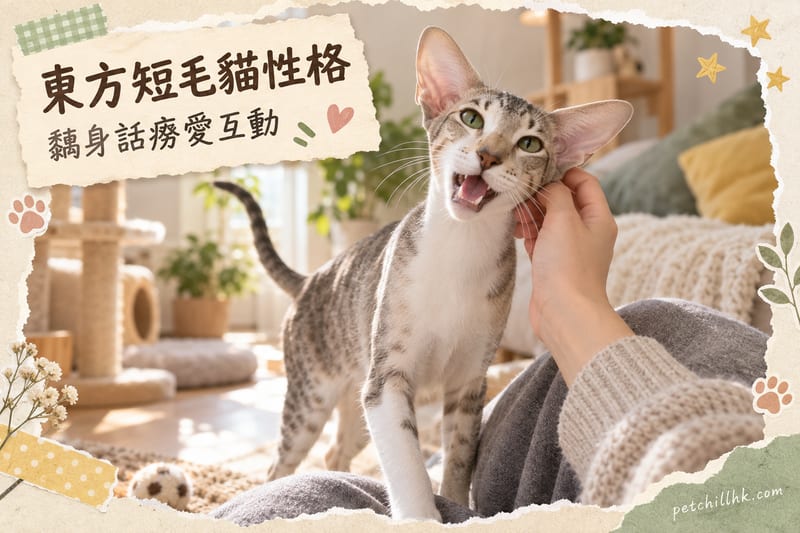
Oriental Shorthair Personality Explained | Hong Kong Care Guide: The Clingy, Chatty 'Dog of Cats'
What is the Oriental Shorthair really like? Sharing Siamese blood, this breed is intelligent, extremely clingy, emotionally expressive, and often described as the 'dog of cats'. This article breaks down the seven core personality traits, intelligence, how they live with children and other pets, differences between males and females, and what Hong Kong dual-income households need to know—helping you decide if this breed suits your lifestyle.
Oriental Shorthair price and adoption in Hong Kong (2026): cattery vs rescue costs
In 2026, a pet-grade Oriental Shorthair with pedigree certificate in Hong Kong typically costs $6,000–$12,000, and pedigree-grade $15,000–$25,000+; purebreds are occasionally available for adoption, so use reputable routes such as SPCA, IRC, and the Civil Association, and budget $800–$1,500 per month.
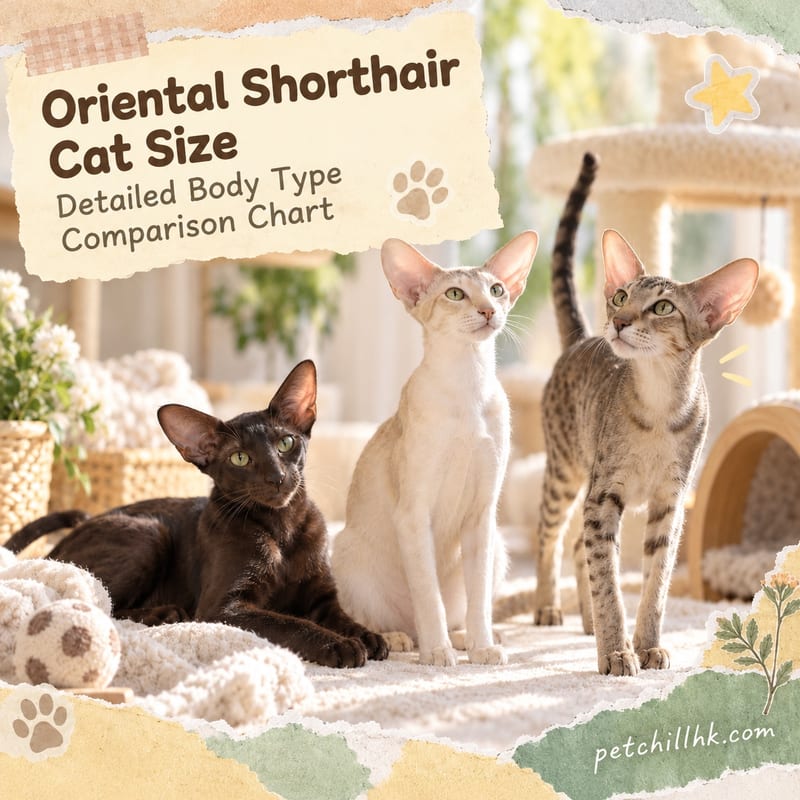
Oriental Shorthair Weight & Growth Curve: What's Normal for Hong Kong Owners
How big do Oriental Shorthairs get? This breed is a small-to-medium cat, with adults typically 3–5 kg for males and 2.5–4 kg for females, but their slender, fine-boned build makes body condition easy to misjudge. This article provides a growth curve table from birth to adulthood, monthly weight references, body condition scoring, measuring tips, and the breed answer to 'why is my cat so light but not thin?'
Ragdoll Cat Prices and Adoption Guide | Hong Kong 2026
How much does a Ragdoll cat cost in Hong Kong? This guide covers 2026 market price ranges for pet-grade and pedigree Ragdolls, adoption routes via SPCA and IRC, the risks of 'free adoption' sales talk, what a no-home-visit arrangement really means, plus a monthly cost estimate table and a pre-purchase checklist to help you see all the costs and potential traps before bringing a Ragdoll home.

Shiba Inu Hong Kong Price & Adoption Guide: 2026 Buy or Adopt
How much does a Shiba Inu cost in Hong Kong? This guide compiles 2026 price references, including pet-grade and pedigree-grade ranges, the truth about colour premiums for black, sesame and white Shibas, adoption routes via SPCA, the New Territories animal centre and Japanese breed rescue networks, how to spot fake free puppy adoptions, an 8-point pre-purchase checklist, and a monthly cost estimate table — so you know what you're getting into whether you buy or adopt, without wasting money or missing a good adoption match.
Siamese Cat Prices and Adoption Guide (Hong Kong) 2026
How much does a Siamese cat cost? This guide compiles 2026 Hong Kong market price references (pet-grade, pedigree, show-grade), the price gap between traditional wedge-head and modern types, the real chances of finding a Siamese through SPCA and adoption organisations, high-risk signals of free kitten adoptions, an eight-point verification checklist for buying a cat, and a monthly expense estimate table—so you don't pay over the odds whether you buy or adopt.

Beginner Cat Ownership Blacklist: 4 High-Maintenance Breeds in Hong Kong + Alternatives
The most common beginner mistake is a mismatch: Scottish Fold (cartilage disease), Persian (daily grooming + respiratory issues), Bengal (hyperactive), Devon Rex (clingy and anxious). For each breed, there's a similar-looking but easier alternative — the breed isn't wrong, the mismatch is.
Cat Independence Ranking | A Guide for Hong Kong Office Workers Leaving Cats Alone for 8 Hours
Essential reading for Hong Kong office workers with cats! Domestic shorthairs and British Shorthairs are independent and can be left alone for over 8 hours; Ragdolls, Siamese, and Devon Rexes are clingy and prone to anxiety. This article ranks 8 common breeds by independence on a 5-star scale, with practical tips for leaving cats home alone, helping you choose the right cat for your lifestyle.
Cat Lifespan Ranking: Domestic Cats 14–20 Years, Average Lifespans by Breed + 5 Factors That Extend Life
How long do cats live? In Hong Kong, indoor domestic cats live the longest at an average of 14–20 years, purebreds average 10–18 years, and free-roaming cats only 2–5 years. This article lists the cat lifespan ranking and average lifespan ranges for 10 common breeds, then explains how neutering, indoor living, weight management, regular blood tests and dental care can extend a cat's life, with reference to Hong Kong senior-cat medical costs.

Chihuahua Breed Guide: Temperament, Health, Costs and Care in Hong Kong
The Chihuahua is a Mexican native breed—one of the smallest dog breeds in the world. Chihuahuas are bold, loyal and have a bit of a 'little tyrant' personality—they don't know they are small and will challenge big dogs. Keeping a Chihuahua in Hong Kong requires attention to: they are cold-sensitive (need clothes in Hong Kong winter) + fragile bones (avoid jumping on and off furniture) + prone to tracheal collapse (avoid collars). Chihuahuas live 12–20 years; Hong Kong prices are around HKD 8,000–20,000.

Labrador Retriever: Complete Guide for Hong Kong Owners
The Labrador Retriever is the world's most popular dog breed—friendly, smart, active, and the ultimate 'happy-go-lucky dog'. But Labradors have two major health risks: obesity and hip dysplasia. In Hong Kong, Labrador owners must watch: weight control (obesity puts extra strain on hip joints) + regular hip joint checks (OFA certification) + Hong Kong's hot weather (short coat but still heat-sensitive). Labrador lifespan is 10 to 12 years, Hong Kong price approximately HKD 10,000 to 20,000.

Longhair Cat Summer Cooling Care | Hong Kong Persian, Ragdoll, Maine Coon & Chinchilla Cooling Guide
Longhair cats (Persian, Ragdoll, Maine Coon, Chinchilla) face a real challenge staying cool in summer, but shaving them bald is actually harmful! This article explains proper grooming techniques, trimming methods, environmental cooling and the science of fur insulation to help your longhaired cat get through summer comfortably.
Multi-Cat Household Breed Compatibility Guide | Hong Kong Cat Pairing Handbook
Choosing a second cat for a multi-cat home? Breed compatibility matters: Ragdolls, British Shorthairs and American Shorthairs are gentle and easy-going; Siamese and Abyssinians are active and need a match; Persians and Exotics are quiet and dislike noise. An age gap of 1 to 3 years is easiest to integrate, and a new cat should be introduced with a 7 to 14 day isolation and gradual introduction method. With the comparison table and correct process, success rates increase greatly.

Pomeranian (Squirrel Dog) Complete Guide: Hong Kong Care, Costs & Health
The Pomeranian is a German breed—one of the most popular small dogs worldwide. Pomeranians are lively, smart and have a bit of a 'little boss' personality—they don't know they're small and will challenge big dogs. Keeping a Pomeranian in Hong Kong requires attention to: their double coat needs regular grooming (daily brushing + regular trimming) + they are prone to tracheal collapse (avoid collars) + they are prone to patellar luxation (avoid jumping on and off furniture). Pomeranians live 12–16 years and cost around HKD 8,000–20,000 in Hong Kong.

How Much Is a Schnauzer? Miniature Schnauzer Prices, Lifespan and Temperament in Hong Kong
The Schnauzer (also written Shih-lap-sa or Suet-na-sui) is a German "whisker dog" with three sizes: Miniature, Standard and Giant. This guide covers Hong Kong prices (HK$10,000–25,000), a 12–15 year lifespan, temperament, grooming costs every 6–8 weeks, skin care in humid weather and a first-time owner checklist.

Senior Cat Care × Breed Differences | Hong Kong Guide for Cats Aged 7+ | Persian, Maine Coon, Siamese, Domestic Shorthair
Cats enter their senior years at 7! Different breeds face different common health issues: Persians need kidney monitoring, Maine Coons need heart checks, Siamese need dental care, and Domestic Shorthairs—though longer-lived—still need regular check-ups. Includes a senior cat care comparison table and daily care tips to help your cat enjoy their golden years.
Keeping a Cat in a 300 sq ft Flat | Hong Kong's 5 Best-Matched Breeds + Setup Guide
Want a cat in a 300 sq ft Hong Kong flat? We pick 5 low-activity, affectionate breeds, with a space setup and care-needs comparison table, to help you create the comfiest cat home in minimal space. A must-read for Hong Kong cat owners — save it now!

What Is a Chinchilla Cat? Personality, Downsides, Lifespan and Price (Hong Kong)
The Chinchilla is not a separate breed but the silver-white branch of the Persian: gentle, quiet, affectionate without being clingy, average lifespan 12-15 years, Hong Kong price around HK$15,000-20,000 (registered cattery) or HK$12,000-18,000 (licensed pet shop). The biggest downsides are daily brushing for the long coat and daily wiping for tear stains on the flat face, plus poor heat dissipation and polycystic kidney disease (PKD) risk; this article covers the 4 major coat colours, monthly costs and a health check schedule.
How Much Does a Ragdoll Cat Cost? | Hong Kong 2026 Prices, Monthly Expenses and Complete Care Guide
How much is a Ragdoll cat in Hong Kong? 2026 market rates: registered catteries HK$20,000–40,000, pet shops HK$15,000–30,000, monthly expenses around HK$900–1,800. A complete look at the three price tiers, first-year costs, personality, lifespan and the HCM/PKD screening checklist.
Maine Coon Complete Guide 2026: Personality, Lifespan, Hong Kong Prices & Care
Are Maine Coons easy to keep? 2026 guide: gentle personality suits beginners, average lifespan 12-15 years, Hong Kong price HK$15,000-40,000, HCM/SMA genetic screening checklist, practical care in a 400 sq ft flat, monthly cost table.

British Shorthair Origins: From Roman Mousers to Crystal Palace Champion to Hong Kong Homes
The British Shorthair's history stretches back to the mousers Romans brought to Britain in the 1st century AD. After winning the first cat show at London's Crystal Palace in 1871, the breed rose to fame and earned the nickname 'the Churchill of cats'. This article traces the breed's 2,000-year journey from ancient trade routes to Hong Kong homes — essential reading for Hong Kong cat lovers.

The Domestication of Cats: From Near Eastern Wildcats to Hong Kong's Little Masters, a 10,000-Year Journey
The domestication of cats spans 10,000 years: from wildcats in the granaries of the Near Eastern Fertile Crescent, to a human-cat burial in Cyprus around 7500 BC, to the worship of the goddess Bastet in Egypt, to the 'lion cats' of the Song dynasty, and finally to today's 'little masters' in Hong Kong homes. This article pieces together the whole story using archaeological and genetic evidence—a must-read for Hong Kong cat slaves.

A History of Chinese Cat Culture | Essential Reading for Hong Kong Cat Slaves: From the Book of Songs' Li Nu to Song Dynasty Cat Betrothals
Chinese cat culture has a long history: cats appear in the Book of Songs, Tang dynasty texts record local breeds, Song dynasty 'cat betrothals' used fish as gifts, Lu You wrote poems for his cats, and the Qing dynasty Cat Garden compiled it all. This article traces a thousand years of cat-keeping culture through historical documents—essential reading for Hong Kong cat lovers.

The Domestication of Dogs: From Ice Age Wolves to Hong Kong's Fur Kids
Dogs were the first animals humans domesticated, older than farming itself: around 15,000 years ago, an extinct ancient grey wolf approached hunter campfires, eventually branching into hunting dogs, herding dogs and sled dogs, and today into the 'fur kids' of Hong Kong families. This article pieces together the whole story using archaeological and genetic evidence.

Golden Retriever Origins: The Scottish Guisachan Bloodline Every Hong Kong Pet Lover Should Know
The Golden Retriever was born in 1868 at Guisachan Estate in Scotland: Lord Tweedmouth crossed Nous, a yellow wavy-coated retriever, with Belle, a Tweed Water Spaniel, creating the golden bloodline. In 1952 the breeding record book was made public, confirming this 'aristocratic gun dog' history. This article tells the full origin story of the Golden Retriever.

Hong Kong Dog History | Police Dogs, AFCD and the Evolution of Adoption Culture
Hong Kong's dog history began with guard dogs and fishermen's working dogs, went through a purebred era, the founding of the Police Dog Unit, controversies over the Animal Management Centre, and today's 'adopt don't shop' culture. This article traces the century-long story of Hong Kong dogs, including the rising status of the mongrel (Tong Gau) and the pet dog economy.

A Century of Hong Kong Pet Culture: From Market Cats to Family Members
Hong Kong's pet culture has evolved over a century from practical partners to family members: from keeping cats during the 1894 plague and the founding of the SPCA in 1921, to today's cats and dogs being family. This article presents a timeline of Hong Kong's pet culture development.

The Evolution of Hong Kong Pet Shops: From Bird Street and Goldfish Street to Pet Superstores
A history of Hong Kong pet shops: from the 19th-century Bird Street and the 1950s Goldfish Street, to the 1997 Yuen Po Street Bird Garden and today's chain pet superstores and online shops. Tracing a century of change in where Hongkongers buy pets and pet supplies, and the regulations that govern it.

Hong Kong Street Cats: A Century of Change, from Plague Heroes to Community Cat Managers
Domestic cats are Hong Kong's most storied felines: from 1894 plague rat-catchers and dried-seafood shop mousers to wet market cat managers and 2025's 'My Favourite Cat Manager' winner 'Big Old'. This article traces the century-long journey of Hong Kong's street cats and domestic cats, and how TNR and adoption are rewriting their fate.

How Japanese Cat Culture Shaped Hong Kong: Maneki-neko, Cat Islands and the Cat Economy
Japanese cat culture has deeply influenced Hong Kong: from Edo-period maneki-neko and cat islands to Hello Kitty and cartoon cats, the cat café boom, and today's social media cat stars. This article traces the history and impact of Japanese cat culture in Hong Kong.

Shiba Inu Origin Story | Must-Read for Hong Kong Pet Lovers: Japan's Oldest Dog Breed from the Jomon Period
The Shiba Inu is the oldest and smallest of Japan's six native breeds, with ancestors dating back to the Jomon period (around 7000 BC). From mountain hunting dog to the 1928 preservation movement, the 1936 Natural Monument designation, and today's internet meme star, this article tells the complete origin story of the Shiba Inu.
Siamese Cat Origins: From Thai Royal Cat to International Star — A Must-Read for Hong Kong Cat Lovers
The Siamese cat originated in ancient Siam (Thailand), originally named Wichianmat, the 'Moon Diamond'. For centuries only royalty could keep them, and they ate from silver bowls. In the 1880s they reached London cat shows and caused a sensation worldwide. This article pieces together the legendary history using recognised historical sources such as the Tamra Maew cat book poems — a must-read for cat lovers.

Bengal Cat Care Guide in Hong Kong | Personality, Exercise Needs and Health Watch
Thinking of getting a Bengal cat? This spotted, muscular cat needs high-intensity daily exercise, and small Hong Kong flats must provide vertical space. This guide covers personality, genetic health issues, diet and legal sources, plus practical setup tips — a must-read for Hong Kong cat owners!
British Shorthair Care Guide for Hong Kong | Personality, Weight Control and Health Checks
Round, quiet and independent, the British Shorthair is one of Hong Kong's most popular cat breeds. This guide covers appearance, personality, key care points, inherited conditions such as PKD and HCM, when to see a vet, plus tips for small flats and humid summers — essential reading for new cat owners.

Corgi Breed Guide | Spine Care, Weight & Small-Flat Living in Hong Kong
Corgis' short legs and long bodies make them prone to IVDD. Want to keep one healthy in a Hong Kong small flat? This guide covers temperament, four spine-care rules, daily exercise, weight management and dog licence law — a must-read for Hong Kong dog owners. Save it now!
Adopting a Hong Kong Cat: Personality, Health Advantages and Adoption Steps
Hong Kong cats (local mixed breeds) are an underrated treasure: genetically diverse, fewer inherited diseases, highly adaptable, and available for adoption. This guide covers their personality and body type, how they differ from purebreds, medical considerations and adoption routes in Hong Kong — essential reading for anyone torn between buying and adopting.

French Bulldog Breed Guide | Temperament, BOAS Health & Hong Kong Care Guide
French Bulldogs are affectionate and suit Hong Kong's small flats, but BOAS, skin fold dermatitis and spinal issues must not be ignored. This guide covers daily care, warning signs and when to see a vet — essential reading for French Bulldog parents in Hong Kong!

Golden Retriever Guide | Temperament, Hip Joints & Hong Kong Care
Golden Retrievers are gentle and great with children, but they face hip dysplasia and cancer risks. This guide covers exercise needs, long-coat grooming, genetic screening, adoption and buying channels so you can welcome your furry friend with confidence. A must-read for Hong Kong golden owners!

Hong Kong Mixed-Breed Dog Guide: Local Dogs, Advantages & Adoption Tips
Want a healthy, loyal Hong Kong local dog? This mixed-breed guide covers genetics, personality, care tips, and adoption steps via SPCA, LAP and more. A must-read for prospective Hong Kong dog owners—save it now!
Munchkin Cat Short-Leg Guide | Essential Reading for Hong Kong Cat Owners: Personality, Spinal Risks and Ethical Debate
Behind the Munchkin's short legs lie a dwarfism gene and ethical controversy. This article breaks down the short-legged cat's personality, care priorities, joint and spinal health risks, and when to see a vet, so Hong Kong cat owners can see the pros and cons clearly before keeping or buying one and make a responsible decision.

Persian Cat Care Guide for Hong Kong | Long-Hair Grooming, Tear Stains and Kidney Screening
The Persian is elegant and quiet, the aristocrat of cats, but daily brushing, tear-stain cleaning and PKD screening are all essential. This guide covers the Persian's appearance and build, personality, grooming steps, genetic health risks and what to watch for in Hong Kong's hot, humid summer — a must-read for long-haired cat owners.

Poodle Breed Guide | Complete Hong Kong Guide to Standard, Miniature & Toy Poodles
Thinking of getting a Poodle in Hong Kong? This guide covers the differences between Standard, Miniature and Toy Poodles, low-allergen curly coat care, patellar luxation and eye disease prevention, plus practical advice from Hong Kong vets and groomers. Save it now — a must-read for Hong Kong dog owners!
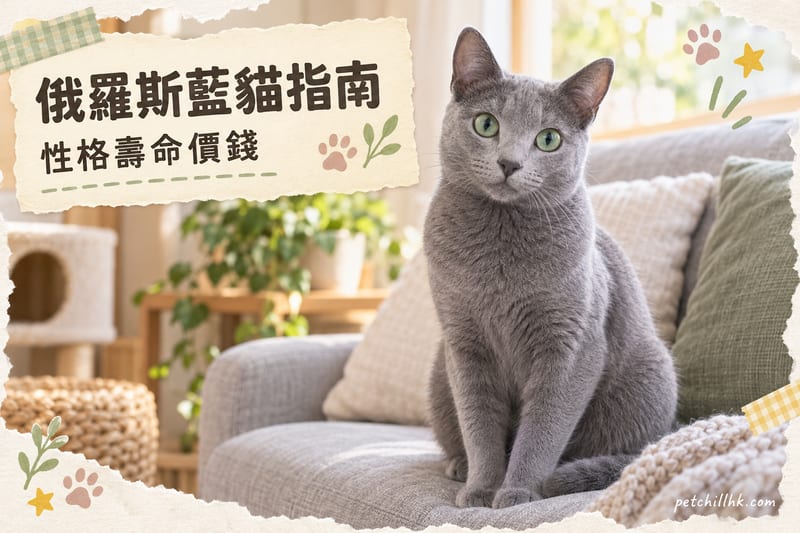
Russian Blue Cat Hong Kong Care Guide | Silver-Blue Coat, Green Eyes and Personality
Russian Blue cats are known for their silver-blue double coat and emerald green eyes. They are gentle, intelligent, clingy with their owners and shy with strangers. This guide covers appearance, personality, daily care, genetic health and Hong Kong's hot and humid weather, plus the hypoallergenic myth. A must-read for beginners.

Shiba Inu Hong Kong Care Guide: Temperament, Shedding, Training and Hereditary Conditions
Shiba Inus are a hugely popular breed in Hong Kong, but this 'cat-like dog' is independent and stubborn, and sheds an astonishing amount during coat-blowing season. This guide covers Shiba temperament, shedding and grooming, training methods, hereditary conditions and when to see a vet, plus Hong Kong licensing, leash laws and adoption information — essential reading for prospective owners.
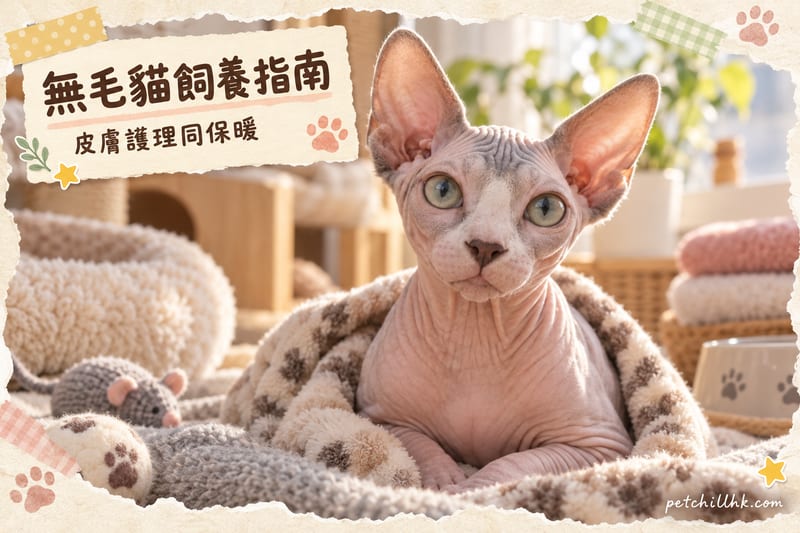
Sphynx (Hairless Cat) Complete Guide | Skin Care, Personality, Keeping in Hong Kong
The Sphynx hairless cat is eye-catching and clingy, but its oily skin, cold sensitivity and sun sensitivity need special care. This article covers skin care steps, health risks and Hong Kong four-season care tips so you can raise a Sphynx with ease. A must-read for Hong Kong cat owners!

Choosing a Cat by Face Shape? Hong Kong Cat Face Shapes Explained: Square, Round and Triangular Personalities
Did you know a cat's face shape may hold a personality code? Experts have found that square-faced cats are affectionate and clingy, round-faced cats are timid and submissive, and triangular-faced cats are clever and curious. This article explores the link between face shape and personality to help you find the right companion cat.

Hong Kong Cat Breeds Guide 2026: 12 Breeds Compared by Personality and Price
A must-read for Hong Kong cat owners! Compare 12 popular cat breeds by personality, price, activity level and care difficulty. Learn how to choose a cat for a small flat, avoid genetic health risks, and save this guide for when you're ready to compare prices.
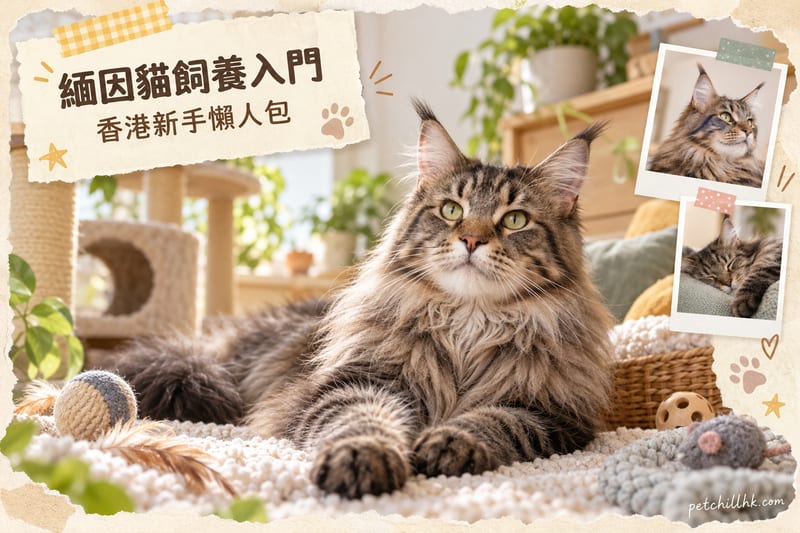
Maine Coon Hong Kong Care Guide 2026 | Personality, Price, Space Needs
The Maine Coon is a gentle giant: one of the largest domestic cats, friendly and intelligent but needing plenty of space and a high medical budget. This guide covers appearance and weight, personality, Hong Kong prices and adoption, hereditary diseases such as HCM, and when to see a vet — essential reading for Hongkongers keeping a large cat.

Ragdoll Cat Complete Guide 2026 | Personality, Price, Care Essentials, Hong Kong Adoption Info
Ragdolls are gentle, affectionate cats. From 2026 Hong Kong prices and adoption channels to coat care and common health issues, this is the complete guide every Hong Kong cat owner should bookmark.
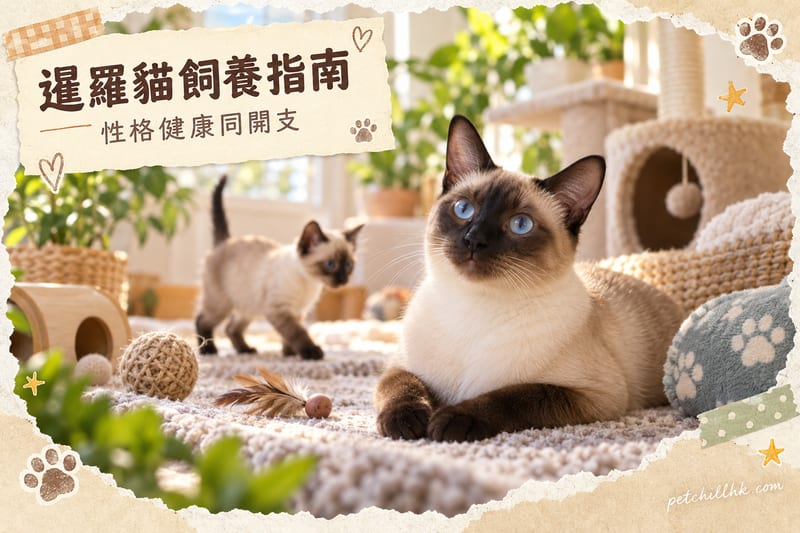
Siamese Cat | Full Guide to Price, Personality and Colours (Hong Kong 2026)
The Siamese is the 'dog among cats': blue eyes, point colouring, extremely clingy and talkative. In Hong Kong, buying costs about $8,000-25,000, adoption about $1,000-3,000. This article breaks down their personality, how the four point colours darken with temperature, monthly costs, health check schedule and where to buy or adopt, to help you decide if this cat suits you.

A Noble History of Cats: From Chinese Imperial Courts to Japan's Royal Felines, Through a Hong Kong Lens
From rat-catching officials in the pre-Qin era to pampered palace pets in the Tang dynasty, and to enfeoffed royal cats in Japan, here's how cats conquered two ancient empires. A must-read for Hong Kong cat slaves—discover the secrets of Lu You's cat-hiring ceremony with salt and rice, and the noble life behind Edo's lucky cats.