Quick answer: For first-time cat owners in Hong Kong, just confirm the building's deed of mutual covenant allows pets, prepare a one-off budget of $4,700–47,000 and a monthly budget of $600–1,750, then bring your cat home via the "five adoption steps" or a careful purchase process. Isolate and let it adjust for the first seven days, establish eating and litter box routines in the first month, and you can steadily begin a decade-plus life as a cat owner.
Keeping a cat or dog is a 10–20 year commitment. Hong Kong beginners should pay attention to four things: monthly costs of about $500–1,500, initial one-off costs starting from $3,000, some estates' deeds of mutual covenant prohibiting pets, and dogs needing licences and rabies vaccinations. This article uses a checklist approach to cover pre-pet assessment, adoption and purchase, supplies and budget, and legal mistakes all in one go.
Pre-pet assessment: four honest questions to ask yourself
- Time: Cats need 30 minutes of interaction and cleaning daily; dogs need 1–2 hours daily (walks, interaction, cleaning). If you're often out and have no one to help, think twice about getting a dog.
- Money: Initial costs from $4,700, monthly from $600 (see budget table below), medical emergencies extra.
- Space: Does the building's deed of mutual covenant allow pets? Is there enough activity space? Are electrical cords, toxic plants, and window hazards dealt with? Cats must have windows proofed.
- Family consensus: Does everyone in the household agree? Any allergies? Who will care for the pet if you marry, have children, move, or face income changes?
If you hesitate on any one of these four, delay the decision—impulse bringing a pet home is one of the root causes of the stray animal problem.
How much does it cost? Hong Kong budget table

Initial costs (one-off):
| Item | Cost |
|---|---|
| Adoption/purchase fee | $1,000–40,000 |
| Neutering surgery | $1,500–3,000 |
| Vaccinations (3 doses) | $900–1,500 |
| Basic supplies | $1,000–2,000 |
| Microchip implantation | $300–500 |
| Total | $4,700–47,000 |
Monthly costs:
| Item | Cost |
|---|---|
| Food | $200–600 |
| Cat litter/puppy pads | $50–150 |
| Treats and toys | $50–200 |
| Grooming | $100–300 |
| Medical reserve | $200–500 |
| Total | $600–1,750 |
The medical reserve is not optional—Hong Kong vet fees are not cheap. Save a little each month so you don't hesitate over money in an emergency (see the Hong Kong vet fees guide for details).
Adopt or buy?
Adopt:
- Pros: low cost ($1,000–5,000), saves lives, usually already neutered and vaccinated
- Cons: breed uncertain, possible behavioural issues, health history may not be complete
- Channels: SPCA, Hong Kong Animal Adoption Centre, district shelters, platforms like Petfinder, and social media adoption groups
Buy:
- Pros: can choose breed, clear health history, bond from a young age
- Cons: high cost ($8,000–40,000), need to carefully screen breeders, may encourage bad breeding farms
If buying, visit the breeding environment in person and ask for health records and vaccination certificates of the parent cats/dogs; if a seller only accepts cash and won't let you see the premises, walk away.
Five adoption steps
- See the pet—look at SPCA, adoption centres or online platforms, note the animal's background
- Apply—fill in a form about your living environment, family opinions, pet experience
- Review and interview—the organisation confirms your commitment and conditions, some conduct home visits
- Trial period—some organisations offer short trial periods to see if the pet and you are a good match
- Complete paperwork—pay the adoption fee (about $1,000–5,000), transfer vaccination records, confirm microchip details
Essential supplies checklist
Cat supplies:
| Category | Items | Budget |
|---|---|---|
| Food & drink | Cat food, cat bowls, water bowls | $200–400 |
| Toilet | Litter box, cat litter, scoop | $150–300 |
| Rest | Cat bed, cat igloo | $100–300 |
| Entertainment | Scratching post, toys, cat tree | $200–500 |
| Care | Brush, nail clippers, ear cleaner | $100–200 |
| Outings | Cat carrier, leash (optional) | $200–400 |
| Total | $950–2,100 |
Dog supplies:
| Category | Items | Budget |
|---|---|---|
| Food & drink | Dog food, dog bowls, water bowls | $200–400 |
| Toilet | Puppy pads, playpen | $100–200 |
| Rest | Dog bed, dog igloo | $150–400 |
| Outings | Leash, harness, poop bags | $200–400 |
| Care | Brush, nail clippers, toothbrush | $100–200 |
| Entertainment | Toys, chew toys | $100–200 |
| Total | $850–1,800 |
First supplies checklist (PetChill current prices, verified 2026-10-02)
All prices are taken from PetChill's product pages (mpdt_lowest_price, i.e. the lowest selling price on the site), not estimates. Below is a "basic bundle" example, adjustable by flat size and cat age:
| Category | Example product | Price | Product page |
|---|---|---|---|
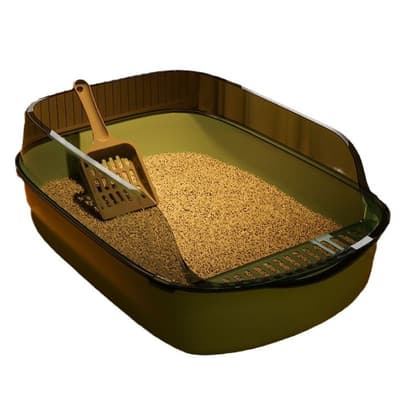
| Toilet | Selected litter box, extra-large semi-enclosed anti-tracking | $58 | Product page |
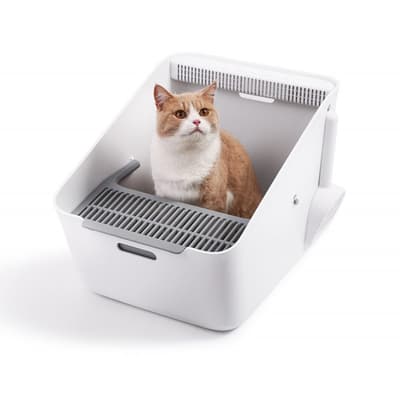
| Toilet (upgrade) | PETKIT Pura Cat sensor automatic litter box | $577 | Product page |
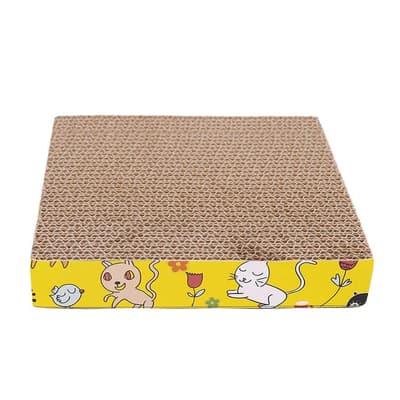
| Scratching | HelloDOG corrugated cardboard scratcher, square | $10 | Product page |
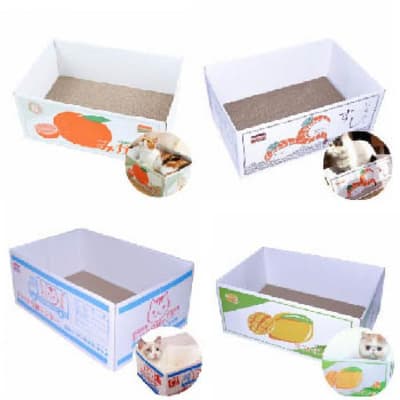
| Scratching + rest | Corrugated cardboard 2-in-1 scratcher and bed | $85 | Product page |
| Vertical space | Cat tree (medium, arch bridge) | $88 | Product page |
| Vertical space (upgrade) | Japanese MARUKAN fluffy single-post scratching post cat tree | $175 | Product page |
| Rest | Enclosed sleeping bag cat bed, medium | $68 | Product page |
| Outings | Pet carrier, airline carrier, travel crate | $125 | Product page |
| Interaction | Cat toy, hanging telescopic teaser wand | $7.5 | Product page |
| Interaction | Cat toy, feather mesh teaser wand | $15 | Product page |
| Care | PETKIT pet LED nail clippers | $59 | Product page |
| Care | Mlaximilian wooden-handled pin brush (for short hair) | $48 | Product page |
| Emotional support | Pet Lab calming catnip treats (bonito flavour 20g) | $45 | Product page (discontinued) |
| Basic bundle total (excluding cat food and litter) | 11 basic items above | About $584 | — |
Why list actual prices: Beginners often "look at a budget table and think $1,000 is enough", but find it's far off when they get to the shop. Every item above is a current selling price in Hong Kong; you can copy it as a shopping list and adjust for your flat.
Deworming and medical supplies (use under vet guidance): Revolution Cat (5.1–15 lbs) 3-dose pack $888, ANIBIO environmental deworming spray 500ml $180 (for environment). These two are medical-related; dosage and frequency must follow vet instructions.
(Prices and stock change; check the product page at the time of ordering.)
Hong Kong laws: four must-follow rules
- Dog licence: All dogs must be licensed with the AFCD, fee $80/year, microchip required first
- Rabies vaccination: Legally required for dogs, booster every 3 years
- Public places: Dogs must be on a leash; some parks prohibit dogs; must clean up dog faeces
- Building deed of mutual covenant: Some estates prohibit pets; check the deed before getting a pet; violations may lead to fines or even being required to send the pet away
Additionally, animal cruelty is a criminal offence. Abandoning cats and dogs is also a criminal liability—before getting a pet, make sure it's a 10–20 year decision.

If you're getting a dog, see the AFCD dog licence appointment | Hong Kong dog licence renewal, licensing, microchip and rabies vaccination guide for the schedule.
Five common beginner mistakes
- Impulse adoption/purchase—bringing home because it's cute. Correct: assess time, money, space first.
- Wrong breed—choosing a breed that doesn't suit your lifestyle. Correct: choose based on living space, time, experience.
- Skipping neutering—not neutering leads to overbreeding and health risks. Correct: do it around 6 months old.
- Lack of socialisation—no exposure to the outside during puppy/kittenhood leads to behavioural problems later. Correct: 3–14 weeks is the golden socialisation period; let them meet people and other animals appropriately.
- Ignoring health checks—only seeing the vet when sick. Correct: annual check-ups; prevention is better than helps manage.
What to do in the first seven days after bringing a new cat home?
- Keep it in a small room for the first day or two, with water, food, and litter box, let it explore on its own
- Don't force holding; wait for it to approach; night crying is a normal adjustment reaction
- Observe appetite, energy, excretion; if vomiting, diarrhoea, or refusal to eat for over a day, contact the vet
- Check windows and gaps are proofed—falling from height is the biggest risk for new cats
- Book the first vet check and vaccination plan after about a week
First month adjustment: three things done well make the rest smooth
- Stable diet: Don't rush to change food in the first month; if changing, use a 7–10 day gradual mix of old and new, watch for softer stools
- Litter box location: Place in a quiet, easily accessible spot, not near food bowls; if the cat won't use the box, it's 90% location or cleanliness
- Establish routines: Fixed times for feeding, brushing, play. Cats and dogs build security through routine; stable routines reduce stress behaviours
New cat owner 90-day roadmap (Day 1 → Month 3)
Beginners often ask "what to do when". Here's a timeline to tick off:
| Stage | Tasks | Buy/prepare | Observe |
|---|---|---|---|
| Day 1 | Put in "safe room" (small room/cage space) immediately, with water, food, litter box; don't hold right away | Cat carrier/safe room, litter box, cat litter, water and food bowls | Drinking, first excretion |
| Week 1 | No disturbance, no guests; start short companionship (10 min each time); book first vet check | Scratching post (near sleeping area), teaser wand | Appetite, energy, stool shape; hiding over 48 hours—ask vet |
| Week 2–4 | Establish fixed feeding and play times (2 sessions × 10 min daily); start scent swapping/introductions to other pets (if any) | Cat tree or shelves, second litter box (number of cats + 1) | Excretion outside box, night crying frequency decreasing |
| Month 2 | Complete vaccination course, start nail clipping and brushing training (2–3 times weekly, 1–2 min each) | Nail clippers, pin brush, reward treats | Tolerance to touch, skin abnormalities |
| Month 3 | Schedule neutering (see vet's recommended time); review environment (enough vertical space, resources not concentrated) | Carrier (for neutering follow-up), emotional support products | Heat behaviours, weight changes, litter habits |
| Ongoing | Monthly deworming (per vet), annual health check, regularly update toys and scratchers | Consumables restock | Weight, water intake, sudden behaviour changes |
How to use: You don't need to buy everything at once. Week 1 only needs "food, water, litter, hiding spot"; add vertical space and care tools after Month 2, spreading costs.
Beginners' most asked (Q&A)
Q: How much does it actually cost per month to keep a cat in Hong Kong? A: Based on PetChill current prices: food and litter are variable; supplies (litter box, scratcher, cat bed, toys, care tools) basic bundle is about $584, one-off. Adding food, litter, and medical reserve, most households fall in the $600–1,750 per month range (see budget table above for details).
Q: What are the most important things to buy for a first cat? A: Four things: water and food bowls, litter box (or temporary litter tray in a cage), cat litter, and a hiding space (carrier or cat bed). The rest can be added as needed.
Q: Which cat carrier should I buy? A: Depends on use. For daily outings and vet visits, a hard carrier (e.g. pet carrier from $125), or for cats used to going out, a backpack (from $479). For sizing formula and carrier training, see the "Cat Carrier Buying Guide".
Q: When to start nail clipping and brushing? A: Ideally from Month 2. Clip nails every 2–3 weeks (only the transparent tip 1–2mm), brush short hair 2–3 times weekly, long hair daily, use treats and short sessions to build the habit.
Q: How long to isolate a new cat from an existing cat? A: At least 7 days, observe for signs of infectious disease (eye/nose discharge, diarrhoea), after vet check and basic deworming, gradually swap scents and allow short meetings, always step by step.
First-year schedule: what to do each month
| Period | Key tasks |
|---|---|
| Month 1 | Adjust to environment, first vet check, start deworming |
| Month 1–3 | Complete 3 vaccination doses, establish feeding routine |
| Month 4–6 | Schedule neutering, start tooth brushing and nail clipping training |
| Month 6–12 | Annual vaccination booster, transition to adult food (per vet advice by breed) |
| All year | Monthly flea and tick treatment, annual health check, keep medical records |
Following the schedule helps beginners not miss things (like the 3rd vaccine dose, rabies booster) without relying on memory.
What you can do starting today
- Check your building's deed of mutual covenant for pet rules
- Open a "pet account" and set up a monthly automatic transfer of $500 for medical reserve
- Make a supplies list before ordering; don't wait until food or litter runs out
- Browse SPCA and adoption platforms to learn about local adoption procedures
- Choose a conveniently located vet clinic and register
Where to choose food and litter? PetChill has a complete cat food guide, complete cat litter guide, and breed encyclopedia to help narrow down your choices.
If you're interested in British Shorthairs, see the British Shorthair price and adoption guide to calculate purchase and monthly costs.
Further reading (must-read for beginners' first 90 days)
Behaviour decoding (understand your cat)
- Complete cat behaviour guide: true meanings of 30 actions →
- Complete guide to cat kneading behaviour →
- Cat tail language 8 states illustrated →
- Cat biting 6 types + 5 steps to correct →
- What does cat belly-up really mean? →
- Recognising and soothing chronic cat anxiety →
Supplies and care (read before buying)
- Cat carrier buying + carrier training →
- Cat tree size formula + placement in small flats →
- Complete cat scratching guide →
- When do cats need baths? Care in humid season →
- Cat neutering: age, cost, 7-day post-op care →
- Cat deworming schedule + Hong Kong mosquito season →
Diet and toileting (establish routines)
- Complete cat food guide →
- Complete cat litter guide →
- Litter box placement and toileting problems solved →
- Cat breed encyclopedia →
- Hong Kong vet fees guide →
Red lines: when a new cat needs to see a vet immediately 🔴
- Refusing food for over 24 hours, not drinking at all
- Repeated vomiting, bloody diarrhoea, persistent bloating
- Rapid breathing, open-mouth breathing, pale gums
- Hiding continuously for over 48 hours, extremely low energy
- Unable to urinate, frequent litter box visits, crying in pain (male cat urethral obstruction is an emergency)
- Low body temperature, seizures, sudden hind leg weakness
If any of the above, don't wait until the next day. Hong Kong has 24-hour vet clinics; call before heading out.
📌 Key summary
- ✅ Answer four questions before getting a cat: time, money, space, family consensus
- ✅ Initial budget from $4,700, monthly from $600, medical reserve essential
- ✅ Adoption fee $1,000–5,000 includes neutering and vaccinations, five steps to complete
- ❌ Not checking the building's deed of mutual covenant may lead to fines and forced removal of the cat
- ❌ Not isolating in the first seven days, not proofing windows—biggest risks for new cats
⚠️ Some products mentioned in this article are discontinued (marked "discontinued"); prices are pre-discontinuation records; for other products, refer to the online store's current prices.