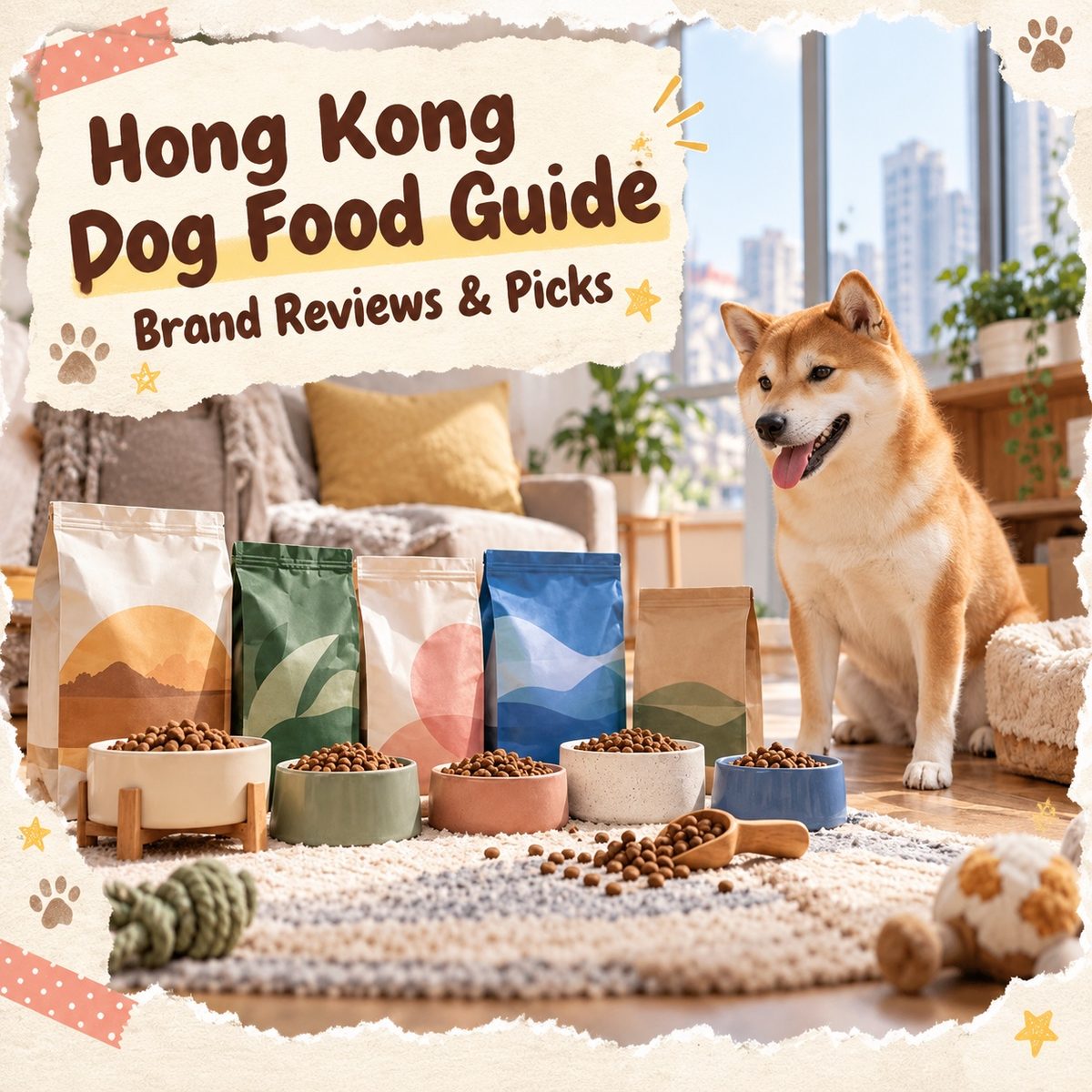
Quick answer: There is no universal best dog food, only the best for your dog: filter by protein ≥25% (puppies ≥28%), first five ingredients being named meats, and suitable age and breed size. Orijen/ZiwiPeak are top tier; Acana/Wellness Core/Taste of the Wild offer mid-price value. This article includes label reading, an age × budget quick-reference table and a switching method, so you can choose by budget and your dog's needs.
There is no one-size-fits-all best dog food, only the best for your dog. Choose food using three filters: protein content (adult ≥25%, puppy ≥28%), whether the first five ingredients are named meats, and whether it suits your dog's age and breed size. This article uses these criteria to review 8 popular dog food brands in Hong Kong in 2026, match them directly to your monthly budget, and includes label reading, switching procedures and feeding details.

How to choose puppy food? 3 hard criteria (2026 Hong Kong edition)
The direct answer for 'puppy food': puppies (especially 2–12 months old) should choose a formula with an AAFCO 'Growth' or 'All Life Stages' statement on the package. The three hard criteria are protein ≥28% (higher than adult food's 25%), a calcium-phosphorus ratio formulated to support bone development, and small enough kibble; feed 3–4 meals a day at 2–6 months, reducing to 2 meals after 6 months. Hong Kong puppy food reference price is about HK$150–300/kg; a 5 kg puppy costs about HK$250–500 per month in food (for reference only; refer to packaging and retailer's latest price).
- When to switch to adult food: small and medium breeds about 12 months, large breeds 18–24 months (longer bone development period); switch with a 7–10 day gradual mix.
- Do not feed the wrong way round: adult dogs fed puppy food long-term easily become overweight; puppies fed adult food lack nutrition and development is affected.
Why is choosing dog food so hard? 30-second overview table
Walk into any pet shop and there are over a hundred foods on the shelf, from HK$100 to HK$800. Choosing is hard not because there are many choices, but for four structural reasons:
| Difficulty | Reality | Approach |
|---|---|---|
| Huge price range | Same dog food, monthly cost HK$100–800, an 8-fold difference | Set a monthly budget first, then choose a brand |
| No uniform standard for advertising claims | 'Natural', 'premium', 'vet recommended' all have no regulatory definition | Only look at the back ingredient list and nutritional analysis |
| Too many formulas | The same brand has puppy, adult, senior, sensitive, weight-loss lines | Narrow down by age and breed size in two steps |
| Online reviews contradict each other | Same food, some say good, some say diarrhoea | Use your own dog's stool, weight and energy as the standard |
Remember the three fundamentals:
- The ingredient list is the truth – the front of the pack is advertising space; the back ingredient list is in descending order by weight and is the legal document.
- Expensive does not mean suitable – a low-activity indoor dog eating 38% protein high-calorie food will only become fat.
- Switching food is normal – you only know if it suits by trying; use a 7–10 day transition and don't buy a large bag at once.
Dog food price table (2026 Hong Kong market)
The common retail format in Hong Kong is 1–2 kg small bags, with a per-kg price 20–30% higher than large bags. The table below uses common small bags for conversion; actual prices follow the packaging:
| Brand type | Representative brands | Common size | Reference price | Per kg approx. |
|---|---|---|---|---|
| Premium | Orijen, ZiwiPeak | 2 kg | HK$600–1,000 | HK$300–500 |
| Mid-high | Acana, Wellness Core, Instinct | 2 kg | HK$450–600 | HK$225–300 |
| Mid-price | Royal Canin, Hill's, Taste of the Wild | 2–3 kg | HK$380–550 | HK$150–250 |
| Budget | Common supermarket brands | 3 kg | HK$200–350 | HK$70–120 |
Money-saving tip: For the same brand and formula, large bags (10–12 kg) usually cost 20–30% less per kg, but must be finished within 4–6 weeks after opening—a 10 kg bag is only suitable for households with medium-to-large dogs over 20 kg; small dog households buying large bags may end up feeding oxidised food at the bottom.
Monthly food cost by breed size:
| Dog weight | Monthly food intake (approx.) | Mid-price monthly cost | Premium monthly cost |
|---|---|---|---|
| 3 kg (Chihuahua size) | 1.5–2 kg | HK$120–250 | HK$250–450 |
| 10 kg (Bichon size) | 3–4 kg | HK$250–450 | HK$450–800 |
| 20 kg (Golden Retriever size) | 6–8 kg | HK$450–800 | HK$800–1,500 |
Dog food recommendations: which to choose by age and breed size
| Dog type | Protein requirement | Kibble and formula focus | Common mistake |
|---|---|---|---|
| Puppy (<1 year) | ≥28% | Small kibble, balanced calcium-phosphorus | Feeding adult food leads to inadequate development |
| Large breed puppy | ≥26% (controlled calcium-phosphorus) | Must choose 'large breed puppy food' | Feeding regular puppy food, growing too fast harms joints |
| Adult (1–7 years) | ≥25% | Adjust calories by activity level | Feeding puppy food to adults, getting fatter |
| Senior (>7 years) | Moderate high-quality protein | Easy to digest + glucosamine | Believing the myth that 'seniors need low protein' |
| Sensitive | Single protein source | Novel proteins like fish/duck | Frequent switching to test allergens |
The most common mistake is 'one food for life': puppies, adults and seniors have different calorie and nutrient ratios; switching lines within the same brand is enough, no need to change brands.
Dog food quick-reference table: age × budget
Combine age requirements with the budget table to get this at-a-glance quick-reference table (monthly cost based on a 10 kg dog, puppies based on 5 kg):
| Your situation | Protein baseline/level | Suggested brand range | Monthly food budget |
|---|---|---|---|
| Puppy (<1 year) | ≥28% | Mid-price puppy line (Royal Canin, Hill's puppy formulas) | HK$250–500 (5 kg puppy) |
| Large breed puppy | ≥26%, controlled calcium-phosphorus | Must choose 'large breed puppy food' | Similar to the brand range |
| Adult · budget | 25–31% | Mid-price dry food | HK$250–400 |
| Adult · standard | 31–34% | Mid-high dry food (Acana, Wellness Core, Taste of the Wild) + weekly wet food | HK$450–650 |
| Adult · premium | 33–38% | Premium dry food (Orijen, ZiwiPeak) + wet food + freeze-dried topper | HK$700–1,200 |
| Senior (>7 years) | Moderate high-quality protein | Easy to digest + glucosamine formula; add complete wet food if appetite is poor | Similar to original budget |
| Sensitive | Single protein source | Novel protein formulas like fish/duck | Similar to original budget |
| Multi-dog household | Based on the most sensitive dog | Feed separately, don't mix bowls | +HK$100–200 per month |
How to use: First lock in the protein baseline by age, then choose a brand range by budget, and finally check whether the first five ingredients are named meats. Switching from puppy to adult line within the same brand is enough; you don't necessarily need to change brands.
Dry vs wet food comparison table
| Item | Dry food | Wet food (complete) |
|---|---|---|
| Moisture | About 10% | Over 75% |
| Monthly cost (10 kg dog) | HK$250–800 | HK$500–1,600 |
| Storage | 4–6 weeks after opening | Refrigerate 2–3 days after opening |
| Palatability | Average | High, great for picky dogs |
| Dental help | Chewing provides slight abrasion | None, need separate brushing |
| Suitable scenarios | Daily staple, limited budget | Hydration, seniors, poor appetite |
Mixed feeding is mainstream in Hong Kong households: dry food as the staple to control costs, with 2–3 wet meals per week for hydration and palatability. Remember treats and wet food count towards daily calories; treats should not exceed 10% of total calories.
Four most common dog food buying misconceptions
| Misconception | Reality |
|---|---|
| Expensive food is always better than cheap food | Mid-price food with 31–34% protein is already qualified; the premium in expensive food is in meat source and brand, not basic nutrition |
| If a dog is picky, the food is bad | More often it's too many treats or irregular feeding times; regularise first before blaming the food |
| Grain-free food is always healthier | Only suitable for dogs diagnosed with grain sensitivity; the FDA has studied a possible link between grain-free food and dilated cardiomyopathy, but there is no conclusion yet |
| Freeze-dried toppers make you a good owner | Freeze-dried is a bonus, not a necessity; on a tight budget, mid-price dry food plus fresh chicken can achieve a similar effect |
Three budget plans: choose food by your wallet
The same dog can be healthy on all three budgets. The key is that the first five ingredients are named meats, not the number on the price tag:
| Item | Budget | Standard | Premium |
|---|---|---|---|
| Staple | Mid-price dry food | Mid-high dry food + weekly wet food | Premium dry food + wet food + freeze-dried topper |
| Monthly cost (10 kg dog) | HK$250–400 | HK$450–650 | HK$700–1,200 |
| Protein level | 25–31% | 31–34% | 33–38% |
| Suitable for | Tight budget, no special sensitivities | Most households | Ample budget, highly active dogs |
All three routes can be healthy: expensive food buys meat source quality and research, not 'qualified' itself. When budget is limited, save the difference for annual check-ups and vaccines, which gives a higher return for your dog's health.
Dog food recommendation scenario quick guide: how to choose in five common situations
| Situation | Suggested direction | Budget impact |
|---|---|---|
| Senior dog with poor appetite | Complete wet food/wet food to improve palatability; warm slightly for more aroma | +HK$200–400 per month |
| Long-term soft stools | Single protein source food + 7–10 day slow transition | Similar to original budget |
| Overweight dog | Weight-loss formula or reduce portion by 10%, not random switching | May save money |
| New puppy at home | Keep the breeder's original food for 2 weeks, then switch slowly | Similar to original budget |
| Multi-dog household | Choose food based on the most sensitive dog, feed separately | +HK$100–200 per month |
The scenario guide is only a starting point: for any 'no improvement after switching' situation—persistent soft stools, vomiting, rapid weight loss—the first step is to see a veterinarian to rule out illness, not to switch to another food.
Remember three feeding numbers:
- Treat limit: 10% of daily total calories; exceeding this crowds out meal nutrition.
- Opening deadline: finish dry food within 4–6 weeks; store in a sealed container in a cool place—the fridge is not a home for dry food.
- Switching pace: increase over 7–10 days; if stools are soft, stay at the current stage for two more days before progressing.
Three hydration tips for dry food households
Dogs eating dry food rely entirely on drinking water; pay special attention in Hong Kong summers:
- Flowing water fountain: many dogs are more interested in flowing water and can increase water intake by 20–30%.
- Wet food topper: 2–3 wet meals per week for hydration and palatability.
- Add warm water to dry food: add a little warm water five minutes before the meal; it releases aroma and adds hydration.
- Extra water bowl: place one in different rooms so your dog drinks when passing by; zero cost but effective.
Water intake is the most easily overlooked part for dry food households: a 10 kg dog needs about 500–700 ml of water per day, more in summer and after exercise. Wash the bowl daily and change fresh water daily; place it away from the food bowl and toilet area so your dog naturally drinks more.
A simple way to judge hydration: lift the skin at the back of the neck; it should spring back immediately when released. If it returns slowly or the gums are dry and sticky, that's a dehydration signal—add wet food and check the water bowl placement.
What types of dog food are there?
Understand the main categories first so you don't get lost in the aisle:
- Dry food (Kibble): most common. Advantages: cheap, easy to store, chewing helps clean teeth; disadvantages: low moisture (about 10%), relatively high carbs.
- Wet food/canned: over 75% moisture, good palatability, low carbs; disadvantages: expensive, must refrigerate after opening.
- Freeze-dried food: low-temperature processing preserves nutrients, high meat content; disadvantages: most expensive, needs water to rehydrate.
- Prescription food: for specific health problems such as kidney, joint, weight loss, sensitivity; must be used under veterinary instruction, do not feed long-term on your own.
The four types are not mutually exclusive; many households use a combination of 'dry food as staple + wet food and freeze-dried as supplements': dry food for cost and convenience, wet food for hydration and palatability, freeze-dried as a topper for extra flavour.
Review of 8 popular brands
The following data are approximate values for each brand's main formula; actual values follow the packaging:
| Brand | Protein | Price/month | Reputation reference | Origin | Suitable for |
|---|---|---|---|---|---|
| Orijen | 38% | $400-600 | 4.8 | Canada | Quality seekers |
| Acana | 31% | $300-450 | 4.6 | Canada | Value for money |
| Royal Canin | 26-30% | $250-400 | 4.4 | France | Specific formulas |
| Hill's | 25-29% | $250-400 | 4.3 | USA | Prescription food |
| Wellness Core | 34% | $300-450 | 4.5 | USA | Grain-free |
| Instinct | 33% | $350-500 | 4.4 | USA | High meat content |
| Taste of the Wild | 32% | $280-400 | 4.3 | USA | Natural ingredients |
| ZiwiPeak | 38% | $500-800 | 4.7 | New Zealand | Premium quality |
Key points for each:
- Orijen: Canadian premium line, high meat content, 38% protein, first choice for quality seekers with ample budget. High calories; low-activity dogs need portion control.
- Acana: Sister brand of Orijen, 31% protein, more affordable; the best example that high quality and high price are not necessarily linked.
- Royal Canin: Most comprehensive breed- and age-specific formulas; a solid choice for targeted needs such as large breeds and short-muzzled dogs.
- Hill's: Known for prescription food, common in veterinary channels; priority for dogs with health conditions.
- Wellness Core: Grain-free high protein (34%), an outstanding performer in the mid-price range.
- Instinct: Offers raw, freeze-dried and grain-free lines, high meat content approach.
- Taste of the Wild: Grain-free formulas inspired by wild ingredients, 32% protein, budget-friendly.
- ZiwiPeak: New Zealand natural pasture-raised meat sources, 38% protein, also premium price.
From the table: Wellness Core (34%) and Taste of the Wild (32%) already offer excellent protein levels in the mid-price range; when budget is limited, focus on these instead of blindly chasing expensive brands.

How to choose the right food for your dog?
Four screening dimensions:
- Age—puppies (<1 year) eat puppy food with protein ≥28%; adults (1-7 years) eat adult food ≥25%; seniors (>7 years) choose easy-to-digest, joint-support formulas.
- Breed size—small breeds need small kibble and high calorie density; large breeds choose large kibble with chondroitin and glucosamine; large breed puppies must choose large breed puppy food with controlled calcium-phosphorus, as growing too fast can lay the root of joint disease.
- Activity level—high activity (daily hiking, running) choose high protein and fat; low-activity indoor dogs choose lower-calorie options to avoid obesity.
- Health condition—sensitive stomach choose single protein source; skin sensitivity try fish formulas (Omega-3); joint problems check glucosamine and chondroitin content.
Reminder: Prescription food (kidney, weight loss, etc.) should be purchased after consulting a veterinarian; do not feed long-term on your own.
How to read labels so you won't be fooled by advertising claims?
In the pet supermarket, 90% of what's on the front of the pack can be ignored; look at the back:
| What you see | How to interpret |
|---|---|
| Ingredient list order | Descending by weight; the first is the main character |
| 'Contains chicken' | May be very little; check the position |
| 'Meat by-products' | Source unclear, quality hard to judge |
| 'Complete and balanced' | Indicates it can be the sole food |
| 'Treat/topper' | Not enough as a staple; count towards 10% calories |
| 'Grain-free' | Not equal to low-calorie or better; look at the whole formula |
Also pay attention to metabolisable energy (kcal/kg) rather than just weight: for the same price, a high-calorie-density food means smaller portions each meal, so the actual monthly consumption may not be more expensive.
What to note when switching food and feeding?
Use a 7-10 day transition: increase the new food proportion day by day (about one quarter on days 1-3, half on days 4-6, three quarters after day 7), monitor stool condition, and slow down if stools are soft. Start with the package recommendation for daily portion and adjust by weight and activity; treat calories must not exceed 10% of daily total calories, otherwise meal nutrition will be unbalanced. Dry food should be finished within 4-6 weeks after opening, stored in a cool, dry place to avoid fat oxidation; the fridge is not a home for dry food—a sealed container and dry environment are enough.
Feeding habits: fixed time, fixed place, two meals a day makes it easier to observe appetite changes than free feeding; remove any portion not finished within 15-20 minutes, wash bowls after every meal, and ensure clean, sufficient drinking water—especially for dogs on dry food, water intake depends entirely on drinking.
Five common dog food myths
Myth 1: 'Shinier coat means better food'—Coat shine is also related to breed, genetics and parasite control; judging food solely by coat is unreliable. Look at stool, weight and energy together.
Myth 2: 'Human leftovers are fine for dogs'—Human meals are generally high in oil and salt and may contain onion, garlic and seasoning; long-term feeding increases the risk of pancreatitis and obesity; bones (especially cooked bones) can cut the intestines.
Myth 3: 'Grains are toxins'—Grains provide carbs and fibre, not poison; the problem is only when 'large amounts of cheap fillers crowd out meat'. Moderate oats and brown rice are not inherently bad for non-sensitive dogs.
Myth 4: 'The more expensive the food, the healthier the dog'—Expensive food may lose to mid-price food on the 'suitability for your dog' test: a low-activity indoor dog eating 38% protein high-calorie food will only become fat.
Myth 5: 'Switching food is healthier; try rotating protein sources'—Unnecessary frequent switching burdens the stomach. If the current food suits (stool, weight, coat, energy all normal), no need to switch.
When to see a veterinarian immediately?
- Fasting for more than a day, or persistent vomiting, soft stools
- Sudden aversion to a previously favourite food
- Blood in stool or lethargy after switching food
- Significant weight loss or gain in a short period
- Suspected ingestion of high-risk foods such as chocolate, onion, grapes, xylitol
In these cases, consult a registered veterinarian to rule out illness; don't just try another food.
Related product recommendations
The following are products related to this article, available at PetChill:
- Hills Dog Food Puppy Original Bites 27.5lb (607792) (Hill's) — available at PetChill
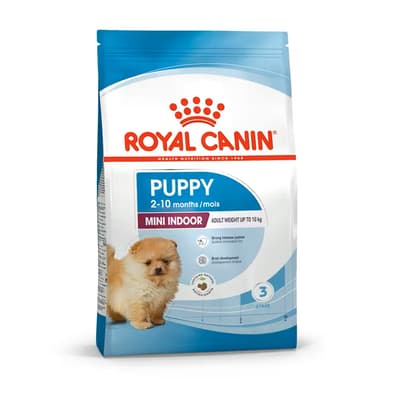
- Royal Canin Dog Food PUPPY Indoor Small Breed Puppy Nutrition 50g (2433000511) (Gift) (Not for sale) (Royal Canin) — available at PetChill
Want more: Hill's Brand Guide
Product prices and latest offers are subject to the product page; this article is for reference only.
Key summary
- Orijen and ZiwiPeak have the top nutrition, suitable for owners with ample budget
- Acana, Wellness Core and Taste of the Wild are the mid-price value choices
- Puppies need ≥28% protein; seniors need easy digestion plus joint support
- Check the first five ingredients and the 'complete and balanced' statement; don't just read advertising claims
- Avoid formulas with large amounts of corn and wheat fillers in the first five
- Grain-free food is not necessarily suitable for all dogs; consult a veterinarian before making it a long-term staple
What you can do starting today
- Check the first five ingredients of your dog's food at home to confirm they are named meats.
- Compare your dog's age and breed size against the four screening dimensions above.
- Work backwards from your monthly food budget to a suitable brand range; don't blindly chase expensive brands.
- If you plan to switch food, schedule a 7-10 day transition and calculate the 10% treat limit.
- Weigh your dog once and record it as a baseline, then follow up monthly.
Want to compare ingredients and real test performance item by item? PetChill's dog food reviews and product guides save you time. This article is for reference only; consult a registered veterinarian for any concerns.
Related articles
- Which dog food is best? | Hong Kong five-step selection, label reading, switching guide →
- Grain-free dog food guide | Hong Kong owners analyse pros and cons and buying tips →
- Freeze-dried dog food guide | Hong Kong freeze-dried dog food nutrition, pros and cons, feeding methods →
 Wellness Core full guide →
 Royal Canin full guide →
 Orijen full guide →