
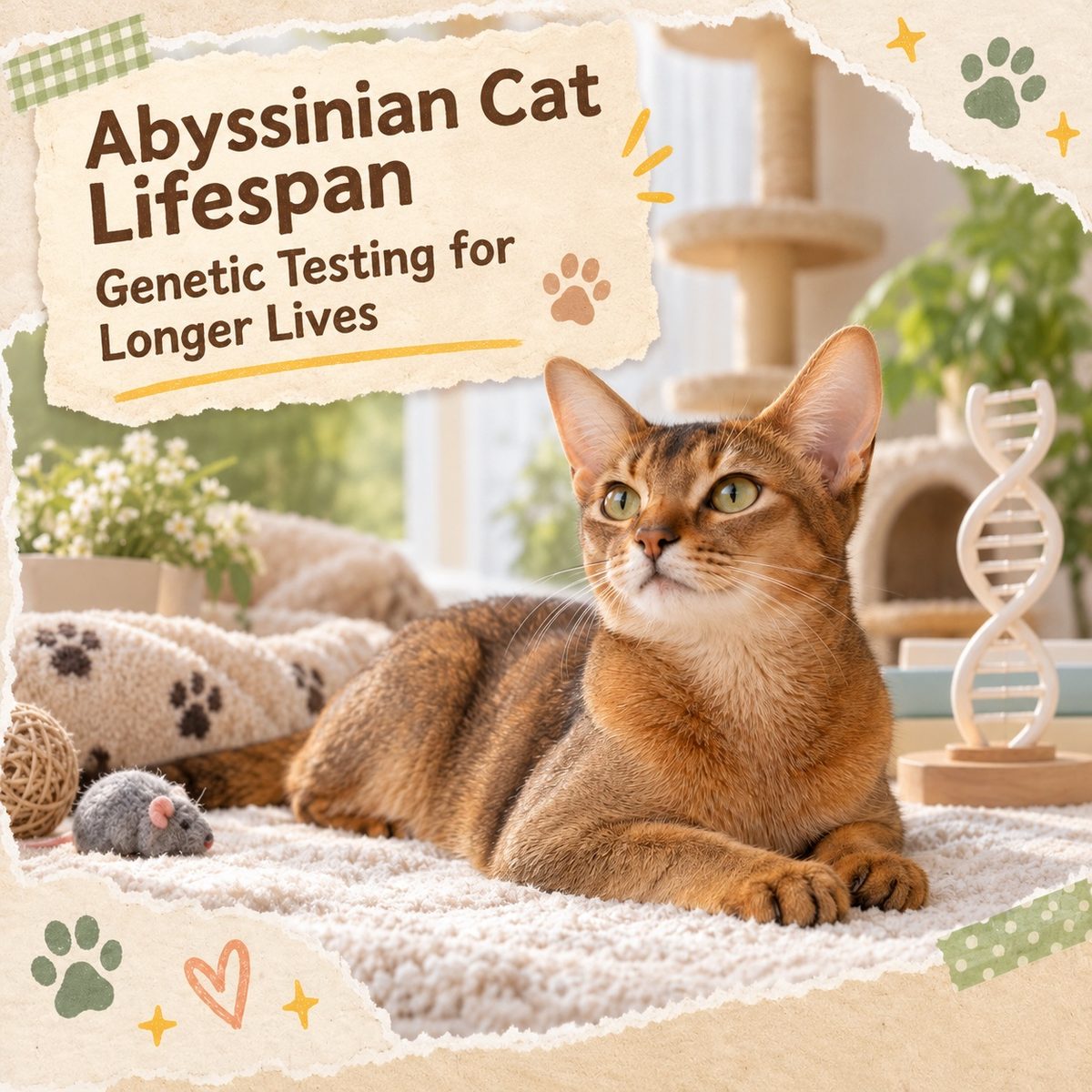
Quick answer: Abyssinian cats typically live 12–15 years, among the longer-lived and robust breeds. Three breed-specific defences affect their lifespan: PK deficiency inherited haemolytic anaemia (ask for parental genetic test records before getting a cat), kidney risk (annual blood and urine tests from age 8), and dental issues (daily brushing plus annual checks). Guard these three lines and the potential to extend life is greater than for the average cat.
Want to know the Abyssinian inside out? Start with the Abyssinian breed profile.
1. Lifespan range: the baseline of a robust breed
TICA and CFA breed introductions both give 12–15 years for the Abyssinian, which is normal to above average for a medium-sized shorthair. How to interpret this: the breed is generally robust—muscular build, no flat airway problems, no cartilage dysplasia—so the baseline is better than many popular breeds. What really separates individuals is not "breed destiny" but management quality: cats from bloodlines with parental genetic screening, with consistent weight and dental management, and with timely blood tests often exceed fifteen years. Conversely, an individual with no screening that develops PK haemolysis or late-detected kidney disease will have both lifespan and quality greatly reduced.
| Life stage | Age | Health management focus |
|---|---|---|
| Kitten | 0–1 year | Vaccination and neutering, watch gums and energy (anaemia warning signs), establish brushing routine |
| Young adult | 1–7 years | Weight monitoring, daily brushing, annual check-up, dental assessment from age 3 |
| Middle-aged to senior | 8–11 years | Annual blood tests (kidney values) plus urinalysis, cardiac auscultation |
| Senior | 12+ years | Full check every six months, more frequent kidney monitoring, transition to senior diet |
2. The number one breed defence: PK deficiency haemolytic anaemia
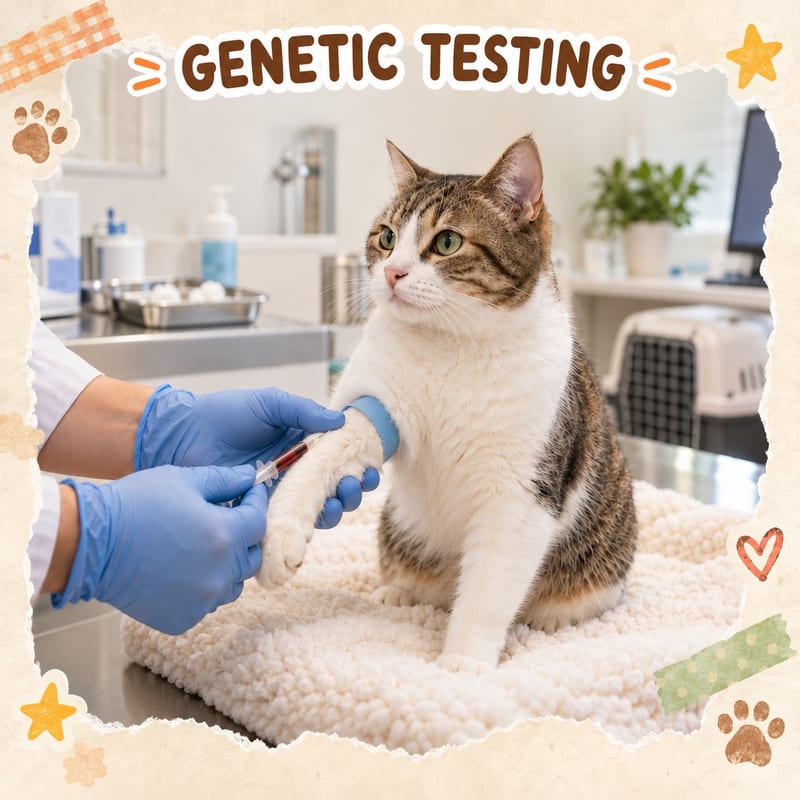
Pyruvate kinase deficiency (PKdef) means red blood cells cannot get enough energy, leading to chronic haemolysis—red cells constantly break down and the bone marrow constantly compensates, resulting in anaemia and increased spleen burden over time; severe individuals may need blood transfusions. The inheritance is autosomal recessive: two copies of the mutation are needed to cause disease; one copy means lifelong health but can pass it to offspring; both parents must carry at least one copy for offspring to be affected. This breed is one of the earliest documented with PKdef, and blood genetic testing is now widely available. Three practical steps: ask for both parents' PK test records before getting a cat (both normal is safest); if records are missing, test the cat yourself (cost is generally a few hundred dollars); for confirmed or carrier cats, avoid oxidative drugs and onion toxicity for life, and have regular blood counts. Well-managed mild individuals can have near-normal quality of life and lifespan.
3. The second defence: kidneys and urinary system
The Abyssinian has breed reports of renal amyloidosis (abnormal protein deposits in kidney tissue, eventually affecting function), seen in some bloodlines and typically in middle to old age; in addition, chronic kidney disease is one of the top causes of death in all cats in old age, and this breed is no exception. Both lines have the same strategy: annual blood and urine tests from age 8—kidney values using SDMA plus creatinine, urinalysis for concentrating ability; also watch for warning signs at home: sudden increase in drinking, larger litter clumps, decreased appetite, weight loss—if any appear, book a vet immediately rather than waiting for the annual check. Early detection of chronic kidney disease leaves much room for management (prescription diet plus hydration); late detection leaves only slowing deterioration. Start adequate hydration early: flowing water fountains, higher wet food proportion—especially important for this high-activity breed.
4. The third defence: dental and weight
A small lower jaw and crowded teeth make gingivitis appear earlier than average in the Abyssinian, and FORL (feline odontoclastic resorptive lesions) is reported at a higher rate in this breed—warning signs are drooling, odd eating posture, sudden reluctance to eat hard food; most require general anaesthesia and extraction, costing several thousand dollars per session. Strategy from a young age: daily brushing (pet enzymatic toothpaste) plus annual oral examination, and scaling as needed after age 3. On weight, this muscular breed with a big appetite can easily become overweight with free feeding; excess weight directly strains the heart and joints, so timed feeding plus body condition scoring (ribs palpable but not visible) is standard. Both are long-term investments that pay off by saving tens of thousands in medical bills later.
5. Longevity checklist: achievable step by step
- Screen the bloodline at source: parental PK records + cardiac ultrasound records; ask clearly before getting a cat
- Daily brushing: dental is a long-term major expense for this breed; prevention is ten times cheaper than treatment
- Adequate water: flowing fountain plus wet food; protect kidneys from a young age
- Weight control: timed feeding, measure before bed, monthly body condition check
- Indoor-only: avoid traffic accidents, infections and mishaps—this breed is too curious; going outside means losing control
- Neutering: reduces reproductive system diseases and behavioural stress
- Annual health check: upgrade to every six months after age 8, early detection of kidney values and thyroid
- Watch for anaemia warning signs: pale gums, low energy, dark urine—see a vet immediately, don't wait
6. Hong Kong environment variables affecting lifespan
Keeping an Abyssinian in Hong Kong involves both climate and veterinary care. Hot humid weather is not a big problem for a shorthair, but the fungal peak in the humid season and air-conditioning temperature swings are worth noting (see the care article); the real local variable is heatstroke risk—this breed has top-level activity, and running around by uninsulated windows at noon puts extra load on the heart and temperature regulation, so schedule play for morning and evening. On veterinary care, local vets are experienced with PKdef testing and kidney disease management; some clinics offer SDMA early kidney testing. From an insurance angle, the Abyssinian is an insurable breed, but check the genetic disease waiting period and pre-existing condition clauses before cover—insuring from a young age to avoid screening results affecting the policy is actuarial-level advice.
7. Adjusting care for the senior Abyssinian
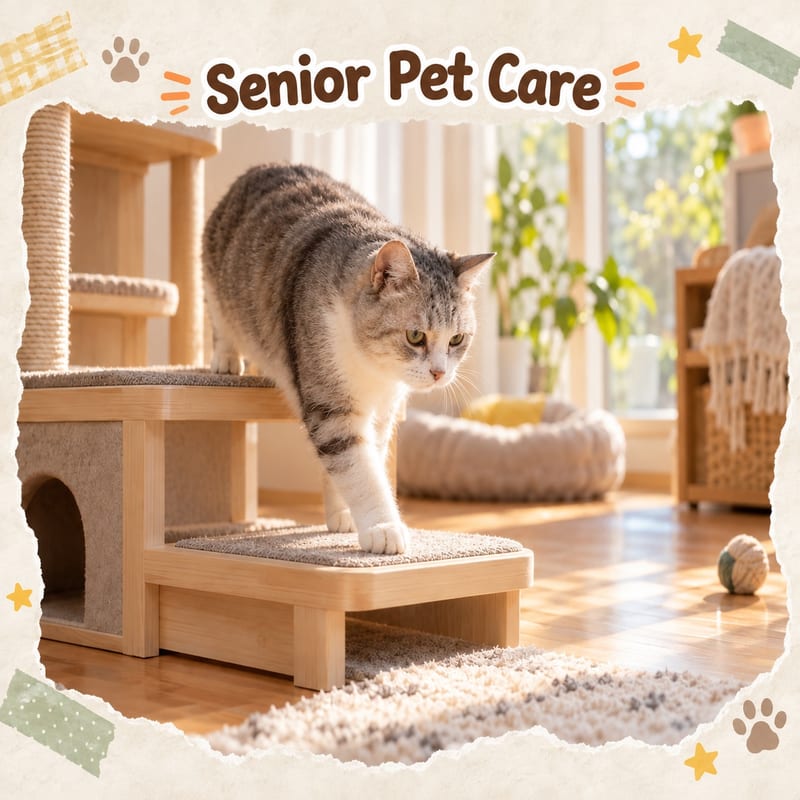
After age 12, two senior features of this breed are worth knowing: first, activity often remains better than average—do not remove the cat tree routes just because they are "old"; instead add non-slip mats and intermediate stepping spots to preserve their vertical world; second, kidney and dental lines need more frequent monitoring—blood and urine tests plus oral examination every six months. Transition to an easily digestible senior formula while maintaining high protein (muscle loss is the enemy). Behavioural warning signs: suddenly unwilling to jump to usual heights (joint pain), drinking surges (kidneys), bad breath plus drooling (dental)—these are not "normal ageing" and all can be managed.
Key summary
- ✅ 12–15 years is in the long-lived category; individual differences are determined by screening and management
- ✅ PK deficiency is a breed self-test: ask for parental records before getting a cat; test if no records
- ✅ Kidney line: annual blood and urine tests from age 8; adequate water from a young age
- ✅ Dental is a long-term major expense: brushing from a young age; savings should start before disease
- ✅ Weight management is doubly important for a muscular breed—timed feeding is not about saving money but extending life
- ✅ Senior care should upgrade monitoring and preserve routes: their vertical world is quality of life
Related reading
- Full list of Abyssinian disadvantages
- Abyssinian personality revealed
- Abyssinian coat colour guide
- Abyssinian Hong Kong care guide
- Flowing water fountains, pet toothpaste and toothbrushes, senior cat food: get them all at PetChill pet supplies.
The medical content in this article is general information; breed disease statistics are for reference only. For anaemia or kidney-related symptoms, consult a registered veterinarian; genetic screening beats everything.



