

Quick answer: For cat breeds in Hong Kong, beginners should safely choose British Shorthair, Ragdoll or American Shorthair; avoid Bengal for small flats; if budget is limited, adopt a domestic cat for the healthiest and best-value option. Use three questions—space, time and budget—to narrow down your ideal breed in three minutes.
Choosing a cat isn't about looks—it's about matching your lifestyle. In Hong Kong, the best breeds for beginners are the British Shorthair, Ragdoll and American Shorthair; avoid the Bengal for small flats; if budget is tight, consider adopting a domestic cat—the healthiest and most affordable option. This guide compares 12 popular breeds by personality, price and care difficulty to help you narrow down your choice in three minutes.
Why research cat breeds before getting a cat?
Every cat breed has a different personality, activity level and health risk. Choosing the wrong breed is a two-way cost: the owner struggles and the cat is bored. Before choosing, ask yourself three questions:
- How big is your home? Breeds suited to small flats and large homes are very different.
- How much time do you have daily? Siamese and Bengal need lots of interaction; British Shorthair can sleep all day on their own.
- What's your budget? Not just the purchase price, but also medical costs—large cats and flat-faced cats have noticeably higher expenses.
12 Popular Cat Breeds in Hong Kong at a Glance
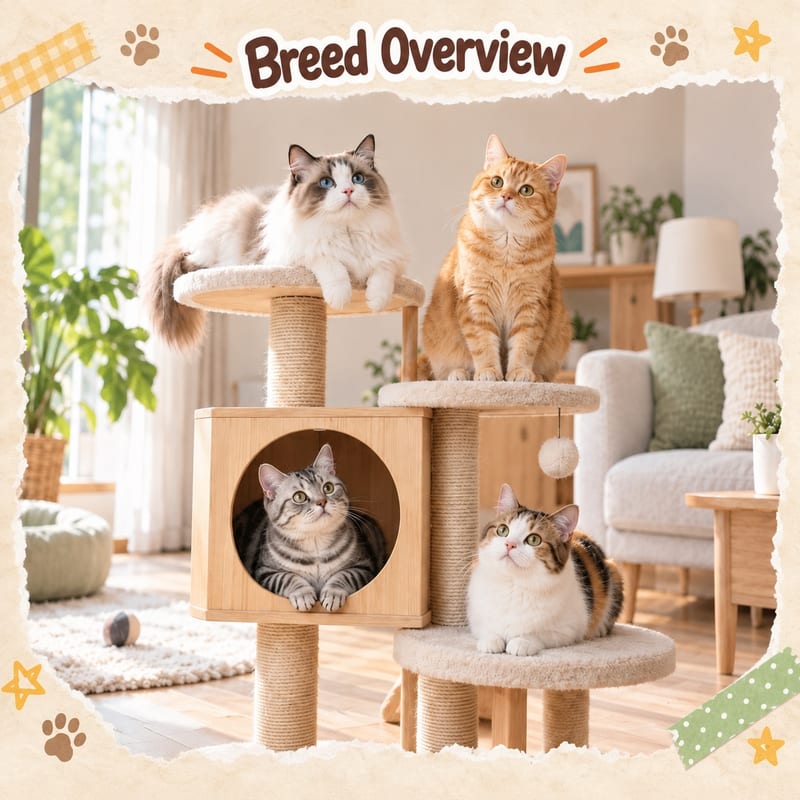
1. Maine Coon
The gentle giant, North America's oldest natural breed. Friendly to children and other pets, intelligent and trainable; but needs large space (500 sq ft or more recommended), eats a lot, and has high medical costs. Price $15,000–40,000, difficulty ⭐⭐⭐. Full Maine Coon guide →
2. Siamese
The talker of the cat world, loves to vocalise, extremely clingy, smart and lively. Downsides: too noisy, needs lots of attention, prone to anxiety. Suits people who work from home and want a "cat that talks back". Price $8,000–20,000, difficulty ⭐⭐. Full Siamese guide →
3. Ragdoll
The fairy of cats, goes limp like a ragdoll when held. Extremely gentle, quiet, suited to indoor life; but needs frequent grooming and has a risk of genetic heart disease (HCM). One of the top choices for beginners. Price $12,000–30,000, difficulty ⭐⭐. Full Ragdoll guide →
4. British Shorthair
Round head and face, quiet and independent, perfect for office workers. Easy to care for and healthy, but naturally prone to obesity so portion control is needed. Price $10,000–25,000, difficulty ⭐.
British Shorthair colours are not just blue; silver shaded, golden shaded and blue-and-white are also purebred. See British Shorthair colour differences. Full British Shorthair guide →
5. American Shorthair
America's "national cat", friendly, adaptable, healthy and robust, suits all kinds of families. Price $8,000–18,000, difficulty ⭐.
For how to care for an American Shorthair in Hong Kong's humid weather and small flats, see American Shorthair care guide.
6. Exotic Shorthair
Shorthaired version of the Persian: gentle, quiet, lazy, doesn't need much exercise. But the flat face makes them prone to respiratory problems and requires regular facial cleaning. Price $10,000–22,000, difficulty ⭐⭐.
7. Russian Blue
Silver-grey coat and green eyes, shy with strangers but extremely loyal to their owner. Quiet, healthy, few genetic diseases, but needs time to adjust to new environments. Price $10,000–20,000, difficulty ⭐⭐.
For the loyalty and high intelligence behind the shy exterior, see the Russian Blue personality analysis. Full Russian Blue guide →
8. Bengal
Leopard-print wild look, extremely high activity level, and loves playing with water. Beautiful and smart, but needs large space and lots of playtime; without enough play they can wreck the house. Price $15,000–35,000, difficulty ⭐⭐⭐⭐. Full Bengal guide →
9. Persian
The aristocrat of cats: long hair, round face, quiet and elegant. Needs daily grooming and regular professional grooming, prone to respiratory and eye problems. Price $10,000–25,000, difficulty ⭐⭐⭐.
The Chinchilla, a Persian-type, has a less flat face but similar grooming needs; see the Chinchilla introduction. For differences in temperament between Persian and Chinchilla, refer to the Persian personality breakdown. Full Persian guide →
10. Munchkin
Short-legged cat, lively, friendly and cute. But short legs come from a dwarfism gene, prone to spine and joint problems, not suitable for jumping high, and ethical controversies should be understood. Price $12,000–28,000, difficulty ⭐⭐.
Before getting one, see Munchkin personality to understand how clingy they are and their activity limitations. Full Munchkin guide →
11. Scottish Fold
The folded ears are due to a genetic mutation that also causes skeletal problems (osteochondrodysplasia). Cute, gentle, affectionate, but needs regular check-ups. Think twice before buying. Price $12,000–30,000, difficulty ⭐⭐⭐.
For a complete look at Scottish Fold genetic risks, care tips and Hong Kong prices, see the Scottish Fold breed profile.
12. Domestic Cat (Hong Kong local cat)
Mixed-breed domestic cat, genetically diverse, usually the healthiest and most adaptable. Personality varies by cat, cheapest and easiest to find—SPCA and adoption groups have plenty. Adoption about $1,000–5,000, difficulty ⭐. Full domestic cat guide →
Comparison table of 12 breeds
| Breed | Price | Affection | Activity | Difficulty | Beginner |
|---|---|---|---|---|---|
| Maine Coon | $15–40k | ⭐⭐⭐⭐ | ⭐⭐⭐ | ⭐⭐⭐ | ❌ |
| Siamese | $8–20k | ⭐⭐⭐⭐⭐ | ⭐⭐⭐⭐ | ⭐⭐ | ❌ |
| Ragdoll | $12–30k | ⭐⭐⭐⭐⭐ | ⭐⭐ | ⭐⭐ | ✅ |
| British Shorthair | $10–25k | ⭐⭐⭐ | ⭐⭐ | ⭐ | ✅ |
| American Shorthair | $8–18k | ⭐⭐⭐ | ⭐⭐⭐ | ⭐ | ✅ |
| Exotic Shorthair | $10–22k | ⭐⭐⭐ | ⭐ | ⭐⭐ | ✅ |
| Russian Blue | $10–20k | ⭐⭐⭐ | ⭐⭐ | ⭐⭐ | ❌ |
| Bengal | $15–35k | ⭐⭐⭐ | ⭐⭐⭐⭐⭐ | ⭐⭐⭐⭐ | ❌ |
| Persian | $10–25k | ⭐⭐⭐ | ⭐ | ⭐⭐⭐ | ❌ |
| Munchkin | $12–28k | ⭐⭐⭐⭐ | ⭐⭐⭐ | ⭐⭐ | ❌ |
| Scottish Fold | $12–30k | ⭐⭐⭐⭐ | ⭐⭐ | ⭐⭐⭐ | ❌ |
| Domestic Cat | $1–5k | Varies | Varies | ⭐ | ✅ |
Prices in the table are purchase ranges only; if you're worried about the size and appetite of large cats, check the Maine Coon size and weight chart data first.
How to choose the right breed for you?
Consider living space
- Small flat (<300 sq ft): British Shorthair, Exotic Shorthair, Russian Blue
- Medium flat (300–600 sq ft): Ragdoll, American Shorthair, Siamese
- Large flat (>600 sq ft): Maine Coon, Bengal
Consider lifestyle
- Busy office worker: British Shorthair, Exotic Shorthair (independent)
- Work from home: Siamese, Ragdoll (need attention)
- Family with children: Maine Coon, Ragdoll (gentle)
Consider budget
- Low budget (<$10k): Domestic cat, adoption
- Medium budget ($10–20k): British Shorthair, American Shorthair, Siamese
- High budget (>$20k): Maine Coon, Ragdoll, Bengal
What are the monthly costs of keeping a cat?
Buying a cat is just the entry fee; long-term costs are the main thing: quality cat food, cat litter, regular vaccinations and deworming, annual health checks. Large cats and long-haired cats have higher food and medical costs. If budget is tight, adopting a domestic cat plus controlling supply costs is the most practical combination; for purebred cats, remember to set aside a medical reserve for genetic diseases.
For example, for British Shorthair, see the British Shorthair price and adoption guide for actual purchase prices and adoption opportunities.
Adopt or buy?
- Adopt: SPCA, cat volunteer groups and stray cat organisations have many domestic cats and some purebreds. Low cost, saves a furry life; the only thing to accept is that personality is only known after living together.
- Buy: Always choose a registered breeder and ask to see parental health certificates (PKD, HCM screening, etc.); refuse cheap cats of unknown origin and don't support unscrupulous breeders.
- Both: Window screens, vaccinations, consider neutering. Before getting a cat, ask yourself: can you handle over ten years of stable time and budget?
If you've set your sights on a high-energy breed like the Abyssinian, see Abyssinian price and adoption first.
What you can do starting today
- Use the three questions above (space/time/budget) to eliminate half the breeds.
- Pick 2–3 favourites and read the full guide for each.
- Go a step further and visit SPCA or adoption groups to meet available cats.
- Before deciding, calculate the total of "buying a cat + first-year expenses".
To learn how to choose cat food and cat litter after getting a cat, continue reading PetChill's supply guides and cat food review series.
This article is for reference only; consult a registered veterinarian for any concerns.
Further reading
Practical checklist for keeping a cat in a small Hong Kong flat: How to live comfortably under 300 sq ft?
Living in a flat under 300 sq ft doesn't mean giving up the dream of having a cat. By maximising vertical space and managing odours, British Shorthair, Exotic Shorthair and Russian Blue can all live comfortably.
1. Maximise vertical space
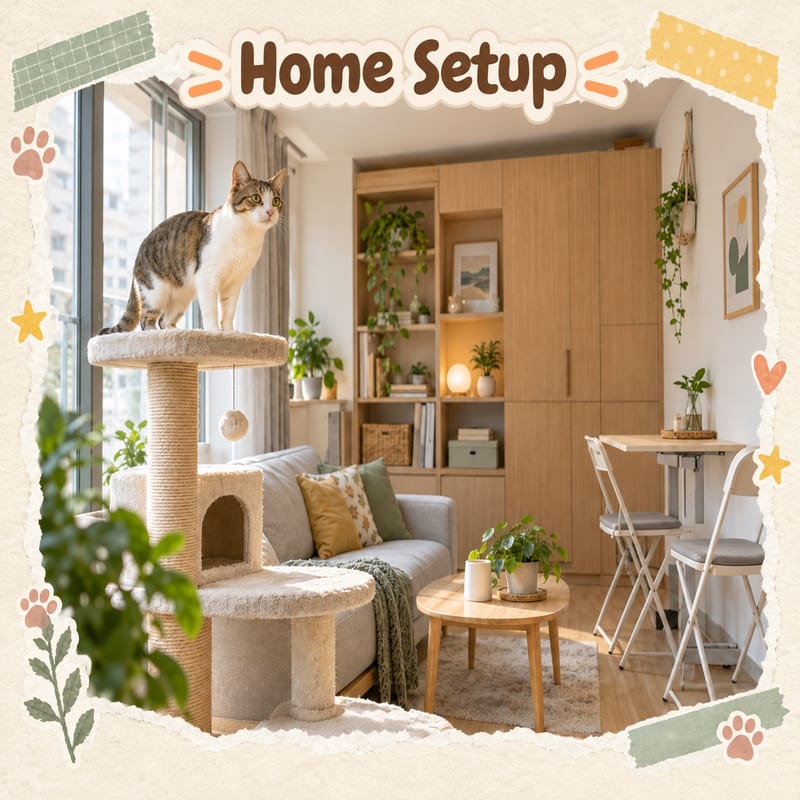
- Cat tree by the window: Choose a floor-to-ceiling model within 40 cm width, place it by the window so the cat can sunbathe and watch the street, reducing stress.
- Shelf walkways: Install 3–4 shelves along the wall, staggered 30 cm in height, so the cat can patrol without blocking your path.
- Under-bed storage boxes: Use vacuum bags for seasonal clothing to free up under-bed space as a cat hideout.
2. Odour management
- Covered litter box + activated carbon pads: Place near the bathroom exhaust fan, scoop the litter twice daily, take out the rubbish every other day, don't let it accumulate.
- Air purifier: Choose a small unit with CADR 200 or above, place in a corner of the living room, leave on auto mode.
- Wash cat beds regularly: Machine wash every two weeks with pet-safe laundry detergent to reduce lingering cat odour.
3. Noise control
- Soft pads on furniture legs: Reduce the risk of complaints from downstairs when the cat runs and jumps.
- Store noisy toys at night: Put away bell toys before bed, switch to silent teaser wands to avoid midnight concerts.
4. Budget allocation
- Vertical furniture and installation about $2,000–3,000, a one-time investment.
- Monthly consumables: quality cat food $300, cat litter $150, deworming and vaccines average $200, total around $650 to keep your cat well.
Remember, in a small space you need to give your cat more companionship; at least 15 minutes of interaction daily so they don't get bored.
📌 Key takeaways
- ✅ British Shorthair, Ragdoll and American Shorthair are best for beginners, with stable personalities and easy care
- ✅ Avoid Bengal and Maine Coon for small flats; insufficient space can cause problems
- ✅ Adopting a domestic cat is healthiest and cheapest, costing $1–5k
- ❌ Scottish Folds are generally not recommended by the veterinary community due to the risk of cartilage disease
- ❌ Not calculating follow-up medical costs before buying a cat can blow your budget
 Fuji One full guide →





