
📌 Key Summary
- ✅ Small dogs under 5 kg, short-haired dogs, puppies, and senior dogs over 7 years old are most sensitive to cold
- ✅ Double-coated thick-haired dogs like Samoyeds and Huskies do not need clothes; wearing clothes actually makes their skin less breathable
- ✅ Electric blankets must be supervised; staying close to a heat source can cause low-temperature burns
- ✅ Winter bath water temperature should be 37°C, choose morning or noon and dry immediately
- ✅ Maintain indoor temperature at 18-22°C, avoid direct blowing from heaters, and open windows occasionally for ventilation
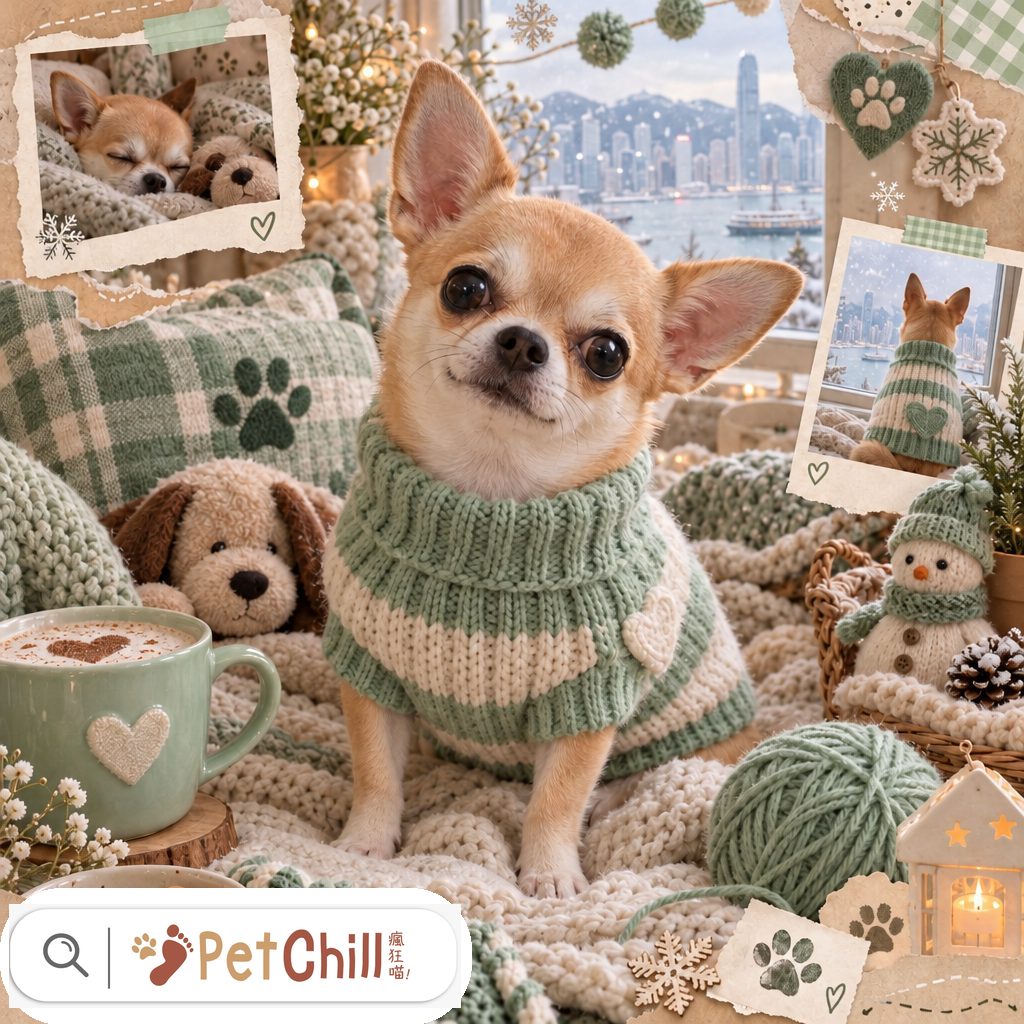
As Hong Kong's weather turns cooler, many owners ask: do dogs really feel the cold? Actually, a dog's cold tolerance depends greatly on body size, coat thickness, and age. "The Complete Guide to First-Time Dog Ownership" clearly states: "Small dogs and puppies have poor cold tolerance and are prone to respiratory diseases; colds are the root of all illnesses." In other words, winter can really affect the health of certain types of dogs—it's not just about "looking pitiful." Today we'll break down which 5 types of dogs are especially sensitive to cold, how to choose warm clothing, and 3 hidden hazards of home heating, so you can learn to get through winter safely.
Why is winter risky for dogs?
Dogs face three main types of risks in winter:
- Respiratory diseases: Small dogs and puppies have poor cold tolerance and easily catch colds after being chilled, which can lead to bronchitis and pneumonia. "The Illustrated Encyclopedia of Dog Breeds" also warns that Chihuahuas "have a high probability of developing pneumonia and rheumatoid arthritis after catching a cold."
- Joint problems: Low temperatures make joints stiff, and senior dogs and those with joint degeneration will noticeably be reluctant to walk and slow to get up.
- Skin and coat problems: Winter air is dry and baths are less frequent, making skin prone to dryness and itching, and body odor can accumulate.
Which 5 types of dogs are especially sensitive to cold?
-
Small dogs weighing under 5 kg: Chihuahuas, Pomeranians, Maltese, etc., have relatively large body surface area and lose heat quickly.
-
Short-haired or hairless breeds: Italian Greyhounds, Chinese Crested, French Bulldogs—their coats are thin. The book notes that Greyhounds "need to wear warm coats in cold seasons."
-
Puppies: Their immune system is immature, and their body temperature regulation is weaker.
-
Senior dogs (over 7 years old): Metabolism slows down, joint degeneration worsens, and they are sensitive to cold and slippery surfaces.
-
Dogs recovering from illness, surgery, or generally weak: Their bodies consume a lot of energy during recovery, and insufficient warmth can slow down recovery.
3 key points for choosing warm clothing
-
Measure accurately: Measure neck circumference, chest circumference, and back length. Too tight will constrict; too loose will let cold wind in.
-
Material and coverage: The inner lining should be soft and not shed; the belly area is best covered—the belly is where heat is lost fastest.
-
Let your dog adapt gradually: Start with 5-10 minutes indoors, use treats for positive reinforcement, and don't put it on all day from the start.
Note that not all dogs are suitable for clothes: double-coated thick-haired dogs (e.g., Samoyeds, Huskies) have enough cold resistance; forcing them to wear clothes can actually make their skin less breathable.
3 hidden hazards of home heating
-
Burns from heaters, hot water bottles, electric blankets: "The Complete Guide to First-Time Dog Ownership" specifically warns to "avoid puppies contacting indoor heating equipment to prevent burns." Dogs like to sleep close to heat sources; prolonged contact at low temperatures can cause low-temperature burns. Electric blankets must be supervised.
-
Slippery floors: Senior dogs can easily slip and strain themselves on smooth floors. It's recommended to lay non-slip mats along frequently walked routes.
-
Dryness and poor ventilation: It's recommended to maintain indoor temperature at 18-22°C. Do not let heaters or dehumidifiers blow directly on dogs, and open windows occasionally for ventilation.
6 key points for winter care
- Bath water temperature 37°C: "The Complete Guide to First-Time Dog Ownership" states that the best water temperature for winter baths is 37°C, and to choose morning or noon, rinse thoroughly, and dry immediately to avoid chilling the dog.
- Less frequent baths doesn't mean no baths: In winter, with fewer baths, body odor can worsen. You can use pet-specific odor sprays; do not use human perfume to mask odor—human perfume has high alcohol content and can irritate a dog's skin and cause skin diseases.
- Don't cut winter coats too short: "The Illustrated Encyclopedia of Dog Breeds" reminds that for Miniature Schnauzers, "winter hair should not be cut too short to avoid affecting warmth." This is especially true for double-coated breeds.
- Food should be warm: In winter, you can slightly warm dog food or fresh food (not too hot) to improve palatability and warmth. Adjust portions according to activity level.
- Get plenty of sunlight: From autumn, daylight hours shorten. Moderate sun exposure helps vitamin D absorption and maintains bone health.
- Choose the right time for exercise: Avoid prolonged exposure during the coldest times in the morning and evening. Also, don't over-exercise small dogs.
PetChill's Reminder
The key to keeping dogs warm in winter is to "identify which dogs are sensitive to cold, prevent burns at home, and adjust care according to the season"—first determine whether your dog falls into the 5 high-risk categories, then decide whether to put on clothes. This is more important than blindly wrapping them up tightly.
To learn more about seasonal dog care, stay tuned for PetChill's latest articles!