

Quick answer: A 300 sq ft flat is best suited to a British Shorthair — low activity, quiet and independent, not a big talker, happy with a cat tree, and easy to groom with its short coat. It's tailor-made for Hong Kong's tiny homes.
🤖 AI summary
Keeping a cat in a small Hong Kong flat isn't a dream! This article analyses the space limits of a 300 sq ft flat, recommends 5 cat breeds suitable for small flats — including the British Shorthair, Ragdoll and Exotic Shorthair — and includes a comparison table of activity level, personality and care needs to help you find the best-matched roommate cat.
Hong Kong is short on space, and many cat owners live in flats of around 300 sq ft. But a small flat doesn't mean you can't keep a cat — the key is choosing the right breed. Some cats are naturally quiet and don't need much room, while others need to run, jump and climb. Here we analyse which breeds suit Hong Kong's small flats best, so you and your cat can both live comfortably.
What to consider when keeping a cat in a small flat
A 300 sq ft flat is about 28 square metres; after subtracting the kitchen and bathroom, the living space may be only 150 to 200 sq ft. Keeping a cat in such an environment means considering the following:
Activity needs: High-energy breeds (such as the Bengal and Abyssinian) need plenty of room to run and jump, which a small flat struggles to provide and can lead to behavioural problems.
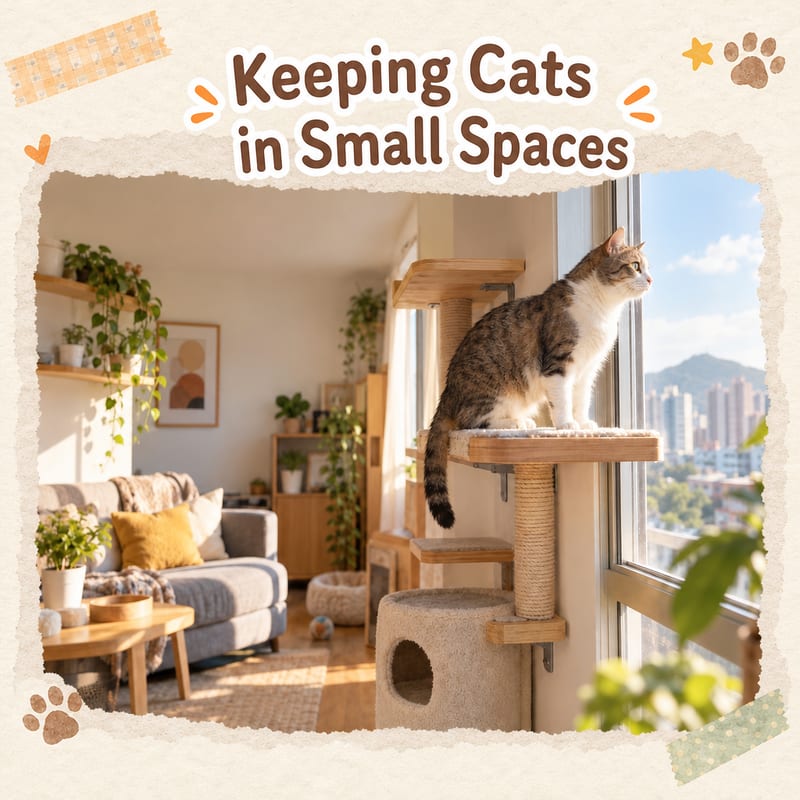
Using vertical space: Even in a small place, making good use of cat trees, shelves and other vertical space can greatly increase your cat's activity range.
Personality match: Quiet, independent breeds that aren't clingy are usually better suited to small flats, as they won't become anxious due to lack of space.
Soundproofing: Small flats often have poorer soundproofing, and vocal breeds (such as the Siamese) may cause nuisance to neighbours.
Comparison table of 5 breeds suitable for small flats
| Breed | Activity level | Personality | Care difficulty | Recommendation |
|---|---|---|---|---|
| British Shorthair | Low | Quiet and independent | Low | ⭐⭐⭐⭐⭐ |
| Ragdoll | Low | Gentle and affectionate | Medium | ⭐⭐⭐⭐ |
| Exotic Shorthair | Low | Quiet and laid-back | Medium | ⭐⭐⭐⭐ |
| Russian Blue | Medium | Reserved but friendly | Low | ⭐⭐⭐⭐ |
| Munchkin | Medium | Lively but small | Low | ⭐⭐⭐ |
How are these ratings decided?
The ratings are based on four dimensions: activity level (lower activity suits smaller spaces better), personality (quiet and non-disruptive preferred), care difficulty (ease of management in a small flat) and adaptability (tolerance of environmental change). Each dimension is scored out of 5, giving an overall recommendation.
Top pick: British Shorthair
The British Shorthair could be described as tailor-made for Hong Kong's small flats. They are quiet and not clingy, can entertain themselves for long periods, and won't get anxious because you're at work. Their activity level is low — a cat tree and a few toys are enough to keep them occupied. Add a short coat that's easy to manage without daily brushing, and they're perfect for busy Hongkongers.
The British Shorthair has another big advantage — they aren't especially vocal and won't "chat" all day like a Siamese, which is very important in a small flat with average soundproofing.
To learn more about British Shorthair weight management, see our Ragdoll weight management guide, which has plenty of general weight-control tips.
Small-flat setup tips
Even after choosing a suitable breed, setup matters:
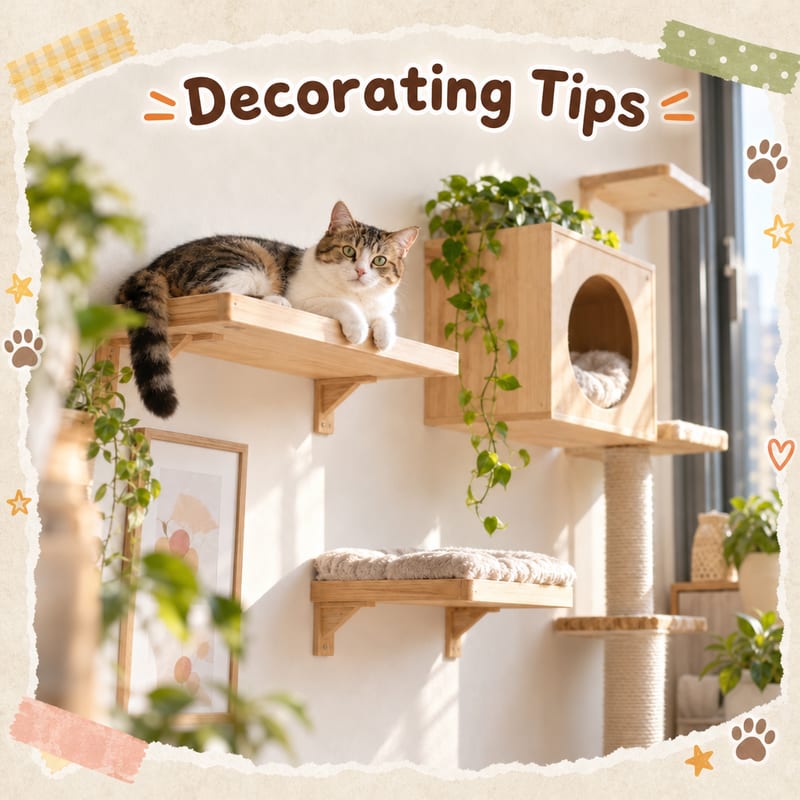
- Vertical space: Install a cat tree or shelves to expand activity space upwards
- Window spot: Leave a spot by the window for your cat to watch the street — free "cat TV"
- Litter tray position: Place in a well-ventilated corner, away from food bowls
- Storage-style cat furniture: Choose a cat tree that can be folded away when not in use to save space
For first-time cat owners' costs, see the new cat owner's 3-month budget to prepare financially in advance.
Hong Kong small-flat practical checklist: setup done in 7 days
Living in a 300 sq ft flat, both time and space are luxuries. Here's a 7-day quick setup routine — do a little each day and you'll be ready to welcome your cat by the weekend.
Day 1: Measure + plan Use a phone AR app to measure the actual usable space, noting window, door and bathroom positions. Mark the three big items — cat tree, litter tray and food bowls — on a floor plan first, making sure the litter tray is at least 1.5 m from food and water.
Day 2: Vertical space Go to Apliu Street in Sham Shui Po and buy ready-made shelves, $50–$80 each; drill four holes and add L-shaped brackets to install. Choose ones with a load capacity of 50 kg or more — an adult British Shorthair can reach 7 kg, so it needs to be stable for jumping up and down.
Day 3: Window spot If you have a window sill, add a soft cushion to make a cat bed; if not, buy a suction-cup hammock to attach to the glass so your cat can watch the street. Remember to apply sun-blocking film to avoid direct afternoon sun.
Day 4: Litter tray positioning The most common mistake in small flats is putting the litter tray in the bathroom — Hong Kong bathrooms are usually damp, so litter easily absorbs moisture and smells. Best to put it in a ventilated corner of the living room, use a semi-enclosed litter tray with a deodorising mat, and run a dehumidifier for half an hour a day.
Day 5: Storage-style cat tree Choose a foldable cat tree that can be stored under the bed when not in use. A two-in-one model with a scratching post and small platform is recommended to save space. Place it away from direct air-conditioning airflow so your cat doesn't get cold.
Day 6: Noise management Stick soundproof foam strips on the front door and walls to reduce noise from the corridor. If you've chosen a slightly clingier breed like the Ragdoll, put a white noise machine in the bedroom and leave it on at night to mask your cat's occasional meows.
Day 7: Check + fine-tune Walk through the whole flat, checking that all shelves are stable, cables are tucked away and window grilles are dense enough. Put a few old clothes on the cat tree and window sill so the space carries your scent, making it easier for your cat to settle in.
One last reminder: Hong Kong buildings are densely packed. If your cat shows stress symptoms such as persistent meowing, inappropriate urination or over-grooming, contact a veterinarian immediately — don't wait. Keeping a cat in a small flat isn't a problem; the key is planning ahead so you and your cat can live comfortably together.
Related product recommendations
For first-time pet owners, basic equipment and staple food should be prepared all at once. Here are related products available at PetChill:
- Fujiichi Natural Minimalist Daily 3.0 Tofu Cat Litter Lavender 6L - Official Import (Fujiichi) — flushable tofu litter, low dust
- Fujihime no Awayuki 3.0 Natural Purifying Soy Milk Tofu Cat Litter Original 18L - Official Import (random old/new packaging) (Fujihime no Awayuki) — flushable tofu litter, low dust
See more: Fujiichi brand guide
Product prices and latest offers are subject to the product page; this article is for reference only.
📌 Key takeaways
- ✅ British Shorthairs are low activity — one cat tree is enough
- ✅ Quiet breeds won't get anxious in a small space
- ❌ High-energy Bengals easily develop problems in small flats
- ❌ Vocal Siamese can disturb the neighbours
- ✅ Vertical space + window spot can expand activity range
 Fuji One full guide →


 Fuji Cat full guide →


 K9 Natural full guide →



