
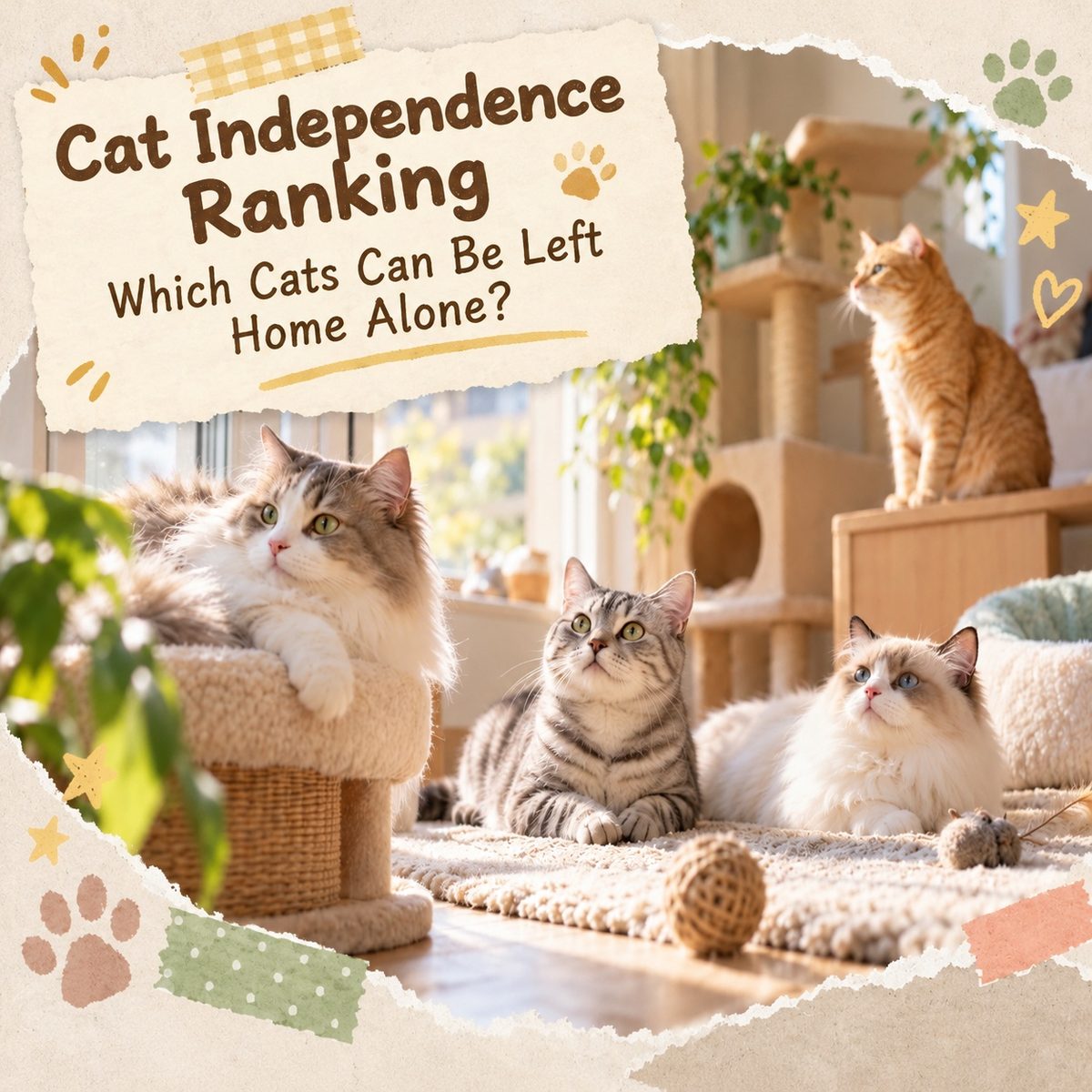
Quick answer: Domestic shorthairs, British Shorthairs, and Russian Blues are the top choices for Hong Kong office workers; they can be left alone for over 8 hours. Ragdolls, Siamese, and Devon Rexes are very clingy and should ideally not be left alone for more than 4-6 hours, or they may become anxious.
Hong Kong life moves fast, and many cat owners work 9-to-6 (or even later), so cats inevitably have to stay home alone for long stretches each day. When choosing a breed, independence is often more important than appearance—a cat that can keep itself entertained and one that needs constant companionship place very different demands on your schedule. This article ranks common cat breeds by independence to help you make the best choice before welcoming a new family member.
🤖 AI summary
Cat independence varies by breed: domestic shorthairs, British Shorthairs, and Russian Blues are independent and can generally be left alone for 8 hours or more; Ragdolls, Siamese, and Devon Rexes are very clingy and prone to anxiety when left alone for long periods. Before choosing a cat, assess your working hours and companionship time, and use toys, cat trees, and environmental enrichment to reduce your cat's stress when alone.
Why is breed independence so important?
Although cats are generally more independent than dogs, the degree of independence can vary greatly between breeds. Long periods alone can cause separation anxiety in high-need cats, showing as excessive vocalisation, furniture destruction, inappropriate urination, over-grooming, or even loss of appetite. In contrast, highly independent cats know how to entertain themselves; when you come home, they might just glance at you and go back to sunbathing elegantly.
It is important to stress that every cat is an individual; breed is only one reference point. Their upbringing, socialisation, and age also affect their ability to cope alone.
Cat independence ranking
The following is based on general breed characteristics, with 5 stars being the highest independence score:
| Rank | Breed | Independence score | Recommended maximum time alone | Why this rating |
|---|---|---|---|---|
| 1 | Domestic shorthair (mixed breed) | ⭐⭐⭐⭐⭐ | 8 to 10 hours | Highly adaptable, easy-going, knows how to be alone; the safest choice for busy Hong Kong families |
| 2 | British Shorthair | ⭐⭐⭐⭐⭐ | 8 to 10 hours | Calm and composed, loves you but doesn't cling; usually content when left alone |
| 3 | Russian Blue | ⭐⭐⭐⭐ | Around 8 hours | Reserved and quiet, doesn't like to disturb people, but deeply attached to its owner and needs interaction when you return |
| 4 | American Shorthair | ⭐⭐⭐⭐ | Around 8 hours | Gentle and independent, knows how to find its own fun; suitable for dual-income families |
| 5 | Persian | ⭐⭐⭐ | 6 to 8 hours | Quiet and not noisy, but needs regular grooming and attention; can become depressed if left alone too long |
| 6 | Ragdoll | ⭐⭐ | 4 to 6 hours | Known as the "dog-cat", loves to follow its owner around; can feel lost when left alone for long periods |
| 7 | Siamese | ⭐⭐ | 4 to 6 hours | Extremely clingy and vocal; will protest with loud meows if left too long, and may even become destructive |
| 8 | Devon Rex | ⭐ | Under 4 hours | Energetic and clingy, needs lots of interaction; not suitable for long periods alone |
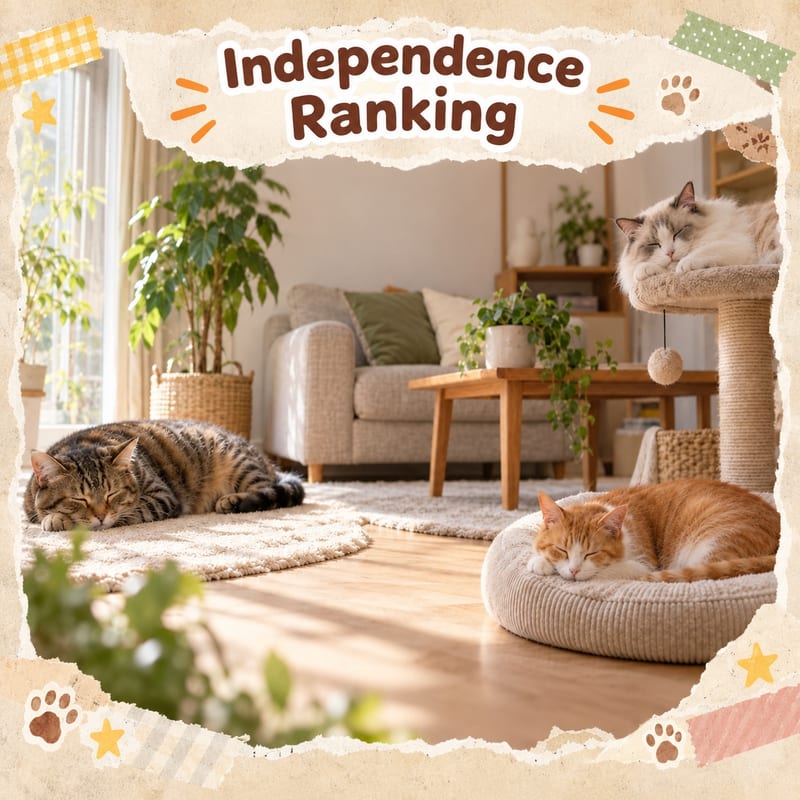
Practical tips for leaving cats home alone
Even if you choose a highly independent breed, the following measures can help your cat feel more secure when alone:
-
Environmental enrichment: Set up cat trees, window perches, and puzzle feeders to give your cat something to do.
-
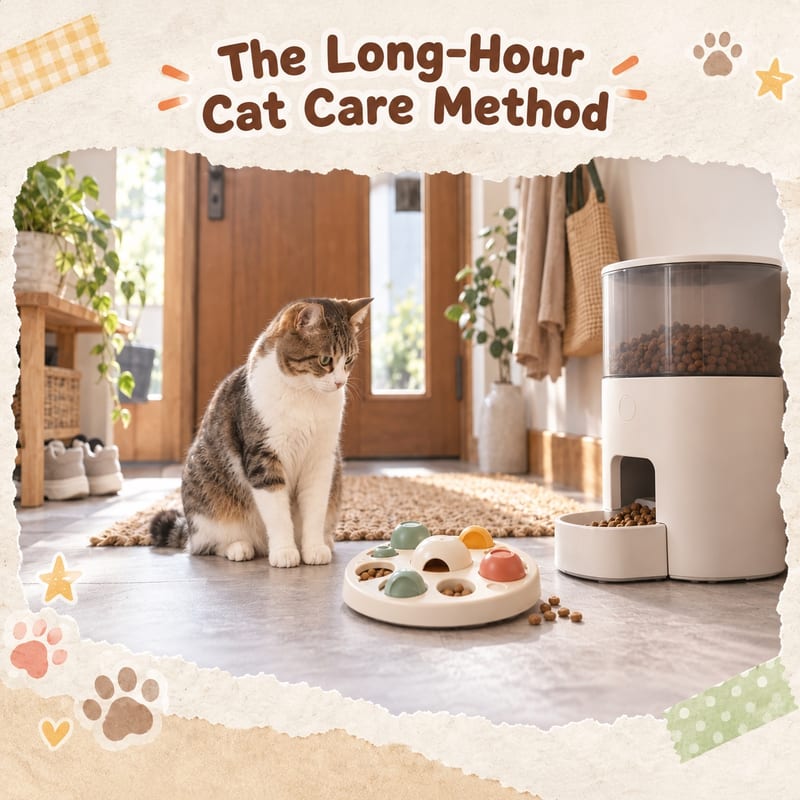
Timed feeders: Maintain a regular feeding schedule to reduce anxiety.
-
Leave your scent: An old piece of clothing or a blanket can have a calming effect on cats.
-
High-quality companionship after work: A fixed 15 to 30 minutes of interactive play each day is more effective than sporadic attention throughout the day.
-
Consider getting two cats: If space and budget allow, two cats can keep each other company and greatly reduce loneliness stress—but this also means double the expenses. See our guide to expenses for new cat owners in the first three months.
Practical setup for small Hong Kong flats: checklist for leaving cats alone for 8 hours
Space is precious in Hong Kong, and the key to keeping cats entertained when alone for 8 hours is "vertical space + flow". Follow this checklist:
-
Window perch: Use IKEA shelves and suction-cup cat beds by the living room window so your cat can watch the street and sunbathe. Remember to install window screens—safety first.
-
Cat tree against the wall: Choose a 1.5-1.8 m tall model with a stable base, place it in a corner of the living room without blocking walkways. Put an old T-shirt on the top level to leave your scent.
-
Puzzle feeders: Before work, divide dry food into three portions: one in an automatic feeder (set to dispense at noon), and two hidden in puzzle balls and cardboard box mazes, so your cat can hunt for each piece and pass the time.
-
Two litter trays: Hong Kong is humid, so place two litter trays—one in the bathroom and one in a living room corner—to reduce the chance of your cat holding urine due to litter tray competition.
-
Monitoring camera: Buy a Wi-Fi camera for around a hundred dollars on Taobao, place it opposite the cat tree, and check during lunch. If you see your cat sleeping, they are OK.
-
Homecoming ritual: As soon as you get home, change clothes, wash hands, then play with a wand toy for 15 minutes to make up for interaction. Hong Kong people are tired when they get home, but this high-quality playtime is the key.
Remember: two cats keeping each other company does reduce stress, but Hong Kong rent is high. Before getting two, calculate your budget and space carefully—don't adopt on impulse and regret it later.
Related product recommendations
For new pet owners, basic equipment and staple food should be prepared all at once. Here are related products available at PetChill:
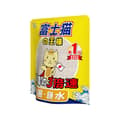
- Fuji One Natural Minimal Daily 3.0 Tofu Cat Litter Lavender 6L - Original Import (Fuji One) — tofu litter, flushable, low dust
- Fujihime no Awayuki 3.0 Natural Purifying Soy Milk Tofu Cat Litter Original 18L - Original Import (random old/new packaging) (Fujihime no Awayuki) — tofu litter, flushable, low dust
Want more: Fuji One brand guide
Product prices and latest offers are subject to the product page; this article is for reference only.
Further reading
For Hong Kong overtime workers: what if you work 12 hours?
Overtime culture is common in Hong Kong, and many workers routinely work 10-12 hours. If you really love cats but worry they will get bored, here are some "extreme" strategies:
1. Cat selection strategy
- First choice: domestic shorthair or British Shorthair—they are the most adaptable.
- Adopt an adult cat (over 1 year old); their personality is set, and they cope better alone than kittens.
2. Daily schedule
- 07:30 Before leaving: automatic feeder dispenses breakfast + set out puzzle feeders.
- 12:30 Lunch break: use a phone app to remotely dispense a treat from the feeder, and say a few words to your cat through the camera.
- 19:30 Back home: immediately 15 minutes of wand toy interaction, then feed dinner.
- 23:00 Before bed: play another 10 minutes, refresh water and food.
3. Upgraded space setup
- Vertical space: add a soft cushion on top of a bookcase to create a cat viewing platform.
- Two litter trays: one in the bathroom, one in the living room, to avoid litter tray competition.
- Smart water fountain: flowing water encourages cats to drink more, reducing urinary problems.
4. When to see a vet
- If you see through the camera that your cat hasn't eaten or slept for two consecutive days, or you find vomiting or diarrhoea when you get home, take them to the vet immediately.
- For long-term overtime workers, consider pet insurance to reduce medical expenses.
5. Last line of defence
- Hire a pet sitter to visit once a week to clean the litter tray and play for 15 minutes.
- Or consider getting two cats to keep each other company, but first calculate the doubled expenses and space.
Remember: even the most independent cat needs human love. If your overtime situation doesn't improve long-term, you may need to think about whether cat ownership really suits you.
📌 Key summary
- ✅ Domestic shorthairs, British Shorthairs, and Russian Blues are the most independent and can be left alone for 8-10 hours
- ✅ Environmental enrichment + timed feeders reduce stress when alone
- ❌ Ragdolls, Siamese, and Devon Rexes are prone to anxiety when left alone for long periods
- ❌ Breed is only a reference; every cat's personality differs
- ✅ 15-30 minutes of focused play after work beats sporadic companionship
 Fuji One full guide →


 Fuji Cat full guide →

 K9 Natural full guide →



