
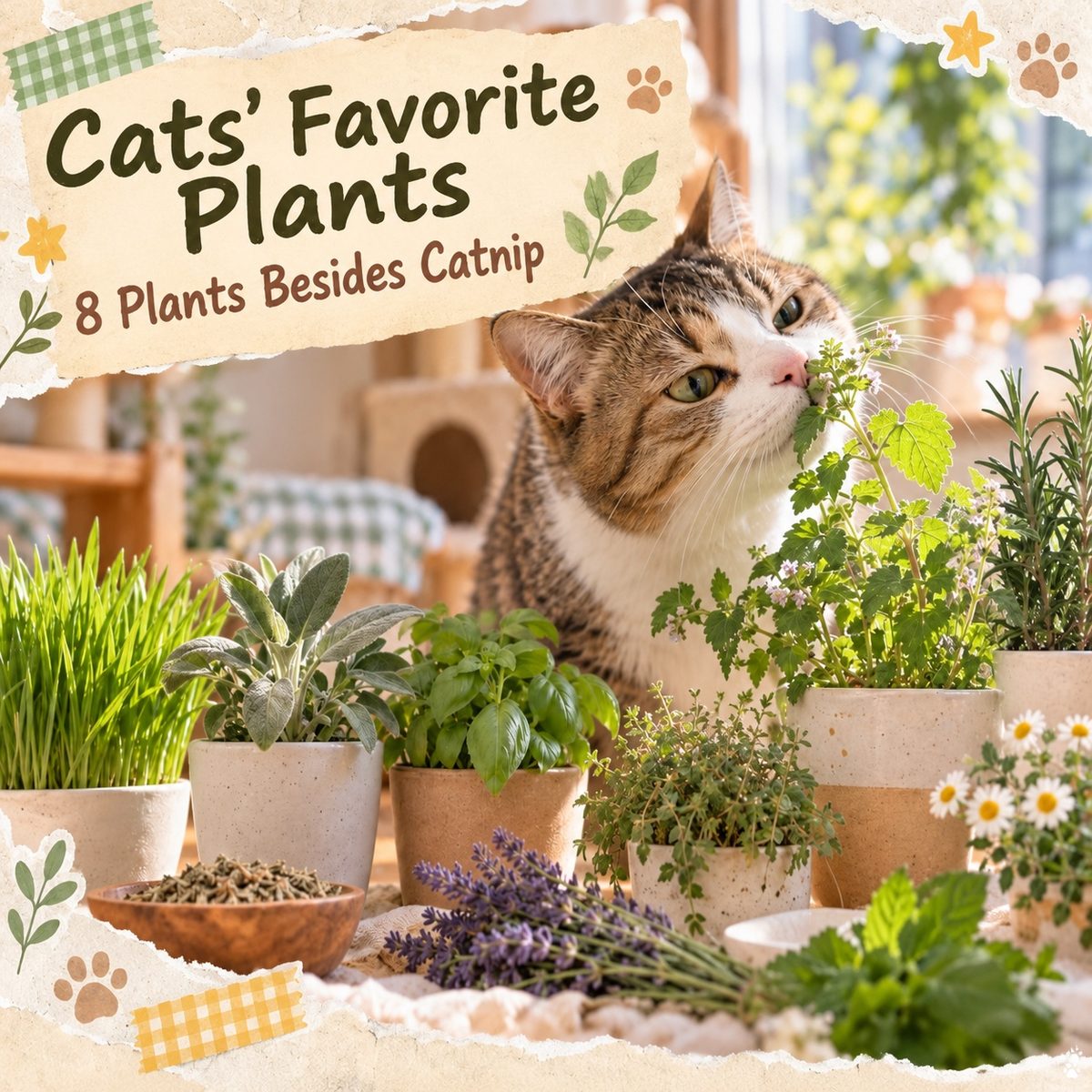
Quick answer: The plants cats love most include silvervine (79% reaction rate), catnip (68%), honeysuckle (53%), and valerian (47%). These plants contain chemicals such as nepetalactone that stimulate a cat's olfactory nerves and produce a sense of pleasure. But beware: common plants like lilies and azaleas are toxic to cats, so always confirm safety before planting.
When it comes to the plants cats love most, most people immediately think of silvervine. But did you know? A US experiment with 100 cats found that, besides silvervine, at least 3 other plants can trigger a strong reaction in more than half of cats! Today PetChill takes you deeper into the fascinating relationship between cats and plants.
Silvervine: The Cat's "Number One Obsession"
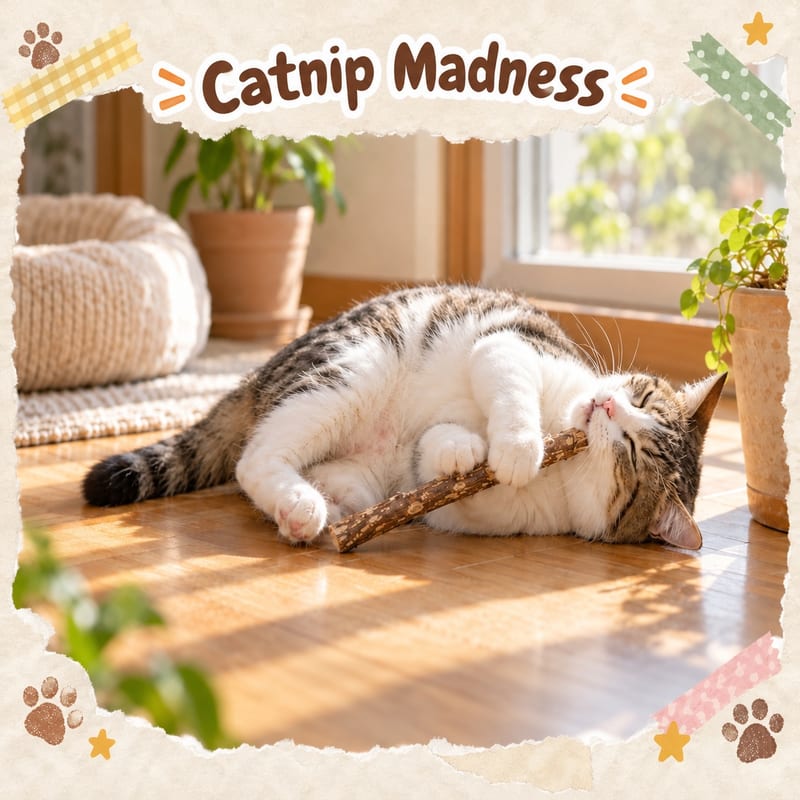
Silvervine (also known as silver vine) is considered the "psychedelic" of the cat world, with studies showing that up to 79% of cats react to it. After contact with silvervine, cats may roll, lick, rub, drool, and even enter a brief "high" state.
This reaction actually comes from a chemical called nepetalactone in silvervine. When cats smell it, it stimulates their olfactory nerves, which in turn affects the brain's "reward system" and creates pleasure. Interestingly, this reaction usually lasts only 5-15 minutes, after which the cat becomes temporarily "immune" and needs to wait at least 30 minutes before reacting again.
Safe ways to use silvervine
- Dried silvervine can be sprinkled on scratching posts or toys to increase appeal.
- Fresh silvervine branches can be chewed by cats and help clean teeth (even better when combined with a regular cat dental care guide).
- Use 1-2 times per week; overuse will reduce your cat's sensitivity.
- Not all cats react to silvervine; about 20-30% have no reaction at all (related to genetics).
Catnip: The "Source of Happiness" for 68% of Cats
Catnip (also known as camphor grass, Lamiaceae) is another plant that drives cats crazy, with 68% of cats reacting to it. Although catnip's effect is slightly weaker than silvervine, it is easier to grow and can be grown in pots, making it very suitable for home planting.
Catnip also contains nepetalactone, but at a lower concentration than silvervine. Some cats become excited, rolling and jumping; others become unusually quiet and relaxed.
Great uses for catnip
- Grow it on a balcony or windowsill to create a "healing garden" for your cat.
- Dry it and stuff it into cat toys to increase play interest.
- For cats with poor appetite, catnip can stimulate appetite (if loss of appetite persists, see the cat vomiting and appetite guide).
- New cat owners can start with catnip and observe their cat's reaction.
Honeysuckle and Valerian: Unexpected "Cat Favorites"
Besides silvervine and catnip, research has also found two other plants that trigger reactions in cats:
Honeysuckle — 53% of cats react
Honeysuckle (Caprifoliaceae) is a common ornamental plant whose floral scent attracts 53% of cats. Cats may approach the plant, rub against it, or lick its leaves. Honeysuckle is relatively safe, but it is still advisable to prevent cats from chewing large amounts.
Valerian — 47% of cats react
Valerian (Valerianaceae) may be the most surprising discovery. This less common plant attracts 47% of cats. Its roots contain special chemicals that stimulate a cat's olfactory system.
Plant Reaction Rate Comparison Table
| Plant name | Family | Cat reaction rate | Main active ingredient | Safety |
|---|---|---|---|---|
| Silvervine (silver vine) | Actinidiaceae | 79% | Nepetalactone | ✅ Safe in moderation |
| Catnip (camphor grass) | Lamiaceae | 68% | Nepetalactone | ✅ Very safe |
| Honeysuckle | Caprifoliaceae | 53% | Volatile aromatic compounds | ✅ Relatively safe |
| Valerian | Valerianaceae | 47% | Special root chemicals | ⚠️ Limited data |
| Cat grass (wheatgrass) | Poaceae | Not applicable | Leaf fiber | ✅ Very safe |
Are These Plants Safe for Cats?
Although most of the above plants are harmless to cats, cat owners should still note the following:
✅ Relatively safe plants
- Silvervine: Safe in moderation; excessive amounts may cause mild gastrointestinal upset.
- Catnip: Very safe; you can plant it with confidence.
- Cat grass (wheatgrass, barley grass): Helps cats expel hairballs; highly recommended.
⚠️ Plants to watch out for
- Lilies: Highly toxic to cats; never keep them at home! Even if pollen gets on a cat's fur, licking it can cause kidney failure.
- Azaleas: The whole plant is toxic and can cause vomiting and diarrhea in cats.
- Ivy: Ingestion can cause oral irritation and gastrointestinal upset.
- Dieffenbachia: Contains calcium oxalate, which can cause burns to the mouth and digestive tract.
❌ Plants cats must never contact
Lilies, daffodils, tulips, hyacinths, oleander, and azaleas are all toxic to cats to varying degrees. If you have these plants at home, remove them immediately or place them where cats cannot reach.
Why Do Cats React to Certain Plants?
Scientists believe that cats' reactions to specific plants may be related to their ancestors' survival strategies. One theory is that nepetalactone-like substances may have insect-repellent effects, and cats rolling and rubbing on these plants may be to transfer the repellent substances onto their fur—a natural "mosquito repellent strategy"!
Another theory is that this reaction is purely a genetically determined "pleasurable experience," just as humans have innate preferences for certain scents. Whichever theory is correct, one thing is certain: seeing your cat happily rolling next to a plant is incredibly healing for us cat owners!
To learn more about cat behavior and history, read PetChill's Cat Noble Bloodline and Behavior Decoded.
Create a Safe "Plant Garden" for Your Cat
Want to create a safe and fun plant space for your cat at home? Here are PetChill's suggestions:
-
Choose safe plants: Catnip, cat grass, and silvervine are top choices and can be planted with confidence.
-
Avoid toxic plants: Remove toxic plants like lilies and azaleas from your home.
-
Set up a dedicated area: Create a cat-only plant corner on a balcony or windowsill.
-
Replace regularly: Catnip and cat grass will wither; replace them every 2-3 weeks.
-
Observe reactions: Every cat has different preferences; try several plants to find your cat's favorite.

Hong Kong Small Flat Practical Guide: 3 Steps to Create a Cat Plant Corner
1. Choose a spot: windowsill vs balcony
Hong Kong flats are small, so a windowsill is the safest bet. East- or northeast-facing windowsills get soft morning sun, which catnip and cat grass love. If your balcony gets strong afternoon sun, add a shade net to prevent leaves from scorching. Remember to weigh down pots to prevent them from blowing over during a No. 8 typhoon signal.
2. Buy supplies: under $100
- Catnip seeds: $15 per pack at Mong Kok Flower Market, enough for a year.
- Organic potting soil: $25 per bag at supermarkets or hardware stores; don't buy too large a bag to avoid mold.
- Shallow pot: $12 at Daiso; make sure drainage holes are large enough to prevent waterlogging.
- Dried silvervine branches: $30 for 10 branches at pet shops; store in a ziplock bag in the fridge to keep fresh for up to six months.
3. Daily management: two-week cycle
- Week 1: Sow catnip seeds, keep soil slightly moist, do not let it sit in water.
- Week 2: When seedlings are 3-4 cm tall, let your cat sniff them but not bite, until leaves grow thicker.
- Week 3: Cut 1/3 of the top tender leaves, dry them, and stuff them into an old sock as a toy. At the same time, sow a second batch of seeds to maintain the cycle.
- Once a month: Check for insect eggs; if you see white spots, isolate the pot immediately. Do not spray chemical pesticides; wipe leaves with diluted dish soap water.
When to see a vet?
If your cat vomits more than two meals in a row after chewing a plant, becomes lethargic, or has bloody diarrhea, take a sample of the plant to the nearest vet clinic immediately. Hong Kong 24-hour emergency vets include Wan Chai South District Animal Hospital and Kowloon City AMG; remember to call ahead to confirm waiting times to reduce your cat's stress.
Further Reading
📌 Key Summary
- ✅ Silvervine, catnip, honeysuckle, and valerian make cats high.
- ✅ Use silvervine 1-2 times per week to avoid reduced sensitivity.
- ❌ Lilies, azaleas, and ivy are highly toxic to cats; never keep them at home.
- ❌ Do not give too much at once; excessive amounts can cause gastrointestinal upset.
- ✅ Cat grass (wheatgrass) helps expel hairballs; safe and practical.
 Fuji One full guide →

