
🤖 AI Summary
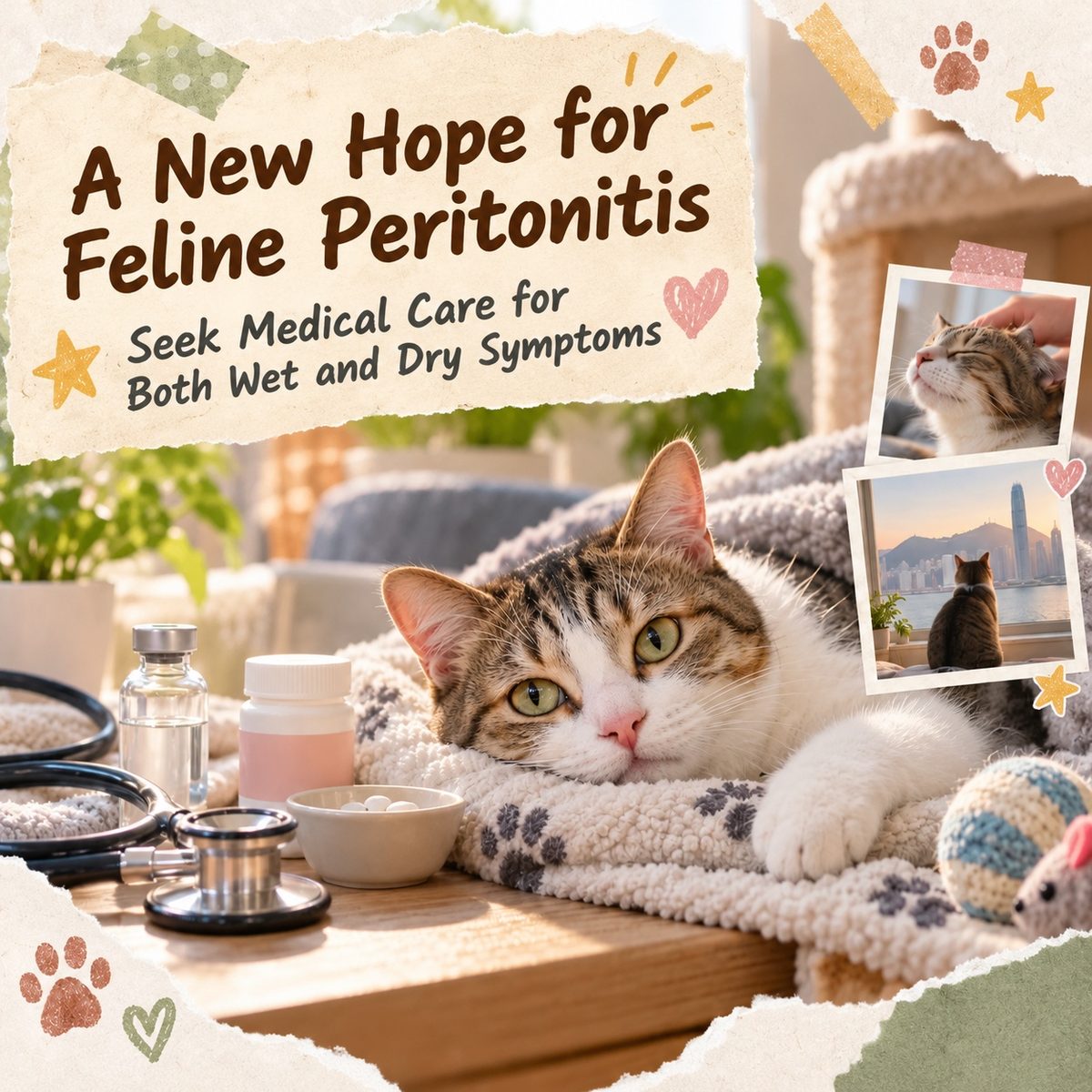
Feline infectious peritonitis (FIP) was once a 'death sentence' for cats, leaving countless owners devastated — but the antiviral drug GS-441524 has rewritten the story: treatment success rates now reach 80–90%. FIP is triggered by a mutation of feline coronavirus (FCoV) inside the cat's body, with kittens and young cats at highest risk; dry and wet forms have different symptoms, and diagnosis is one of veterinary medicine's hardest challenges.
• Red flags: repeated fever (unresponsive to antibiotics) + weight loss + poor appetite + bloated belly/rapid breathing
• Clinics in Hong Kong now offer GS-441524 oral/injection treatment
• Early diagnosis and treatment are key — the longer you wait, the greater the organ damage
Quick answer: Feline infectious peritonitis (FIP) is a fatal disease triggered by a mutation of feline coronavirus (FCoV) inside the cat's body. It comes in a wet form (abdominal or chest fluid, bloated belly or difficulty breathing) and a dry form (granulomas in organs, with subtle symptoms). High risk: kittens under 2 years old, multi-cat environments, and immunocompromised cats. It was once almost always fatal, but since GS-441524 arrived, treatment success rates reach 80–90% — some veterinary clinics in Hong Kong have already introduced treatment. Red flags: repeated fever unresponsive to antibiotics + weight loss + poor appetite — see a vet as soon as possible.
Contents
-
What is FIP? Why does coronavirus become a death sentence?
-
Dry or wet? Symptom comparison
-
Which cats are at highest risk?
-
Diagnosis: why is FIP so hard to confirm?
-
When to see a vet + red lines
-
GS-441524: the new hope that rewrote the story
-
Getting treatment in Hong Kong + cost overview
-
Prevention: how to reduce risk
-
FAQ
What is FIP? Why does coronavirus become a death sentence?
First, let's clear up a misunderstanding: feline coronavirus (FCoV) is not the same as FIP.
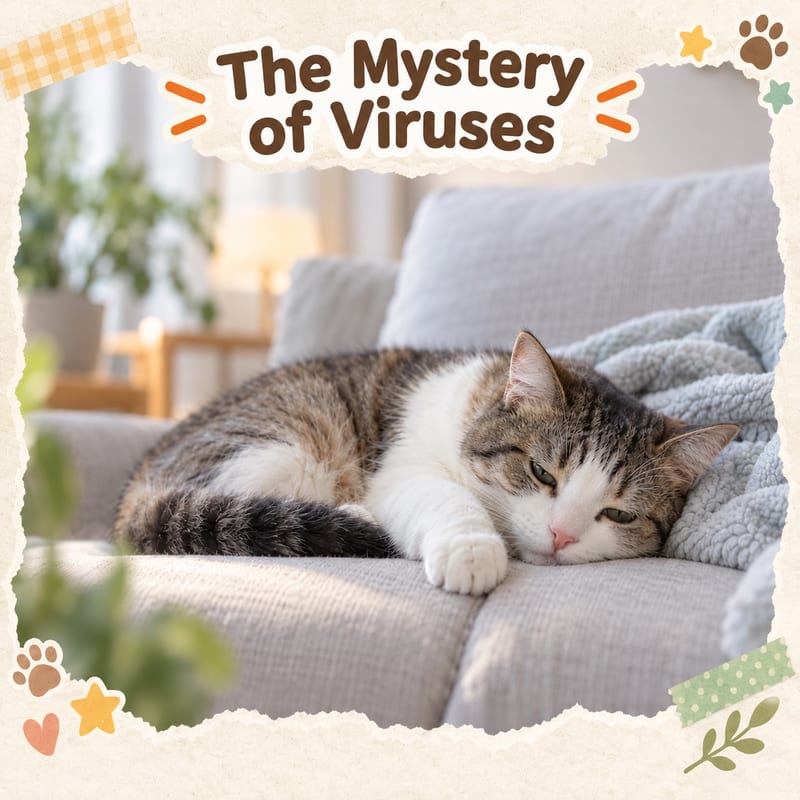
FCoV is an extremely common intestinal virus in cats — in multi-cat environments, most cats will encounter it in their lifetime, and most will only get mild diarrhoea or no symptoms at all, then the immune system keeps it in check. The real tragedy happens in a minority of cats: FCoV mutates inside the body, the virus gains the ability to invade white blood cells (macrophages), and the immune system overreacts, causing widespread inflammation of blood vessels — that is FIP.
Key concepts:
- Mutation is a random event — one cat does not 'pass on FIP' to another; what spreads is FCoV, and the mutation into FIP is an individual event
- Immune-mediated — the damage comes mainly from the immune system's overreaction (vasculitis), not just from the virus itself
- The old 'death sentence' — in the era of symptomatic treatment, survival after a confirmed FIP diagnosis was measured in weeks to months; that's where the old impression comes from
- The story has been rewritten — the antiviral drug GS-441524 has been used in practice for years, and treatment success rates have risen substantially (see below)
Dry or wet? Symptom comparison
FIP is divided into two forms by lesion type (mixed forms also occur):
| Wet form (effusive) | Dry form (non-effusive) | |
|---|---|---|
| Proportion | About half or more | About a quarter to half |
| Lesions | Fluid leaks from blood vessels and accumulates in body cavities | Granulomatous lesions within organs |
| Hallmark symptoms | Bloated belly (abdominal fluid) or rapid breathing (chest fluid) | Varies with organ location: eye inflammation/neurological signs/abnormal liver and kidney values |
| Progression | Relatively rapid (weeks) | Relatively slow (weeks to months) |
| Diagnostic difficulty | Lower (fluid analysis gives many clues) | High (often a process of exclusion) |
Early signals common to both forms:
- Repeated fever — stubborn fever that doesn't respond to antibiotics (a classic FIP clue)
- Weight loss — eating but the spine becomes more and more prominent
- Reduced appetite and energy — not interested in play, lethargic
- Dull coat, occasional jaundice (yellowing of the whites of the eyes/gums)
- Age clustering — kittens and young cats under 2 years old make up the majority
Which cats are at highest risk?
- Kittens and young cats under 2 years old — peak incidence, especially under 1 year (immature immune system + high viral load)
- Multi-cat environments/catteries/adoption groups — breeding grounds for FCoV transmission, shared litter trays and food bowls spread it between cats
- Immunocompromised — long-term stress, other illnesses, kittens before neutering
- Breed predisposition — some studies suggest purebreds (Ragdoll, Maine Coon, etc.) are at slightly higher risk
Worth noting: A single-cat household doesn't mean zero risk — FCoV can lie dormant in the body long before, and only mutate and cause disease when a stress event occurs (moving house, a new cat, after neutering surgery). So 'I only have one cat' is no free pass.
Diagnosis: why is FIP so hard to confirm?
FIP is famously one of veterinary medicine's 'diagnostic puzzles' — there is no single test that can directly say 'yes':
- Blood test clues — anaemia, white blood cell changes, elevated globulin (decreased A/G ratio), jaundice markers
- Fluid analysis (wet form) — typical FIP fluid is yellow and viscous, high in protein, with a specific cell pattern
- PCR testing — looks for viral genes; a positive result helps diagnosis but is not 100% accurate
- Imaging — ultrasound to look for abdominal fluid, organ lesions, lymph nodes
- Neurological/ocular forms — may require cerebrospinal fluid or ophthalmological examination
- Diagnostic combination — in practice, vets mostly use a combination score of 'signals + history + blood tests + fluid/imaging + exclusion of other diseases' to confirm
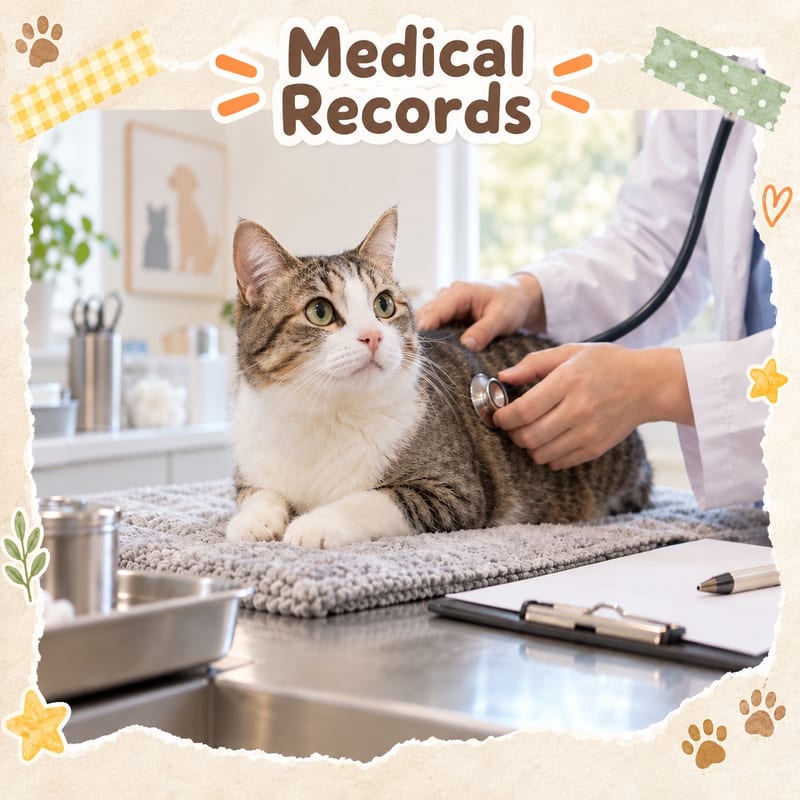
What owners should do: Bring all records (fever log, weight curve, contact history) and cooperate with the tests. Confirming the diagnosis may take several follow-up visits — don't give up investigating just because 'nothing shows up', because the treatment window for FIP is measured in weeks.
When to see a vet + red lines
Red/green guide:
| Situation | Verdict | Action |
|---|---|---|
| Kitten routine check, no symptoms | 🟢 Prevention | Annual check + stress-reduced environment |
| Repeated fever (unresponsive to antibiotics) | 🟡 See a vet soon | Classic FIP warning sign, in-depth investigation |
| Persistent weight loss + poor appetite + low energy | 🟡 See a vet soon | Blood tests to investigate (FIP/kidney disease/hyperthyroidism, etc.) |
| Belly getting bigger and bigger | 🔴 See a vet | Investigate abdominal fluid (common in wet FIP) |
| Rapid/laboured breathing | 🔴 Emergency | Chest fluid pressing on the lungs, see a vet immediately |
| Inflamed/cloudy eyes, unsteady walking, seizures | 🔴 See a vet soon | Possible ocular/neurological FIP, organ involvement |
| Jaundice + extreme weakness | 🔴 Emergency | Liver involvement/severe anaemia, deal with immediately |
Core principle: FIP treatment is 'the earlier the better' — choosing not to treat because you once heard 'FIP is incurable' is the most regrettable mistake today.
GS-441524: the new hope that rewrote the story
GS-441524 is an antiviral drug targeting feline coronavirus (a broad-spectrum nucleoside analogue that inhibits viral replication), and it is the 'parent molecule' of the COVID-19 drug remdesivir. It has completely changed the outcome of FIP:
- Efficacy — clinical studies and a large number of real-world cases show treatment success rates of 80–90%
- Course — usually requires continuous treatment for about 12 weeks (84 days); stopping midway is the main cause of relapse
- Formulations — both injections and oral (tablets/suspension) are available; oral formulations make long-term treatment much easier
- Neurological cases need more — neurological/ocular FIP requires higher doses or a longer course
- Supportive care — nutritional support, fluids, liver support, etc. may be needed during treatment
Important reminders:
- GS-441524 is a prescription drug and must be used under veterinary guidance — the dose is calculated by weight and disease type, and buying it online and using it haphazardly is a big no-no (wrong dose = treatment failure + risk of viral resistance)
- FIP should be confirmed or strongly suspected before treatment; not every 'bloated belly and weight loss' is FIP
- The course must be completed — many relapses are due to stopping early 'as soon as the cat looks better'
- Regular follow-up tests during treatment (blood tests tracking globulin/organ values) to assess response
Getting treatment in Hong Kong + cost overview
Current situation in Hong Kong: In recent years, quite a few veterinary clinics in Hong Kong have introduced FIP antiviral treatment (injections/oral), and some vets specialise in following FIP cases. Multi-cat households, adoption groups and cattery-related people should look out for resources around them.
Suggested care pathway:
-
Suspected symptoms → initial examination at a general clinic (blood tests + imaging)
-
Strong suspicion of FIP → referral to a clinic/hospital with FIP treatment experience
-
Confirmed/probable diagnosis → start GS-441524 course + regular follow-up
-
24-hour emergencies (difficulty breathing, etc.) → go directly to a 24-hour veterinary hospital
Cost overview (for reference only; actual costs depend on the clinic's quote):
| Item | Approximate range (HKD) |
|---|---|
| Diagnostic tests (blood tests + imaging + fluid analysis) | 3,000 to 10,000+ |
| GS-441524 course (12 weeks, depending on weight and formulation) | 15,000 to 40,000+ |
| Follow-up blood tests (multiple during the course) | 1,000 to 3,000 each |
| Hospitalisation/supportive treatment (as needed) | Extra |
Prices vary with weight, formulation and clinic; the above is for reference only. Discuss the plan and costs in detail with your vet before deciding on treatment.
Mental preparation: An FIP course is a marathon — 12 weeks of daily medication + follow-ups + observation, and ups and downs along the way are normal. Finding a careful veterinary team + keeping your own records (weight/appetite/energy diary) is the key to getting through it.
Prevention: how to reduce risk
FIP mutation can't be predicted, but you can reduce environmental risk:
- Isolate new cats before bringing them home — quarantine new arrivals for 2–3 weeks, and only introduce them when healthy
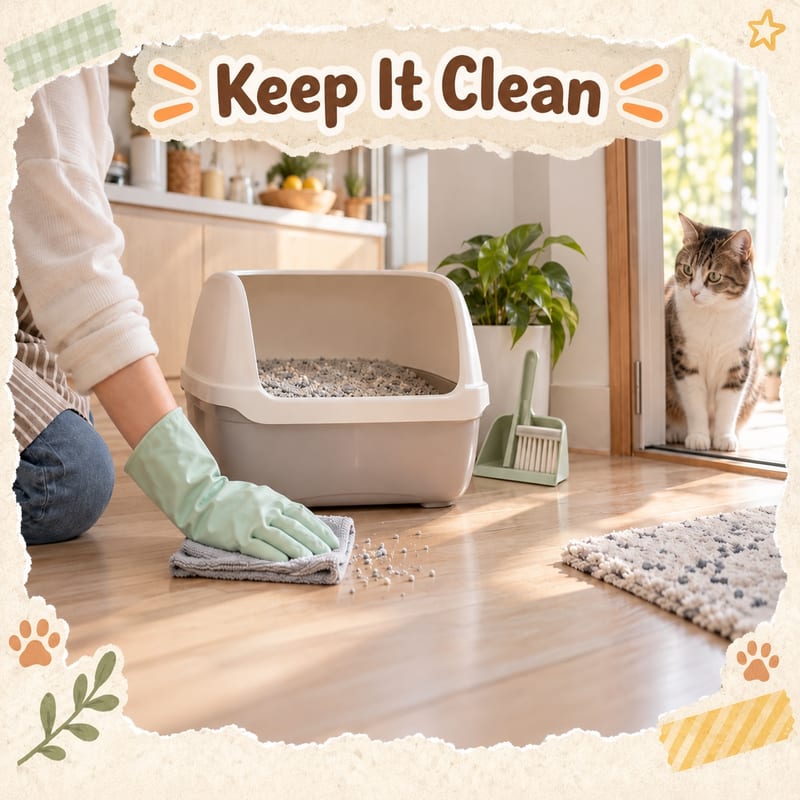
- Reduce FCoV transmission — one litter tray per cat (the +1 rule), scoop the litter frequently, separate food and water bowls
- Reduce environmental stress — stress is one of the triggers: stable routine, sufficient resources, avoid frequent changes
- Special care for kittens — during the immature immune period (under 1 year), especially avoid high-stress environments and intensive multi-cat contact
- Routine health checks — baseline weight + blood tests, catch abnormalities early
This article is for reference only and cannot replace veterinary diagnosis. If you have health concerns, please consult a registered veterinarian.
Further reading
📌 Key points
- ✅ Repeated fever + unresponsive to antibiotics is a classic FIP warning sign
- ✅ GS-441524 brings FIP treatment success rates to 80–90%
- ✅ Many clinics in Hong Kong now offer oral/injection courses
- ❌ Buying drugs online and using them haphazardly easily leads to treatment failure
- ❌ Stopping early 'as soon as the cat looks better' carries a high risk of relapse
 Feline Natural full guide →
 Wellness Core full guide →