
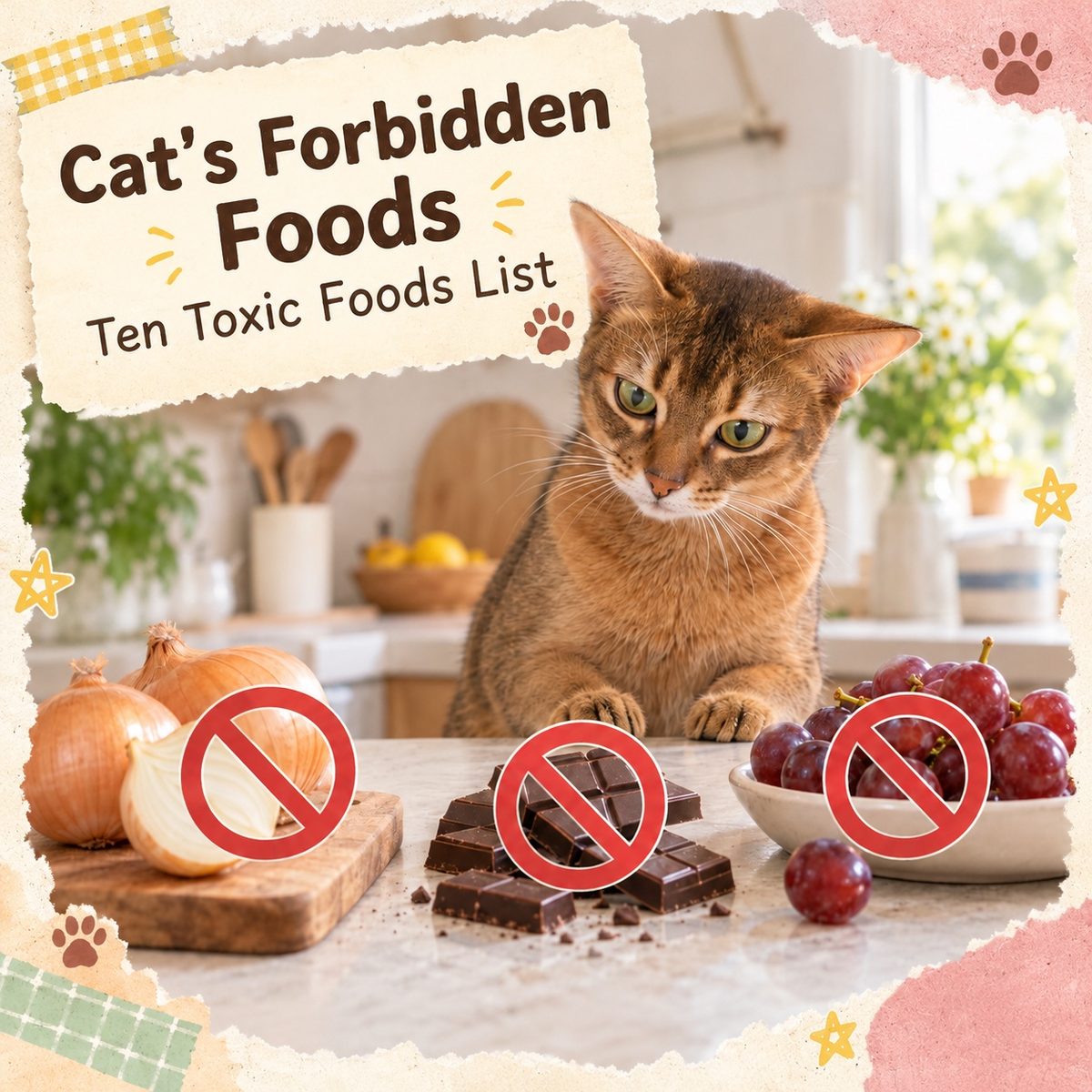
Quick answer: A cat's liver cannot metabolize 10 human foods including onions, chocolate, grapes, alcohol, and caffeine. Even small amounts can cause poisoning. If ingested, contact a veterinarian immediately and never induce vomiting yourself.
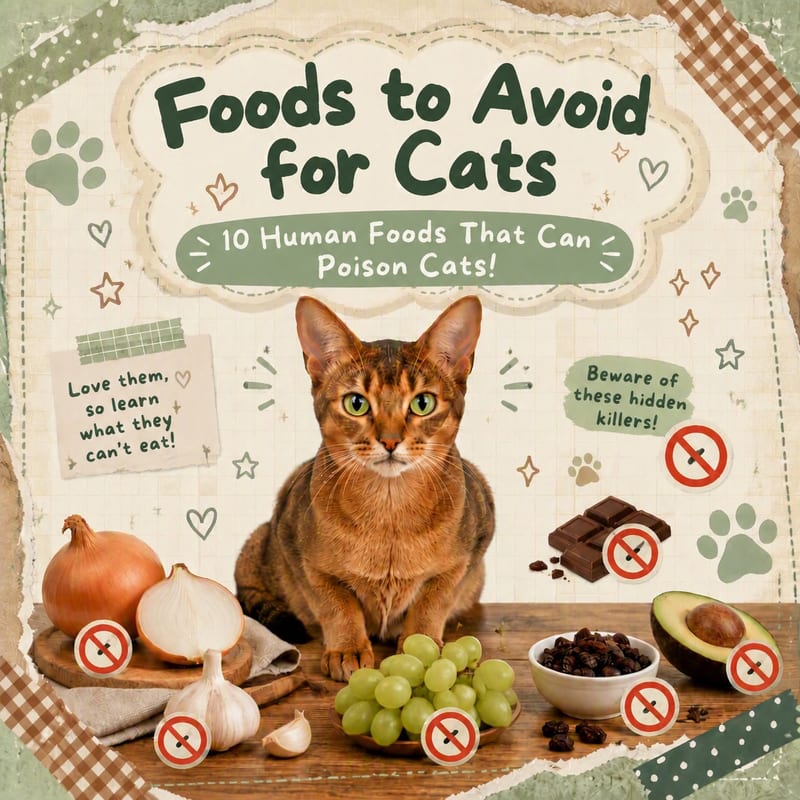
Cats are strict carnivores, and their livers lack the enzymes to metabolize certain substances. Onions, chocolate, grapes, alcohol, caffeine, and 6 other common human foods are toxic to cats. If you suspect ingestion, contact a veterinarian immediately and never induce vomiting yourself.
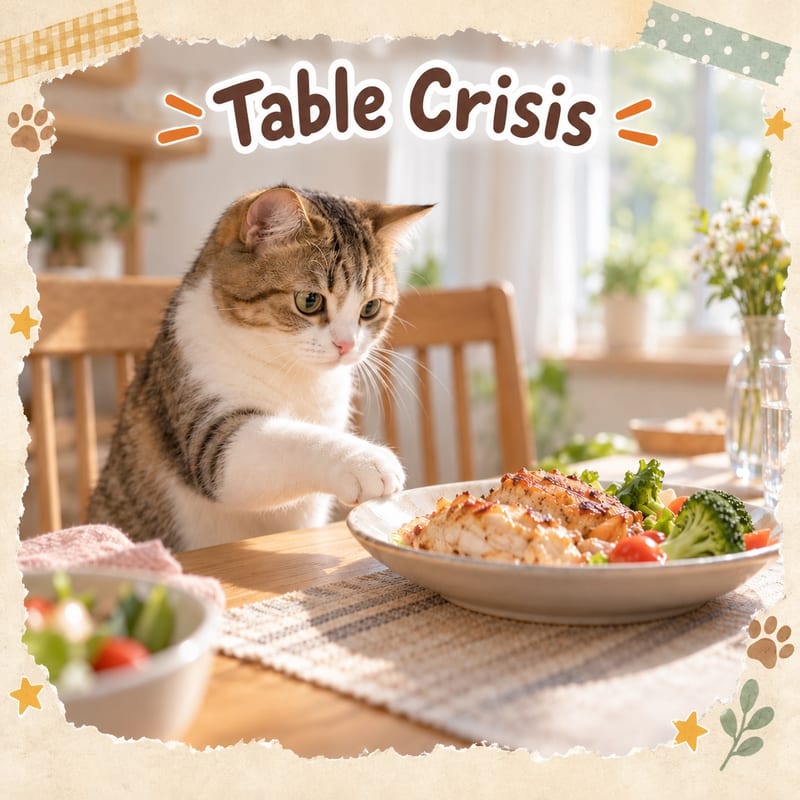
Have you ever had your cat jump onto the dining table during a meal, looking at you with those innocent big eyes? Many cat owners soften and share their food, but these "treats" can be quite dangerous for cats. Veterinary emergency statistics show that accidental ingestion of human food is one of the common reasons for visits. This article lists 10 taboo foods to watch out for, poisoning symptoms, and emergency steps to help you protect your cat's health.
Why do human foods poison cats?
Cats' digestive systems are very different from humans'. Cats are strict carnivores, and their livers lack certain enzymes to metabolize specific substances. Many foods that are harmless to humans cannot be broken down by cats and pose risks. For example, organic sulfides in alliums destroy red blood cells, and theobromine in chocolate affects the heart and nervous system. Even small amounts can cause serious consequences, especially in small or young cats.
Overview of 10 taboo foods for cats
| Food | Relevant component | Risk level | Main symptoms |
|---|---|---|---|
| Alliums (onion, scallion, chives, garlic) | Organic sulfides | Very high | Hemolytic anemia, vomiting, pale gums |
| Chocolate | Theobromine | Very high | Rapid heartbeat, seizures, vomiting |
| Caffeinated drinks | Caffeine | High | Tachycardia, rapid breathing |
| Alcohol | Ethanol | Very high | Vomiting, coordination problems, lethargy |
| Grapes/raisins | Unidentified | Very high | Acute kidney failure |
| Raw eggs | Avidin | Medium | Poor coat quality, hair loss |
| Raw fish and meat | Thiaminase, bacteria | Medium | Neurological problems, gastroenteritis |
| Milk/dairy | Lactose | Low | Diarrhea, bloating |
| Animal liver (excess) | Vitamin A | Medium | Bone deformities, joint stiffness |
| Fruit pits/seeds | Cyanogenic glycosides | High | Difficulty breathing, vomiting, fever |
High-risk foods explained one by one
Alliums (onion, scallion, chives, garlic): Organic sulfides destroy hemoglobin in red blood cells, causing hemolytic anemia—one of the most common accidental ingestion risks. Both raw and cooked are problematic; also watch out for scallions in burgers, soups, and dishes. Symptoms include loss of appetite, vomiting, lethargy, pale gums, and dark urine; with larger intake, obvious anemia may appear within two to three days.
Chocolate and cocoa products: Theobromine is difficult for cats to metabolize; dark chocolate and baking chocolate have the highest content and greatest risk. After ingestion, cats may vomit, become hyperactive, have rapid heartbeat, muscle tremors, or even seizures. Even a small piece should not be underestimated.
Caffeinated drinks (coffee, tea, energy drinks): The mechanism is similar to theobromine—stimulating the central nervous system and heart. Be careful not to let your cat lick your coffee or tea.
Alcohol: Cats are small, and even a tiny amount of alcohol can cause serious effects—vomiting, incoordination, difficulty breathing, or even coma. Cooking wine and alcoholic desserts must be stored away.
Grapes and raisins: Can cause vomiting and affect kidney function. The toxic component is not fully identified, but small amounts are known to be dangerous. Hong Kong families often buy grapes as fruit—remember to store them where cats cannot reach.
Raw eggs: Egg white contains avidin, which hinders vitamin B7 absorption; long-term consumption affects coat quality and may carry Salmonella. If you want to feed eggs, they must be thoroughly cooked.
Raw fish and raw meat: Thiaminase in raw fish destroys vitamin B1, affecting the nervous system long-term; raw meat may carry pathogenic bacteria and parasites. Please cook fish thoroughly and remove bones before feeding.
Milk and dairy products: Most adult cats have reduced lactase after weaning, and drinking milk easily causes diarrhea and bloating. If you want to give milk, choose cat milk powder or lactose-free products.
Animal liver (excess): Moderate amounts are beneficial, but excess causes vitamin A overload, affecting bones and joints. It is recommended to give small amounts at most once or twice a week, not as a staple food.
Fruit pits and seeds: Apple seeds, cherry pits, and peach pits contain cyanogenic glycosides; avocado's persin is also unfriendly to cats. When preparing fruit, dispose of pits properly and keep bins covered.
What to do after accidental ingestion? Remember these four steps
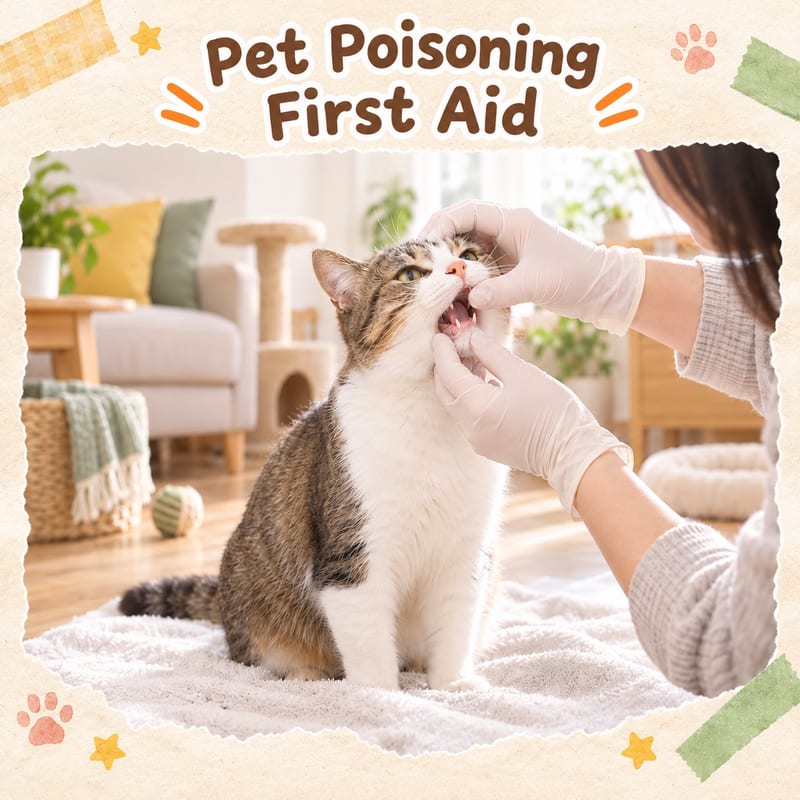
- Stay calm — Note what your cat ate, when, and approximately how much; this information is important for diagnosis.
- Do not induce vomiting yourself — Unless instructed by a veterinarian, incorrect methods may worsen the damage; also do not feed "antidote remedies".
- Contact a veterinarian immediately — Bring the food packaging or a sample of the remains and go to the nearest clinic as soon as possible. Hong Kong has several 24-hour emergency veterinary clinics, such as CityU Veterinary Medical Centre and Pets Central.
- Observe and record — Record the number of vomits, mental state, and appetite changes to provide to the veterinarian for diagnosis.
What are the symptoms of poisoning?
If a cat accidentally ingests dangerous food, it may show:
- Vomiting or persistent nausea
- Diarrhea, blood in stool
- Sudden loss of appetite, lethargy
- Pale or purplish gums
- Rapid breathing, excessive drooling
- Muscle tremors, unsteady walking
Symptoms can appear immediately or may be delayed for one to three days (e.g., alliums). "Ate it but seems fine" does not mean safe; if ingestion is suspected, call your veterinarian for assessment first—do not wait for all symptoms to appear before acting.
Five daily prevention tips
- Store food properly: Put onions, chocolate, and grapes in the fridge or sealed containers; do not leave them on the counter.
- Cover kitchen bins: Cats are curious and will rummage through bins for food scraps.
- Remind family and visitors: Do not casually feed cats human food; especially make this clear during gatherings with friends and relatives.
- Prepare cat treats: When you want to share a treat with your cat, use cat-specific treats and freeze-dried snacks instead.
- Be mindful during cooking: Do not let cats jump onto the stove; avoid contact with ingredients like scallions and garlic.
To learn about weight management and healthy diet combinations for cats, refer to PetChill's Complete Cat Nutrition Guide to find the right staple food plan and reduce the temptation of "eating whatever humans eat".
What you can do starting today
- Take a walk around the kitchen: put chocolate, onions, and grapes all into cabinets and the fridge.
- Set rules with family: no one should hand-feed human food to the cat.
- Save the 24-hour emergency vet number on your phone's home screen.
- Choose a safe cat treat as a "sharing substitute" for your cat.
This article is for reference only; consult a registered veterinarian if in doubt.
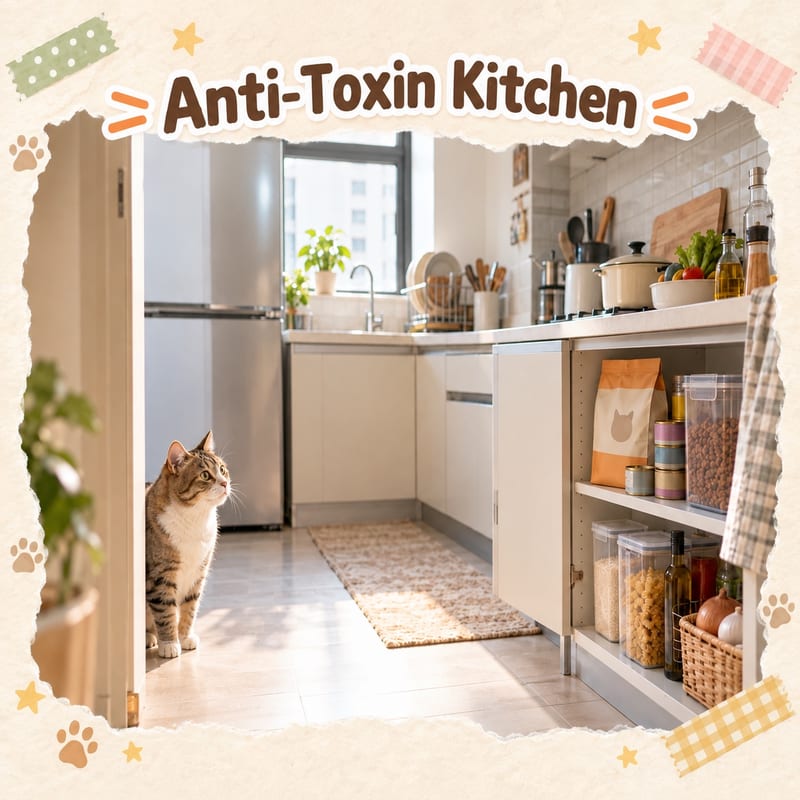
Practical for small Hong Kong flats: Create a "poison-proof kitchen" in 30 seconds
Hong Kong kitchens are small, but the smaller they are, the easier accidents happen. Here are 4 steps to finish in 30 seconds—no major renovation needed.
1. Stick a "forbidden list" on the fridge door Write "onions, garlic, chocolate, grapes" on a memo and stick it on the outside of the fridge door to remind family every time they open it. Reserve the top shelf of the fridge for high-risk cat foods, and lock them in a transparent plastic box to avoid grabbing the wrong thing.
2. Upgrade the bin immediately Buy a pedal bin from the $10 shop; the lid closes automatically and cats cannot push it open. Tie up the garbage bag immediately after cooking every day so cats have no chance to rummage.
3. Add a "temporary barrier" to the stove Buy a foldable cat-proof net (about HK$30) online; open it to block the stove when cooking, and fold it away afterwards without taking up space. Keep it in a drawer normally; it takes 3 seconds to set up, and cats cannot jump up.
4. Set up "one-touch emergency call" on your phone Add CityU Veterinary Medical Centre (24-hour emergency: 3650 3000) and Pets Central (24-hour emergency: 2915 3999) to your phone contacts and set them as "emergency contacts". If something happens, long-press the power button to auto-dial, saving time searching for cards.
Finally, stick another memo on the fridge door: "Cat treat location"—write "Want to share with your cat → go to the treat cabinet"—so family members naturally won't feed randomly. A 30-second investment for daily peace of mind.
📌 Key summary
- ✅ Alliums, chocolate, grapes, alcohol, and caffeine are extremely high risk.
- ✅ Raw eggs, raw fish, excess liver, and fruit pits should also be avoided.
- ✅ After ingestion, record the food type, amount, and time, then contact a veterinarian.
- ❌ Do not induce vomiting yourself or feed remedies.
- ❌ Uncovered bins and food left on counters are extremely risky.