
🤖 AI Summary
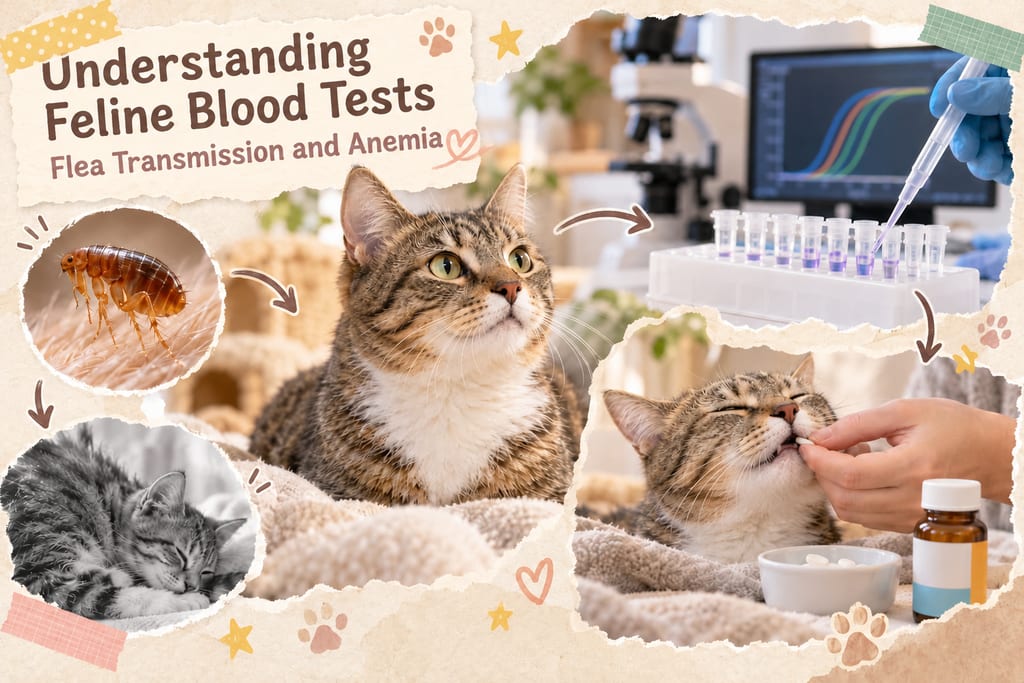
Haemoplasmas are bacteria that live on the surface of cat red blood cells, destroying them and causing haemolytic anaemia — one of the main pathogens of feline infectious anaemia. Three main species: M. haemofelis is the worst and can cause sudden severe illness in healthy cats; the other two mostly flare up when immunity is poor (especially in FeLV cats). Fleas are considered an important transmission route: flea control = the most practical prevention. Diagnosis relies on PCR blood testing; first-line treatment is doxycycline for two to four weeks, and with timely treatment the prognosis is mostly good.
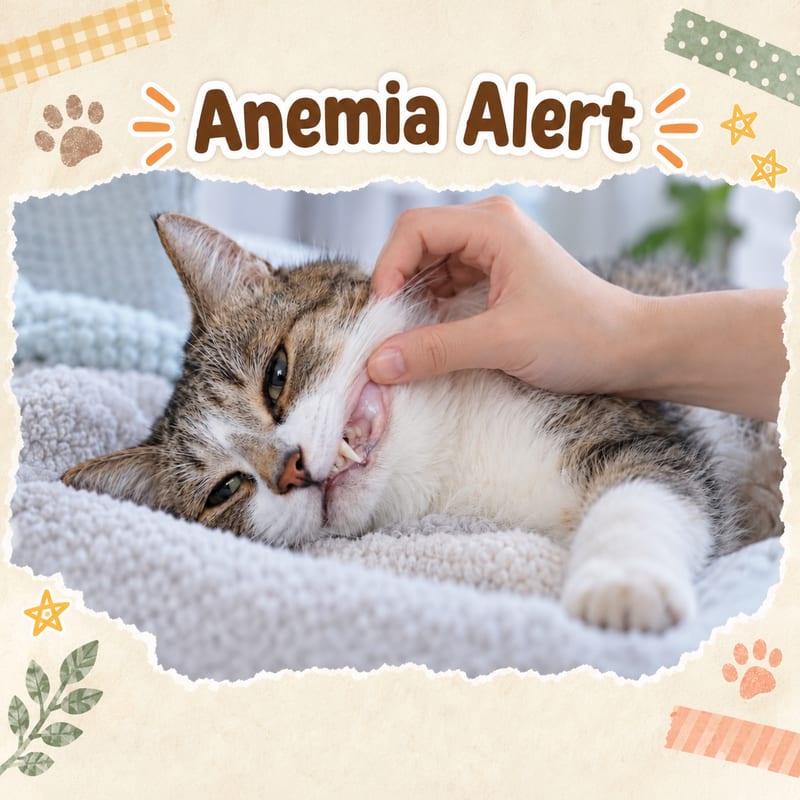
• Signs: pale gums and eyelids, lethargy, panting, fever, no appetite
• Resistant carrier cats exist: clinical recovery does not mean the organism is cleared
• β-lactams (penicillins) are ineffective — it's down to structure
Quick answer: Feline haemoplasmosis (formerly Haemobartonella) is a mycoplasma that attaches to the surface of cat red blood cells: it destroys them and causes haemolytic anaemia. M. haemofelis is the most pathogenic — even healthy cats can develop acute illness; carrier cats can remain asymptomatic long-term, flaring up only when immunity drops or with FeLV co-infection. Transmission: flea bites are considered an important route (bites/vertical transmission also have evidence). Signs: pale gums, lethargy, panting, fever. Diagnosis: PCR blood test (gold standard). Treatment: doxycycline for 2 to 4 weeks (remember to follow with water after giving the pill — oesophagitis risk); severe cases need blood transfusion. Flea control is the first line of defence.
Contents
-
What is haemoplasmosis? Why does it cause anaemia
-
Three species + who is most at risk
-
Transmission routes: fleas are the key word
-
Symptom self-check + anaemia severity table
-
Diagnosis: why PCR not smear
-
Treatment plan + oesophagitis trap
-
When to see a vet + red lines
-
FAQ
What is haemoplasmosis? Why does it cause anaemia
Haemobartonella is the old name — modern classification is haemoplasmas: a special bacterium with no cell wall that attaches to the surface of cat red blood cells.
How it causes disease:
- The organism sticks to the red blood cell surface → the immune system recognises the 'infected red blood cells' → organs such as the spleen clear these cells (extravascular haemolysis) + direct immune destruction
- Massive red blood cell clearance → oxygen-carrying capacity plummets → anaemia: the cat becomes lethargic, pants, and has pale gums
- Some cats' immune response 'overshoots' and attacks even normal red blood cells (secondary immune-mediated haemolysis) — worsening the condition
Key point: This organism is extremely good at 'lying low' — carrier cats can remain fine long-term (subclinical) until stress/illness/declining immunity triggers an acute episode. So many cases are 'looked healthy at adoption, then suddenly develop severe anaemia months later'.
Three species + who is most at risk
| Species | Pathogenicity | Risk group |
|---|---|---|
| M. haemofelis | Worst: even healthy cats can develop acute haemolytic anaemia | All cats |
| Candidatus M. haemominutum | Milder: mostly subclinical | FeLV cats/poor immunity |
| Candidatus M. turicensis | Milder | Poor immunity/co-infection |
Co-infection is an amplifier: Cats positive for FeLV (feline leukaemia virus)/FIV (feline immunodeficiency virus) have a higher rate of haemoplasmosis and more severe disease — so after diagnosing haemoplasmosis, vets generally recommend also testing for FeLV/FIV.
Transmission routes: fleas are the key word
Research on transmission routes is still deepening, but current evidence points to:
- Flea bites (considered an important route) — fleas act as mechanical/biological vectors: this is the logic behind 'flea control = haemoplasmosis prevention' (see PetChill's cat flea article on three-stage flea eradication)
- Cat bites — bite wounds from fights bring direct contact with infected blood: higher risk in unneutered adult cats/outdoor cats
- Vertical transmission — there are confirmed reports of mother-to-kitten transmission
- Blood transfusion — carrier donor cats can transmit via transfusion (proper blood banks screen)
Practical conclusion: Year-round flea control + indoor keeping/neutering to reduce fights = the two most practical lines of defence.
Symptom self-check + anaemia severity table
Typical signs of anaemia (by likelihood):
- Pale gums/eyelids/ear pinnae (from pink to pale white) — the most directly visible
- Lethargy, weakness, reduced jumping
- Rapid breathing/open-mouth panting (compensation for poor oxygen carrying)
- No appetite, weight loss
- Fever (acute phase)
- Enlarged spleen (found by vet palpation/imaging)
Anaemia severity reference:
| Severity | PCV reference | Common signs |
|---|---|---|
| Mild | 24 to 30% | Slight lethargy, most owners won't notice |
| Moderate | 18 to 24% | Obvious weakness, poor appetite, pale |
| Severe | <15% | Panting/weakness/gums nearly white — critical |
| Critical | <12% | Near shock, needs transfusion rescue |
(PCV values are for understanding only; actual interpretation is by the vet.)
Acute vs chronic: Acute M. haemofelis can go from 'normal' to severe within days; chronic/mild species follow a 'slow wasting' script — don't delay either way.
Diagnosis: why PCR not smear
- Blood PCR (gold standard) — directly detects the organism's DNA: highest sensitivity and specificity, can identify species
- Blood smear microscopy — during the acute peak you can see organisms on the red blood cell surface, but intermittent appearance and false negatives are common: only useful as an adjunct
- Complete blood count + reticulocyte count — confirms anaemia severity and bone marrow compensation: essential for treatment monitoring
- Coombs test/autoagglutination — assesses the immune destruction component
- FeLV/FIV screening — co-infection assessment, affects prognosis
The carrier cat dilemma: After antibiotic treatment and clinical recovery, PCR can remain positive (carrier state) — 'cured' is defined as clinical recovery + correction of anaemia, not necessarily clearing the organism. Relapse cases are documented in the literature; continued observation after recovery is part of the script.
Treatment plan + oesophagitis trap
First line: Doxycycline
- Standard dose for 2 to 4 weeks (vet sets according to weight/condition)
- Usually effective against M. haemofelis clinical signs — fever drops, bacterial load falls, anaemia gradually recovers
- Oesophagitis trap (a common pitfall in Hong Kong cats): Some doxycycline formulations are strongly acidic; a pill lodged in the oesophagus can cause burns — after giving the pill you must follow with water (5 to 10ml by syringe) or food to ensure the pill reaches the stomach; or choose a gel/paste formulation
Second line: Fluoroquinolones
- Marbofloxacin/Pradofloxacin etc.: options for doxycycline intolerance or when a clearance regimen is needed
- Studies suggest pradofloxacin may have a higher clearance rate; for chronic carrier/relapse cases there is a 'doxycycline then marbofloxacin' regimen
Supportive treatment:
- Blood transfusion — very low PCV/acute decompensation: transfusion buys time (donor cats must be screened)
- Prednisolone — when the immune destruction component is obvious (autoagglutination positive) the vet may add it
- Nutritional support — poor appetite cases: appetite stimulants/assisted feeding
Prognosis: With timely diagnosis and proper treatment, most cats have a good prognosis; FeLV co-infection/severe cases needing transfusion are relatively more complicated.
When to see a vet + red lines
| Situation | Assessment | Action |
|---|---|---|
| Occasional panting after rest | 🟢 Observe | Watch gum colour + energy and appetite |
| Slightly pale gums + lethargy | 🟡 Check soon | Blood count to screen for anaemia |
| Pale + panting + no appetite | 🟡 See vet same day | Full blood work + PCR |
| Open-mouth breathing/gums nearly white/collapse | 🔴 Emergency | Severe anaemia: assess for transfusion, emergency care tonight |
| Fever + pallor (rapid drop over days) | 🔴 Urgent | Acute haemolysis scenario, don't wait |
| Recurrent fever/anaemia dropping again during treatment | 🔴 Recheck | Assess for resistance/co-infection |
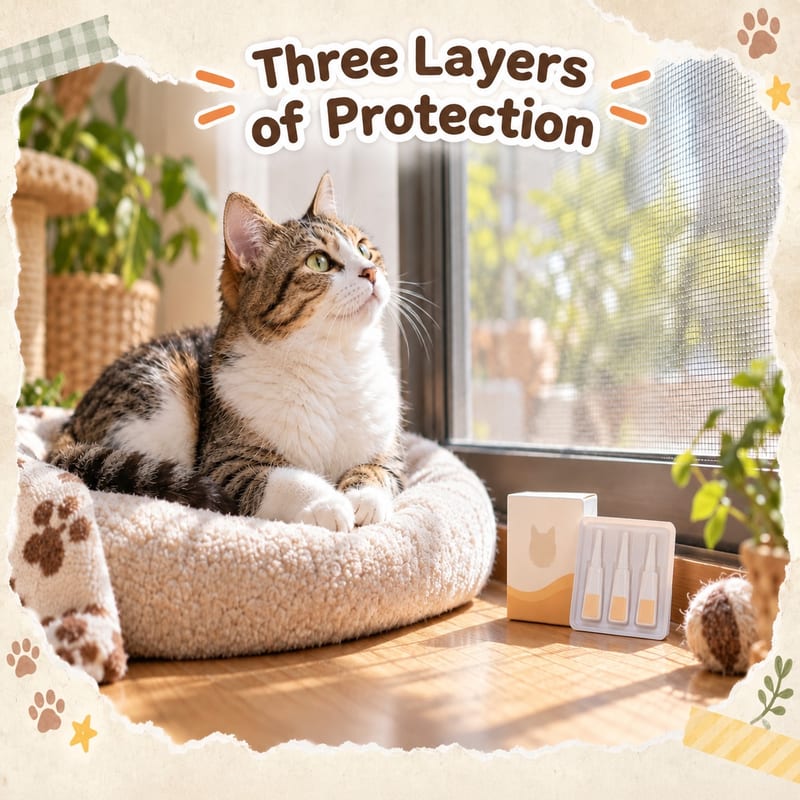
Prevention: three lines of defence
-
Year-round flea control — monthly vet-grade spot-on/oral (see cat flea article): cut the main transmission chain
-
Reduce fights — neutering + indoor keeping/single-household balcony netting: cut bite transmission
-
New cat quarantine + blood screening — FeLV/FIV + basic blood tests at adoption: know early, prevent early; carrier cats in multi-cat households need a management plan discussed with the vet
This article is for reference only and cannot replace veterinary diagnosis. If you have health concerns, please consult a registered veterinarian.
Further reading
📌 Key points
- ✅ Flea control = cutting the main transmission chain of haemoplasmosis
- ✅ Pale gums + lethargy + panting = see a vet immediately
- ✅ PCR blood test is the gold standard for diagnosis
- ❌ Penicillin-type antibiotics are ineffective against haemoplasmosis
- ❌ Clinical recovery ≠ clearing the organism; carrier state is still possible
- ❌ Giving doxycycline without following with water easily causes oesophagitis
 Feline Natural full guide →