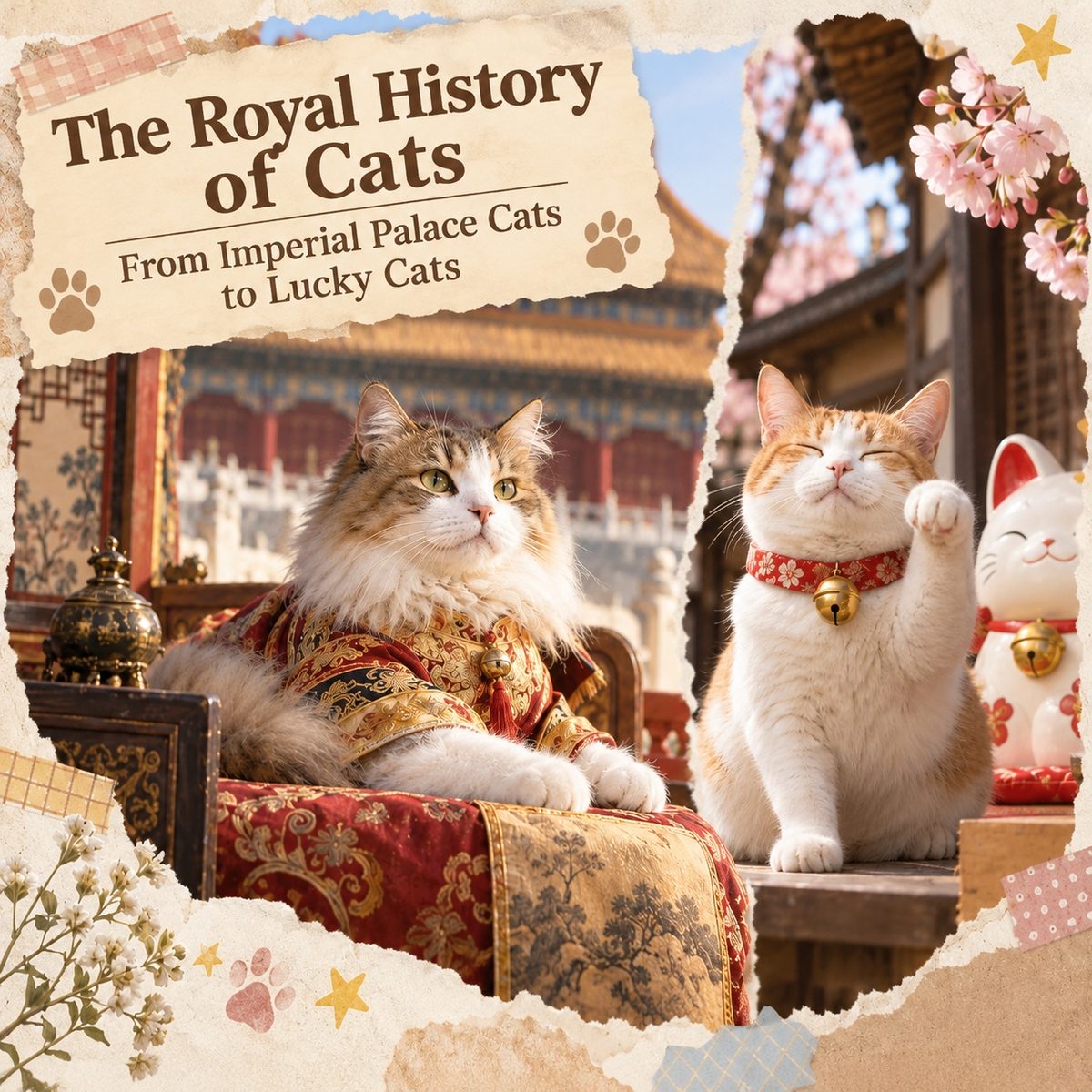
Quick answer: Cats started as rat-catching 'beasts of prey' in the pre-Qin era, then climbed the ranks to Tang palace cats, Song dynasty 'hired' cats, Ming and Qing royal cats, and spread to Japan as royal sutra guardians, eventually becoming lucky cats—maintaining their noble status for millennia.
Did you know? Today's aloof cat masters, who look down on you and ignore you, actually started out as 'workers' in ancient times! But they quickly rose through the ranks and became favorites of Chinese emperors and Japanese emperors. Let's see how cats transformed from rat catchers to nobles, conquering two ancient empires!
China: From Worker to Imperial Guard
Pre-Qin to Han: Cats' First Job
In the pre-Qin period, cats' main duty was catching rats—yes, that simple and direct. They were called 'beasts of prey', not pets, but functional labor. The Han dynasty Book of Rites records that cats were used to protect granaries and palace storehouses.
Tang Dynasty: The First Turning Point in Cat Life
By the Tang dynasty, cats finally reached their career peak! Emperor Xuanzong and Empress Wu Zetian were both devoted cat slaves, and the palace had dedicated staff to care for 'palace cats'. Cats went from warehouse managers to imperial favorites, living in exclusive cat houses with personal attendants—isn't that your cat's ideal life?
Song Dynasty: The 'Cat Hiring' Ceremony—Cats Had Dowries?
In the Song dynasty, cat-keeping swept through the streets, and buying a cat wasn't called 'buying' but 'hiring a cat'—meaning the cat was welcomed as a family member with great ceremony!
Hiring a cat required preparing salt and rice as betrothal gifts, as solemn as welcoming a bride. The literatus Lu You was a famous cat slave who wrote dozens of poems about cats, calling them 'little tigers'—so the poet's romantic feelings were dedicated to his cat master!
Ming and Qing: The Noble Era of Cats
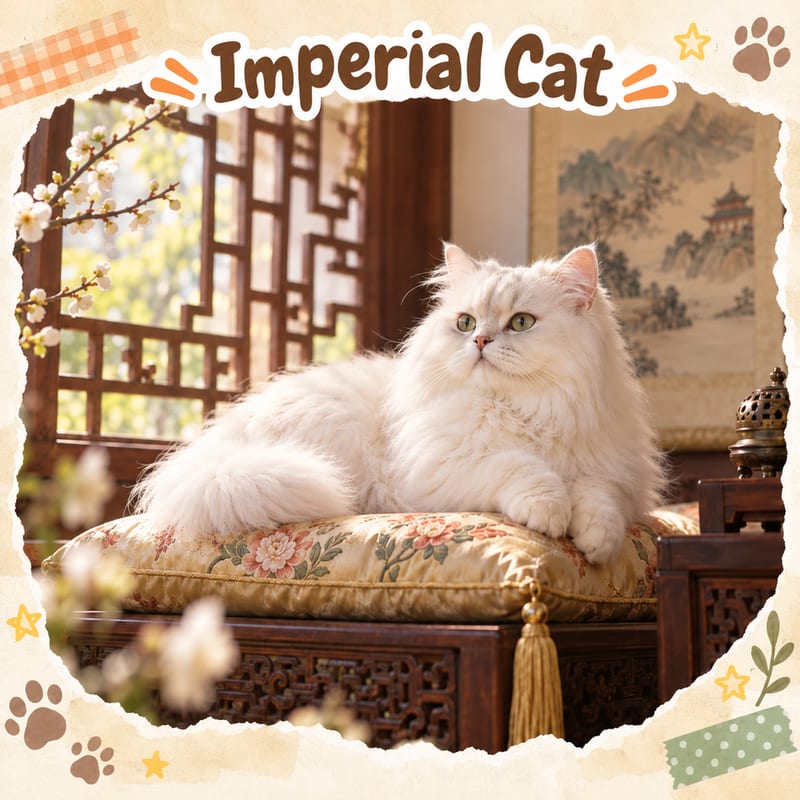
During the Ming and Qing periods, Li Hua cats and Lion Cats became prized ornamental breeds. Royal cats had their own quarters, stipends, and even dedicated staff to record their daily lives. Cats' status reached an all-time high—not just pets, but true nobles!
Japan: From Sutra Guardian to God of Wealth
Nara Period: Cats Belonged to the Royal Family
Japan introduced cats from China during the Nara period, but at that time cats were exclusive to the royal family and nobility; commoners were forbidden to keep them! Their main task was to protect sutras from being chewed by rats—cats were cultural guardians with sacred status.
Heian Period: Noble Treatment for Cats
In the Heian period, cats' status reached its peak! The Pillow Book describes court nobles pampering cats many times; royal cats could receive ranks, names, and servants—cats had their own retainers, a treatment even modern cat slaves envy!
Edo Period: Birth of the Lucky Cat
Later, cat culture evolved into the lucky cat legend. The white cat with a raised paw symbolizes wealth, originating from an Edo-period temple cat legend—a samurai avoided a lightning strike because a cat beckoned him, and in gratitude he donated a temple. Today, the lucky cat at every shop entrance carries this ancient cat legend.
Past and Present: The Cat Master's Status Never Wavers
Whether it's the 'little tiger' of the Chinese court or the 'royal cat lord' of the Japanese emperor, cats have always been special beings in human hearts. Today's cat master, though without rank or stipend, still rules every cat slave's heart with the same haughty attitude—isn't that the charm of cats across millennia?
| Dynasty/Period | Cat Title | Main Duty | Living Treatment |
|---|---|---|---|
| Pre-Qin–Han | Beast of prey | Catch rats, protect granaries | Functional labor |
| Tang | Palace cat | Emperor's pet | Personal attendants, cat house |
| Song | Hired cat | Family member | Salt and rice betrothal, contract |
| Ming–Qing | Royal cat | Ornamental noble | Stipend, dedicated records |
| Japan Nara | Sutra guardian | Protect sutras | Royal exclusive, commoners forbidden |
| Japan Heian | Royal cat lord | Noble symbol | Rank, servants |
| Edo–present | Lucky cat | Attract wealth/customers | Shop mascot |
Cat Slave Trivia
- In the Song dynasty, 'hiring a cat' required a contract called the 'Cat Hiring Contract', a formal legal document!
- Japanese lucky cats raise the left paw to attract customers, the right to attract wealth; both raised means both wealth and customers!
- Lu You wrote: 'The firewood is soft and the blanket warm, my cat and I stay indoors'—ancient cat slaves' weekends are exactly like modern ones!
Want Your Cat to Live More Nobly?
Although modern cats no longer have palace stipends, PetChill can give them a noble experience! From premium cat food to cozy cat beds, create a luxurious life for your cat master. After all, they deserve the best—it's been that way since ancient times!
Want more cat trivia? Follow PetChill Pet Encyclopedia for regular fun facts and pet care tips!
Creating a Royal Cat Life in a Small Hong Kong Flat
Living in a tiny Hong Kong flat doesn't mean your cat has to compromise; with smart space-saving arrangements, they can live like royalty.
Space Planning
- Vertical use: Install floor-to-ceiling cat trees or shelves along the wall, saving floor space.
- Multifunctional furniture: Choose coffee tables with storage or bed drawers as cat beds—dual purpose.
- Sunbathing throne: Add a soft cushion on the windowsill so your cat can sunbathe with a Victoria Harbour view.
Noble Essentials
- Complete wet food: Choose grain-free, high-protein formulas to replicate the Ming and Qing royal cats' fresh fish and chicken meals.
- Cat litter: Scoop tofu litter or clay litter daily to keep the palace fresh and avoid ancient palace odors.
- Toys: Alternate feather wands and electric mice to simulate palace hunting; 15 minutes daily is enough.
Etiquette Details
- Daily grooming: Short-haired cats twice a week, long-haired daily, to prevent hairballs and maintain royal elegance.
- Regular check-ups: Annual blood tests and dental check-ups, equivalent to the ancient 'royal physician's pulse reading', for early detection.
- Welcome ceremony: For a new cat, prepare a small dish of 'salt and rice' following Song tradition, symbolizing formal welcome, then let them inspect their territory.
Follow these steps, and even in a 200 sq ft upstairs shop, your cat can still strike a 'I rule the world' pose, continuing a thousand-year noble bloodline.
 Royal Canin full guide →