
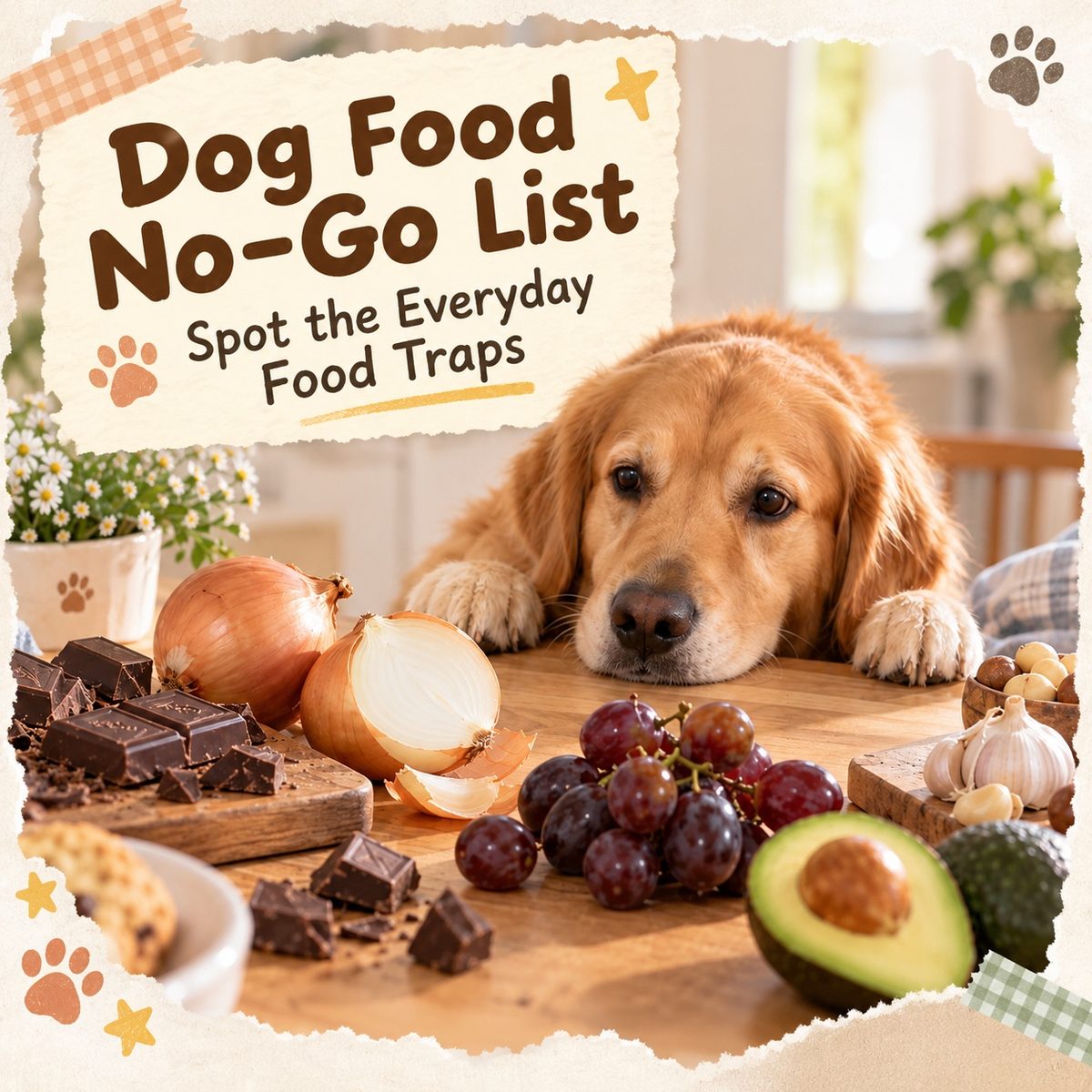
Quick answer: Dogs must never eat chocolate, onions, grapes, milk, fish bones, ice cream, spicy food, rice cakes, nuts or caffeine, because their digestive systems are very different from humans'. These foods can cause anything from diarrhoea and vomiting to haemolysis, kidney failure or even death.
Have you ever been eating and your dog gives you those innocent eyes, so you soften and share a bite? In fact, many everyday foods are "invisible poisons" to dogs—causing mild diarrhoea and vomiting at best, or life-threatening harm at worst. Here we've put together the 10 major dietary taboos for dogs, so you can keep your furry friend's dining table safe with peace of mind.
Why can't dogs eat just anything? Understanding their digestive system
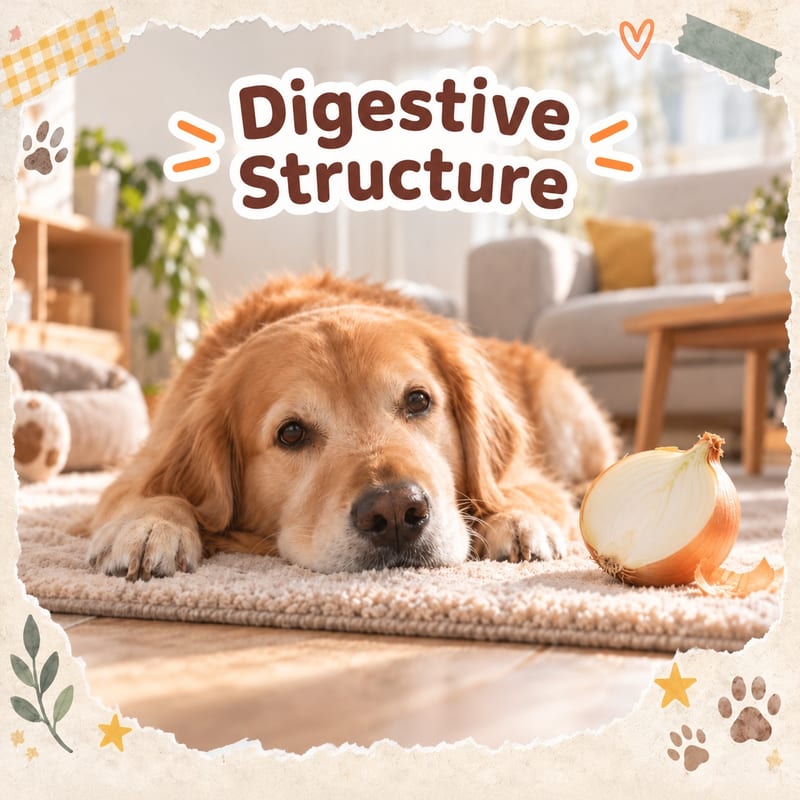
A dog's digestive system is very different from a human's. Their liver's metabolic capacity is weaker, and many foods that are safe for humans are a heavy burden for dogs. For example, theobromine in chocolate takes only 2 hours for a human liver to metabolise, but 18 hours for a dog. This overload causes theobromine to build up quickly in the body and affects normal physiological metabolism.
In addition, dogs have shorter intestines, and the types and concentrations of digestive enzymes differ from humans. These physiological traits mean we cannot use human dietary standards to judge food safety for dogs.
10 major dietary taboos for dogs: never feed these foods!
1. Onions and alliums—the culprit that destroys red blood cells
Onions, spring onions, garlic and other allium plants contain "n-propyl disulfide", which destroys a dog's red blood cells and causes haemolytic anaemia. Even cooked, they are unsafe because this substance is heat-resistant. Poisoning symptoms include lethargy, loss of appetite, pale gums and dark urine, and severe cases can be fatal.
2. Chocolate—the sweet deadly trap
Chocolate contains theobromine and caffeine, both of which strongly stimulate a dog's heart and nervous system. Dark chocolate has the highest theobromine content and is the most dangerous; white chocolate has less but is still unsuitable due to high sugar and fat. Poisoning symptoms include vomiting, diarrhoea, rapid heartbeat and muscle tremors, and severe cases can lead to seizures or even death.
3. Grapes and raisins—the invisible killer of kidney failure
Grapes and raisins can cause acute kidney failure in dogs, and even a small amount can be fatal. The scientific community has not yet fully identified the specific toxic component, but many case reports confirm the risk. Symptoms include persistent vomiting, lethargy and reduced urine output; if noticed, see a vet immediately.
4. Milk and dairy—a common cause of diarrhoea
Most adult dogs are lactose intolerant because they lack enough lactase to break down lactose in milk. Feeding milk easily causes bloating, diarrhoea, vomiting and other digestive upset. If you want to supplement calcium, choose pet-specific goat milk powder or lactose-free dairy products.
5. Fish bones and small bones—choking and suffocation risk
Small, sharp bones such as fish bones and chicken bones break easily, and fragments can lodge in a dog's throat or pierce the digestive tract, causing serious internal injury. Even for meat bones, choose larger pork or beef bones and feed under supervision. For calcium supplementation, choose pet-specific calcium tablets or dental chews.
6. Ice cream and sweets—the double blow of obesity and diarrhoea
High-sugar, high-fat sweets make dogs gain weight quickly and increase the risk of diabetes, arthritis and other diseases. At the same time, lactose and artificial additives in sweets easily cause digestive upset. To give your dog a cool treat in hot weather, try frozen pet-specific treats or small pieces of frozen fruit (such as blueberries or seeded watermelon).
7. Spicy seasonings—the culprit that irritates the digestive tract
Chilli, pepper, mustard and other spicy seasonings strongly irritate a dog's digestive tract and can cause gastritis, abdominal pain and diarrhoea. Long-term intake may even damage liver and kidney function. Food fed to dogs should be kept plain, with no seasonings added.
8. Rice cakes and glutinous rice products—high-risk choking foods
Rice cakes are sticky and soft, easily sticking to a dog's throat and causing choking, especially in small breeds. Glutinous rice products are also hard to digest and can cause gastrointestinal discomfort. Pay special attention during festivals—don't casually share rice cakes with your dog just because of the festive mood.
9. Nuts and shellfish—digestive difficulty and allergy risk
Peanuts, octopus, squid, shellfish and similar foods are hard for dogs to digest and can cause abdominal pain and diarrhoea. Some nuts (such as macadamia) contain toxic components for dogs, causing muscle weakness, vomiting, fever and other poisoning symptoms.
10. Caffeinated drinks—stimulants for the nervous system
Coffee, tea, energy drinks and other caffeinated beverages stimulate a dog's heart and nervous system. Poisoning symptoms are similar to chocolate, including rapid heartbeat, rapid breathing and muscle tremors. After drinking coffee, put your cup away so your dog has no chance to sneak a sip.
| Food category | Main risk | Common symptoms |
|---|---|---|
| Onion, spring onion, garlic | Haemolytic anaemia | Pale gums, dark urine, lethargy |
| Chocolate | Heart and nerve stimulation | Vomiting, rapid heartbeat, muscle tremors, seizures |
| Grapes, raisins | Acute kidney failure | Persistent vomiting, reduced urine output, lethargy |
| Milk, dairy | Lactose intolerance | Bloating, diarrhoea, vomiting |
| Fish bones, small bones | Piercing the digestive tract | Choking, internal bleeding, breathing difficulty |
| Ice cream, sweets | Obesity, digestive upset | Diarrhoea, pancreatitis, diabetes risk |
| Spicy seasoning | Gastritis, liver and kidney burden | Abdominal pain, diarrhoea, long-term organ damage |
| Rice cakes, glutinous rice | Choking, gastrointestinal discomfort | Throat blockage, vomiting, bloating |
| Nuts, shellfish | Allergy, hard to digest | Muscle weakness, vomiting, fever |
| Caffeinated drinks | Nervous system overstimulation | Rapid heartbeat, rapid breathing, tremors |
What to do if your dog eats something forbidden: 4 first aid steps
If you find your dog has eaten a forbidden food, stay calm and follow these steps:
-
Identify the food type and amount: note what your dog ate, how much, and when
-
Do not induce vomiting yourself: unless instructed by a vet, do not try to induce vomiting, because different foods require different handling
-
Contact a vet immediately: bring the food packaging or a leftover sample to the nearest vet clinic
-
Watch for changes in symptoms: look out for vomiting, diarrhoea, lethargy, breathing difficulty or other unusual signs
Safe alternatives: healthy treats dogs can eat
If you want to reward your dog or share a treat, choose these safe foods:
- Vegetables: carrot (cut into strips), cucumber, pumpkin (cooked)
- Fruits: blueberries, apple (cored and seeded), watermelon (seeded and peeled)
- Protein: cooked chicken breast (unseasoned), boiled egg
- Pet-specific treats: freeze-dried meat cubes, dental sticks, pet biscuits
Remember, treats should not exceed 10% of your dog's daily total food intake—a balanced diet is most important.

Practical tips for small Hong Kong flats: how to prevent accidental eating with zero blind spots
Living in Hong Kong, open kitchens and small spaces make it easier for dogs to "sneak food". Here is a five-step practical checklist designed for Hong Kong people:
-
Kitchen isolation
Use an IKEA 60cm-high foldable pet gate (under $200) to block the kitchen entrance while cooking, and fold it away when not in use. Remember to switch to a pedal bin with a lid so your dog can't knock it over. -
Coffee table defence line
Hong Kong living rooms are small, and the coffee table is often within your dog's line of sight. Put all snacks and coffee cups into transparent sealed boxes ($30 a set from Wellcome), and stick a red "Dog No-Go Zone" sticker on the box as a visual reminder for the whole family. -
Takeaway de-mining
Common takeaway dishes like onion beef stir-fry and grape cakes are the most risky. As soon as the takeaway arrives, transfer the food into a lidded lunch box and throw away the original takeaway box and seasoning packets immediately—don't leave them on the table for someone to deal with later. -
High-risk festive periods
Put away Chinese New Year rice cakes, Mid-Autumn mooncakes and Christmas chocolates. Consider buying a separate plastic box for "festival foods", label it "Dogs Keep Out" and place it on top of a wardrobe or high cupboard to eliminate any chance of jumping up. -
When to rush to a 24-hour vet
24-hour emergency vet hospitals in Hong Kong include CityU Veterinary Medical Centre (Kowloon Tong), North Point Emergency Vet Centre and Tesla Vet (Lai Chi Kok). If your dog has eaten any of the above forbidden foods and shows any symptom such as vomiting, breathing difficulty or pale gums, grab the food packaging and leave immediately, keeping the journey to within 15 minutes. Remember to set the emergency number as a phone shortcut in advance to save precious time searching online.
Further reading
📌 Key summary
- ✅ Dogs' livers metabolise slowly, so many human foods become poison
- ❌ Onions and garlic destroy red blood cells even when cooked
- ❌ Dark chocolate has the highest theobromine and is the most dangerous
- ❌ Even a few grapes or raisins can cause acute kidney failure
- ✅ Treats should be only 10% of daily food intake; carrot, blueberries and cooked chicken breast are safe choices