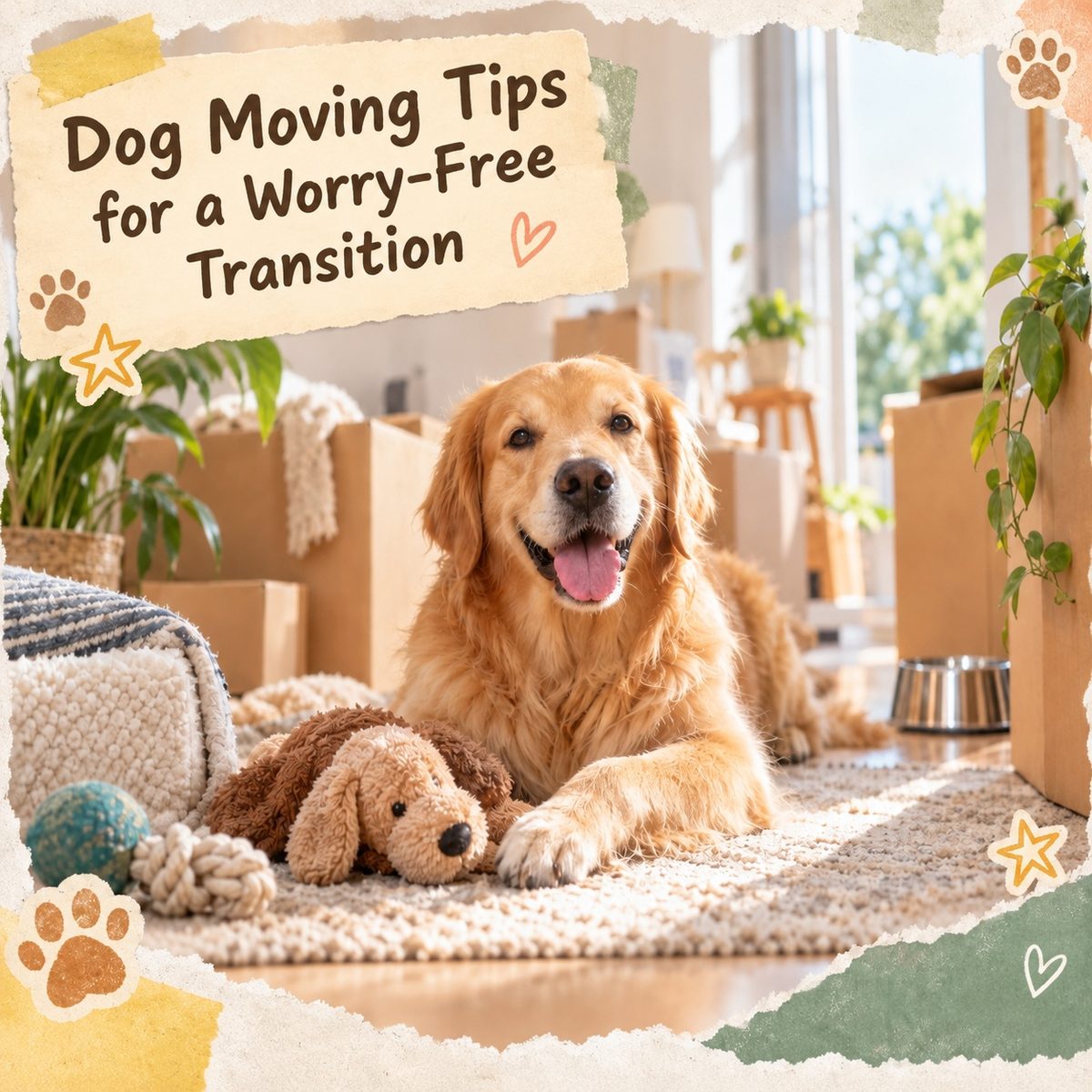
Quick answer: As long as you stay calm and happy, follow the three steps: move the dog's belongings first, then take the dog on a tour, and give a big reward immediately upon entering. Hong Kong dogs can recognize the new home as safe territory in as little as three days.
Moving is a big life event, and for dogs, it's an even bigger challenge. You might be busy and chaotic, but your furry friend is looking at you with anxious eyes, waiting for a reassuring signal. The good news is that with the right approach, dogs adapt to new environments faster than you might think. Renowned Taiwanese animal behaviorist Dai Gengji points out: "Dogs are animals that react based on their owner's behavior, not the environment." As long as you adapt well and show happiness, your dog will naturally follow suit.
Why do dogs get anxious when moving?
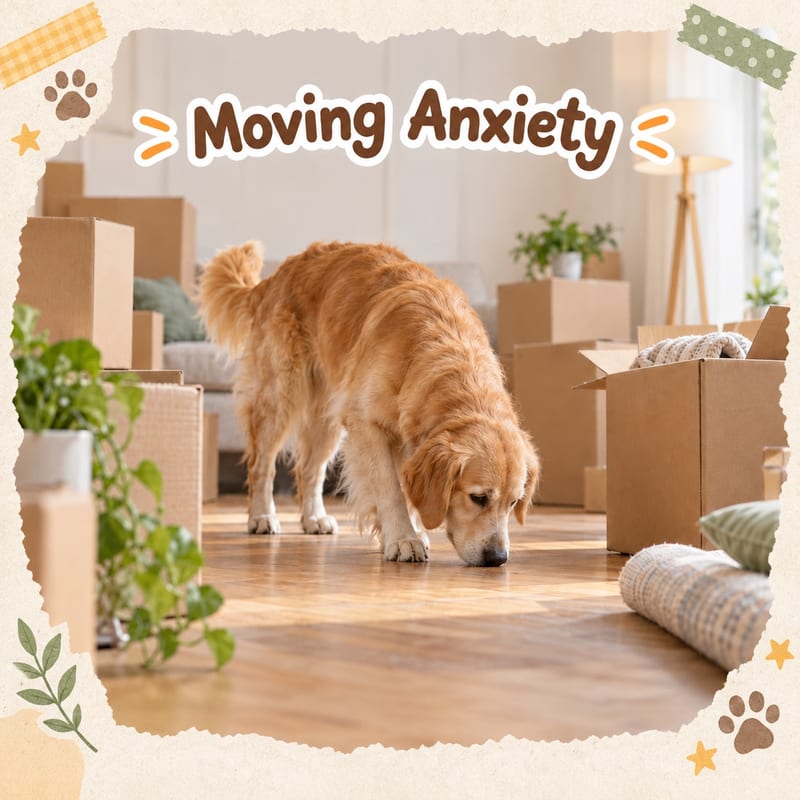
A dog's world is built on scent and security. Their sense of smell is 10,000 to 100,000 times more sensitive than humans, and every corner's scent is their "map." After moving, all familiar scents suddenly disappear, replaced by a completely unfamiliar environment. Research shows that dogs can perceive emotions through their owner's hormonal changes—when you're stressed from moving, stress hormones seep from your pores, and your dog can smell how your day is going. So, your anxiety directly infects your furry friend.
12 tips for adapting to a move
Here are 12 practical methods recommended by Dai Gengji, divided into three stages: before moving, moving day, and after moving:
Before moving
① Bring items from the new home back to the old home so your dog gets used to the new home's "scent" in advance. If the new home is empty, you can take your old clothes to wipe the floors and walls of the new home, leave them for a day or two, then bring them back and place them next to your dog's bed.
② Take a towel or blanket your dog has slept on to the new home and rub it on the floor at the entrance, living room, and bedroom to leave your dog's scent in the new home.
③ If the new home isn't finished, take your dog for walks there regularly—don't just carry them; let them walk on the ground.
④ Walk your dog near the new home and let them urinate and defecate to mark their territory, so they won't feel unfamiliar.
⑤ Before moving, move your dog's crate, bed, and supplies into the new home first—in other words, move the dog's home first.
⑥ Starting a week before the move, be distant with your dog, and only become enthusiastic when taking them to the new home.
Moving day
⑦ If you can't visit the new home in advance (e.g., rental), still be distant the week before, and be very enthusiastic on moving day.
⑧ After your dog enters the new home, make sure to feed them their favorite food there.
After moving
⑨ Take your dog around the new home to look and sniff, and praise them.
⑩ For the first few days after moving, play games with your dog every day—not just throwing a toy for them to play alone, but playing together.
⑪ For the first few days, act indifferent when taking your dog out, and become very enthusiastic when entering the new home.
⑫ A dog's adaptability depends on the depth of their bond with the owner, not the environment itself.
| Stage | Key action | Purpose |
|---|---|---|
| Before moving | Wipe new home with old clothes, walk dog to leave scent | Pre-implant familiar scents |
| Moving day | Feed favorite food upon entering | Create "new home = good things" impression |
| After moving | Daily play, indifferent outside, enthusiastic inside | Strengthen owner-new home safety bond |
How to tell if your dog is not adjusting well?
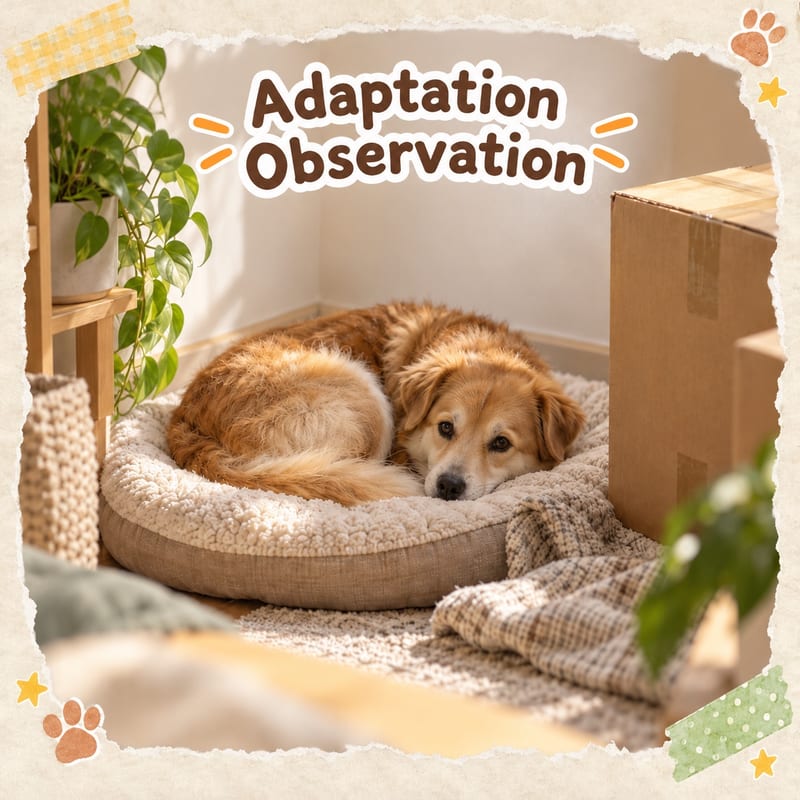
If your dog shows the following symptoms, they may be having difficulty adapting: refusing food for over 48 hours, constantly licking a specific body part, repeated house soiling in the new home, excessive barking or whining, aggression, or extreme withdrawal. In these cases, consult a veterinarian or animal behaviorist.
Practical checklist for small Hong Kong flats: works even in tiny spaces
Hong Kong homes are small with poor air circulation, so scents linger longer—which actually helps dogs navigate by smell. In practice, cut your dog's used towel into small pieces and gently wipe every corner, windowsill, and doorway of the new home; within a day, it will be filled with "territory scent." If you live in a walk-up building without an elevator, inform the building manager in advance and arrange moving during off-peak hours to reduce strangers and noise; your dog can stay temporarily at a pet shop or friend's home, then be picked up by car after the move to avoid being stuck among boxes.
Open kitchens need special attention: before cooking, use a baby gate or pen to create a "dog zone" to prevent them from eating seasonings or getting burned. If the unit has a balcony, place your dog's usual pee pads or grass to maintain toilet habits; but check the railing height first to avoid jumping risks. At night, if hearing the neighbor's door makes your dog bark, play soft music or turn on the exhaust fan to create white noise to cover hallway footsteps.
Finally, Hong Kong has many veterinary clinics. If your dog refuses food for over 48 hours after moving, or shows constant paw licking or diarrhea, you can go directly to a 24-hour emergency clinic; there are several night clinics in Mong Kok and Prince Edward, within a 15-minute drive, so you don't have to wait until the next day.
Related product recommendations
New pet owners need to prepare basic equipment and food all at once. Here are related products available at PetChill:
- Pet Promise Pet Pee Pads Dog Urine Pads Lightweight Thickened [60x90 XL 20pcs] - Limited Offer (Pet Promise) — Skin and coat care
- Fujiichi Freeze-Dried Treats Dehydrated Salmon Cubes Vacuum Pack 800g (Cat & Dog) (Fujiichi) — Freeze-drying locks in nutrients
Want more: Pet Promise Brand Guide
Product prices and latest offers are subject to the product page; this article is for reference only.
Further reading
Hong Kong practical: 48-hour observation chart + when to rush to emergency
The first two days after moving are crucial. Use this simple checklist every four hours—no long writing, just tick boxes.
| Time | Eating? | Drinking? | Normal toilet? | Excessive licking/barking? | Owner mood self-rating |
|---|---|---|---|---|---|
| Day 1 morning | ✅/❌ | ✅/❌ | ✅/❌ | ✅/❌ | 😊/😐/😰 |
| Day 1 evening | … | … | … | … | … |
| Day 2 morning | … | … | … | … | … |
How to interpret:
- If two consecutive boxes are "❌" for eating/drinking, prepare to see a veterinarian immediately.
- If "excessive licking/barking" is ✅ for three consecutive boxes, stress hasn't subsided. Try the white noise and play methods from the article and observe for another 12 hours; if no improvement, book a daytime clinic.
- If your self-rating is consistently 😰, your dog will definitely sense it. Take three deep breaths first, then tell your furry friend "We're safe"—often more effective than constant soothing.
Hong Kong vet quick reference:
- 24-hour emergency: Available in Kowloon City, Mong Kok, and Prince Edward areas. Search "24-hour vet" on Google Maps.
- Daytime clinic: Before moving, bookmark two nearby clinics—one primary, one backup—to avoid last-minute rushes.
- Transport: Call Van or Uber Pet is most convenient. Remember to bring a towel and your dog's most familiar toy to continue scent soothing during the ride.
Remember, the chart's purpose is not to create panic but to help you and your dog transition with the simplest method. Fill it once a day, and you'll find your dog quickly starts eating again and sleeping soundly—and you'll relax too.
Hong Kong tiny flat practical: scent layout + emergency route map
Hong Kong's small living spaces actually make scents linger longer, helping dogs navigate by smell. Steps:
- Scent layout: Cut your dog's used towel into 10×10 cm pieces and gently wipe every corner, windowsill, doorway, and bed leg of the new home; within a day, it will be filled with "territory scent."
- Walk-up building moving: Inform the building manager in advance and arrange moving during off-peak hours to reduce strangers and noise; your dog can stay temporarily at a pet shop or friend's home, then be picked up by car after the move.
- Open kitchen: Before cooking, use a baby gate or pen to create a "dog zone" to prevent eating seasonings or burns.
- Balcony safety: If the unit has a balcony, place your dog's usual pee pads or grass to maintain toilet habits; check railing height first to avoid jumping risks.
- White noise: At night, if hearing the neighbor's door makes your dog bark, play soft music or turn on the exhaust fan to create white noise to cover hallway footsteps.
Emergency route:
- 24-hour emergency: Available in Kowloon City, Mong Kok, and Prince Edward areas. Search "24-hour vet" on Google Maps.
- Daytime clinic: Before moving, bookmark two nearby clinics—one primary, one backup.
- Transport: Call Van or Uber Pet is most convenient. Remember to bring a towel and your dog's most familiar toy to continue scent soothing during the ride.
📌 Key takeaways
- ✅ Move the dog bed and toys first, let scent settle first
- ✅ Feed favorite treats immediately in the new home for positive association
- ❌ Your own tension directly makes your dog more anxious
- ✅ Daily play interaction strengthens security
- ❌ Refusing food for 48 hours or excessive licking requires a vet visit
 Pet Promise full guide →


 Fuji One full guide →


 Fuji Cat full guide →