
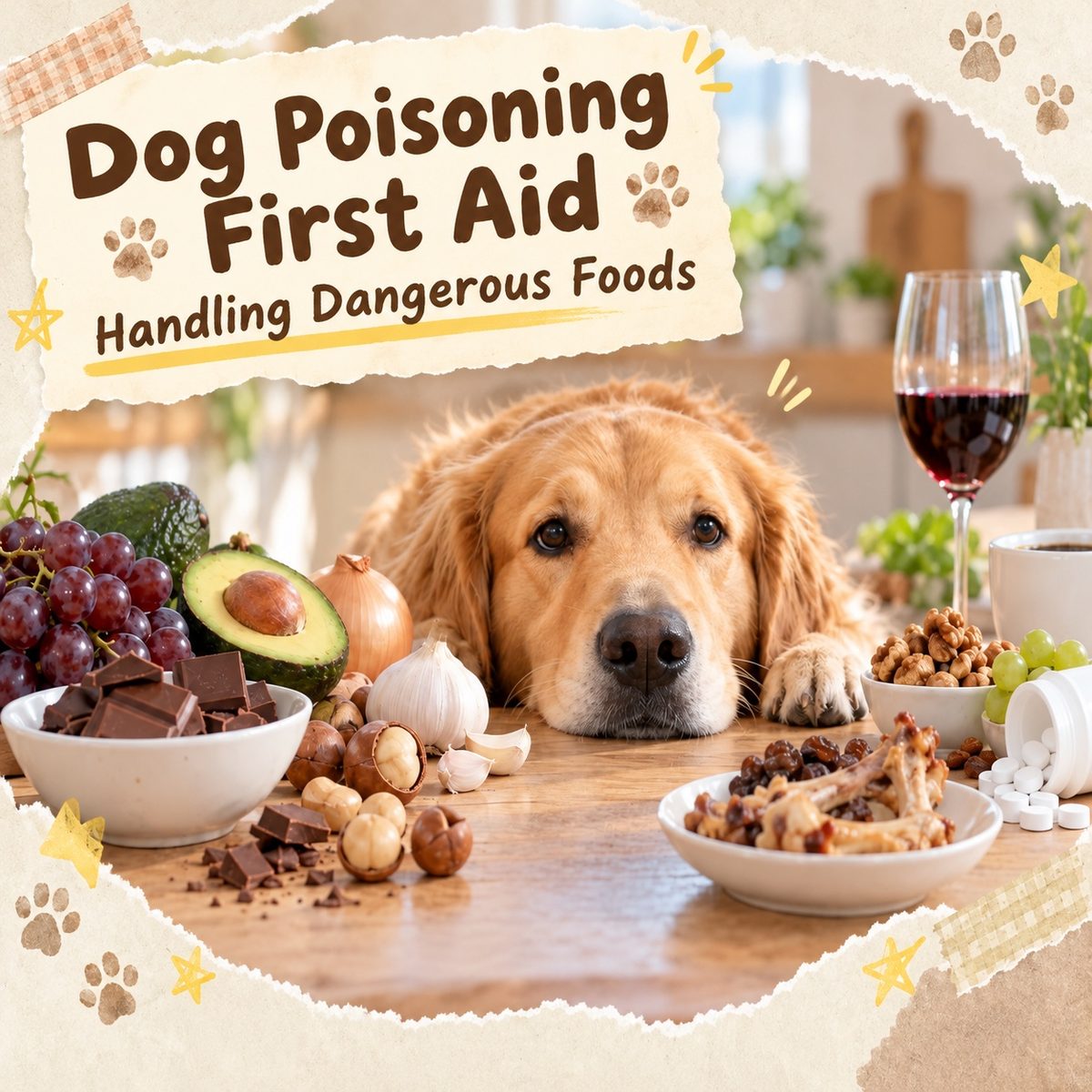
Quick answer: Dogs absolutely must not eat chocolate, grapes, onions, xylitol, alcohol, macadamia nuts, sharp bones, high-salt/high-spice foods, fried foods, or leftovers of unknown origin. If accidental ingestion occurs, immediately stop feeding, record the food type, amount, time, and your dog's weight, then contact a veterinarian right away. Never induce vomiting yourself.
10 Dangerous Foods Dogs Can't Eat | 3 Emergency Steps to Protect Your Furry Kid After Poisoning
Have you ever been eating and your dog gives you those innocent eyes, making you want to share a bite? Hold on! Many everyday human foods can be fatal poison to dogs. According to veterinary statistics, the number of dogs seeking treatment for accidental poisoning continues to rise each year, and most accidents can be prevented with proper precautions. Today we've compiled the top 10 dangerous foods dogs must never touch, plus the golden emergency steps after accidental ingestion, to keep your furry kid safe.
Top 10 Forbidden Foods for Dogs
1. Chocolate
Chocolate contains theobromine, which dogs metabolize very slowly, easily leading to vomiting, diarrhea, rapid heartbeat, and even death in severe cases. The darker the chocolate, the higher the theobromine content and the greater the danger. Baking chocolate and dark chocolate are the most toxic; white chocolate has lower content but is still not recommended.
2. Grapes and Raisins
Grapes and raisins can cause acute kidney failure in dogs, even in small amounts. The exact toxic component is not yet fully confirmed by the medical community, but clinical evidence shows that ingestion of about 10-15 grams of grapes per kilogram of body weight may cause poisoning symptoms.
3. Onions and Garlic
Onions, garlic, chives, and other allium plants contain sulfur compounds that destroy dogs' red blood cells, causing hemolytic anemia. The toxicity remains whether raw, cooked, or powdered. Be especially careful during daily cooking; do not share food containing onions with dogs.
4. Xylitol
Xylitol is commonly found in sugar-free gum, toothpaste, some peanut butters, and baked goods. Ingestion by dogs can cause severe symptoms such as rapid blood sugar drop and liver failure. A dose of just 0.1 g/kg body weight can cause hypoglycemia, and 1 g/kg body weight can be fatal.
5. Alcohol and Caffeine
Alcohol and caffeine are toxic to dogs' nervous systems; even small amounts can cause vomiting, diarrhea, difficulty breathing, and in severe cases coma or death. Caffeinated drinks include coffee, tea, energy drinks, etc., and must be stored properly.
6. Macadamia Nuts
Macadamia nuts can cause muscle tremors, vomiting, fever, and hind limb weakness in dogs. Symptoms usually appear within 12 hours after ingestion and last about 48 hours. Although most cases are not fatal, they make dogs very uncomfortable.
7. Chicken, Duck, and Fish Bones
Cooked small sharp bones easily splinter and can puncture the digestive tract, causing perforation of the esophagus, stomach, or intestines. If you want to feed bones, choose raw large beef bones that do not splinter easily, and supervise closely.
8. High-Salt and High-Spice Foods
Human seasoned foods are too high in salt and spice for dogs. Long-term intake increases kidney burden, irritates the digestive tract, and can even cause sodium ion poisoning. Chips, spicy snacks, braised foods, etc. are not suitable for dogs.
9. Fried Foods
High-fat foods easily trigger pancreatitis in dogs, with symptoms including severe abdominal pain, vomiting, and diarrhea. Severe pancreatitis can be life-threatening. Feed a light diet and avoid high-fat foods.
10. Snacks of Unknown Origin and Leftovers
Snacks with unknown ingredients and human leftovers may contain various harmful additives, preservatives, or the dangerous ingredients mentioned above. For your dog's health, choose reputable pet-specific foods.
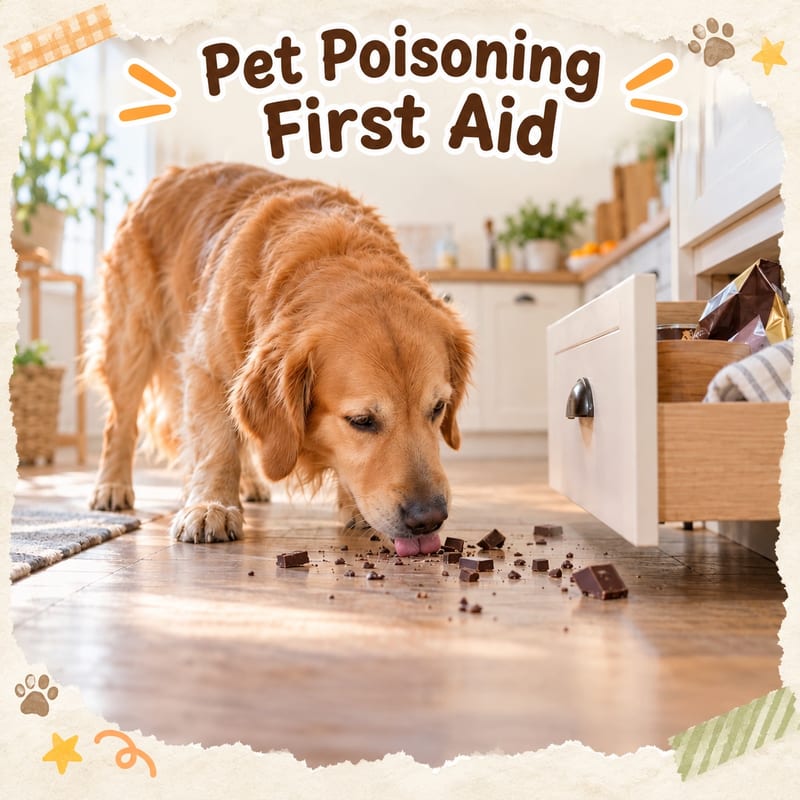 3 Emergency Steps for Accidental Poisoning
Even with precautions, accidents can happen. If you find your dog has ingested dangerous food, immediately follow these 3 steps:
Step 1: Stop Feeding Immediately
As soon as you discover your dog has eaten something it shouldn't, remove the food and ensure it stops eating. Stay calm and don't panic.
Step 2: Record Key Information
Note the following information to provide to the vet: what food was eaten, approximately how much, when it was eaten, and your dog's weight. This information is crucial for the vet to assess toxicity and decide on treatment.
Step 3: Contact a Veterinarian ASAP
Take your dog to the nearest animal hospital immediately, or call a vet hotline for help. Never induce vomiting yourself or feed home remedies; incorrect handling can worsen the situation.
 Daily Prevention Tips
Prevention is always better than helps manage. These simple habits can greatly reduce the risk of accidental ingestion:
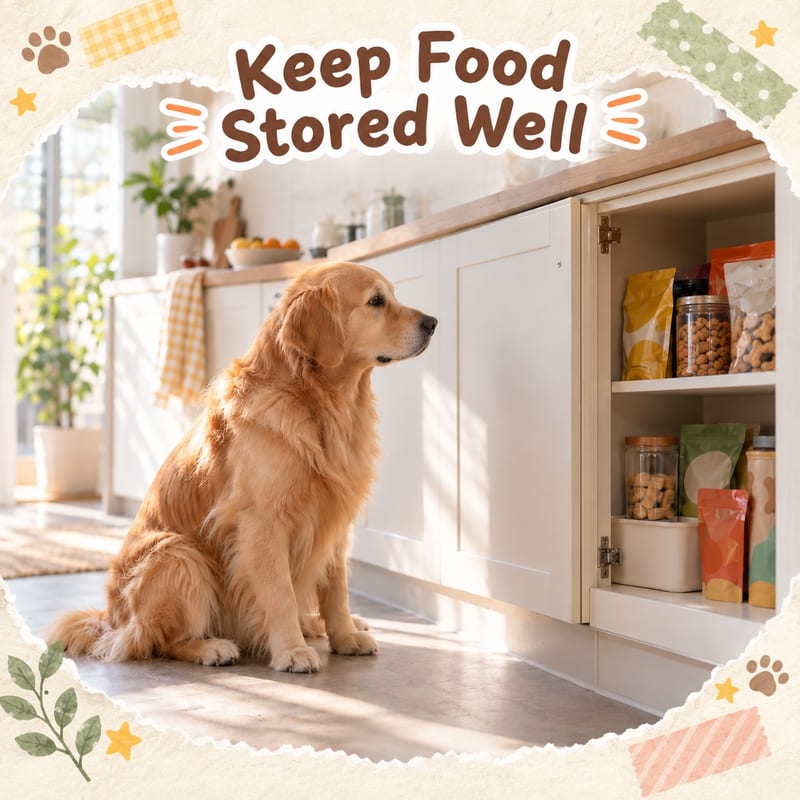
- Store dangerous foods out of reach, using sealed containers.
- Educate all family members, including children, not to feed dogs human food casually.
- When walking, watch for food scraps on the ground and train your dog the 'leave it' command.
- Regularly check your snack cabinet and trash can to ensure your dog has no chance to steal food.
- Prepare a 'dog safe food list' and stick it next to the fridge for the whole family to refer to.
FAQ
Q: What should I do if my dog ate a small piece of chocolate?
A: Even a small amount of chocolate should not be ignored. Depending on the type of chocolate and your dog's weight, call your veterinarian immediately. Dark chocolate or baking chocolate is more toxic and requires urgent medical attention. Record how much was eaten and when to help the vet assess.
Q: Can dogs eat raw eggs?
A: Raw eggs may contain Salmonella, and the avidin in raw egg white affects vitamin B7 absorption. It is best to cook eggs before feeding, with half to one egg per serving.
Q: How can I train my dog not to eat things off the ground?
A: Start with the basic 'Leave it' command. Practice with low-value items first, then reward with high-value treats. Practice 5-10 minutes daily; noticeable results in about 2-4 weeks. Use a short leash during walks for better control.
Q: How long after eating grapes do symptoms appear in dogs?
A: Grape poisoning symptoms usually appear within 6-12 hours after ingestion, including vomiting, diarrhea, and loss of appetite. Signs of kidney failure may not be obvious until 24-72 hours later. So even if there are no immediate symptoms, seek veterinary care as soon as possible.
Q: Are there safe human foods I can give my dog?
A: Yes. Cooked skinless chicken breast, carrots, pumpkin, blueberries, and apples (without seeds) are safe choices. But feed in moderation; treats should not exceed 10% of daily total intake.
PetChill's Reminder: What humans can eat does not mean dogs can eat. Storing dangerous foods properly is more important than rushing afterwards. If you have any questions about your dog's diet, consult your veterinarian to create the most suitable feeding plan for your furry kid.
Hong Kong Small Apartment Practical Guide: Poison-Proof Storage + Emergency Route Map
Hong Kong homes are small, and dogs have limited space. A moment of inattention and they'll steal food. Here are practical tips tailored for Hong Kong residents to implement the article's advice.
1. Kitchen Storage 'Three Lines of Defense'
- First line: Immediately put dangerous foods into sealed plastic boxes and place on top of high cabinets. If no high cabinet in a small flat, use wall-mounted hanging baskets at least 1.5 meters off the ground.
- Second line: Stick a 'dog safe food list' and '10 forbidden foods' in Chinese and English on the fridge door for domestic helpers or family members to see at a glance.
- Third line: Use a step-on trash can with a lid and a safety lock. Tie the garbage bag securely each time you take out the trash to prevent your dog from rummaging at night.
2. Outdoor Anti-Scavenging Training Hong Kong streets often have dropped fish balls, siu mai, and spicy strips. Before going out, use a short leash (within 1.2 meters) and give the 'Leave it' command in advance when passing cha chaan teng entrances or back alleys. Bring homemade low-salt chicken breast pieces as rewards during practice, so your dog focuses on you rather than the ground.
3. 24-Hour Emergency Route Map In case of accidental ingestion, you can find a vet even at midnight:
- Hong Kong Island: 24-hour emergency centers in Happy Valley and Sai Wan Ho; about 15-20 minutes by taxi.
- Kowloon: Overnight emergency clinics in Mong Kok and Prince Edward; 5-8 minutes' walk from MTR stations.
- New Territories: Night clinics also in Tai Wai and Tseung Kwan O; save addresses and phone numbers in your phone contacts in advance.
4. Prepare a 'Dog Medical Quick-Access Pack' Use a clear ziplock bag to hold: photocopy of vaccination card, list of regular medications, recent photo of your dog, weight record. In an emergency, grab and go without wasting time searching for documents at home.
Remember: Hong Kong is fast-paced. With all precautions in place, you can truly Chill while raising a dog.
| Dangerous Food | Main Toxic Component | Common Symptoms | Emergency Key |
|---|---|---|---|
| Chocolate | Theobromine | Vomiting, rapid heartbeat | Record type and amount |
| Grapes/Raisins | Unclear | Acute kidney failure | Seek vet within 6-12 hours |
| Onions/Garlic | Sulfur compounds | Hemolytic anemia | Toxic in any form |
| Xylitol | Xylitol | Hypoglycemia, liver failure | 0.1 g/kg already dangerous |
| Alcohol/Caffeine | Ethanol/Caffeine | Neurotoxicity, difficulty breathing | Take to hospital immediately |
| Macadamia Nuts | Unclear | Muscle tremors, hind limb weakness | Onset within 12 hours |
| Sharp Bones | Sharp fragments | Digestive tract perforation | Do not feed cooked small bones |
| High-Salt/Spicy | Excess sodium/capsaicin | Kidney burden, gastrointestinal irritation | Avoid human snacks |
| Fried Foods | High fat | Pancreatitis | Mainly light diet |
| Leftovers of Unknown Origin | Unknown additives | Multiple risks | Feed only pet food |