
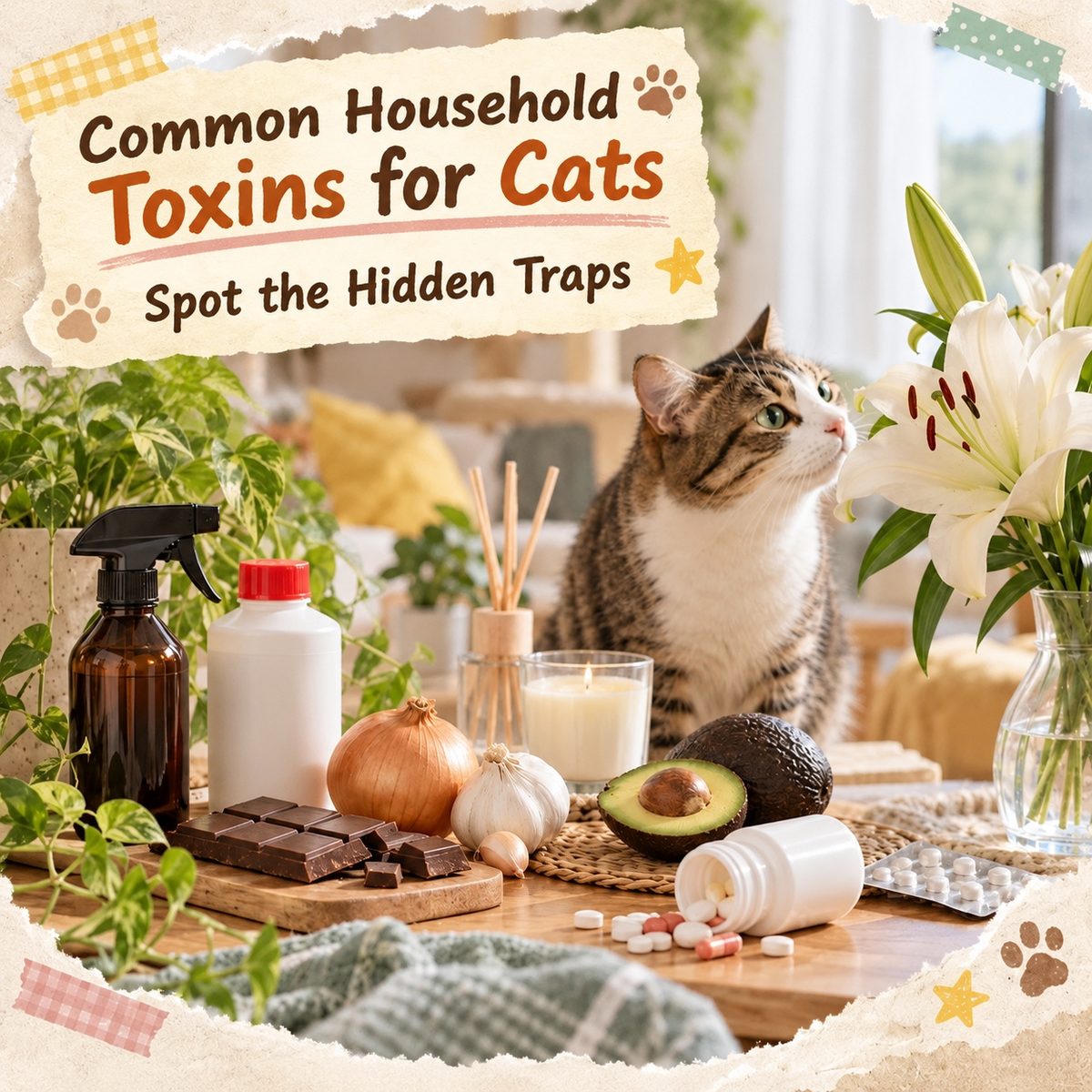
Quick Answer: Lilies are the number one killer of cats. The entire plant, including pollen and vase water, can cause acute kidney failure. If not taken to the vet within 6 hours, the prognosis is extremely poor. Cat owners should completely avoid placing any plants from the lily family in their homes.
Did you know? Many things that are safe and harmless to humans can be deadly poisons for cats. Every year, animal hospitals receive numerous cases of cat poisoning, most of which are preventable. PetChill has compiled a list of the 10 most common household toxins for cats that pet owners must read carefully.
🚨 1st Place: Lilies (Most Deadly!)
Danger Level: ★★★★★
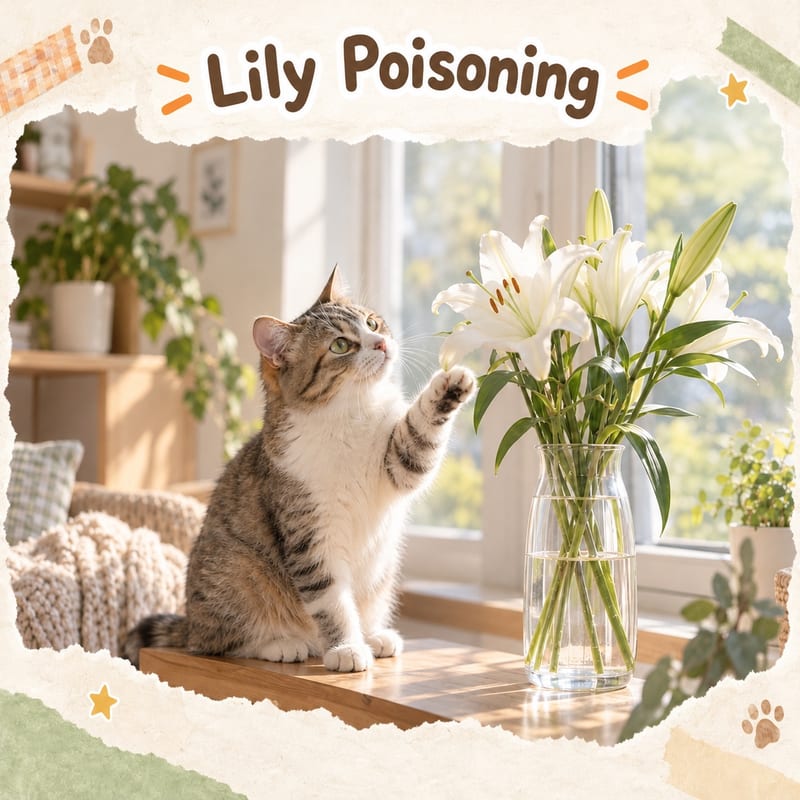
Lilies are known as the "number one killer" of cats. The entire plant—including petals, leaves, pollen, and even the water in the vase—is highly toxic to cats. Even if a cat merely licks pollen off its fur and ingests it while grooming, it can lead to acute kidney failure.
Symptoms of Poisoning: Vomiting, loss of appetite, lethargy; may progress to kidney failure within 48-72 hours.
Important Reminder: If you suspect your cat has come into contact with lilies, seek emergency veterinary care within 6 hours; prognosis is extremely poor after 18 hours.
All plants in the lily (Lilium) and daylily (Hemerocallis) families are toxic to cats, including:
- Oriental lily, Asian lily
- Easter lily
- Tiger lily
- Daylily (Hemerocallis)
PetChill Recommendation: If you have cats, absolutely do not keep any lilies. When giving flowers to friends with cats, please actively avoid lilies.
🚨 2nd Place: Human Medications
Danger Level: ★★★★★
- Paracetamol (Acetaminophen): Highly toxic to cats; one pill can be fatal.
- Ibuprofen and other anti-inflammatory drugs: Can cause kidney failure and gastrointestinal bleeding in cats.
- Antidepressants: Even small amounts can cause severe poisoning.
Important: Never give your cat human medications without a veterinarian's prescription.
🚨 3rd Place: Essential Oils and Fragrance Products
Danger Level: ★★★★☆
Cats lack the liver enzymes (glucuronyl transferase) needed to metabolize certain compounds in essential oils, leading to accumulation in their bodies. Particularly dangerous essential oils include:
- Tea tree oil (most toxic)
- Lavender oil
- Eucalyptus oil
- Peppermint oil
- Citrus oils
Note: Diffusers, scented candles, and cleaning products containing essential oils can pose risks.
🚨 4th Place: Insecticides and Pyrethrins
Danger Level: ★★★★☆
- Pyrethrins (Permethrin): Safe for dogs but deadly for cats! Commonly found in dog flea products.
- Cockroach and ant poisons: Cats may lick or come into contact with these.
- Rodenticides: High risk of secondary poisoning.
🚨 5th Place: Chocolate and Caffeine
Danger Level: ★★★☆☆
Chocolate contains theobromine, and caffeine is also a methylxanthine. Cats metabolize these substances much slower than humans, which can lead to arrhythmias, vomiting, and seizures.
🚨 6th Place: Grapes and Raisins
Danger Level: ★★★☆☆
Although more common in dogs, grapes and raisins can also cause acute kidney failure in cats. The specific toxic component is still unclear, but it is safest to avoid them entirely.
🚨 7th Place: Onions, Garlic, and Chives
Danger Level: ★★★☆☆
These contain thiosulfate, which can damage red blood cells in cats, leading to hemolytic anemia. Raw, cooked, and powdered forms are toxic, and long-term small amounts can also cause chronic anemia.
🚨 8th Place: Cleaning Products
Danger Level: ★★★☆☆
- Bleach: If a cat walks on a floor with bleach and then grooms itself, it may become poisoned.
- Fabric softeners: Contain cationic surfactants.
- Toilet bowl cleaners: Open toilets pose a potential risk to curious cats.
🚨 9th Place: Human Foods
Danger Level: ★★☆☆☆
- Alcohol: Even small amounts can be fatal.
- Raw eggs, raw meat: Risk of Salmonella.
- Milk: Most adult cats are lactose intolerant.
- Grapes: Nephrotoxic.
- Xylitol: Common in sugar-free foods.
🚨 10th Place: Certain Plants
Danger Level: ★★☆☆☆
In addition to lilies, the following common plants are also harmful to cats:
- Pothos/philodendron (causes oral irritation)
- Sago palm (seeds are highly toxic and can be fatal)
- Azalea
- Daffodil
- Poinsettia (mildly toxic)
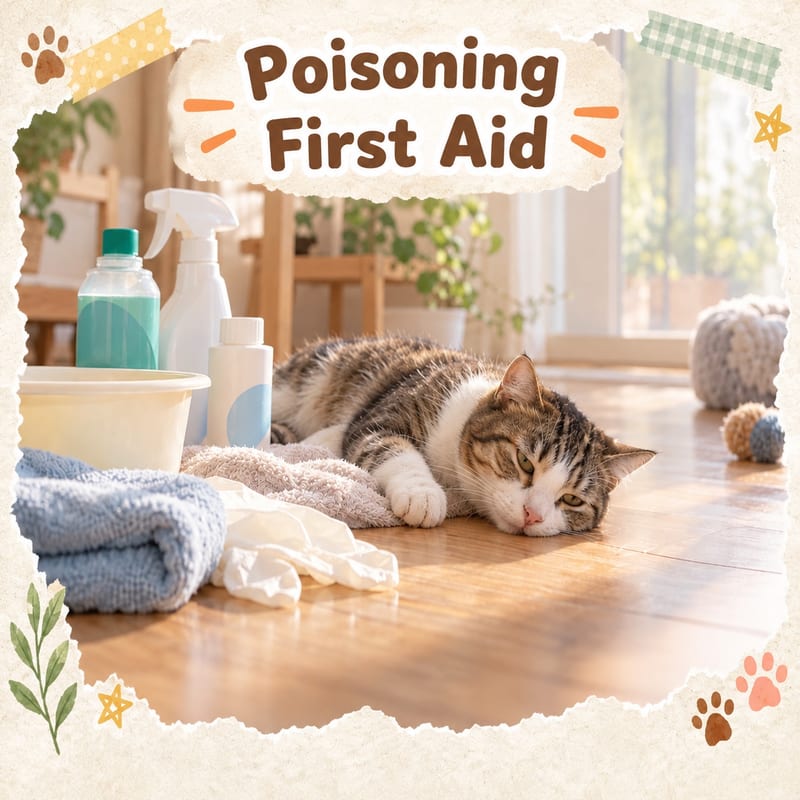
What to Do If You Suspect Cat Poisoning?
- Stay Calm and record the substance and time your cat may have been exposed to.
- Contact a Veterinarian or 24-hour animal emergency service immediately.
- Do Not Induce Vomiting unless instructed by a veterinarian.
- Keep the Packaging of the suspected substance to show the veterinarian.
- Record the Time and Changes in symptoms.
| Toxin Category | Common Examples | Initial Symptoms of Poisoning | Emergency Action |
|---|---|---|---|
| Lilies | Oriental lily, Easter lily, Daylily | Vomiting, loss of appetite, lethargy | Emergency care within 6 hours |
| Human Medications | Paracetamol, Ibuprofen, Antidepressants | Difficulty breathing, vomiting, coma | Contact a veterinarian immediately |
| Essential Oils | Tea tree, Lavender, Eucalyptus, Peppermint | Drooling, unsteady gait, seizures | Stop diffusion, ventilate, seek medical help |
| Insecticides | Dog flea products with Permethrin, Cockroach poison | Tremors, excessive salivation, seizures | Remove source, seek emergency care |
| Foods | Chocolate, Grapes, Onions, Alcohol | Vomiting, diarrhea, weakness | Record intake, seek medical help immediately |
PetChill's Prevention Guidelines
Prevention is always better than cure. Here are our recommendations:
✅ Verify that all plants in your home are not toxic to cats.
✅ Store medications and cleaning products in cabinets out of reach of cats.
✅ Use pet-safe cleaning products.
✅ Do not use essential oil diffusers in areas where cats roam.
✅ Regularly check your home for potential hazardous items.
Protecting your cat's safety is every pet owner's responsibility. Save this article and share it with fellow cat owners!
Practical Tips for Hong Kong: Removing Toxins from Your Home
Living in small spaces in Hong Kong means limited room for cats to roam, which increases the risk of toxins. Here are practical steps for Hong Kong-style living that can be implemented without major renovations.
Kitchen Cabinet Modifications
- Store medications, essential oils, and cleaning products in cabinets with doors, adding child safety locks to prevent cats from opening them.
- Immediately put away bleach and laundry detergent after use; do not leave them under the sink "for later."
Windowsills and Shoe Cabinets
- Many people like to place flowers on windowsills; remember to use the "Hong Kong Toxic Plant Quick Reference" app to scan for lilies and dispose of them immediately.
- Commonly found scented stones or diffusers on top of shoe cabinets should be replaced with cat-safe activated charcoal deodorizer bags.
Keep Bathroom Doors Closed
- Hong Kong bathrooms are small, and toilet cleaner smells can be strong. After flushing, close the toilet lid and hang a "Cats Keep Out" sign on the door handle to remind family members to close the door behind them.
24-Hour Emergency Contact List on the Fridge
- With limited night-time veterinary services in Hong Kong, it's advisable to keep a list of nearby 24-hour emergency contacts on the fridge:
- North Point XX Animal Hospital 24hr 2566 1234
- Kowloon City XX Emergency Center 24hr 2711 5678
- Also, save WhatsApp location for easy sharing with drivers when calling for a ride.
Monthly Cleaning Checklist Every last Sunday of the month, spend five minutes doing a "toxin patrol":
- Open all cabinets and check for any overlooked pills or essential oil bottles.
- Check windowsills, shoe cabinets, and the top of the TV cabinet for any newly placed plants or fragrance products.
- Ensure dog flea medications are stored in high cabinets out of reach of cats.
By developing the habits of "Store, Check, Ask"—storing hazardous items safely, regularly checking for risks, and asking the vet when in doubt—you can ensure your cat's safety even in a 300 sq ft space.
Further Reading
📌 Key Summary
- ✅ All parts of lilies are toxic; pollen on fur can cause issues when groomed.
- ❌ Do not self-medicate with human drugs; one paracetamol can be fatal.
- ✅ Essential oil diffusers, tea tree, lavender, and eucalyptus are all high-risk.
- ❌ Pyrethrins are safe for dogs but deadly for cats; never mix them.
- ✅ If poisoning is suspected, record the time of exposure and contact a veterinarian immediately.
- ❌ Do not induce vomiting unless instructed by a veterinarian.