
🤖 AI Summary
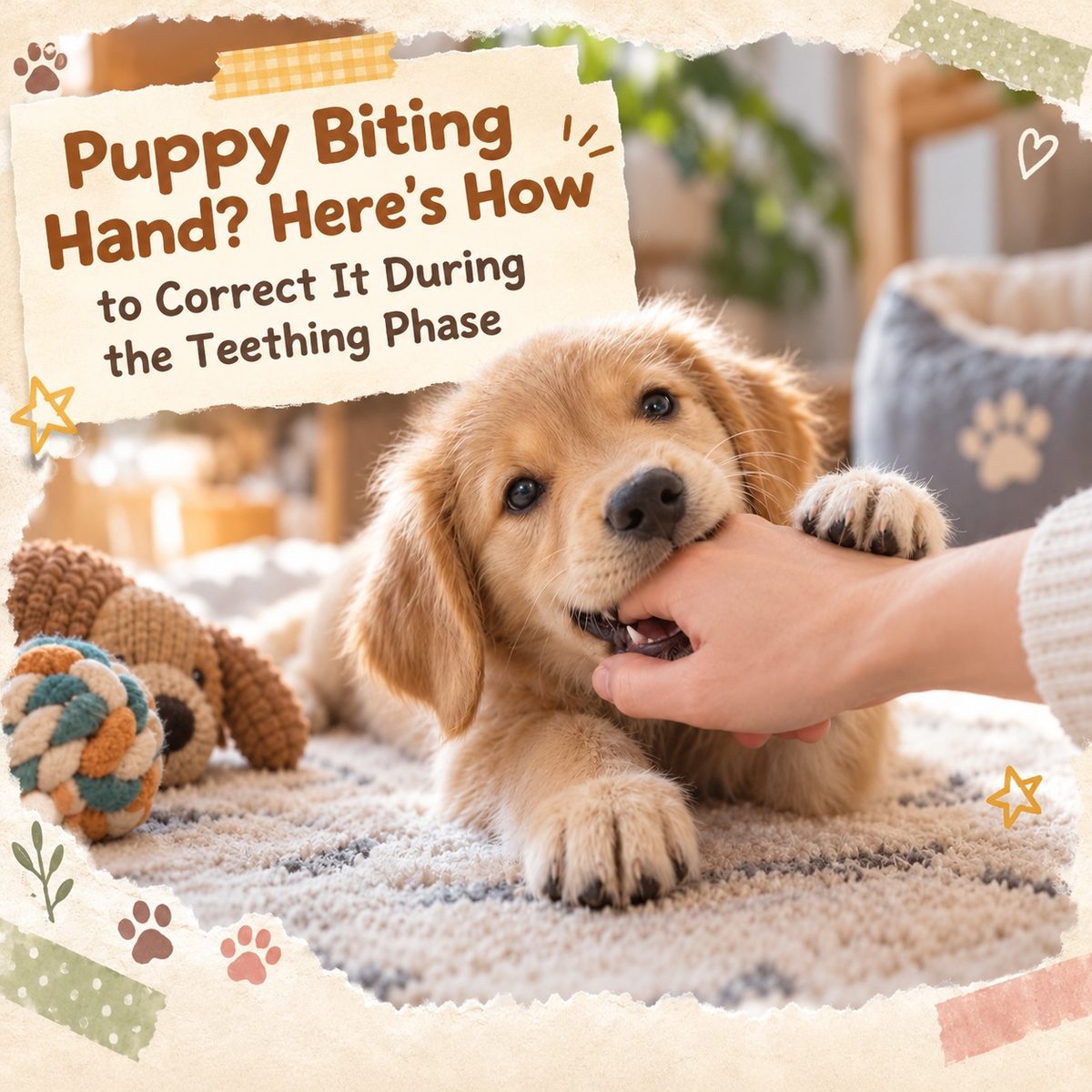
Puppy biting isn't always aggression—it's normal exploratory behaviour plus teething itch. Common reasons: exploring the world, teething itch, play, and attention-seeking. To stop puppy biting, use positive training, provide chew toys, ignore bad behaviour, and reward good behaviour. Never use physical punishment—it makes puppies fearful and distrustful of their owner. Puppy biting usually decreases by 6 to 12 months of age—if biting persists, take your puppy to a veterinarian.
• Puppy biting isn't always aggression—it's normal exploratory behaviour
• Stopping method: positive training + chew toys + ignore bad behaviour + reward good behaviour
• Never use physical punishment—it makes puppies fearful and distrustful of their owner
Quick Answer: Puppy biting isn't always aggression—it's normal exploratory behaviour plus teething itch. Common reasons: exploring the world, teething itch, play, and attention-seeking. To stop puppy biting, use positive training, provide chew toys, ignore bad behaviour, and reward good behaviour. Never use physical punishment—it makes puppies fearful and distrustful of their owner. Puppy biting usually decreases by 6 to 12 months of age—if biting persists, take your puppy to a veterinarian.
Table of Contents
-
Puppy biting isn't always aggression—common reasons for puppy biting
-
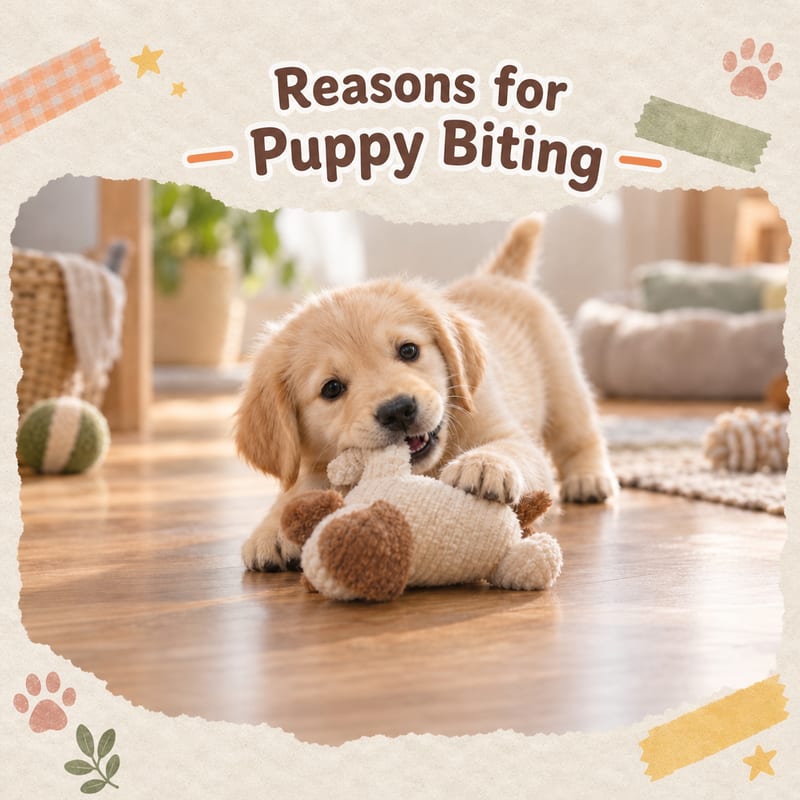
The 4 main reasons for puppy biting
-
Methods to stop puppy biting
-
Key points of positive training
-
Chew toy recommendations
-
FAQ
Puppy biting isn't always aggression—common reasons for puppy biting
Puppy biting isn't always aggression—it's normal exploratory behaviour plus teething itch.
Common reasons for puppy biting:
| Reason | Description | Solution |
|---|---|---|
| Exploring the world | Puppies explore with their mouths—normal exploratory behaviour | Provide chew toys |
| Teething itch | Puppies itch during teething (3 to 6 months old) | Provide chew toys + frozen toys |
| Play | Puppies play with their mouths—normal play behaviour | Teach "no" command + provide toys |
| Attention-seeking | Puppy bites to get attention | Ignore bad behaviour + reward good behaviour |
Note:
- Puppy biting isn't always aggression—it's normal exploratory behaviour
- Puppy biting usually decreases by 6 to 12 months of age
- If biting persists, take your puppy to a veterinarian
The 4 main reasons for puppy biting
Reason 1: Exploring the world
- Puppies explore with their mouths—normal exploratory behaviour
- Puppies bite hands, feet, toys, and furniture
- It's part of learning—they're learning what they can and cannot bite
Reason 2: Teething itch
- Puppies itch during teething (3 to 6 months old)
- Baby teeth fall out and adult teeth grow in
- Teething itch makes puppies want to chew
Reason 3: Play
- Puppies play with their mouths—normal play behaviour
- Puppies play with owners and other dogs
- Biting during play is normal play behaviour
Reason 4: Attention-seeking
- Puppy bites to get attention
- If the owner responds (e.g., yells or pushes away), the puppy learns that biting gets attention
- It's attention-seeking behaviour
Methods to stop puppy biting
Methods to stop puppy biting:
| Method | How to do it | Notes |
|---|---|---|
| Positive training | Teach "no" command + reward good behaviour | No physical punishment |
| Provide chew toys | Provide chew toys—distract | Choose toys suitable for puppies |
| Ignore bad behaviour | Ignore biting—don't respond | Avoid attention-seeking |
| Reward good behaviour | Reward non-biting behaviour—with treats and praise | Positive training |
Steps to stop puppy biting:
| Step | How to do it | Notes |
|---|---|---|
| Step 1: Provide chew toys | Provide chew toys—distract | Choose toys suitable for puppies |
| Step 2: Teach "no" command | When they bite, teach "no" command | Use a gentle voice |
| Step 3: Ignore bad behaviour | Ignore biting—don't respond | Avoid attention-seeking |
| Step 4: Reward good behaviour | Reward non-biting behaviour—with treats and praise | Positive training |
| Step 5: Patience and consistency | Be patient and consistent—stopping puppy biting takes time | Don't give up |
Key points of positive training
Key points of positive training:
| Key point | Method | Notes |
|---|---|---|
| Reward good behaviour | When they don't bite, reward them | With treats and praise |
| Ignore bad behaviour | When they bite, ignore them | Don't respond |
| Teach "no" command | When they bite, teach "no" command | Use a gentle voice |
| Provide chew toys | Provide chew toys—distract | Choose toys suitable for puppies |
| No physical punishment | Don't use physical punishment—it makes puppies fearful | Positive training |
Benefits of positive training:
- Builds trust—puppies trust owners more
- Avoids fear—physical punishment makes puppies fearful
- More effective—puppies respond better to positive training
No physical punishment:
- Physical punishment makes puppies fearful—they won't trust the owner
- Physical punishment makes puppies anxious—they bite more
- Physical punishment is ineffective—positive training is more effective
Chew toy recommendations
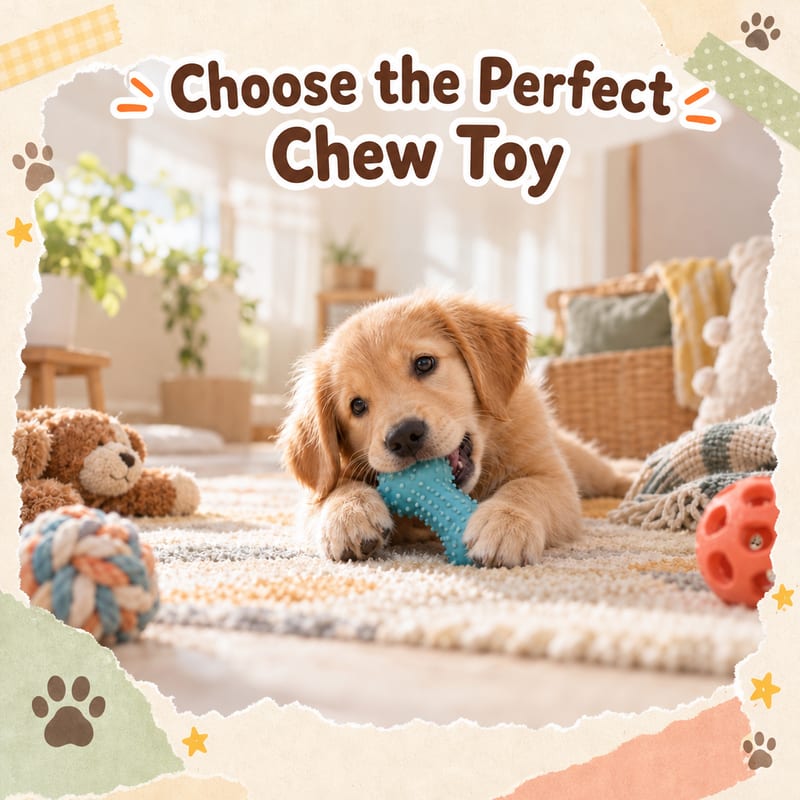
Chew toys suitable for puppies:
| Toy | Features | Recommendation |
|---|---|---|
| Rubber toys | Durable and safe | KONG rubber toys |
| Frozen toys | Freezing soothes teething itch | Frozen carrots + frozen toys |
| Rope toys | Durable and good for tug-of-war | Rope toys |
| Dental toys | Clean teeth and durable | Dental chews + dental toys |
Tips for choosing chew toys:
- Choose toys suitable for puppies—not too hard and not too small
- Avoid dangerous toys—avoid small toys and fragile toys
- Replace regularly—replace toys regularly to avoid bacteria growth
Hong Kong pet shop recommendations:
- PetLine—various styles of chew toys
- PetShop—various styles of chew toys
- Q-Pets—various styles of chew toys
Hong Kong small flat practical guide: how to stop biting fast in a small unit
1. Space planning: use a "safe corner" instead of a large pen
Hong Kong units are small, so a pen may not fit. You can lay anti-slip mats in a corner of the living room and surround it with a U-shaped low bookshelf to create a puppy play area. Place a chew toy box on top of the shelf for easy access, reducing the chance of them seeking your hands to bite.
2. Schedule: suitable for 9-to-5 office workers
- Before leaving in the morning: prepare 2 frozen KONGs and place them on top of the toy box so they have something to chew as soon as they wake up.
- When you get home from work: immediately have a five-minute "interactive play"—tug-of-war with a rope toy to satisfy their urge to bite and burn energy.
- Before bed: frozen carrot sticks + soft praise to help them calm down and settle.
3. Family consistency: one "no" goes a long way
Tell your family that no matter who gets bitten, everyone uses a gentle voice to say "no", then immediately stops all interaction and leaves the scene for 30 seconds. Consistency is key—don't let anyone soften and continue playing, or all previous efforts are wasted.
4. When to see a vet?
If you've followed the above steps but your puppy is still biting intensely every day at 8 months old, or even breaking skin, book a vet check for teeth alignment or behavioural issues. In Hong Kong, a general consultation fee usually includes a preliminary oral examination; remember to bring toys and videos to help the vet assess.
5. Tip: practice in the lift lobby
In Hong Kong, living upstairs means taking the lift, and waiting for the lift is when they're most likely to bite your trouser legs. Keep a small rope toy in your bag and pull it out as soon as the door opens to redirect attention—even ten seconds is a training opportunity.
Further reading
📌 Key summary
- ✅ Puppy biting is exploration + teething itch, not aggression
- ✅ Positive training + chew toys + ignoring bad behaviour is most effective
- ✅ Reward non-biting to build trust
- ❌ Physical punishment only makes dogs more fearful and bite more
- ❌ Yelling or pushing away = rewarding biting