
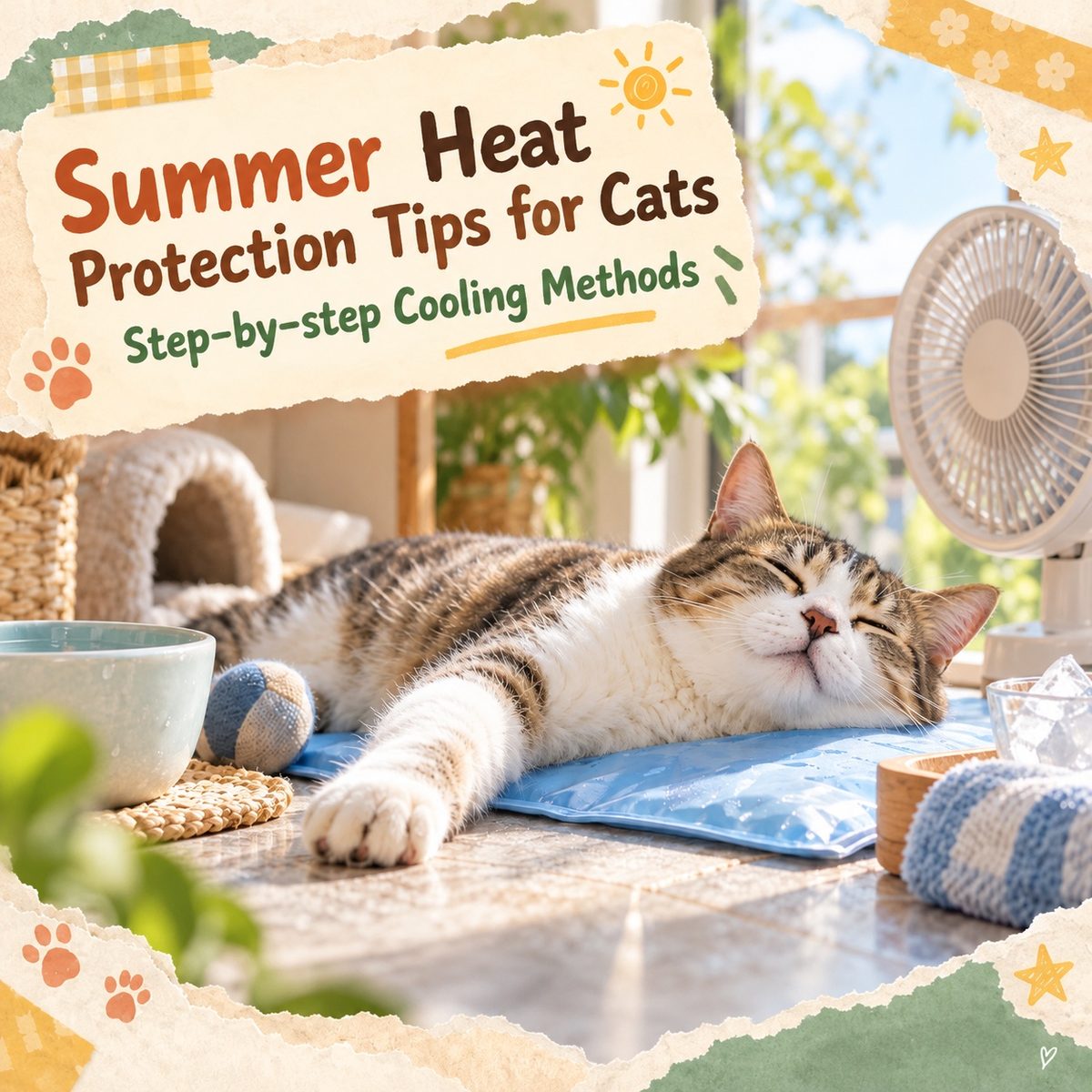
Quick answer: Once a cat's body temperature exceeds 40°C, it is dangerous. To get through summer safely, just follow five tips—multiple water sources, cool corners, avoid playing at midday, ice toys, and trimming paw fur—and avoid the three fatal mistakes of leaving cats in cars, pouring ice water directly on them, and setting the air-conditioning too low. This will keep heatstroke at bay.
Every summer, people remind us to watch out for heatstroke in dogs, but few pay attention to cooling cats. In fact, cats can also get heatstroke, and the consequences are just as serious. A cat's normal body temperature is 38-39.2°C; once it exceeds 40°C, it enters the danger zone, and above 41.5°C it can cause organ damage or even death.
PetChill has put together a complete summer care guide for cat owners, so your cat can stay cool and safe through the hot summer.
How Cats Cool Down
Unlike humans, cats have almost no sweat glands (only a small number on their paw pads). Their cooling methods mainly include:
-
Panting: Open-mouth breathing to cool down through evaporation (but far less efficient than humans)
-
Grooming: Saliva evaporation carries away heat—this is why cats groom more often in summer
-
Behavioural adjustment: Seeking shade, reducing activity, stretching out to increase cooling surface area
-
Vasodilation: Blood vessels in the ears and paw pads dilate to help dissipate heat
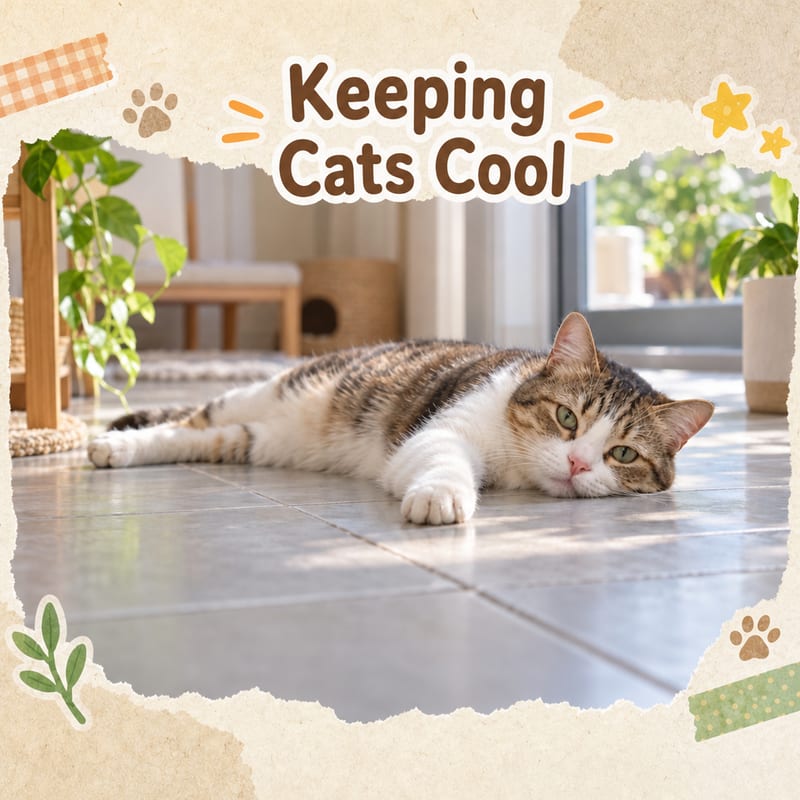
5 Effective Cooling Tips
1. Provide multiple water sources
Cats need more water in summer. Place 3-5 water bowls in different locations around the home, or use a flowing water fountain to encourage drinking. Some cats prefer running water, so a fountain is a good investment.
PetChill's Reminder: Change the water at least twice a day; bacteria grow easily in summer.
2. Create cool corners
- Place ice mats or cooling mats where your cat likes to rest
- Put a damp towel on tiled floor areas so your cat can lie down as it chooses
- Use fans to improve air circulation (but do not blow directly on the cat)
3. Adjust activity times
- Avoid playing with wand toys at midday
- Interact in the cooler early morning or evening
- In summer, reduce play intensity and duration appropriately
4. Ice toys
- Add catnip or small dried fish to an ice cube tray to make "cat ice cubes"
- Put ice cubes in water bowls to keep the water cool
- Wrap a frozen plastic bottle in a towel for your cat to lean against
5. Trim paw fur (not full-body shaving)
Moderately trim the fur between the paw pads to help your cat dissipate heat more effectively through the pads. But never shave the whole body—a cat's fur insulates and protects against sunburn; shaving completely may cause sunburn and impaired temperature regulation.
| Cooling method | Correct approach | Common mistake |
|---|---|---|
| Water sources | 3-5 water bowls / flowing fountain, change water twice daily | Only one bowl, water quality deteriorates |
| Ice toys | Catnip ice cubes, frozen towel-wrapped bottles | Putting ice directly on skin, causing frostbite |
| Trimming fur | Trim only between paw pads to help pads dissipate heat | Shaving whole body, losing insulation and sun protection |
| Air-conditioning | 25-27°C with dehumidifier, keep air circulating | Long-term low temperature and direct blowing, large indoor-outdoor temperature difference |
❌ 3 Fatal Mistakes
Mistake 1: Leaving a cat in the car
Even with the window cracked open, the temperature inside a car can soar above 50°C within 10 minutes. This is absolutely forbidden, no matter how short the stop.
Mistake 2: Pouring ice water directly on the cat
A sudden temperature change can cause shock. Use room-temperature or slightly cool water, and focus on gradually lowering the temperature. If emergency cooling is needed, wipe the inside of the ears, abdomen and paw pads with a wet towel.
Mistake 3: Thinking air-conditioning solves everything
Cats that stay in air-conditioned rooms for long periods can also have problems:
- Air becomes too dry, causing respiratory discomfort
- Large indoor-outdoor temperature difference makes cats prone to colds when going in and out
- Set the air-conditioning to 25-27°C and use a dehumidifier
Emergency Treatment for Heatstroke
Recognising heatstroke symptoms
- Excessive panting, drooling
- Wobbly walking, loss of balance
- Gums and tongue turn deep red or purple
- Vomiting, diarrhoea
- Confusion, seizures
Emergency steps
-
Move the cat to a cool, ventilated place immediately
-
Wet the whole body with room-temperature water (not ice water), focusing on the abdomen, armpits and groin
-
Use a fan or hand fan to speed up cooling
-
Take the cat's temperature; if it exceeds 40°C and does not come down, see a veterinarian immediately
-
Even if symptoms ease, still see a veterinarian, because delayed organ damage can occur after heatstroke
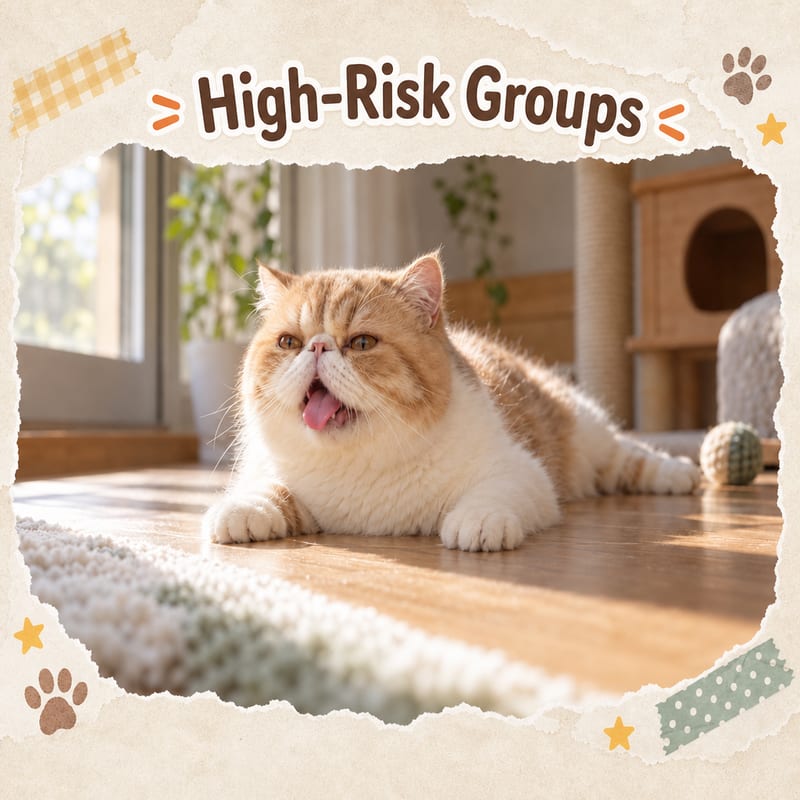
Special Attention: High-Risk Groups
The following cats need extra attention in summer:
- Flat-faced cats (Persian, Exotic Shorthair): Respiratory structure is less effective for cooling
- Obese cats: Excess body fat reduces cooling efficiency
- Senior and young cats: Weaker temperature regulation
- Long-haired cats: More fur traps heat
- Cats with heart or lung disease: Heat increases the burden on the heart and lungs
PetChill's Summer Checklist
✅ Check water intake daily to ensure it is sufficient
✅ Keep indoor temperature at 25-28°C
✅ Observe your cat's demeanour at least once a day
✅ Before going out, confirm the cat is not locked in an enclosed space
✅ Keep the phone number for 24-hour animal emergency care handy
Summer is not scary; what is scary is being unprepared. With these precautions, you and your cat can enjoy the summer with peace of mind. For more seasonal care knowledge, keep following PetChill!
Hong Kong Small-Flat Practical Guide: Build a Cat Cooling Station in 30 Minutes
Hong Kong flats are small, and open kitchens add heat, but with smart use of space you can still cool your cat down.
1. Turn the bathroom tiles into a cooling bed
Move the cat bed to the bathroom doorway, lay down an ice mat or damp towel—the tiles are already cool; after a shower, splash a little water on the floor with the shower head for an instant evaporative cooling effect.
2. Window cross-ventilation method
For east- or west-facing flats, open the windows before 10 am and point a fan towards the corridor to create a "corridor → living room → window" airflow; after 2 pm, close the windows and draw the curtains to block heat while keeping the fan on low speed.
3. Reuse frozen water bottles
Freeze a 500 ml plastic bottle of water, wrap it in a towel and place it in the sofa corner where your cat likes to sleep; after it melts, put it back in the freezer and reuse it without buying anything extra.
4. Scheduled interaction
Hong Kong is coolest from 6-8 am; play with a wand toy for 10 minutes before you go to work; play a second round from 8-10 pm, avoiding the 11 am-4 pm heatwave peak.
5. Emergency backup plan
Stick the 24-hour emergency information on the fridge door:
- North Point AMG 24-hour Emergency: 2802 2088
- Kowloon City CityU Veterinary Medical Centre: 2382 3300
- If your cat's body temperature is >40°C and does not come down within 15 minutes, call a taxi and go straight there—do not wait.
With these five steps, even in a 200 sq ft subdivided flat, your cat can stay cool through the summer.
Further Reading
📌 Key Summary
- ✅ Place 3-5 water bowls or a flowing fountain, change water twice daily
- ✅ Use ice mats, damp towels and fans to create cool corners
- ✅ Play with wand toys only in early morning or evening, avoid midday heat
- ❌ Never leave a cat in a car; temperature can rise to 50°C within 10 minutes
- ❌ Do not pour ice water directly on the cat; use room-temperature water and a wet towel
- ❌ Air-conditioning is not a helps manage-all; set to 25-27°C and use a dehumidifier
This article is compiled from breed consensus and clinical care guidelines; individual cats and dogs vary greatly. For health issues, consult a registered veterinarian first.