Chinchilla Persian
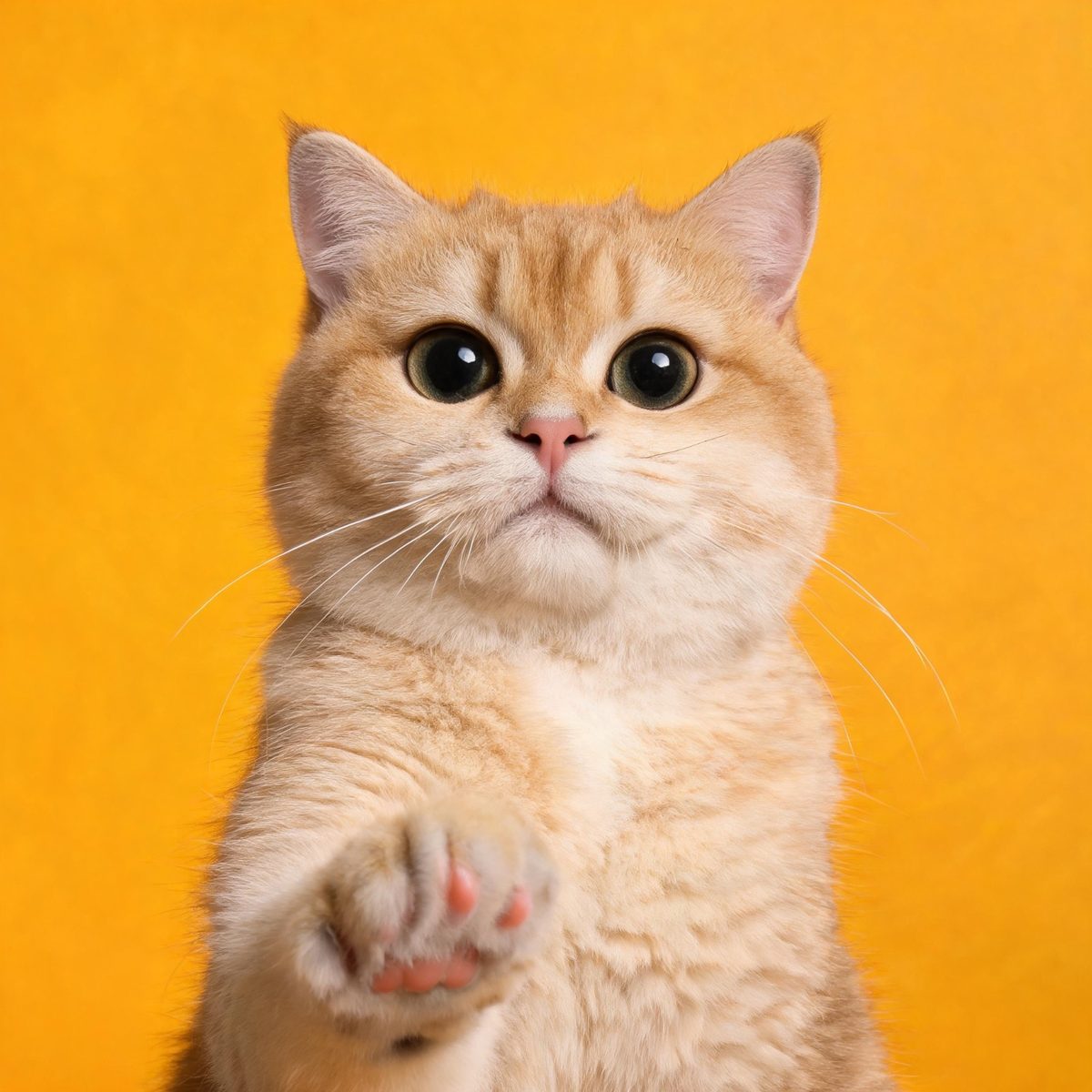
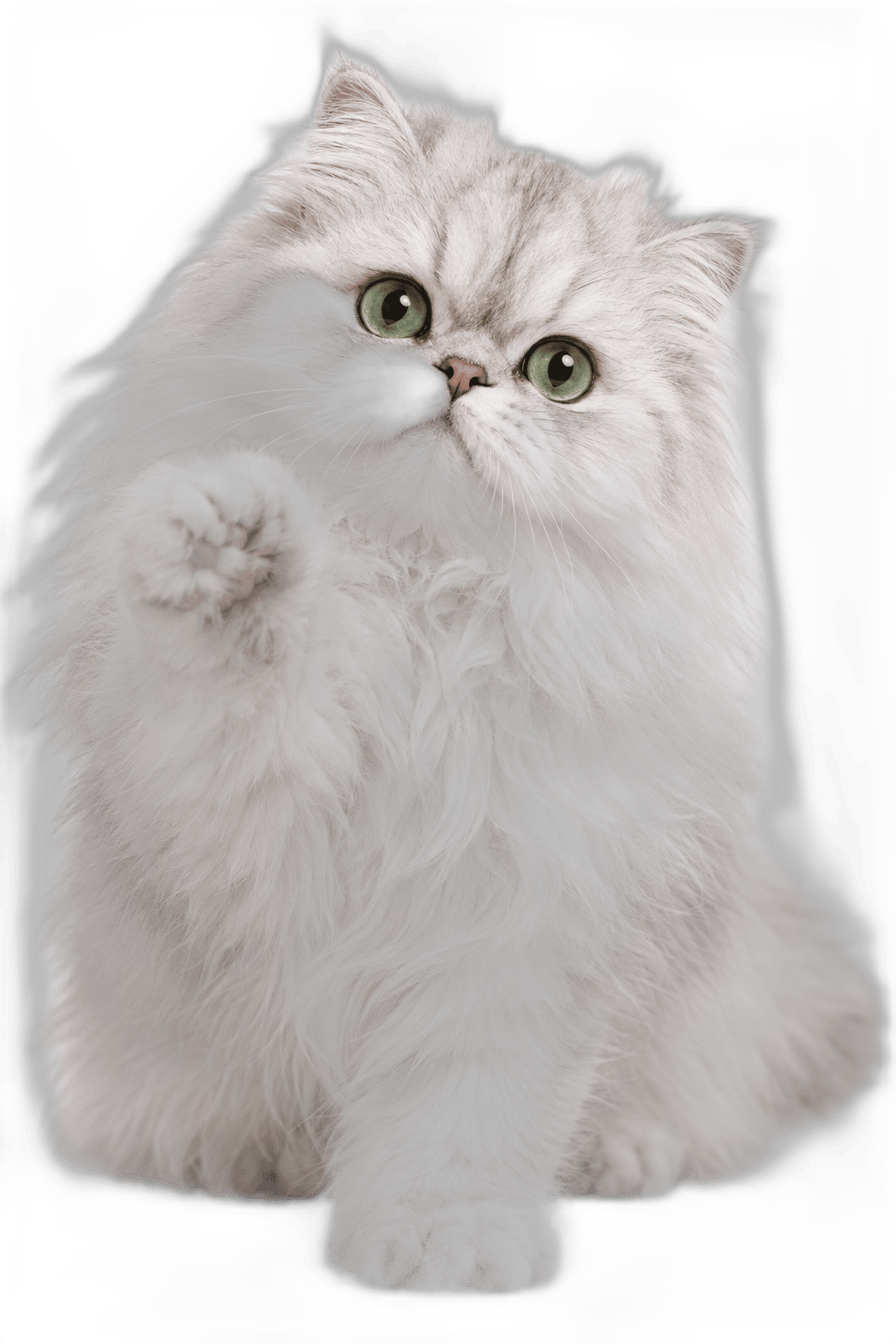
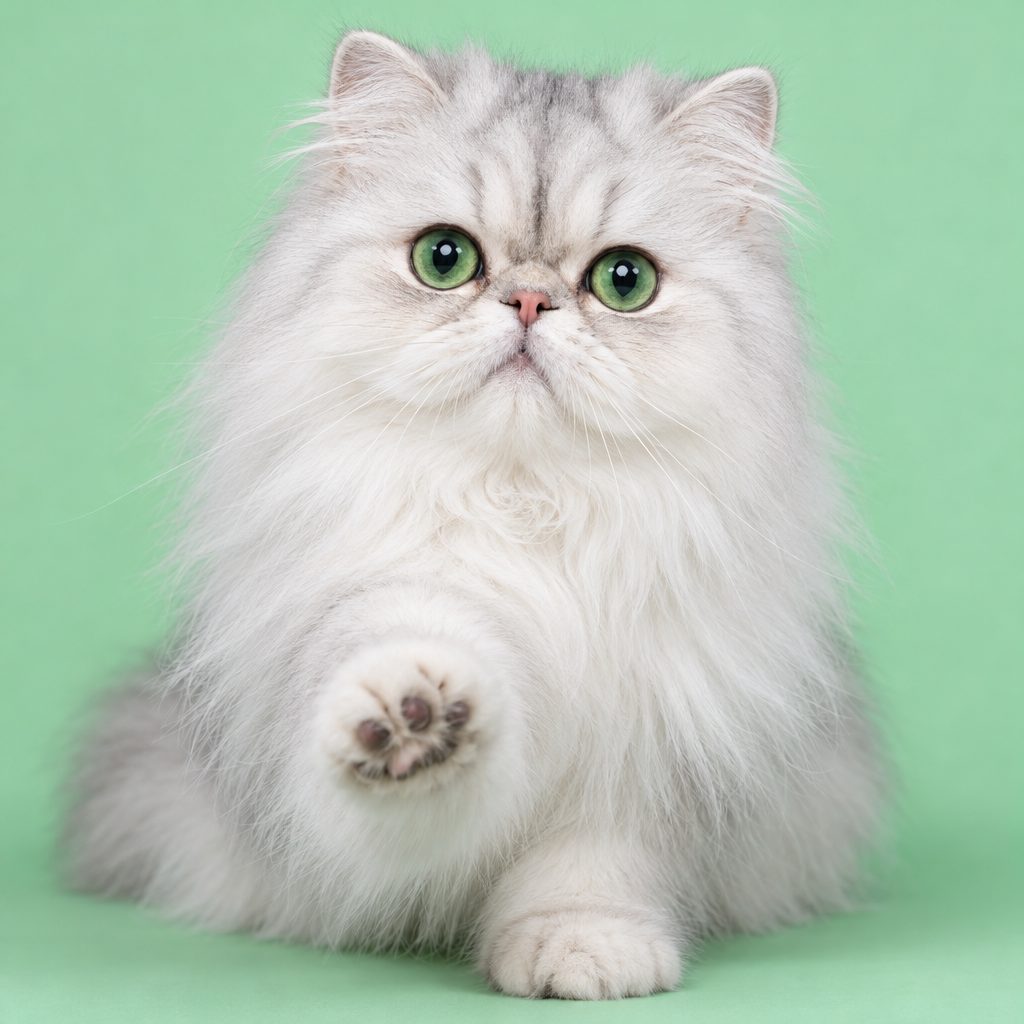
The Chinchilla Persian is one of the most charming colour branches of the Persian, known for its silver-white long coat, large emerald-green eyes and signature black eyeliner, which makes it look as precisely made up as if it were born that way. It originated in Britain in the 1880s, bred from Persians and other long-haired cats, and the first Chinchilla was named Silver Lambkin, after which the colour became a regular at cat shows. The Chinchilla inherits the Persian's flat face and gentle temperament; adults generally weigh 3.5-5.5 kg and live about 12-15 years, and the temperament is quiet and affectionate, neither noisy nor troublesome, which suits Hong Kong households that like a peaceful home. What you do need to note is that the long coat needs daily combing, and the flat face also brings grooming needs around tear staining and the airways. This breed profile brings together the Chinchilla's specifications, price, lifespan, temperament and health information so you can quickly grasp the key points of this elegant breed.
Size
Medium
Lifespan
12-15 years
Weight
3.5-5.5 kg
Price
HK$12,000-28,000 (for reference only)
📺 32-second video · Cantonese narration
The Chinchilla Persian story, in one take
From Britain to Hong Kong homes — how did the Chinchilla Persian become one of Hong Kong's most popular cat breeds?
- ✓Origin story: starting in Britain
- ✓Personality: Gentle, Quiet
- ✓Lifespan 12-15 years · Size Medium
PetChill Pet Encyclopedia
Key facts
Origin
Britain
Lifespan
12-15 years
Size
Medium
Weight
3.5-5.5 kg
Coat
Long coat, silver-white undercoat with black-tipped hairs (shaded)
Price range
HK$12,000-28,000 (for reference only)
Personality
A calm, even temperament that rarely flares up; they seldom use their claws or lose their temper, and can live peacefully with children and other pets.
Their voice is soft and small and they do not make a racket, preferring to stay quietly near their owner; a classic 'quiet beauty' among cats.
Despite the aloof look, they actually love staying close to their owner, climbing onto a lap to ask for strokes and showing affection at their own pace.
Their manners are refined and unhurried, and the way they walk and sit carries a natural dignity; with that silver-white long coat it is no wonder they are described as aristocrats among cats.
Emotionally stable and reasonably adaptable, they do not get tense over small changes in the environment, which suits a household with a steady rhythm.
Care essentials
Grooming
Daily brushing
Exercise
Low; prefers a quiet life
Training difficulty
Moderate; gentle in temperament but fairly sensitive
Chinchilla Persian everyday food & supplies
Chosen by species (cat) from products PetChill stocks — not a breed-specific formula. Actual suitability depends on age, weight and health.
 Special offer
Nutriplan Cat Food Complete Health Nutritional Formula 5kg (64352)
HK$123HK$128About HK$24.6 per kg
Price checked 2026-10-21; the store page shows the live price, stock and offers.

Bella & Molly's Dutch Berry Royal Selected Cat Food AAFCO Anti-Aging Grain-Free Single Protein Salmon Formula 50g (Limited Time Experience)
HK$10About HK$200 per kg
Price checked 2026-10-21; the store page shows the live price, stock and offers.

Hills Cat Food Life Stage Series Adult Formula Chicken 490g (609885)
HK$55About HK$112.24 per kg
Price checked 2026-10-21; the store page shows the live price, stock and offers.
History & origin
The Chinchilla's story starts in Britain in the 1880s. Breeders at the time worked from the Persian, trying to produce a long-haired cat with an extremely pale coat carrying a silver sheen. Around 1888 a cat named Silver Lambkin was born and is regarded as the founder of the Chinchilla colour line; it won awards repeatedly at the Crystal Palace cat show in London and made the silver-white shaded colour famous very quickly.
At the start of the century the Chinchilla spread to Europe and the United States, becoming a regular winner at cat shows and often appearing in films and advertisements as the byword for a 'aristocratic cat'. Today in Hong Kong the Chinchilla is not among the most common breeds, but with its signature silver-white looks and gentle temperament it remains a favourite among lovers of long-haired cats.
Health & care
Common health issues and care advice for the Chinchilla Persian
Polycystic kidney disease (PKD)
Book regular veterinary check-ups so problems are caught and treated early. Keeping a healthy weight, a balanced diet and plenty of fresh water is the basis for preventing most health problems.
Tear staining from blocked tear ducts
Book regular veterinary check-ups so problems are caught and treated early. Keeping a healthy weight, a balanced diet and plenty of fresh water is the basis for preventing most health problems.
Brachycephalic airway problems
Book regular veterinary check-ups so problems are caught and treated early. Keeping a healthy weight, a balanced diet and plenty of fresh water is the basis for preventing most health problems.
Hairballs
Book regular veterinary check-ups so problems are caught and treated early. Keeping a healthy weight, a balanced diet and plenty of fresh water is the basis for preventing most health problems.
In short, an annual check-up and attentive day-to-day observation are the best way to protect your Chinchilla Persian's health. See a vet as soon as something looks wrong — do not wait.
Want to see more cat breeds?
Besides the Chinchilla Persian, you can also compare Maine Coon, Ragdoll and Siamese (Siam Cat) — breed guides that compare personality, size and care difficulty.
Frequently asked questions
The questions people ask most about the Chinchilla Persian
The Chinchilla Persian is the silver-white shaded colour branch of the Persian, not a completely separate breed. It originated in Britain in the 1880s, and the first cat of this colour, named Silver Lambkin, was the founder of the line. Some cat associations treat it as a colour group within the Persian, while others give it a separate breed standard.
In Hong Kong a Chinchilla kitten costs roughly HK$12,000-28,000 (for reference only), depending on bloodline, how dark the shading is and the seller. When buying, choose a breeder with a good reputation and ask to see health certificates and the parents' details, and specifically ask whether polycystic kidney disease (PKD) genetic testing has been done.
A Chinchilla generally lives 12-15 years. With good care, a balanced diet and regular veterinary checks, some individuals live past 16. Keeping weight under control and watching respiratory health are the keys to a longer life.
The Chinchilla is a medium-sized cat, with adults generally 3.5-5.5 kg; males are usually a little heavier than females. Their frame is medium but the coat is thick, so they look heavier than they actually are.
The common inherited and structural problems include polycystic kidney disease (PKD), tear staining caused by blocked tear ducts, brachycephalic airway problems related to the flat face, and the hairball problems common in long-haired cats. Before buying, ask the breeder for a PKD genetic test report.
The difference is mainly in the proportion of the hair tip that is coloured: in the Chinchilla only about one eighth of the hair tip carries dark colour, so the whole cat looks a gleaming silver-white, while in the Silver Shaded a higher proportion is coloured and the overall colour is a little darker. Both have large emerald-green eyes and black eyeliner, which are the hallmarks of this colour group.
You may also like
Other cat breeds like the Chinchilla Persian