Siamese (Siam Cat)
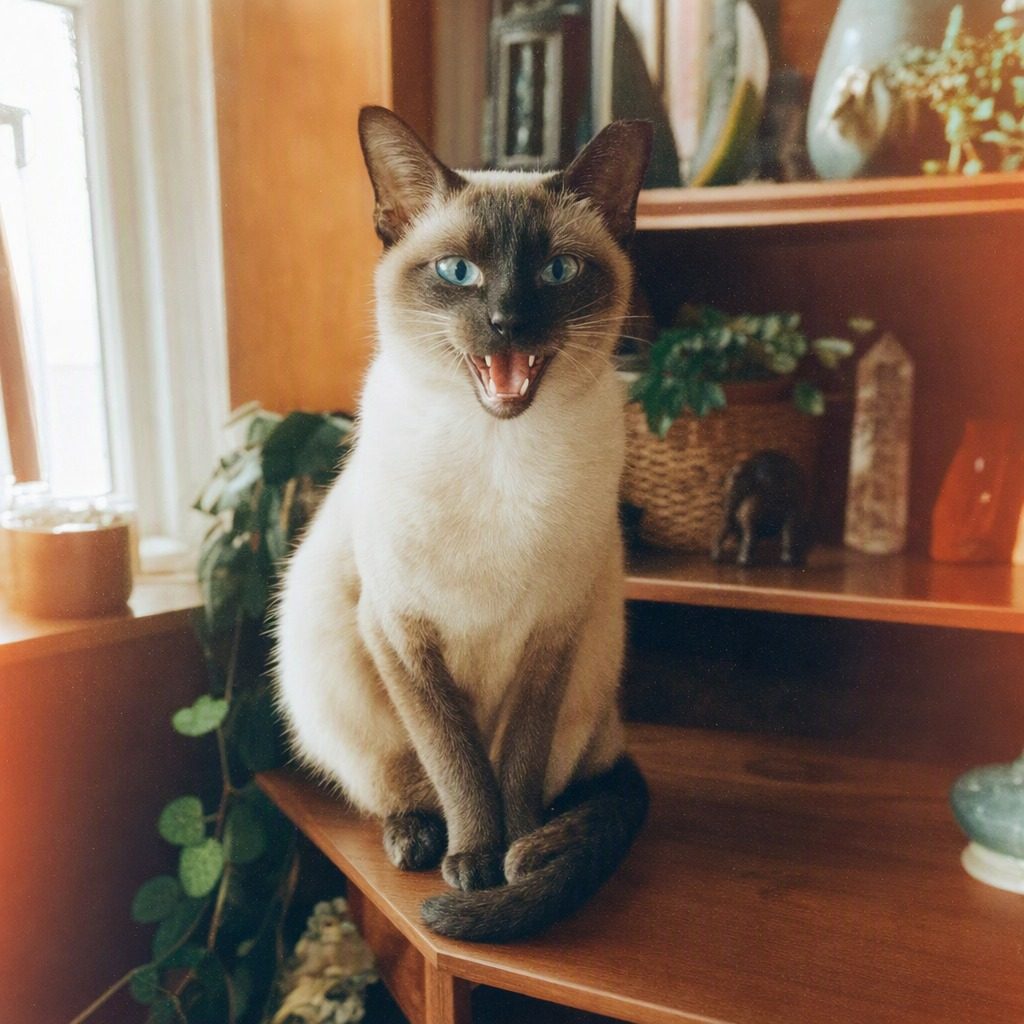
The Siamese is one of the oldest and most recognisable cat breeds in the world, famous for its colourpoint coat, sapphire-blue eyes and a personality that loves to “talk”. It comes from Thailand (formerly Siam) and its history goes back to the 14th century. The Siamese is an extremely social breed that wants to be with its owner all the time, and is often called “the dog of the cat world”. If you want a cat that answers you and interacts with you, the Siamese is an excellent choice.
Size
Medium
Lifespan
15-20 years
Weight
3-5 kg
Price
HK$8,000-15,000

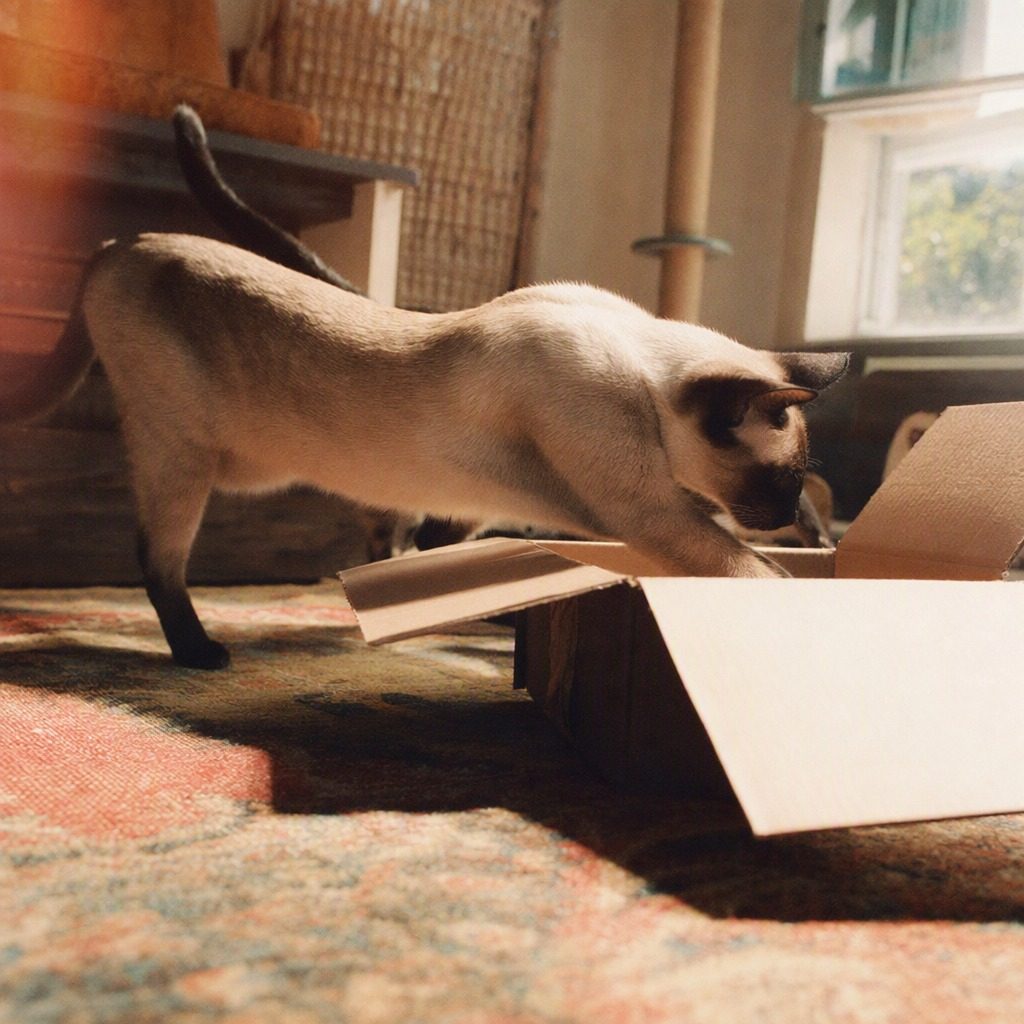
📺 32-second video · Cantonese narration
The Siamese (Siam Cat) story, in one take
From Thailand to Hong Kong homes — how did the Siamese (Siam Cat) become one of Hong Kong's most popular cat breeds?
- ✓Origin story: starting in Thailand
- ✓Personality: Lively and talkative, Affectionate
- ✓Lifespan 15-20 years · Size Medium
PetChill Pet Encyclopedia
Key facts
Origin
Thailand
Lifespan
15-20 years
Size
Medium
Weight
3-5 kg
Coat
Short hair, colourpoint
Price range
HK$8,000-15,000
Personality
Daily life & habits
The Siamese is an extremely active and social breed, and its daily life is full of “conversation” and interaction.
The rhythm of a day
In the morning the Siamese wakes you with its distinctive hoarse call, demanding breakfast and attention. It is not the type to wait quietly — it tells you what it wants. Siamese cats especially love following their owner around the house, which is why they are called “the dog of the cat world”.
In the afternoon they find a warm spot to rest but stay alert. A Siamese's coat colour changes with temperature — the colder the weather, the darker the points. That is one of their most distinctive features.
At night the Siamese is at its most active, coming to find you to play and “chat”. Their call is unique; some people describe it as sounding like a baby crying.
A home that suits Hong Kong
The Siamese adapts well and suits Hong Kong homes. They do not need a lot of space, but they do need a lot of their owner's company. If you are out often, consider keeping two so they have each other.
Care essentials
Grooming
The Siamese's short coat is very easy to care for — brushing once or twice a week is enough. The hair is soft and close-lying and does not mat easily. Increase brushing in shedding season to help remove dead hair.
Because the coat colour responds to temperature, keeping the room at a suitable temperature helps the colour stay even. Check the ears and nails regularly and keep them clean.
Exercise
The Siamese is a very active breed and needs at least 30 minutes of play every day. They love chasing toys, climbing high and interactive games.
Siamese cats are intelligent, and puzzle toys help them burn off energy. They also enjoy learning new skills, and you can use treats to train simple tricks.
Training
The Siamese is one of the cleverest cat breeds: they can learn to open doors, play fetch and even be walked outside on a lead. They learn quickly, and positive reinforcement works best.
Because the Siamese is highly social, it needs a lot of social stimulation. Left alone for long periods it may develop anxiety behaviours. Interactive toys and regular play sessions help meet those needs.
Diet
The Siamese is a medium-sized cat, usually 3-5 kg. They need a high-protein, quality cat food, fed in two meals a day.
Because they are very active, they need enough energy intake. Choose a food rich in animal protein and avoid too many carbohydrates.
Living environment
The Siamese adapts well to Hong Kong homes. They do not need much space, but they do need plenty of vertical space and toys.
Because they are highly social, they dislike being alone. If you are out often, consider keeping two so they have each other. A window perch is a favourite, letting them watch the world outside.
Siamese (Siam Cat) everyday food & supplies
Chosen by species (cat) from products PetChill stocks — not a breed-specific formula. Actual suitability depends on age, weight and health.
 Special offer
Nutriplan Cat Food Complete Health Nutritional Formula 5kg (64352)
HK$123HK$128About HK$24.6 per kg
Price checked 2026-10-21; the store page shows the live price, stock and offers.

Bella & Molly's Dutch Berry Royal Selected Cat Food AAFCO Anti-Aging Grain-Free Single Protein Salmon Formula 50g (Limited Time Experience)
HK$10About HK$200 per kg
Price checked 2026-10-21; the store page shows the live price, stock and offers.

Hills Cat Food Life Stage Series Adult Formula Chicken 490g (609885)
HK$55About HK$112.24 per kg
Price checked 2026-10-21; the store page shows the live price, stock and offers.
History & origin
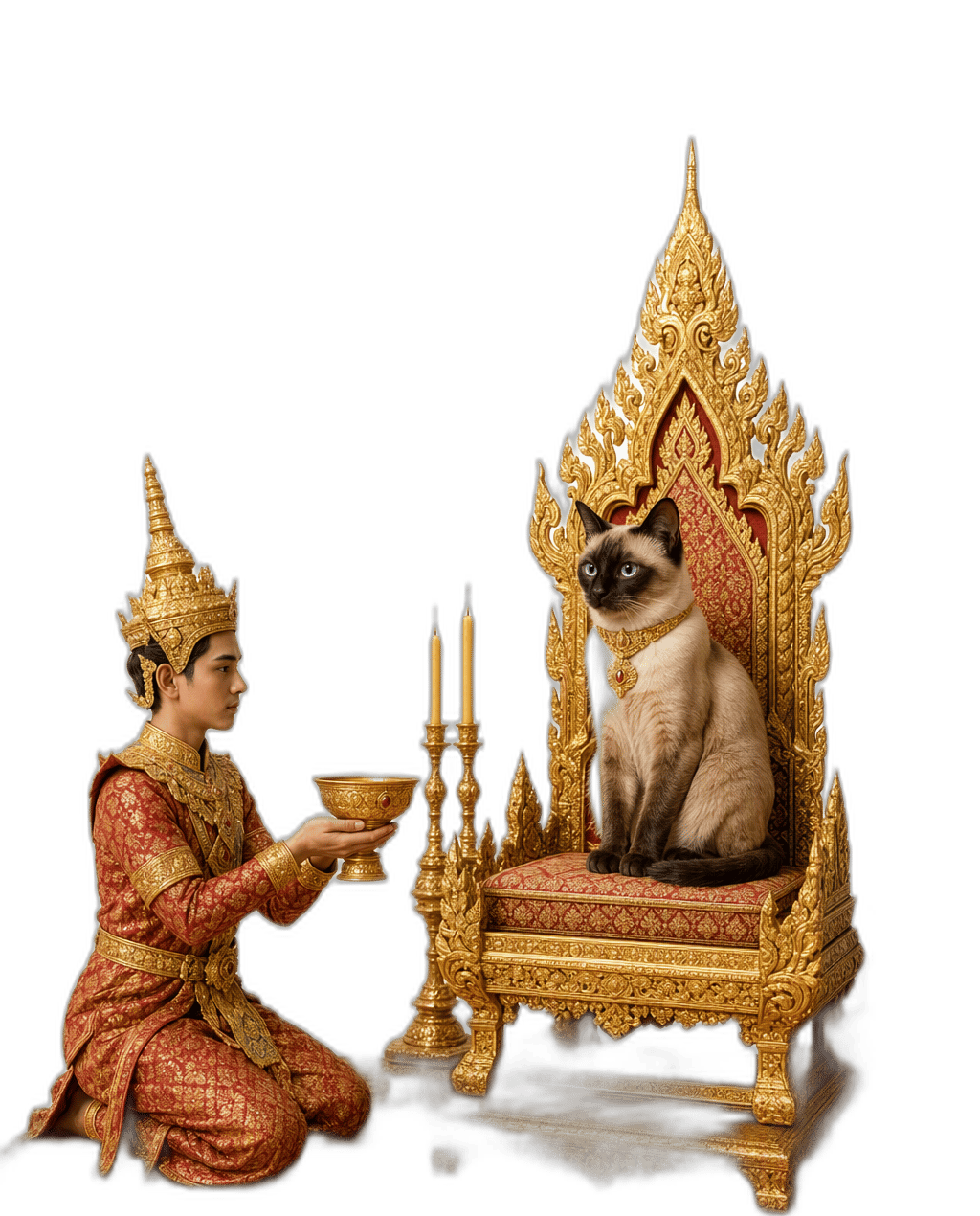
The Siamese is one of the oldest cat breeds in the world, originating in Thailand (formerly Siam). Its history can be traced back to 14th-century Siamese manuscripts, centuries of records behind it.
At the end of the 19th century the Siamese was introduced to Europe and quickly became a pet of the aristocracy. In 1878 the American consul in Bangkok gave a Siamese to the President's wife, and the breed began to spread across the Americas. Today the Siamese is one of the most popular cat breeds worldwide.
Who it suits
Is the Siamese (Siam Cat) right for you?
The Siamese is a very popular pet breed, but it does not suit everyone.
Who they suit:
- People with plenty of time to spend with them: Siamese are social cats and dislike being alone
- People who like interactive cats: they will “chat” with you and answer you
- People with cat experience: their social needs are higher
Who they suit less:
- People who are often out of the home: Siamese need their owner's company
- People who like quiet cats: Siamese are rather talkative
Health & care
Common health issues and care advice for the Siamese (Siam Cat)
The Siamese is generally a healthy breed, but there are some health issues to watch.
The most common inherited diseases include progressive retinal atrophy (PRA), cardiomyopathy and respiratory problems. The Siamese has a narrow head structure, which can lead to breathing difficulty.
Take your Siamese to the vet for a full health check once a year, and keep weight and exercise at the right level.
Want to see more cat breeds?
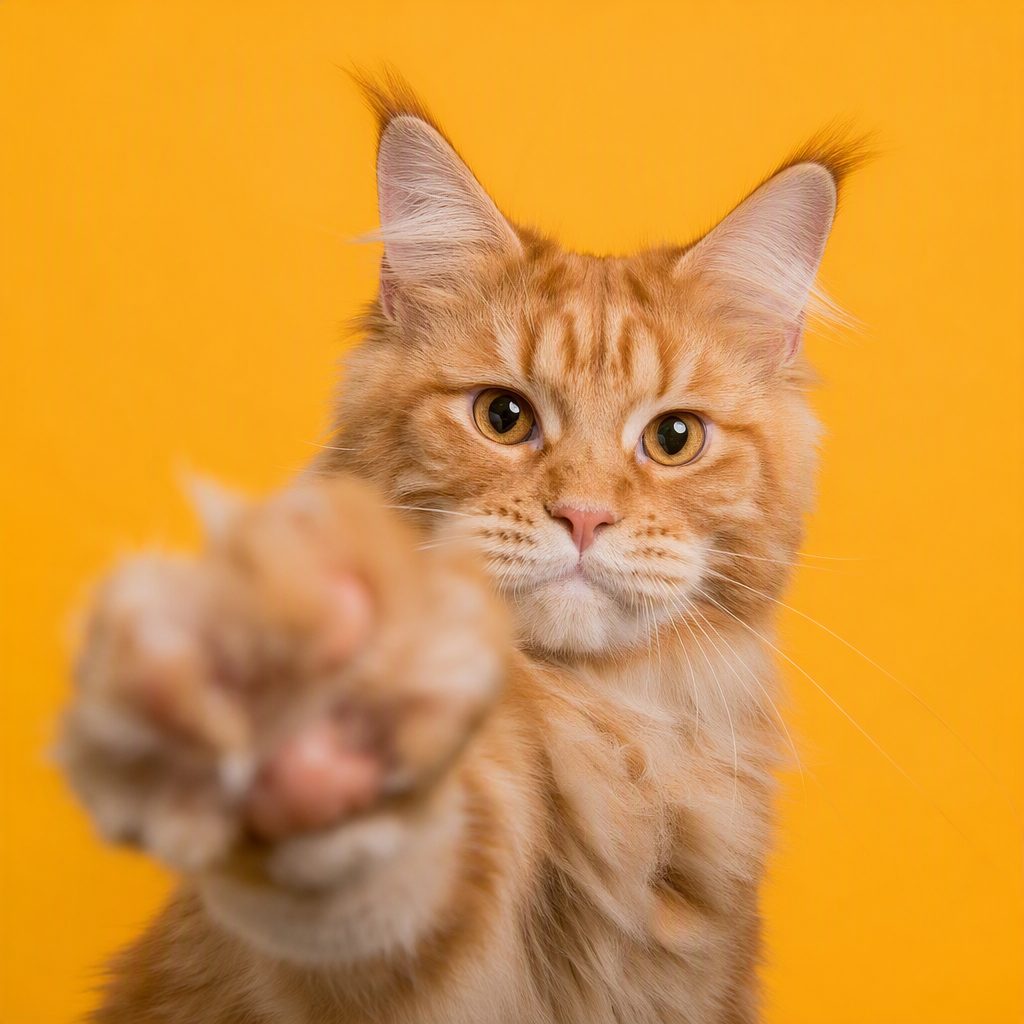
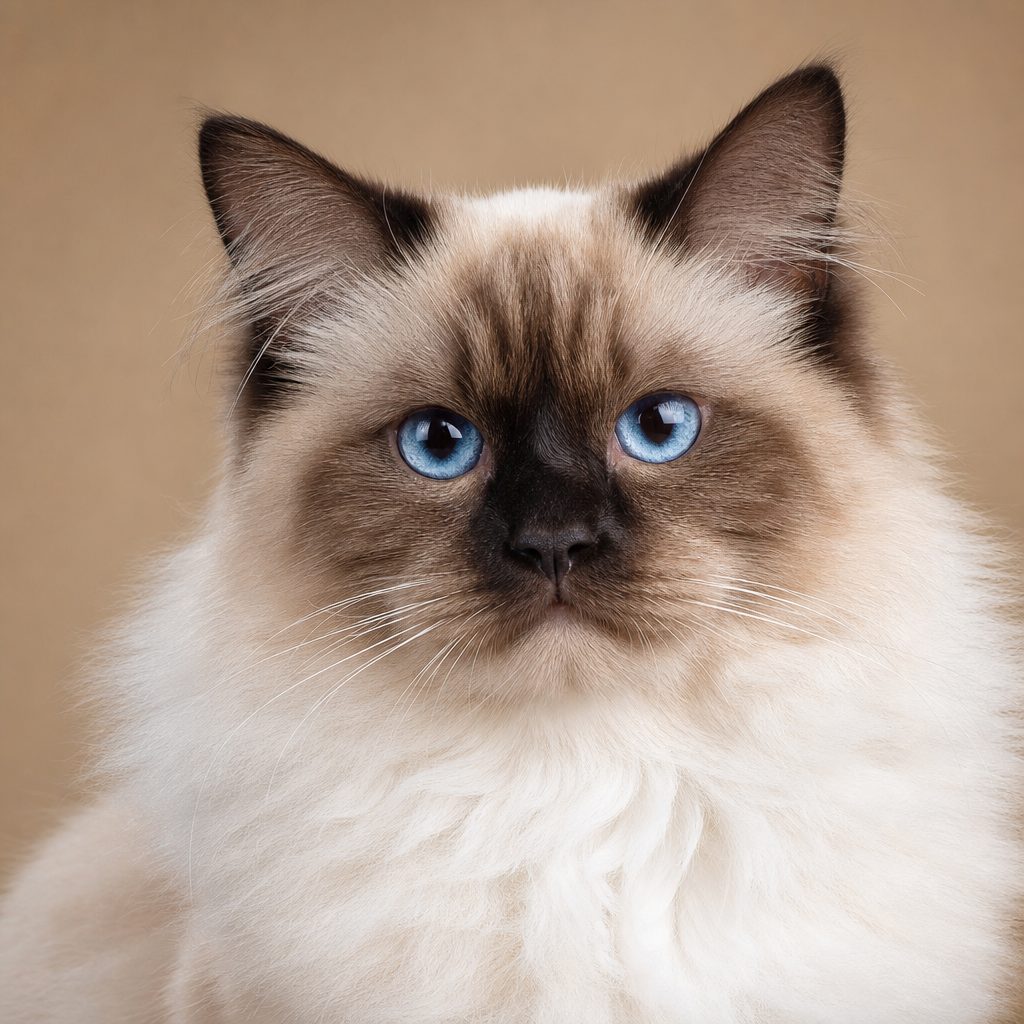
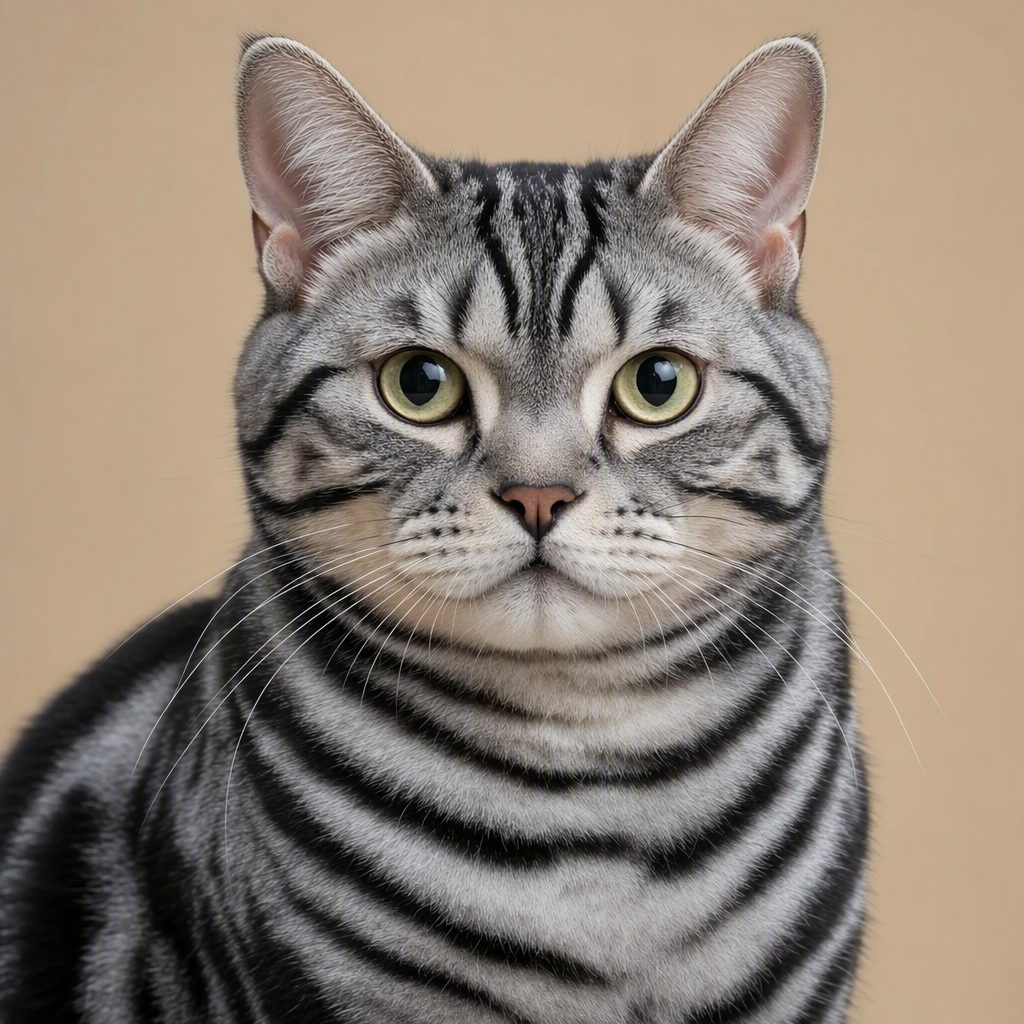
Besides the Siamese (Siam Cat), you can also compare Maine Coon, Ragdoll and British Shorthair — breed guides that compare personality, size and care difficulty.
Frequently asked questions
The questions people ask most about the Siamese (Siam Cat)
Siamese cats usually live 15 to 20 years, one of the longer-lived cat breeds. With good care, a balanced diet and regular vet check-ups, some live past 20.
The main downsides are: they are extremely clingy and dislike being alone, they are loud (which can bother neighbours) and they are prone to anxiety behaviours. Their coat colour also shifts with temperature — the points darken when the weather is cold.
Siamese cats can be very happy in Hong Kong. They adapt well to local homes. But they need a lot of company, so if you are out often, consider keeping two so they have each other.
The colour change comes from a temperature-sensitive enzyme, tyrosinase. This enzyme is active at lower temperatures, which darkens the points (ears, face, legs, tail). The colder the weather, the darker the colour; in hot weather it fades.
The Siamese is a short-haired cat, smaller (3-5 kg) and active and talkative; the Ragdoll is long-haired, larger (4-9 kg) and quiet and docile. Both have blue eyes, but their coats and temperaments are completely different.
In Hong Kong, Siamese kittens cost around HK$8,000 to HK$15,000 depending on pedigree and colour. Top pedigrees or rare colours can cost more. Choose a reputable breeder when buying.
Siamese cats are friendly and clever, so they are not too hard for beginners. But their social needs are high and they want a lot of company. If you are often out, they may not be the right fit.
Common inherited defects in Siamese cats include progressive retinal atrophy (PRA), cardiomyopathy and respiratory problems. Before buying, ask the breeder for genetic test reports to make sure the cat is healthy.
Yes. Siam cat is the older English name for the Siamese (from Siam, present-day Thailand) and refers to the same breed. Hong Kong pet shops mostly say “Siamese”, while European and American breeder paperwork sometimes writes “Siam Cat”.
Siamese (Siam Cat) articles
7 articles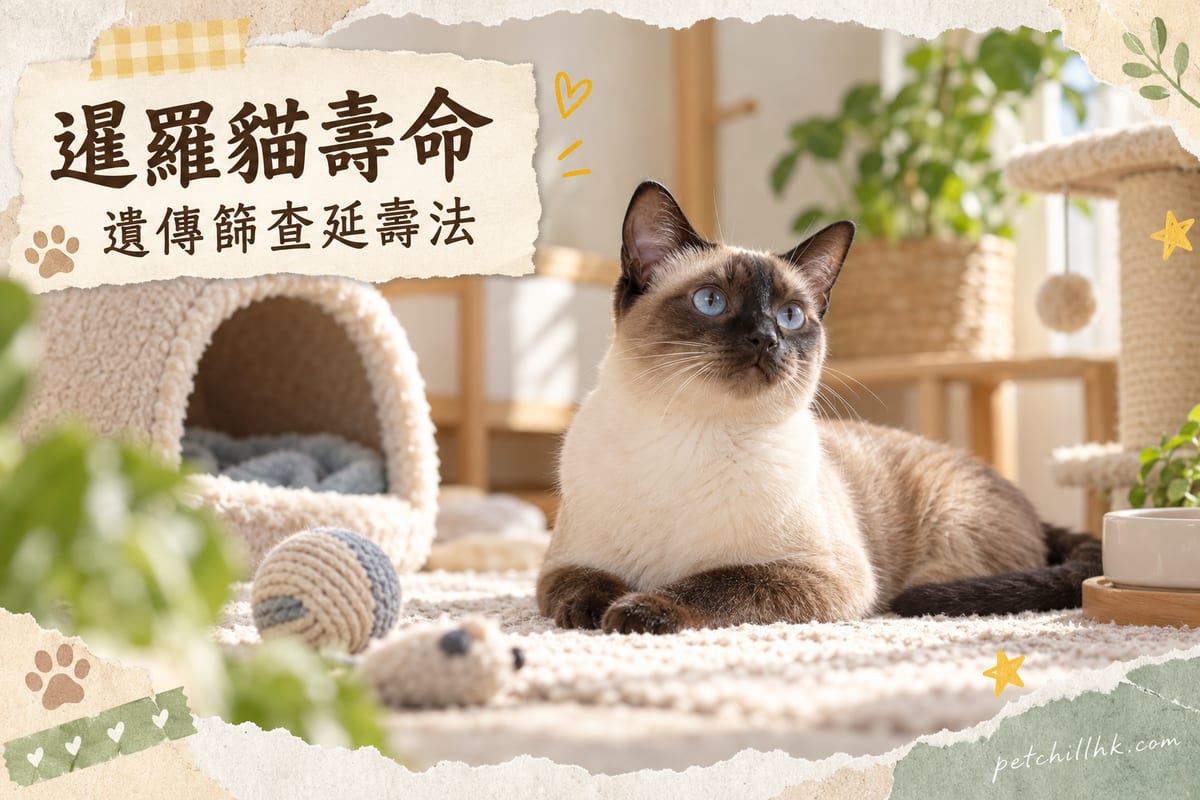
Siamese Cat Lifespan: Hong Kong Genetic Tendencies and a Longevity Checklist
Siamese cats typically live 12 to 15 years, and with good care they can live longer. This article covers the four main factors affecting Siamese lifespan—genetic health tendencies (AMY2-related neuropathy, heart issues, crossed eyes), urinary and respiratory sensitivity, weight, and environmental safety—and lays out an age-by-age screening schedule and an actionable longevity checklist. It also explains which signals mean you should see a veterinarian immediately, so breed research and veterinary advice can help your chatty cat go further.
Read the full article →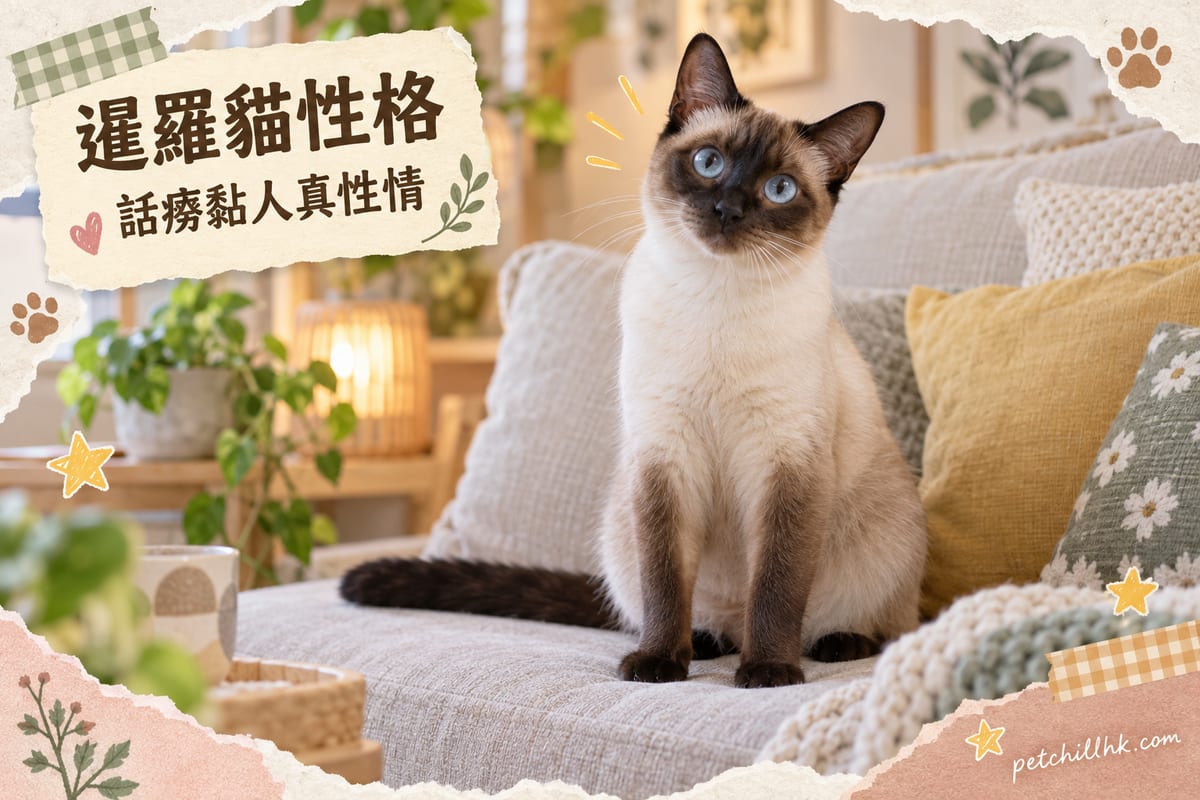
Siamese Cat Personality | A Must-Read for Hong Kong Pet Owners: The Truth About the Chatterbox, the Clingy and the Highly Intelligent
What is the Siamese cat personality? This article breaks down the five key traits of this 'dog among cats': extremely outgoing, loves to talk, smart and easy to train, picks a favourite human, and is possessive. It also compares with the CFA breed standard, and covers Hong Kong prices, monthly expenses, daily companionship time, and which families are suitable.
Read the full article →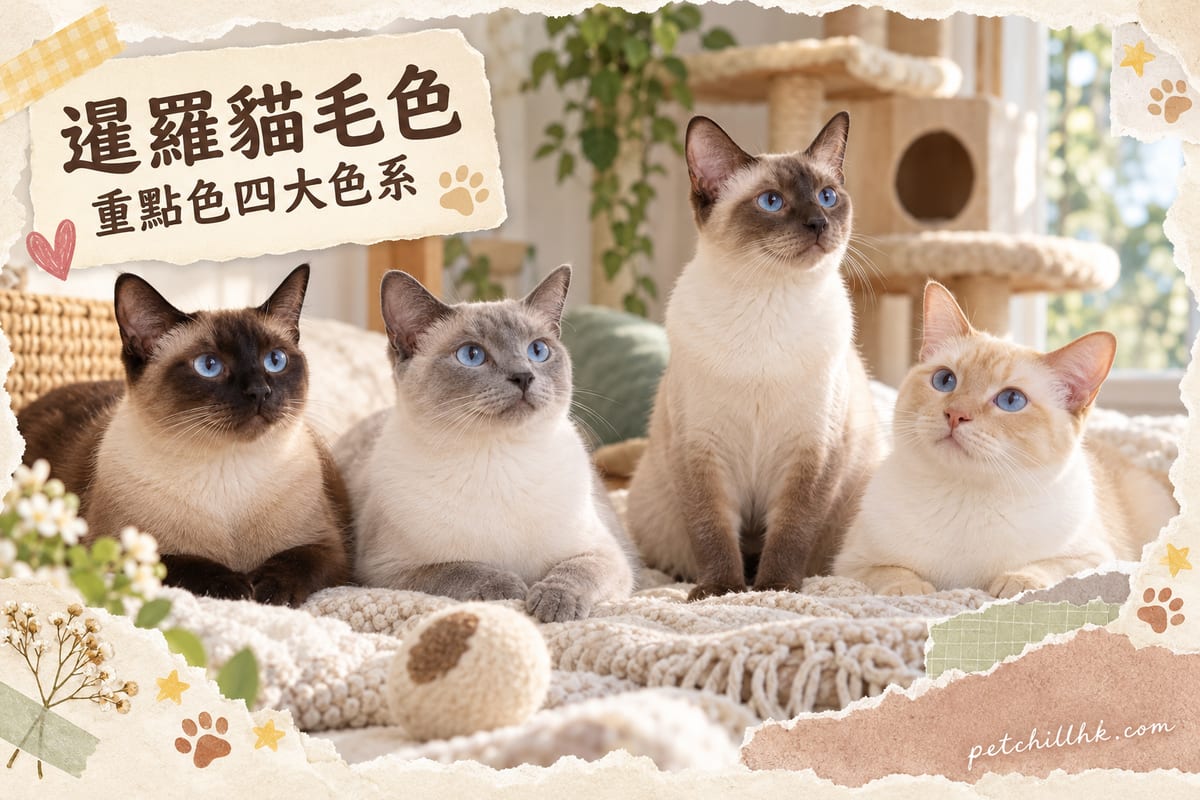
How Many Siamese Cat Colours Are There? Four Key Point Colours Plus Pattern Variants (Hong Kong)
How many Siamese cat colours are there? CFA recognises four traditional point colours: seal, blue, chocolate and red lynx point, plus pattern variants such as lynx point and torbie point. This article uses a colour × feature × commonness quick-reference table to teach you how to tell colours apart, explains why the coat gets darker the colder it is, why kittens only settle into their colour at two to three months, and the care differences between colour groups.
Read the full article →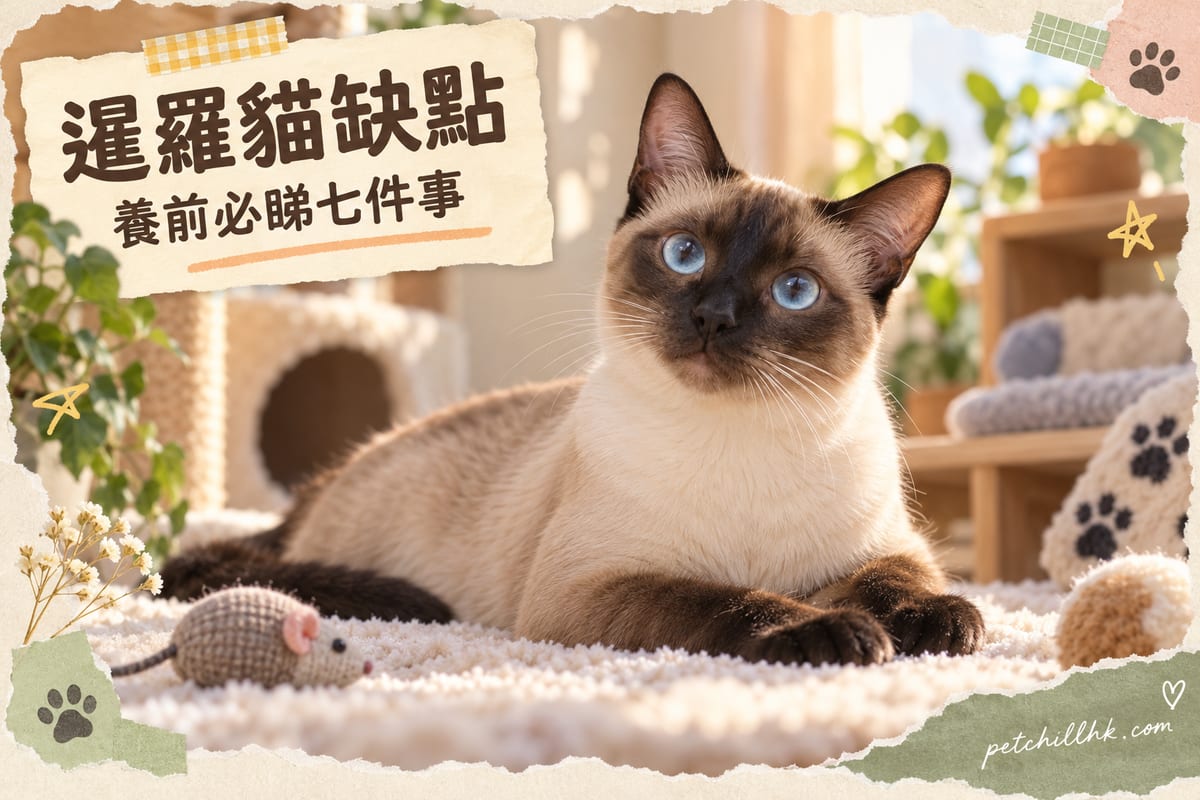
Siamese Cat Disadvantages: Loud, Clingy, Prone to Separation Anxiety (Hong Kong)
The main Siamese cat disadvantages are four: loud and frequent meowing, extremely high companionship needs, separation anxiety when left alone, and sensitive digestion and urinary tract. In Hong Kong they cost around HK$8,000–20,000, with monthly basics of about HK$800–1,500. This article lists 7 costs and how to handle each, plus a self-test for suitable owners.
Read the full article →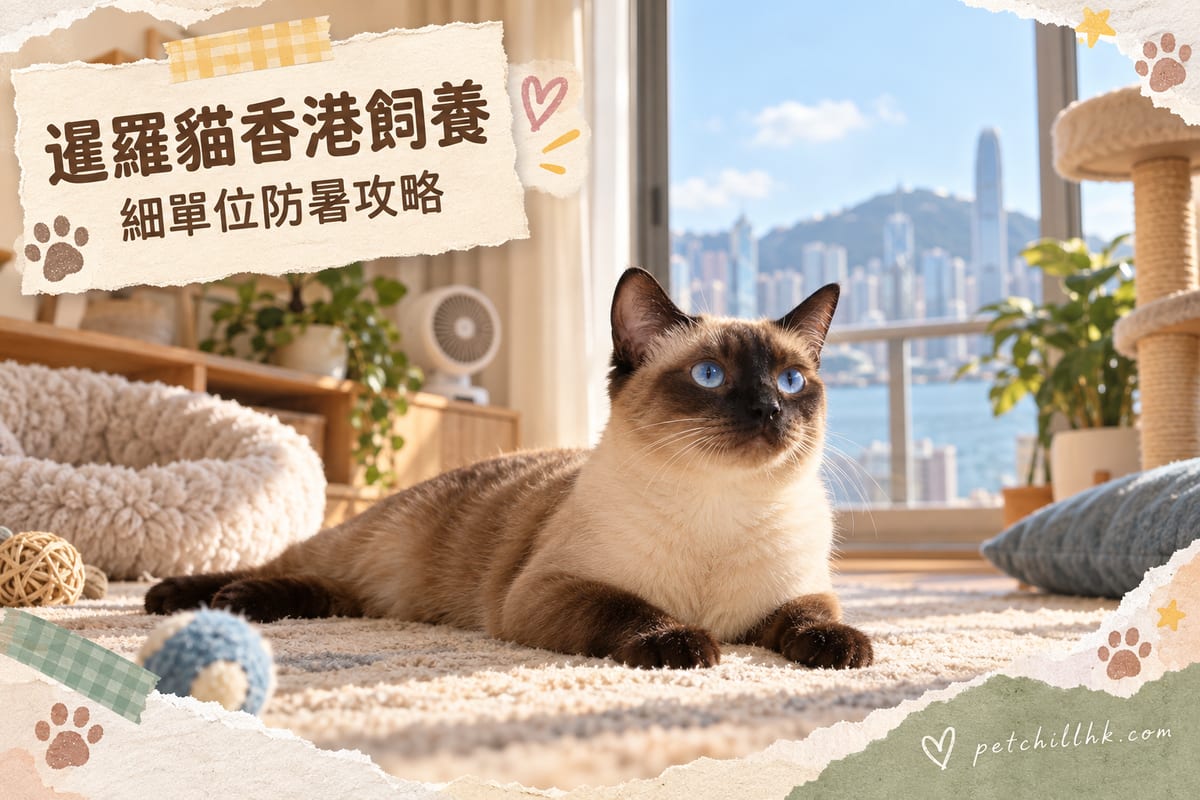
Siamese Cats in Hong Kong: A Care Guide for Climate, Flats and Company
Are Siamese cats suited to Hong Kong's climate and small flats? This guide breaks down five key issues for keeping a Siamese in a Hong Kong home: coat and skin care in heat and humidity, window safety, air-conditioning and water intake, vertical space planning in small flats, and companionship for this famously talkative cat. Includes a quick-reference table to help you raise a healthy, happy Siamese by Victoria Harbour.
Read the full article →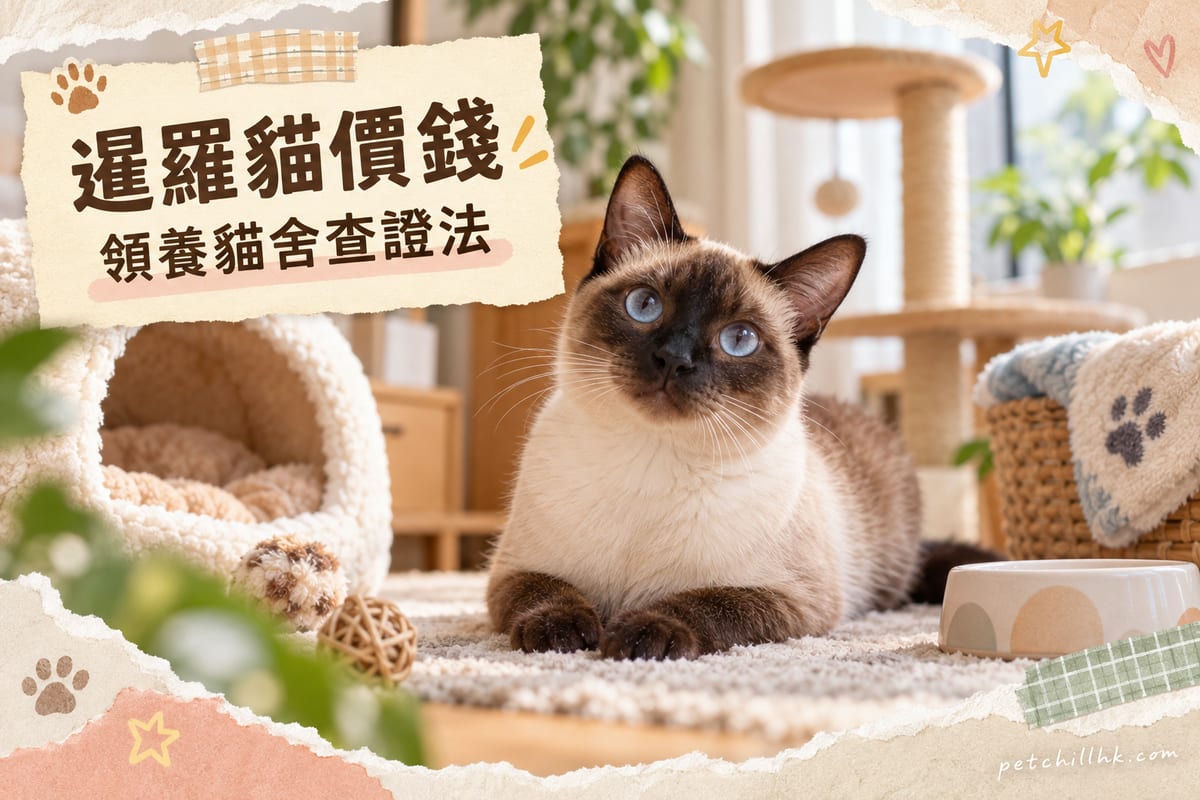
Siamese Cat Prices and Adoption Guide (Hong Kong) 2026
How much does a Siamese cat cost? This guide compiles 2026 Hong Kong market price references (pet-grade, pedigree, show-grade), the price gap between traditional wedge-head and modern types, the real chances of finding a Siamese through SPCA and adoption organisations, high-risk signals of free kitten adoptions, an eight-point verification checklist for buying a cat, and a monthly expense estimate table—so you don't pay over the odds whether you buy or adopt.
Read the full article →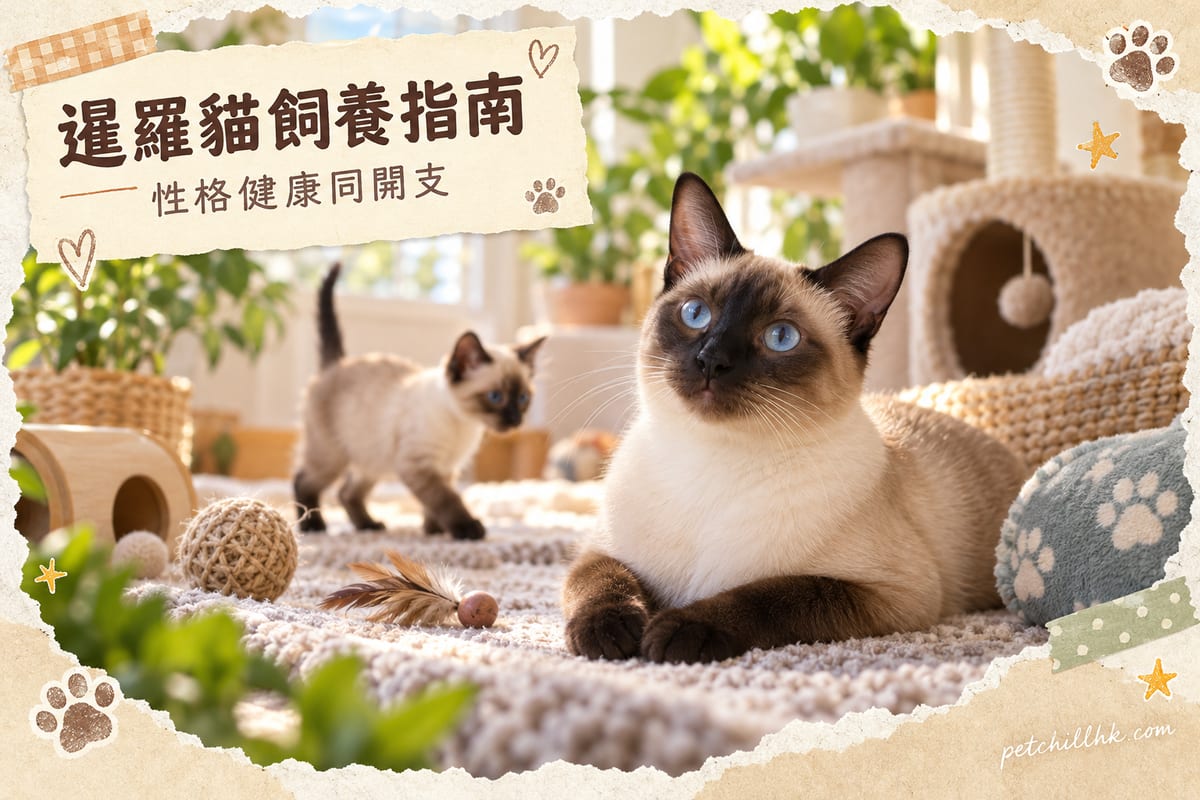
Siamese Cat | Full Guide to Price, Personality and Colours (Hong Kong 2026)
The Siamese is the 'dog among cats': blue eyes, point colouring, extremely clingy and talkative. In Hong Kong, buying costs about $8,000-25,000, adoption about $1,000-3,000. This article breaks down their personality, how the four point colours darken with temperature, monthly costs, health check schedule and where to buy or adopt, to help you decide if this cat suits you.
Read the full article →You may also like
Other cat breeds like the Siamese (Siam Cat)