Scottish Fold
📺 32-second video · Cantonese narration
The Scottish Fold story, in one take
From its origins to Hong Kong homes — how did the Scottish Fold become one of Hong Kong's most popular cat breeds?
- ✓Origin story: starting in its homeland
- ✓Personality: Gentle and affectionate
PetChill Pet Encyclopedia
Scottish Fold everyday food & supplies
Chosen by species (cat) from products PetChill stocks — not a breed-specific formula. Actual suitability depends on age, weight and health.
 Special offer
Nutriplan Cat Food Complete Health Nutritional Formula 5kg (64352)
HK$123HK$128About HK$24.6 per kg
Price checked 2026-10-21; the store page shows the live price, stock and offers.

Bella & Molly's Dutch Berry Royal Selected Cat Food AAFCO Anti-Aging Grain-Free Single Protein Salmon Formula 50g (Limited Time Experience)
HK$10About HK$200 per kg
Price checked 2026-10-21; the store page shows the live price, stock and offers.

Hills Cat Food Life Stage Series Adult Formula Chicken 490g (609885)
HK$55About HK$112.24 per kg
Price checked 2026-10-21; the store page shows the live price, stock and offers.
History & origin
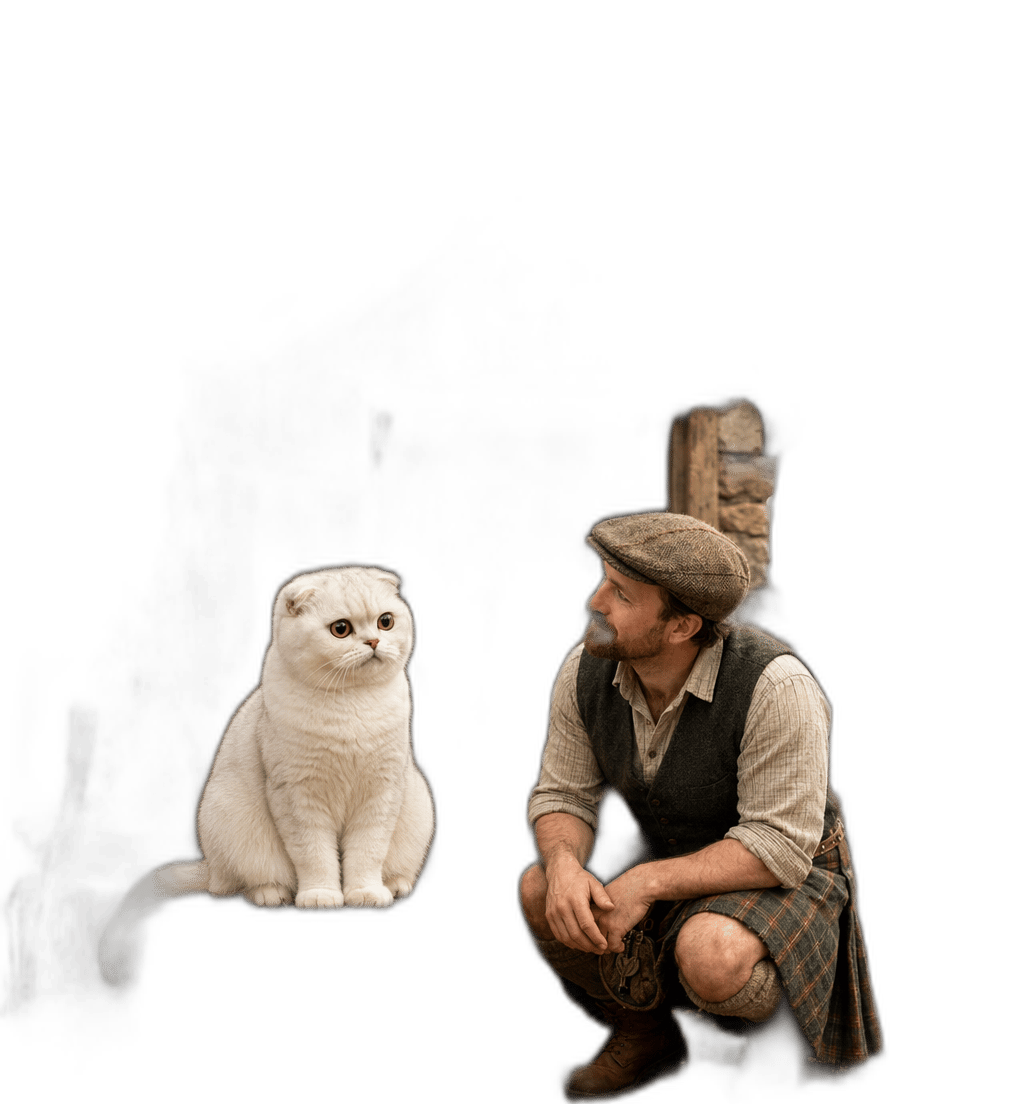
The origin of the Scottish Fold is quite romantic — in 1961, William Ross, a farm worker in Perthshire, Scotland, found a white folded-ear cat named Susie, whose ears were folded forward by a genetic mutation, like an owl's. Ross was drawn to this unusual look and took one of Susie's offspring home to breed.
In 1966 Ross formally registered the breed, naming it "Scottish Fold". However, the fold gene is related to skeletal development, and in the 1970s Britain temporarily banned breeding folded cats, nearly making the breed disappear. Fortunately American breeders took over the research and found that as long as two folded-ear cats are not mated together (pairing with straight-eared cats), the offspring can grow up healthy.
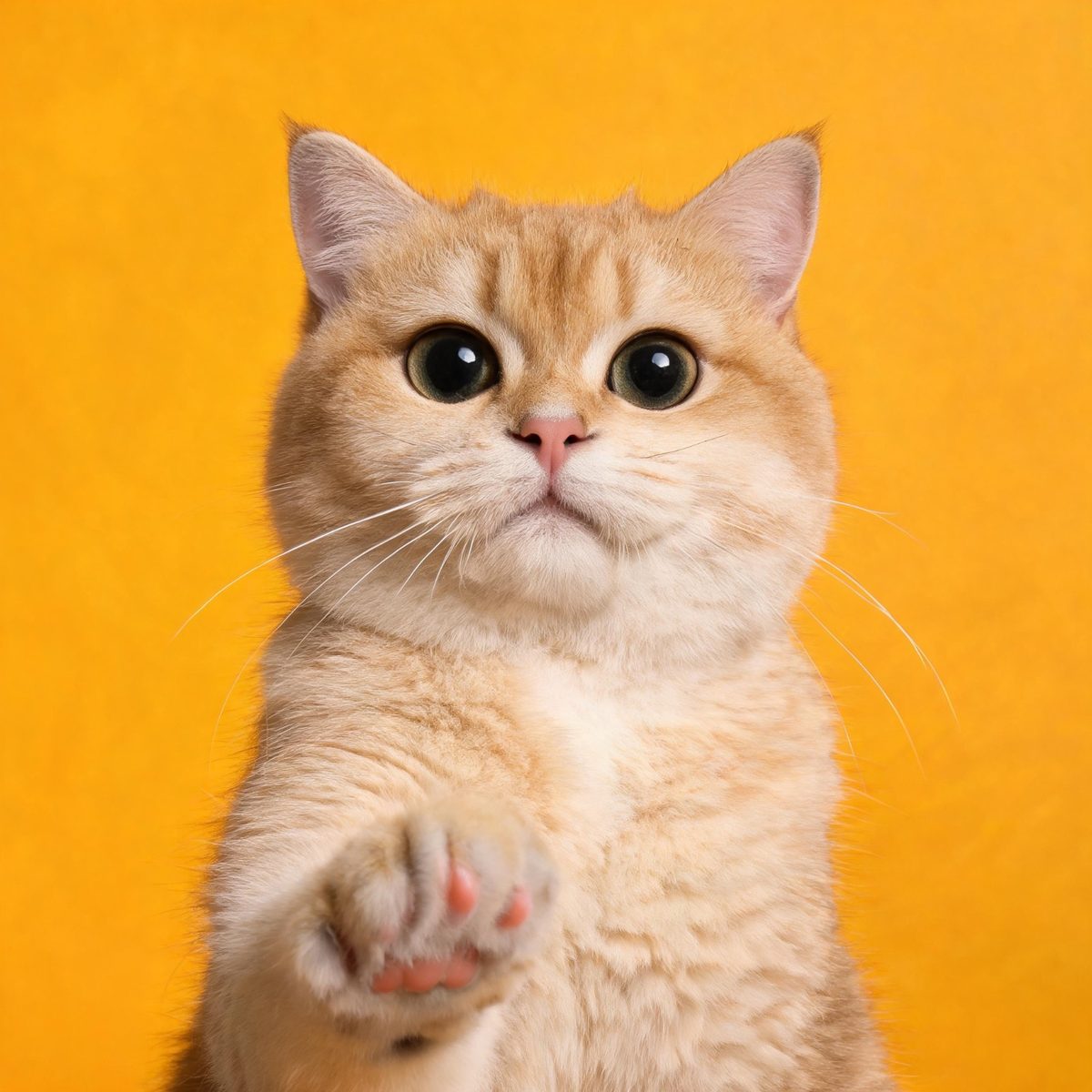
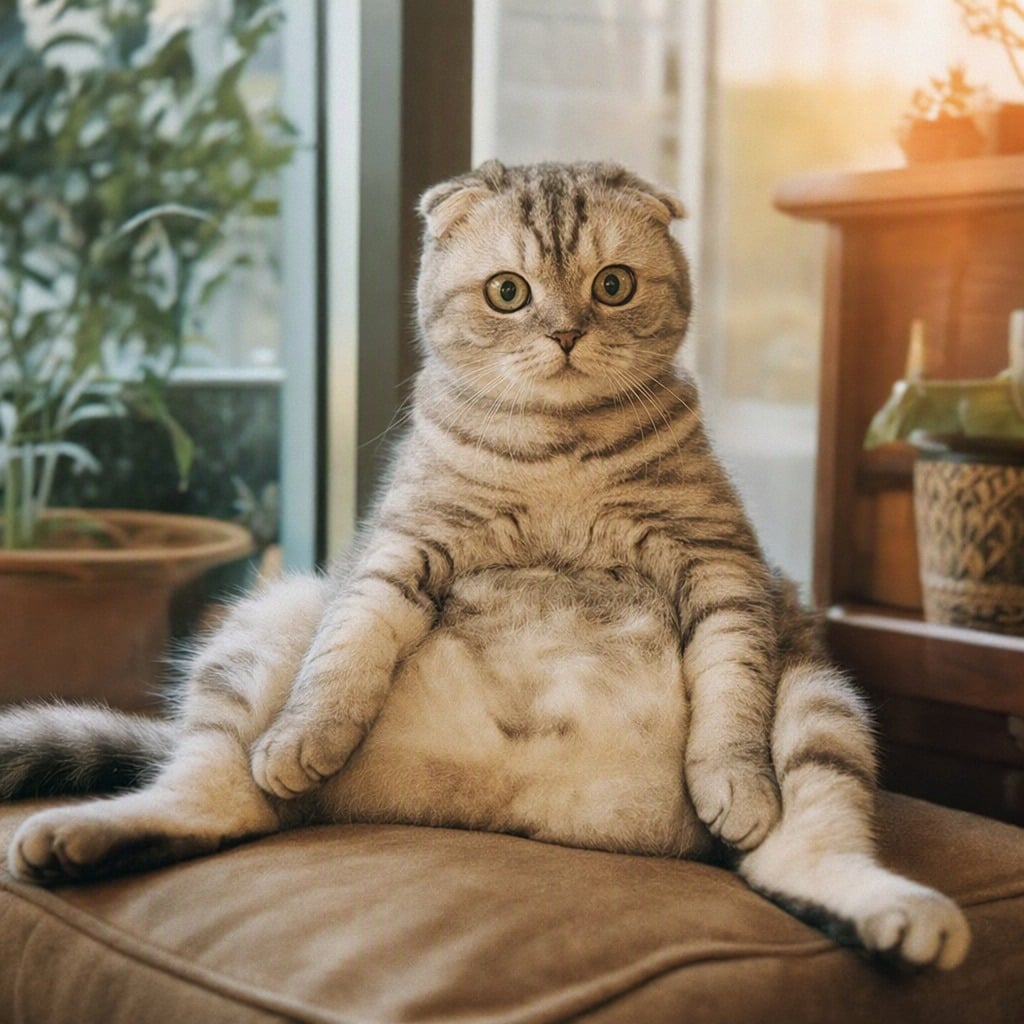
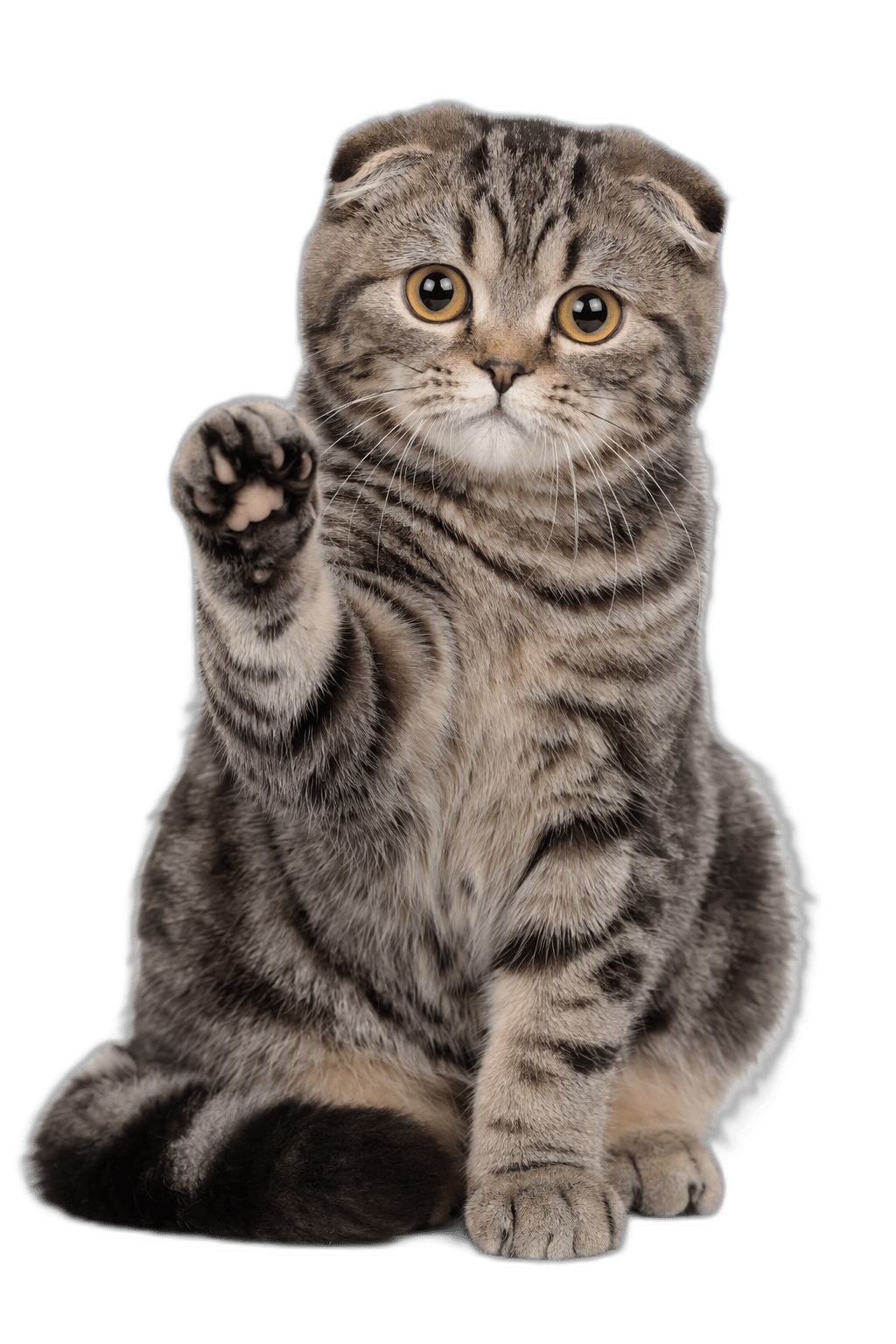
Today the Scottish Fold is one of the most popular breeds worldwide; round cheeks plus folded ears give an owl-like face, and their liking for funny sitting positions (such as the "Buddha sit") has made them social media favourites. They are gentle, easygoing and affectionate, and get along well with children and other pets. Note, though, that folds need regular joint checks, and when buying you must choose a reputable breeder.
Frequently asked questions
The questions people ask most about the Scottish Fold
The fold is caused by a genetic mutation that makes the ear cartilage fold forward, like an owl's. Not all offspring of folded-ear cats have folded ears; some are straight-eared.
Not necessarily, but it needs watching. The fold gene is related to skeletal development, and offspring of two folded-ear cats mated together have a high risk of joint problems, so responsible breeders pair a folded-ear cat with a straight-eared cat. When buying, choose a reputable breeder.
Folds are famous for their funny sitting positions, the classic being the "Buddha sit" (sitting upright like a person); because their joints are flexible, these positions are very comfortable for them.
Gentle, easygoing and affectionate, they get along well with children and other pets, making them an ideal family cat.
Check joint health regularly, control weight (being too fat puts extra load on the joints), provide a soft padded cat bed, and take them for regular vet checks.
You may also like
Other cat breeds like the Scottish Fold