Tortoiseshell (Coat Pattern)
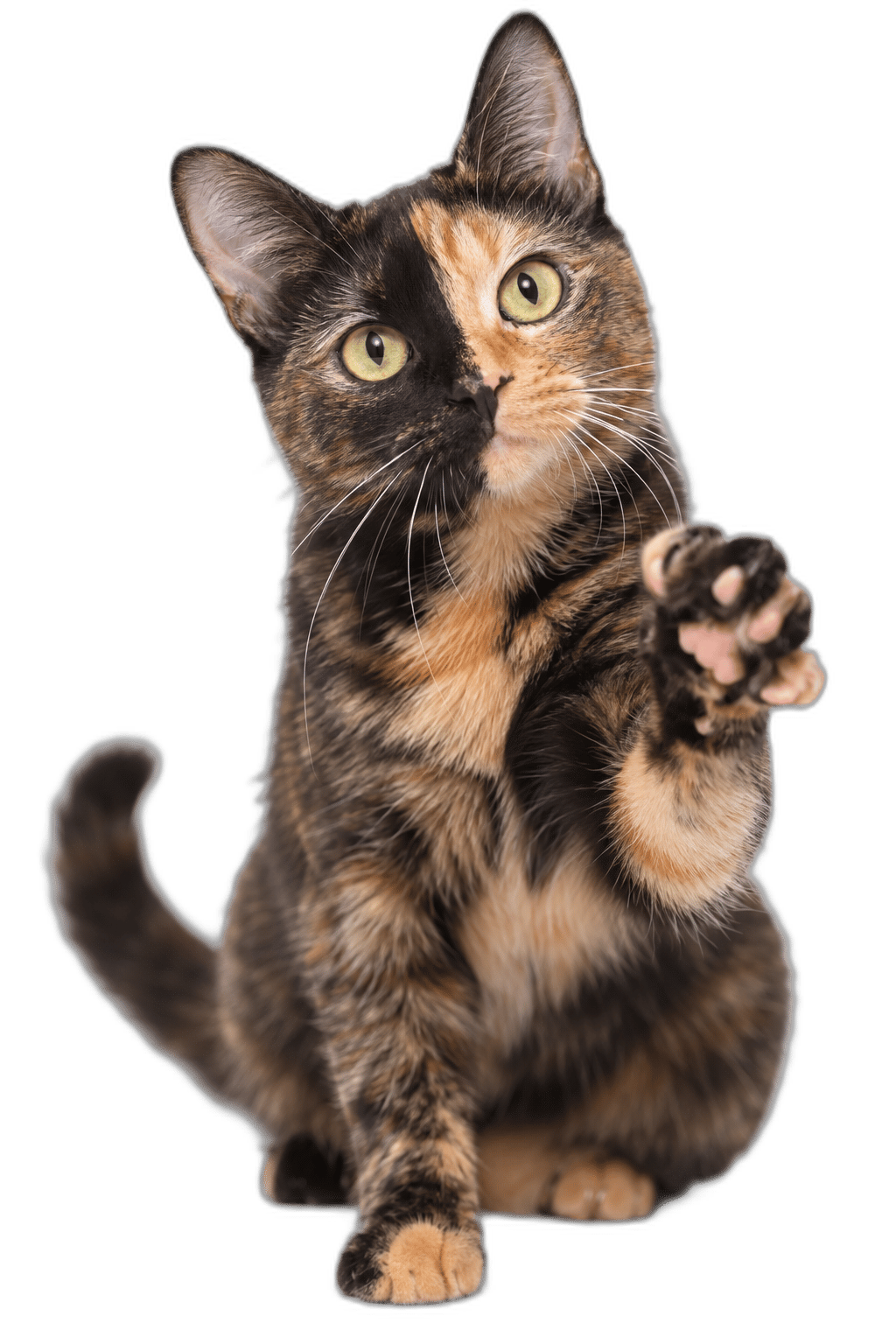
The tortoiseshell is one of the most special "coat colours" in the cat world: black, orange and amber interwoven irregularly, with every tortoiseshell's pattern unique and no two ever exactly alike. First, to be clear: the tortoiseshell is not a separate breed but a coat pattern, and it can appear in domestic shorthairs, British Shorthairs, American Shorthairs, Persians and many other breeds. The cause of the tortoiseshell pattern is linked to the X chromosome, so about 99% of tortoiseshell cats are female, and male tortoiseshells are extremely rare (about one in three thousand), with most being infertile XXY individuals. A typical tortoiseshell weighs about 3-5.5 kg and lives about 12-16 years, depending on the underlying breed. Cat-owner circles say tortoiseshells have "tortitude" — extra personality — but this is anecdotal and not scientifically proven. This breed profile sets out the genetics of the coat, the mystery of the sex ratio, prices and health information for the tortoiseshell.
Size
Medium
Lifespan
12-16 years (depending on the underlying breed)
Weight
3-5.5 kg
Price
Domestic shorthair tortoiseshells are mostly adopted for HK$0-2,000; pedigree tortoiseshells follow that breed's price (for reference only)
📺 32-second video · Cantonese narration
The Tortoiseshell (Coat Pattern) story, in one take
From Worldwide (it can appear in many breeds) to Hong Kong homes — how did the Tortoiseshell (Coat Pattern) become one of Hong Kong's most popular cat breeds?
- ✓Origin story: starting in Worldwide (it can appear in many breeds)
- ✓Personality: Lively, Independent
- ✓Lifespan 12-16 years (depending on the underlying breed) · Size Medium
PetChill Pet Encyclopedia
Key facts
Origin
Worldwide (it can appear in many breeds)
Lifespan
12-16 years (depending on the underlying breed)
Size
Medium
Weight
3-5.5 kg
Coat
Short or long hair, black, orange and amber mixed
Price range
Domestic shorthair tortoiseshells are mostly adopted for HK$0-2,000; pedigree tortoiseshells follow that breed's price (for reference only)
Personality
Many tortoiseshell owners describe theirs as full of energy and fond of play, but temperament actually follows the underlying breed and the individual, and is not decided by coat colour.
Tortoiseshells are often described as a bit "doing their own thing", not overly clingy, but once they know you they will come looking for interaction.
Very loyal to an owner they trust, following them around the home and asking for strokes and cuddles, making a great companion cat.
The legendary "tortitude" refers to their having personality and daring to express it, but note that this is anecdotal and not scientifically proven.
Care essentials
Grooming
Short hair 1-2 times a week; long hair needs it more often
Exercise
Moderate, depending on the underlying breed
Training difficulty
Moderate, intelligent but opinionated
Tortoiseshell (Coat Pattern) everyday food & supplies
Chosen by species (cat) from products PetChill stocks — not a breed-specific formula. Actual suitability depends on age, weight and health.
 Special offer
Nutriplan Cat Food Complete Health Nutritional Formula 5kg (64352)
HK$123HK$128About HK$24.6 per kg
Price checked 2026-10-21; the store page shows the live price, stock and offers.

Bella & Molly's Dutch Berry Royal Selected Cat Food AAFCO Anti-Aging Grain-Free Single Protein Salmon Formula 50g (Limited Time Experience)
HK$10About HK$200 per kg
Price checked 2026-10-21; the store page shows the live price, stock and offers.

Hills Cat Food Life Stage Series Adult Formula Chicken 490g (609885)
HK$55About HK$112.24 per kg
Price checked 2026-10-21; the store page shows the live price, stock and offers.
History & origin
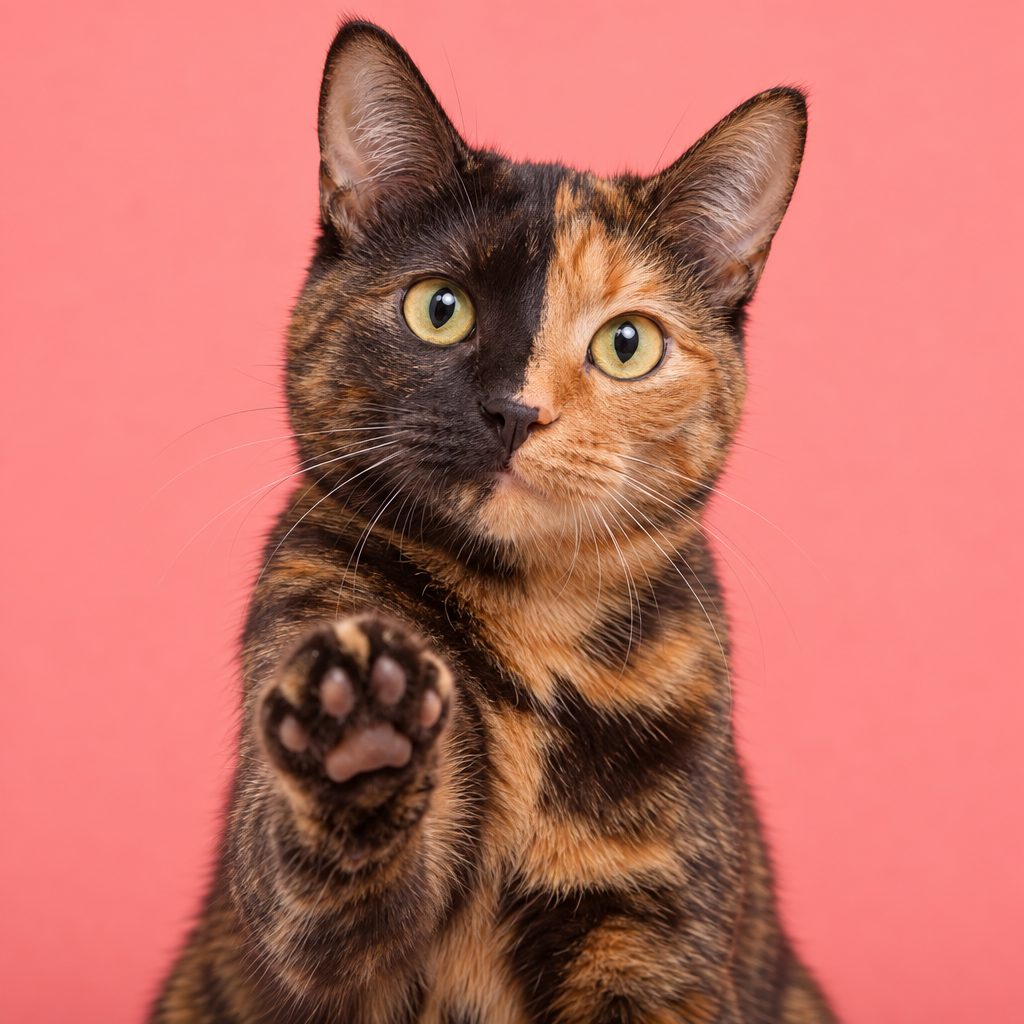
The history of the tortoiseshell pattern is really the history of genetic diversity in the domestic cat. Once humans brought the orange gene into domestic cat populations, the orange and black genes on the X chromosome began to "share the work" in female cats: early in embryonic development each cell randomly switches off one of its X chromosomes (X-inactivation), producing the black-and-orange mosaic pattern we know today as tortoiseshell.
The tortoiseshell is a coat colour rather than a breed, and can appear in many breeds including domestic shorthairs, British Shorthairs, American Shorthairs and Persians. Worth noting is the rarity of the male tortoiseshell: roughly one in every three thousand tortoiseshells is male, and most carry XXY chromosomes and cannot breed, a genetic phenomenon that has made the tortoiseshell a classic teaching case in genetics.
Health & care
Common health issues and care advice for the Tortoiseshell (Coat Pattern)
Follows the genetic risks of the underlying breed
Book regular veterinary check-ups so problems are caught and treated early. Keeping a healthy weight, a balanced diet and plenty of fresh water is the basis for preventing most health problems.
Health risks associated with male tortoiseshells (XXY)
Book regular veterinary check-ups so problems are caught and treated early. Keeping a healthy weight, a balanced diet and plenty of fresh water is the basis for preventing most health problems.
Problems common to domestic cats generally (obesity, periodontal disease)
Book regular veterinary check-ups so problems are caught and treated early. Keeping a healthy weight, a balanced diet and plenty of fresh water is the basis for preventing most health problems.
In short, an annual check-up and attentive day-to-day observation are the best way to protect your Tortoiseshell (Coat Pattern)'s health. See a vet as soon as something looks wrong — do not wait.
Want to see more cat breeds?
Besides the Tortoiseshell (Coat Pattern), you can also compare Maine Coon, Ragdoll and Siamese (Siam Cat) — breed guides that compare personality, size and care difficulty.
Frequently asked questions
The questions people ask most about the Tortoiseshell (Coat Pattern)
No. Tortoiseshell is a coat pattern, not a separate breed. The mixed black, orange and amber markings can appear in domestic shorthairs, British Shorthairs, American Shorthairs, Persians and many other breeds, so a tortoiseshell's size, lifespan and health follow the underlying breed.
Because the genes controlling orange and black sit on the X chromosome. A female cat has two X chromosomes and can carry both the orange and black genes, producing the tortoiseshell mix; a male has only one X and is usually either orange or black, so about 99% of tortoiseshell cats are female.
Roughly one in three thousand, so extremely rare. Most carry an XXY chromosome combination (Klinefelter syndrome), so the vast majority are infertile, and they may also have skeletal, joint or other health risks requiring veterinary follow-up.
A tortoiseshell's lifespan is typically 12-16 years, but the actual number depends on the underlying breed and how it is kept. Domestic shorthair tortoiseshells are usually robust, and living to 17-18 years is not uncommon with good care.
Domestic shorthair tortoiseshells are mostly adopted through rescue organisations or volunteers, with a fee of about HK$0-2,000 (for reference only) covering mainly neutering, vaccination and microchipping; for tortoiseshell-patterned British Shorthairs or American Shorthairs, the price follows that breed's market price (for reference only).
"Tortitude" is a term passed around in cat-owner circles for tortoiseshells being especially full of personality, loving and hating boldly. Note, though, that this is anecdotal and not confirmed by scientific research: there is no proven direct link between coat colour and temperament, and every cat's character is unique.
You may also like
Other cat breeds like the Tortoiseshell (Coat Pattern)