
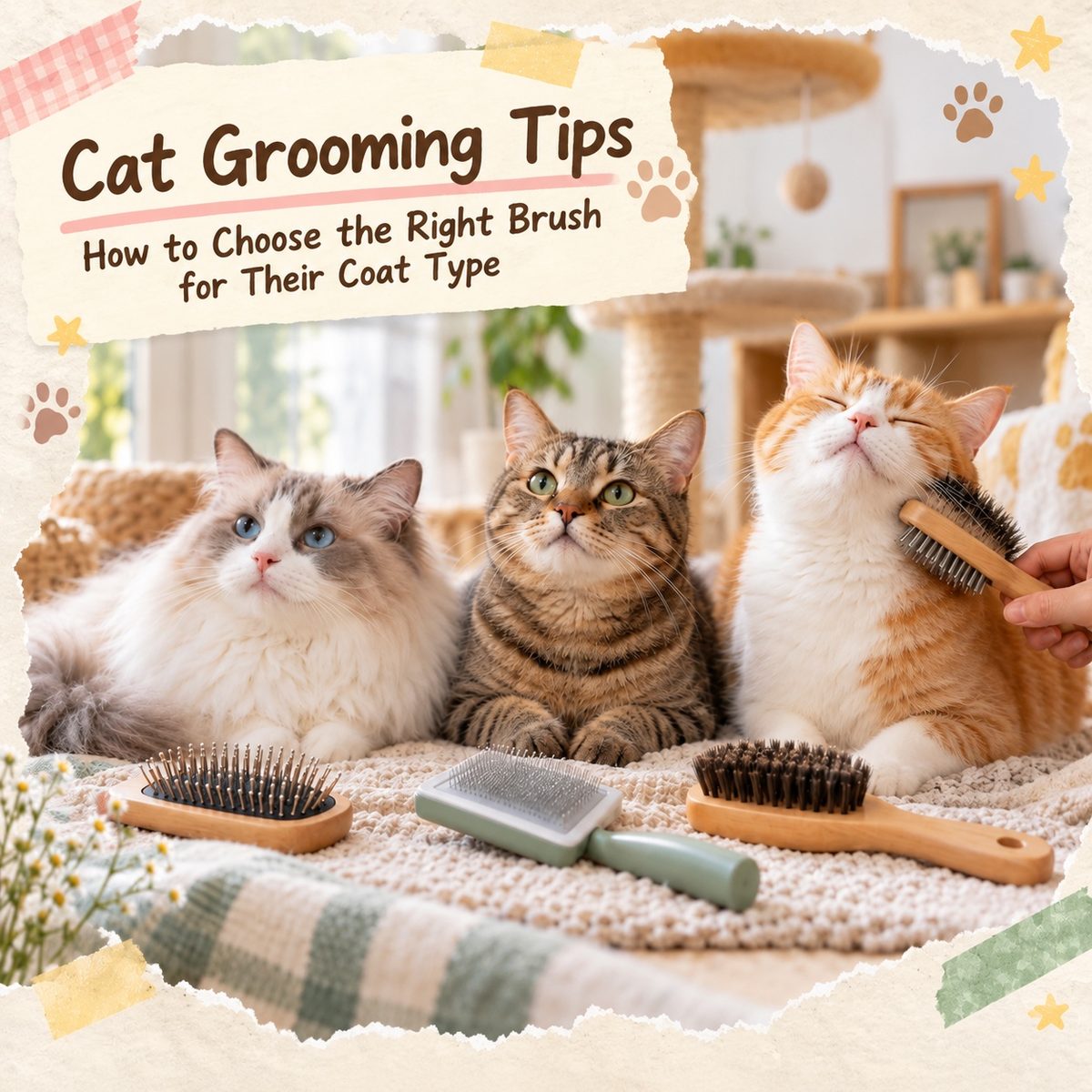
Quick answer: Daily brushing immediately removes loose fur, reduces hairballs, and lets you check for skin parasites. Long-haired cats need daily brushing, short-haired cats 2-3 times a week. Reward with treats after brushing to keep your cat's coat beautiful and healthy.
Although cats don't need baths, you should brush your cat as often as possible, ideally every day. Brushing not only removes loose fur but also massages the skin and boosts skin metabolism. More importantly, brushing is the best time to check your cat's skin condition and for parasites. PetChill teaches you the correct brushing method.
Why is daily brushing important?
1. Removes loose and dead fur
Cats naturally shed fur every day. If not brushed promptly, loose fur can:
- Be swallowed and form hairballs
- Spread around the home
- Tangle into mats
2. Promotes skin health
The act of brushing can:
- Massage the skin and promote blood circulation
- Stimulate sebaceous glands to keep the coat shiny
- Boost skin metabolism
3. Prevents hairballs
Regular brushing significantly reduces the amount of fur your cat swallows, lowering the risk of hairballs.
4. Checks for parasites
During early spring to the rainy season, when skin problems and parasites are common, you can check for eczema, lice, or fleas while brushing.

Brushing methods for different coat types
Short-haired cats (e.g., British Shorthair, American Shorthair, Siamese)
- Frequency: 2-3 times a week
- Tools: Rubber brush or fine-toothed comb
- Direction: Gently brush in the direction of hair growth
- Focus: Back, neck, base of tail
Long-haired cats (e.g., Persian, Ragdoll, Maine Coon)
- Frequency: Once daily
- Tools: Comb + slicker brush + mat remover
- Direction: Use a comb to loosen the top layer first, then a slicker brush to reach the undercoat
- Focus: Armpits, belly, behind ears (most prone to tangling)
Senior cats
- Frequency: Once daily
- Tools: Soft-toothed comb or rubber gloves
- Note: Skin is more fragile; use gentle pressure
- Focus: Check for skin lumps or abnormalities
| Cat type | Recommended frequency | Main tools | Key areas |
|---|---|---|---|
| Short-haired | 2-3 times a week | Rubber brush / fine-toothed comb | Back, neck, base of tail |
| Long-haired | Once daily | Comb + slicker brush + mat remover | Armpits, belly, behind ears |
| Senior | Once daily | Soft-toothed comb / rubber gloves | Whole body gently, watch for lumps |
Correct brushing steps
Step 1: Choose the right time
- Choose a time when your cat is relaxed
- Right after waking up or after a meal is good
- Avoid when your cat is excited or nervous
Step 2: Head to tail
Brush your cat following the direction of hair growth in different areas:
-
Head: From forehead towards neck
-
Back: From neck towards tail
-
Belly: Gently from chest towards hind legs
-
Limbs: From shoulders towards paws
-
Tail: From base towards tip
Step 3: Key checks
While brushing, also check:
- For red rashes or eczema on the skin
- For lice or fleas (in front of ears and base of tail are common spots for fleas and lice; examine carefully)
- For abnormal lumps
- For skin injuries
Step 4: Reward
Give a treat after brushing to build a positive association.
How to deal with mats
Long-haired or older cats easily develop mats. As mats grow larger, it becomes hard to distinguish fur from skin, and cutting them with scissors can easily injure the skin.
Correct way to remove mats
-
Place a flea comb at the base of the mat
-
Slowly cut above the flea comb with scissors
-
The flea comb protects the skin from being cut
-
If the mat is too tight and dense, it's best to leave it to a professional groomer
Preventing mats
- Daily brushing is the best prevention
- Always brush thoroughly after a bath
- Pay attention to areas prone to tangling: armpits, belly, behind ears
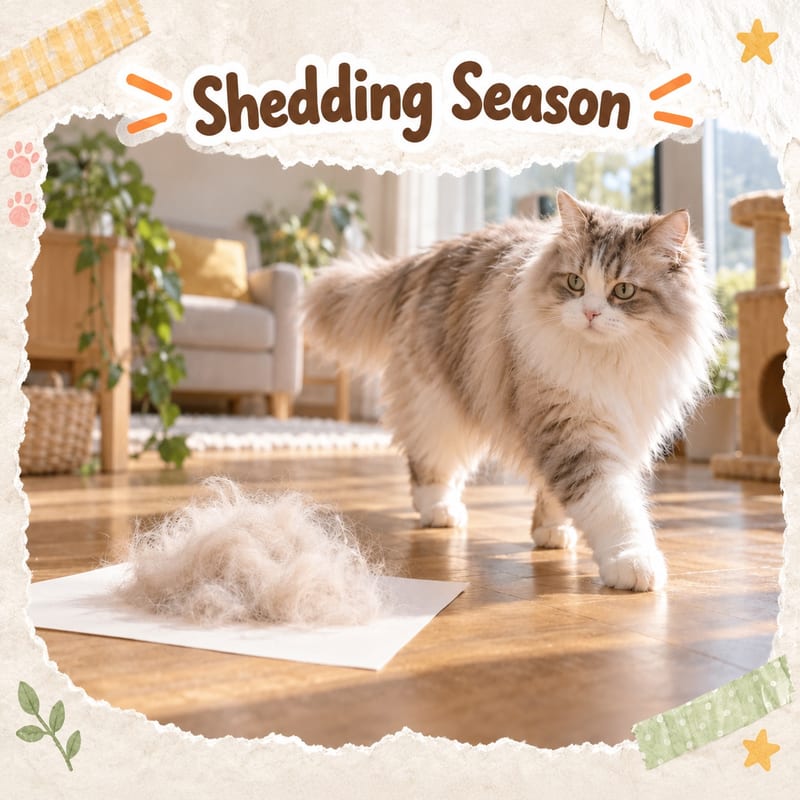
Special care during shedding season
Spring (March-May)
- Heaviest shedding; daily brushing recommended
- Use a de-shedding glove for extra cleaning
- Check for fleas and lice
Autumn (September-November)
- Coat changes to thick winter fur
- Undercoat easily tangles
- Need a brush designed for the undercoat
PetChill's Reminder
Brushing is the best bonding time between you and your cat. Spending 5-10 minutes daily brushing not only maintains coat and skin health but also strengthens your bond. Make brushing a daily habit and you'll see your cat's coat become shinier and more beautiful!
For more cat care knowledge, keep following PetChill's latest articles!
Hong Kong small-home practicalities: 5-minute brushing routine + when to see a vet
Hong Kong homes are small, and cat fur can spread everywhere. Here's a 5-minute brushing routine designed for Hong Kong residents, done on a chair in the living room:
1. Tool placement Keep a rubber brush/slicker brush, treats, and wet wipes in a small basket next to the TV cabinet. Start at the same spot every day so your cat gets used to it and comes over naturally.
2. Timing Choose 9-10 pm when your cat is sleepy after dinner—this is when they're laziest and most resistant-free.
3. Quick zone brushing
- Minute 1: Brush the back first, following the hair growth for 5-6 strokes; a rubber brush already removes a lot of loose fur.
- Minutes 2-3: Move to the sides of the neck and base of tail—these two areas tangle most easily.
- Minute 4: Lift your cat's front paws and quickly sweep the armpits twice.
- Minute 5: Check behind the ears and base of tail for black specks (flea dirt); wipe off immediately with a wet wipe.
4. Immediate cleanup After brushing, lightly pat the floor with damp hands; the fur will clump together, no vacuum needed. Roll the brush with tape once a week to keep tools clean.
When to rush to the vet?
- If you brush over large red, swollen areas or fur loss down to the flesh.
- If you feel a hard lump or your cat cries out in pain when brushed.
- If you find flea dirt (turns red when wiped with a wet wipe). If you see any of the above, take photos and go to the nearest vet immediately; don't delay. Hong Kong clinics generally accept same-day walk-ins; remember to bring a cat carrier and vaccination record.
Further reading
📌 Key points
- ✅ Daily brushing removes loose fur, prevents hairballs, and lets you check for skin parasites
- ✅ Brush long-haired cats daily, short-haired cats 2-3 times a week, and use a soft-toothed comb for senior cats
- ❌ Don't brush when your cat is excited or nervous; it can create aversion
- ❌ Don't cut mats blindly with scissors; place a flea comb underneath first, and if too tight, leave to a professional
- ✅ Always reward with treats after brushing to build a positive association